The Importance of Programmable Automation Control (PAC) in Industrial Automation
In the world of industrial automation, control systems play a crucial role in ensuring the smooth operation of manufacturing processes and equipment. These systems are responsible for monitoring and controlling various aspects of the production process, including the movement of materials, the operation of machinery, and the quality of the final product. Traditionally, these control systems were implemented using programmable logic controllers (PLCs), which are specialized computers that are designed to handle the complex logic and control functions required in industrial automation. Programmable Automation Control (PAC) is a type of industrial controller that offers many of the same capabilities as PLCs but with greater flexibility and more powerful processing capabilities. An industrial control system is categorized as a PAC if it comprises five characteristics which include multi-domain functionality, flexible software tools, multi-discipline development platform, open modular architecture, and enterprise-level network capability. PACs are typically used to control and monitor a wide range of equipment and processes in manufacturing, production, and other industrial environments. A typical PAC system may consist of many components, including analog I/O, digital I/O, serial I/O, SCADA, and a human-machine interface, among other components.
The PAC is a relatively new addition to the automation industry. The PAC systems have similar environmental specifications as PLCs but are computationally more capable and provide flexible programming opportunities. PAC systems are suitable for industrial applications which demand complex I/O, multi-axis motion control, machine vision, large data memory, extensive data logging, local data analysis, high-precision analog monitoring, and advanced network capabilities. The PAC systems also include the management of multiple communication protocols and supervisory control with enterprise-level network standards. Some of these functionalities can be added to the PLCs if required, but the PAC systems have these features built-in along with the ease of flexibility and compatibility in hardware and software choices.
Characteristics and Capabilities of a PAC System
The capabilities of a programmable automation control system will vary depending on the specific manufacturer and model of the system. However, in general, a PAC system can be used to automate a wide range of physical processes and can provide the following capabilities:
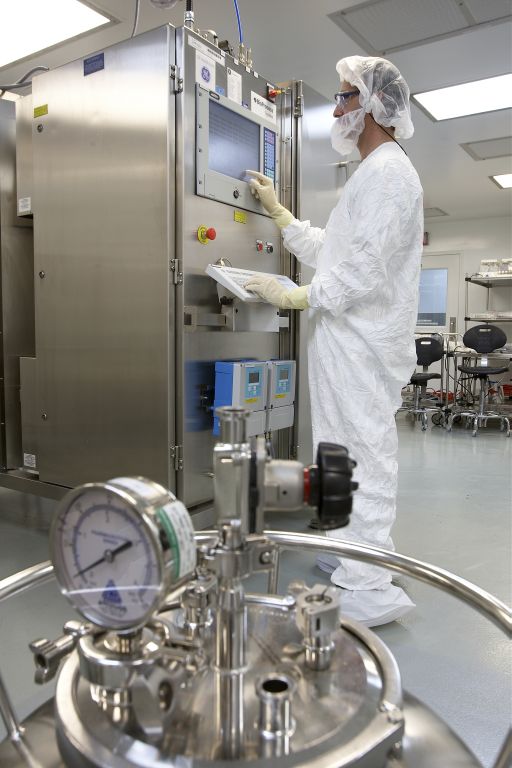
- Executing complex control logic in real-time: The programmable controller at the heart of a PAC system is capable of executing complex control logic in real-time, allowing the system to respond quickly and accurately to changes in the physical processes being controlled.
- Interfacing with a wide range of sensors and actuators: The input/output (I/O) modules of a PAC system can be configured to support a wide range of different sensors and actuators, allowing the system to interface with a variety of different physical processes and equipment.
- Monitoring and controlling processes in real-time: The configuration and monitoring tools of a PAC system allow the user to monitor the operation of the system in real-time, providing visibility into the current state of the processes being controlled and allowing the user to make adjustments as needed.
- Generating alarms and notifications: A PAC system can be configured to generate alarms and notifications in response to specific events or conditions, such as equipment failures or process deviations. This can help to ensure that the system is operating correctly and can alert the user to any potential issues that need to be addressed.
- Integration with other software systems: Many PAC systems can be integrated with other software systems, such as enterprise resource planning (ERP) or manufacturing execution systems (MES), to enable the exchange of data and communication between the PAC system and other systems in the organization.
- Remote access and control: Many PAC systems include support for remote access and control, allowing the user to monitor and control the operation of the system from anywhere with an internet connection. This can provide increased flexibility and convenience for the user.
- Programming languages: PACs are typically programmed using a high-level, graphical programming language. They also support programming languages such as ladder logic and functional block diagrams. High-level languages that may be supported by a PAC system include C++, Java, Python, and Visual Basic. This allows users to easily create and modify programs without needing to have detailed knowledge of low-level programming languages. The high-level programming languages make PACs particularly well-suited to applications that require complex control logic or advanced functionality. For example, PACs are often used in applications that involve the integration of multiple systems or the use of advanced sensors and other specialized equipment.
- Communication protocols: PACs are designed to support a wide range of communication protocols, enabling them to easily connect and communicate with other automation components and systems. This allows for the integration and coordination of different automation processes and equipment.
- Memory and storage: PAC systems possess the capabilities of a personal computer (PC). It gives them more processing power along with higher storage. So, PACs have a large amount of memory and storage, allowing them to store and manage large amounts of data and programs. This enables them to support complex and sophisticated automation applications.
- Fault tolerance and redundancy: PACs are designed to be highly reliable, with built-in fault tolerance and redundancy features. This helps to ensure that they can continue to operate even in the event of a failure, reducing downtime and improving the overall reliability of industrial operations.
Features Comparison with PLCs
PLCs are always compared with PACs as both possess many similar attributes. It depends on the application requirement which of the two can provide a suitable solution under certain boundaries. The automation budget, size, and significance of the process application may be the deciding factors. Here, major differences between PLCs and PACs are investigated and the areas where PACs lead PLCs are highlighted.
- PLCs are optimized to mimic the actions described in the ladder logic generally. PLCs scan the inputs like limit switches, proximity switches, and sensors from industrial processes every millisecond. Based on the changing input states, PLCs take appropriate actions and control the actuators such as relays, solenoids, and machines. In contrast, a PAC has a general-purpose architecture, and the system depends on the control logic to read the states of the inputs and sensors. PAC systems are capable of handling various important tasks, including databases and information handling, which PLCs can not. A PAC system can manage tasks involving communicating with an SQL database and performing statistical analysis for computing some process parameters while providing supervisory control and other critical operations.
- The architecture of PAC supports complex automation systems through PC-based software applications. The applications may include advanced process control (APC), asset management, human-machine interface (HMI) functions, and other applications.
- PACs are equipped with advanced network communication features. They support all the standard communication protocols available in PLCs, such as Ethernet, TCP/IP, Modbus, PROFINET, Fieldbus, and wireless networks. Additionally, they also feature Open Platform Communication (OPC) standards for industrial automation and support for databases like SQL. Although, in recent times, high-end PLCs can attain some of these similar functions through modular additions like the PAC systems have by nature. However, it is not the core functionality and scope of the PLCs.
- One of the key advantages of PACs is that they can be programmed using a wider range of programming languages. Some common programming languages that may be supported by a PAC system include ladder logic, function block diagram, structured text, and sequential function chart. PAC systems may support other high-level programming languages, as mentioned earlier.
- As PACs are PC-based systems, but they are more robust in operation management than general PCs. For example, a Windows-based PC might overlook critical process instructions and prioritize its own backend process, such as updates which may result in skipping a critical operation or delay in the operation. PAC systems are deterministic, and they ensure smooth and timely process operations.
- PLCs are typically smaller and less expensive than PACs, and they are often used in applications where a high degree of control is not required. PLCs are well-suited for applications such as process control, material handling, and machine control. In contrast, PACs are larger and more powerful than PLCs, and they are often used in applications that require a high degree of control, such as complex motion control or process control applications. PACs are also able to integrate a wider range of input and output devices than PLCs, making them more versatile.
- PACs also offer several other benefits. For example, many PACs have built-in support for popular industrial protocols, such as EtherCAT, Profinet, and Modbus. This is the reason that Integrating the PAC with other equipment and systems on the factory floor is easier. PACs also often have built-in support for advanced features, such as motion control, vision systems, and safety control making them well-suited to applications that require precise control or that involve complex or hazardous operations.
- The PAC offers tag-based programming. As a single software package that encompasses various modules like I/O, motion control, and databases, a single tag name can be described once in the development phase, which can then be used in every module. There is no need to recall memory addresses for specific I/O and functions.
Use Cases of PACs in Industrial Automation
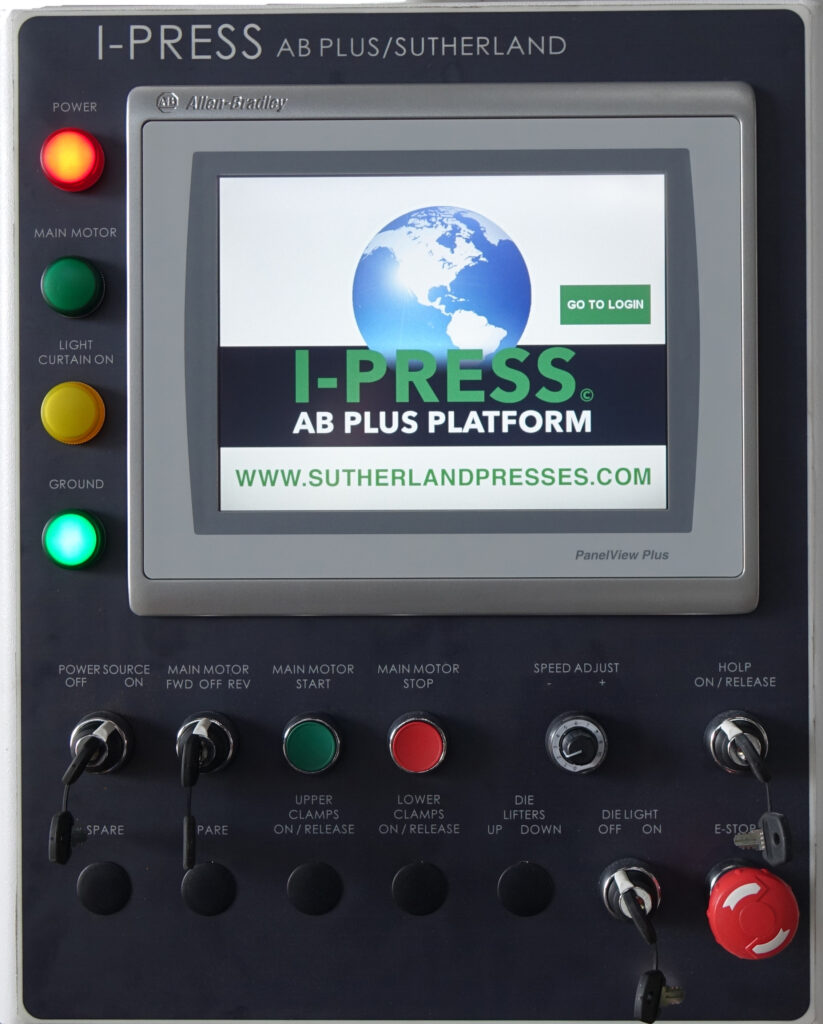
The importance of PACs in the world of industrial automation cannot be exaggerated. They play a crucial role in ensuring that production processes run smoothly and efficiently, helping manufacturers to improve their productivity and reduce their costs. In addition, PACs are often used to monitor and control critical processes, such as those used in the production of pharmaceuticals or other high-value goods, ensuring that they are carried out safely and accurately. There are many different applications for PACs in the industrial world. Some of the most common include:
- Process control: PACs can be used to control and monitor various processes within an industrial facility, such as chemical reactions, material handling, and temperature control.
- Machine control: PACs can be used to control and coordinate the operation of various machines within an industrial facility, such as conveyor systems, robots, and other automated equipment.
- Data collection and analysis: PACs can be used to collect data from various sensors and devices within an industrial facility and use this data to optimize processes, detect malfunctions, and make data-driven decisions.
- Safety and security: PACs can be used to monitor and control various safety and security systems within an industrial facility, such as fire prevention systems, access control systems, and emergency shutdown systems.
- Quality control: PACs can be used to monitor and control various quality control systems within an industrial facility, such as inspection systems, testing systems, and calibration systems.
Industrial Applications of PACs
Some of the major industrial automation applications that use PACs are discussed further, highlighting the importance of these advanced and critical automation solutions in today’s world.
- Production of Consumer Goods: One common application of PAC systems is in the production of consumer goods, such as electronics, appliances, and other products. PAC systems can be used to control the various machines and processes involved in the manufacturing of these goods, including assembly, testing, and packaging. This can help to reduce the amount of manual labor required and ensure that the goods are produced consistently and of high quality.
- Production of Automotive Parts and Vehicles: Another important application of PAC systems is in the production of automotive parts and vehicles. PAC systems can be used to control the various machines and processes involved in the manufacturing of automotive parts, such as casting, forging, and machining. They can also be used to control the assembly of vehicles on the production line, ensuring that each vehicle is assembled correctly and efficiently.
- Food and Beverage Production: PAC systems can be used to control the various processes involved in the production of food and beverage products. PAC systems ensure consistency, reliability, and flexibility in various steps of production, from handling raw materials to the finished product.
- Pharmaceuticals and Chemicals: PAC systems can be used to control the various machines and processes involved in the production of pharmaceutical products and chemicals. Some of the processes are critical and require precision and accuracy in processes and operations such as mixing, blending, and packaging. This can help to ensure that these products are produced reliably.
In conclusion, Programmable Automation Control systems are an essential part of the modern industrial landscape. Their open architecture and software capabilities make them highly flexible and adaptable. There can be many deciding factors for the choice of a PAC system, such as the complexity of the automation system, level of integration, scalability, budget, safety, and reliability. Modern industrial applications demand connectivity, versatility, and integration at higher levels than ever, and PACs seem to meet the demand respectfully. With their wide range of applications and their importance in ensuring the smooth and efficient operation of production processes, PACs will continue to play a crucial role in the world of industrial automation for many years to come.
DO Supply Inc. makes no representations as to the completeness, validity, correctness, suitability, or accuracy of any information on this website and will not be liable for any delays, omissions, or errors in this information or any losses, injuries, or damages arising from its display or use. All the information on this website is provided on an "as-is" basis. It is the reader's responsibility to verify their own facts.