Chain vs. Belt Assemblies
Introduction
The constant quest for better efficiency, durability, and adaptability continues to be a top priority for designers and engineers. One critical aspect of many industrial and commercial applications is the choice of the most suitable drive assembly to transmit power and motion between components. To this end, the age-old debate between chain and belt-driven assemblies continues to spark interest among professionals and enthusiasts alike. This article aims to provide an in-depth and technical comparison of these two types of drive systems, enabling the reader to make an informed decision based on their specific requirements and constraints. Chain and belt-driven assemblies have long been in competition as preferred methods for power transmission in a variety of industries, ranging from automotive and manufacturing to agriculture and household appliances. Despite their seemingly similar function, these two systems are distinctly different in terms of their construction, components, and principles of operation. As we delve into the world of sprockets, chains, pulleys, and belts, this article will highlight the intricacies of their respective designs and the unique advantages and disadvantages each system presents.
The purpose of the article is not to proclaim one drive assembly superior to the other but rather to present a thorough analysis of both chain and belt-driven assemblies, empowering you to make the best decision based on your unique needs and circumstances. So, without further ado, let’s embark on this fascinating journey through the world of mechanical drive systems and unveil the secrets behind their power transmission capabilities.
Chain-Driven Assemblies
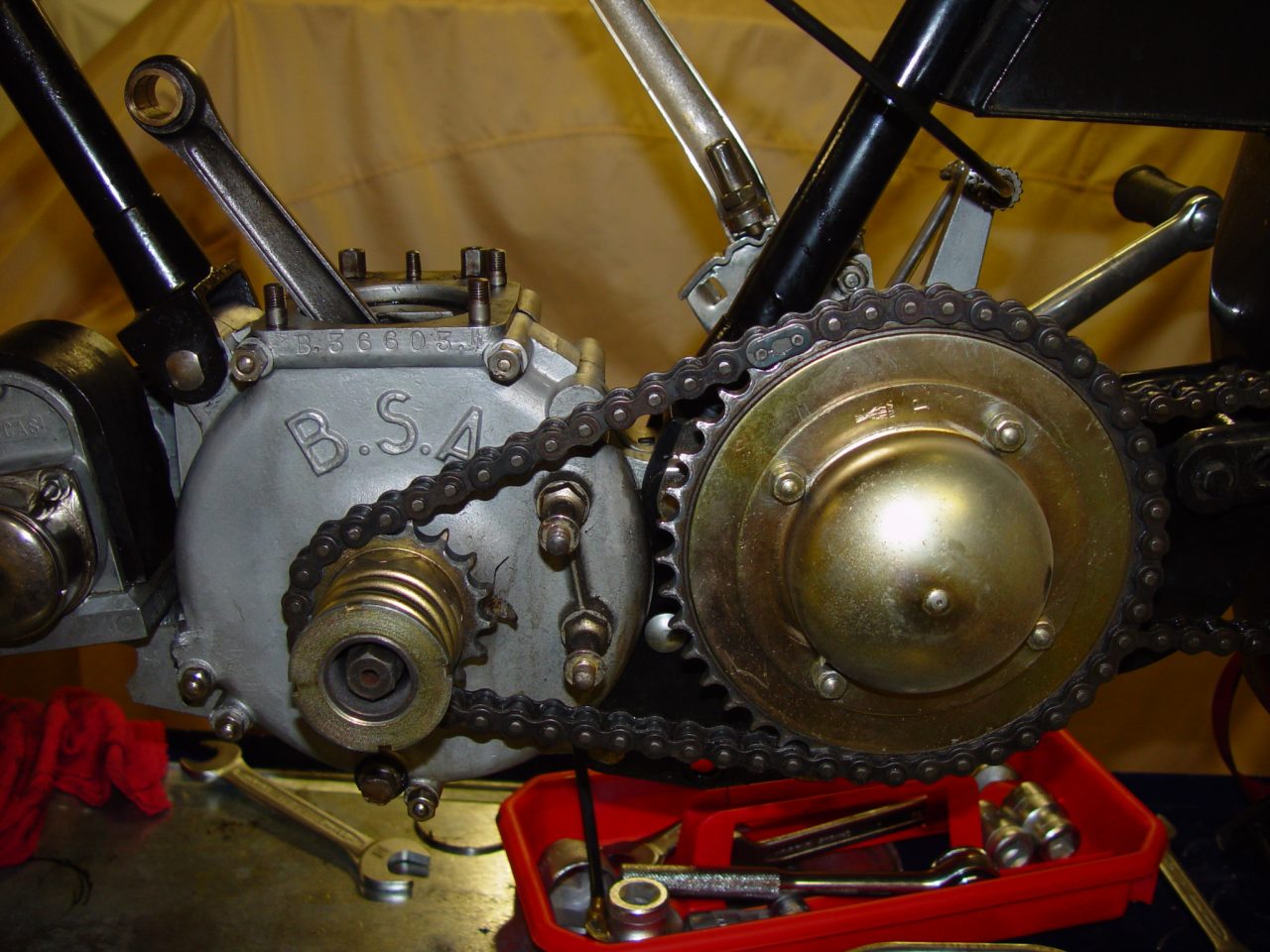
Definition and Basic Principles
Chain-driven assemblies are mechanical systems that employ interconnected chains and sprockets to transmit power and motion between rotating shafts. In these systems, power is transferred from the driving sprocket, which is connected to the input shaft, to the driven sprocket, which is attached to the output shaft. The chain, which is wrapped around both sprockets, acts as the intermediary and facilitates the power transfer. Chain drives are widely appreciated for their ability to handle high loads, resist slippage, and accommodate varied center distances between shafts, making them a popular choice for various applications.
Components and Construction – Sprockets
Sprockets are toothed wheels designed to mesh with the chain to ensure a smooth and efficient power transfer. Sprocket teeth profiles are engineered to minimize wear and maintain proper chain engagement, reducing the likelihood of chain disengagement or skipping. Sprockets are typically made from materials such as steel, cast iron, or plastic, with the choice of material depending on the application requirements, including load capacity, speed, and operating environment.
Components and Construction – Chains and Lubrication
Chains are the central component of chain-driven assemblies and are designed to withstand high loads and impact forces. The most common type of chain used in these systems is the roller chain, which consists of alternating inner and outer links with rollers that allow for smooth engagement with the sprocket teeth. Chain drives require periodic lubrication to minimize friction and wear between the chain links, rollers, and sprocket teeth. Lubrication also serves to dissipate heat, flush contaminants, and extend the life of the chain and sprockets.
Types of Chain Drives
In addition to roller chains, there are other types of chain drives that cater to different application requirements. Silent chains, also known as inverted-tooth chains, use a unique tooth profile and a flat contact surface to reduce noise and vibrations. These chains are often used in high-speed applications where noise reduction is critical. Leaf chains, on the other hand, are primarily used for lifting and tensioning purposes. They consist of interlaced plates and pins and can withstand high tensile loads, making them ideal for applications such as forklifts and hoisting systems.
Advantages and Disadvantages of Chain-Driven Assemblies
Advantages:
- High Efficiency: Chain drives are known for their high efficiency in power transmission, often exceeding 95-98%. This is due to the positive engagement between the chain and sprockets, which minimizes the risk of slippage and ensures accurate torque transfer.
- Load Capacity: Chain drives are capable of handling high loads, making them suitable for heavy-duty applications. The load-bearing capacity of a chain drive system is determined by the chain’s tensile strength and the sprocket design, which can be customized to cater to the specific requirements of an application.
- Adaptability: Chain-driven assemblies can accommodate varying center distances between the input and output shafts, providing flexibility in system design. This adaptability allows for modifications to existing systems or the design of new systems with unique spatial constraints.
- Resistance to Slippage: The positive engagement between the chain and sprockets in chain-driven assemblies ensures a minimal risk of slippage, even under high torque or heavy loads. This characteristic is particularly beneficial in applications where precise motion control is necessary.
Disadvantages:
- Maintenance: Chain drives require regular maintenance to ensure optimal performance and longevity. This includes periodic lubrication to reduce friction and wear, tension adjustments to maintain proper chain engagement and inspection for wear or damage. Neglecting maintenance can lead to premature wear, decreased efficiency, and system failure.
- Noise and Vibration: Chain-driven assemblies generally generate more noise and vibration compared to belt-driven systems. The engagement and disengagement of the chain links with the sprocket teeth can create significant noise, particularly at high speeds. This can be undesirable in applications where noise reduction is a priority, such as residential or office environments.
- Lubrication: The need for lubrication in chain-driven systems can be a disadvantage, as it introduces the potential for contamination, especially in dusty or dirty environments. Lubrication can also be time-consuming and costly, as it requires regular inspection and replenishment to ensure proper chain function.
- Weight and Space Requirements: Chain drives are typically heavier and bulkier than belt-driven systems, which can be a disadvantage in applications with strict weight or space constraints. The added weight and bulk can also result in increased energy consumption, as the system requires more power to overcome the inertia of the heavier components.
- Corrosion and Wear: The metal-to-metal contact in chain-driven assemblies can result in increased wear and the potential for corrosion, particularly in harsh operating environments or when exposed to moisture or chemicals. While regular maintenance and lubrication can mitigate these risks, they may still be a concern in specific applications.
Common Applications
Chain-driven assemblies are employed across a range of industries due to their versatility and load-bearing capabilities. In the automotive industry, they are commonly used in timing systems, transmission systems, and motorcycle drivetrains. In manufacturing, they find application in conveyor systems, assembly lines, and material handling equipment. The agriculture sector also relies on chain drives for a variety of machinery, including tractors, combine harvesters, and various types of processing equipment.
Belt-Driven Assemblies
Definition and Basic Principles

Belt-driven assemblies are mechanical systems that utilize belts and pulleys to transmit power and motion between rotating shafts. In these systems, the belt, made of flexible material, wraps around the driving and driven pulleys, transferring power from the input shaft to the output shaft through friction. Belt drives are known for their quiet operation, low maintenance requirements, and adaptability to a range of applications, making them a popular alternative to chain-driven systems in various industries.
Components and Construction – Pulleys
Pulleys are wheel-like components with grooved or flat surfaces designed to accommodate and engage the belt in a belt-driven assembly. Pulleys are commonly made from materials such as steel, aluminum, cast iron, or plastic, depending on the application requirements, load capacity, and operating environment. The driven pulleys can have different diameters to change the mechanical advantage, allowing for a wide range of speed and torque ratios.
Components and Construction – Belts
Belts are the essential component of belt-driven assemblies, made of flexible materials such as rubber, neoprene, or polyurethane and often reinforced with fibers or steel cords for added strength. There are three primary types of belts used in belt-driven systems: V-belts, synchronous belts, and flat belts. V-belts are trapezoidal in cross-section and are designed to fit into corresponding grooves in the pulleys, providing increased friction and load-carrying capacity. Synchronous belts, also known as timing belts, have evenly spaced teeth on their inner surface that mesh with the teeth on the pulleys, ensuring precise timing and motion control. Flat belts, as their name suggests, have a flat surface that contacts the pulley and relies on friction alone for power transmission.
Advantages and Disadvantages of Belt-Driven Assemblies
Advantages:
- Quiet Operation: Belt-driven assemblies are known for their quiet and smooth operation due to the continuous engagement of the belt with the pulleys and the absence of metal-to-metal contact. This makes them an ideal choice for applications where noise reduction is a priority, such as in residential or office environments.
- Low Maintenance: Belt drives require minimal maintenance compared to chain-driven systems, as they do not require lubrication or periodic tension adjustments. This reduces maintenance costs and downtime, making them an attractive option for various applications.
- Shock Load and Misalignment Tolerance: Belt-driven assemblies can better accommodate shock loads and misalignment between the input and output shafts. The flexibility of the belt material allows it to absorb impact forces and adapt to misaligned pulleys, which can improve system longevity and reduce the likelihood of component failure.
- No Lubrication Required: Unlike chain-driven systems, belt drives do not require lubrication, reducing the risk of contamination in dusty or dirty environments. This also eliminates the need for regular inspection and replenishment of lubricants, simplifying maintenance procedures.
Disadvantages:
- Efficiency: Belt-driven assemblies tend to be less efficient than chain-driven systems due to the potential for slippage and the inherent flexibility of the belt material. Slippage can result in power loss and decreased torque transfer, which can be undesirable in applications requiring precise motion control.
- Durability: The durability of belt-driven systems can be a concern, as the belt material is more susceptible to wear, stretching, and degradation over time compared to metal chains. This may result in more frequent belt replacements and increased overall maintenance costs.
- Load Capacity Limitations: Belt drives have limitations in terms of load capacity compared to chain-driven systems. While the load capacity of a belt drive can be increased by using wider or stronger belts, there are still practical constraints that may make them unsuitable for certain heavy-duty applications.
- Speed Ratios: Belt-driven assemblies have restrictions on achievable speed ratios due to the limitations of the belt material and the need to maintain adequate tension. While pulley diameters can be adjusted to alter the speed ratio, there is a limit to how much the ratio can be changed before the belt slips or loses efficiency.
- Environmental Factors: Belt drives can be sensitive to environmental factors such as temperature, humidity, and exposure to chemicals or UV radiation. These factors can affect the performance, lifespan, and reliability of the belt material, making it essential to select appropriate belt materials for specific operating conditions.
Efficiency, Durability, Maintenance, and Noise
Belt-driven assemblies are generally quieter and require less maintenance than chain-driven systems. The absence of metal-to-metal contact and the continuous engagement of the belt with the pulleys result in reduced noise levels and vibration. Maintenance requirements are minimal, as belt-driven systems do not require lubrication, and belt tension adjustments are typically straightforward. However, belt drives may be less efficient and durable than chain-driven systems due to the potential for slippage and the degradation of the belt material over time.
Common Applications
Belt-driven assemblies find extensive use in various industries, particularly in applications where quiet operation and low maintenance are essential. In HVAC systems, belt drives are often used in air handlers and fan systems to provide quiet and efficient airflow. Household appliances such as washing machines, dryers, and vacuum cleaners also rely on belt-driven systems for their smooth operation. In office equipment, belt drives are commonly found in printers, photocopiers, and scanners, where they contribute to precise and quiet motion control.
Comparison of Chain vs. Belt-Driven Assemblies
Efficiency, Power Transmission, Durability, and Wear Resistance
When comparing chain and belt-driven assemblies in terms of efficiency and power transmission, chain drives generally offer higher efficiency due to their positive engagement and reduced risk of slippage. Chain-driven systems can achieve efficiency levels exceeding 95-98%, whereas belt drives are often less efficient, particularly in applications with high torque or heavy loads. In terms of durability and wear resistance, chain drives tend to be more robust, as they are made of metal components that can withstand high loads and impact forces. Belts, on the other hand, are more susceptible to wear, stretching, and degradation over time due to the inherent flexibility of the belt material. However, the durability of a chain drive is contingent upon proper maintenance, including regular lubrication and tension adjustments, which can extend the life of both the chain and sprockets.
Maintenance Requirements, Noise Generation, Cost Analysis, and Suitability for Specific Applications
In terms of maintenance requirements, belt-driven assemblies have a clear advantage, as they require minimal maintenance compared to chain-driven systems. Belt drives do not need lubrication, and tension adjustments are typically more straightforward, reducing maintenance costs and downtime. Noise generation is another area where belt drives outperform chain drives, as the absence of metal-to-metal contact and continuous engagement of the belt with the pulleys results in quieter operation. This makes belt drives particularly suitable for applications where noise reduction is a priority, such as in residential or office environments. When considering cost, belt drives may be more economical in the short term due to lower initial costs and maintenance requirements, but their reduced lifespan and efficiency could offset these savings in the long run. Ultimately, the suitability of chain vs. belt-driven assemblies depends on the specific application requirements, including load capacity, speed ratios, operating environment, and noise tolerance. Chain drives are generally more suitable for heavy-duty applications, while belt drives may be better suited for lighter loads and applications where quiet operation is essential.
Factors to Consider When Choosing Between Chain and Belt Drives
Load Capacity, Operating Environment, and Speed and Torque Requirements
When choosing between chain and belt drives, one of the primary factors to consider is the load capacity required for a particular application. Chain drives can generally handle higher loads and are more suitable for heavy-duty applications due to their metal construction and positive engagement. However, belt drives may be sufficient for lighter loads and offer the added benefits of quieter operation and reduced maintenance. Another critical factor is the operating environment, as both chain and belt drives have unique sensitivities. Chain drives require lubrication, which can introduce contamination risks in dusty or dirty environments, and are susceptible to corrosion in moist or chemically harsh settings. Belt drives, on the other hand, can be sensitive to temperature, humidity, and exposure to chemicals or UV radiation, which can affect the performance and longevity of the belt material. Considering the speed and torque requirements is essential, as chain drives offer more precise motion control and higher efficiency, while belt drives provide more flexibility in speed ratios and greater tolerance for misalignment and shock loads.
Space Constraints, Safety Concerns, and Overall System Considerations
Space constraints play a crucial role in choosing between chain and belt drives, as chain-driven systems tend to be heavier and bulkier, which can be a disadvantage in applications with strict weight or space limitations. Conversely, belt-driven systems are generally lighter and more compact, making them more suitable for space-constrained applications. Safety concerns should also be considered, as both chain and belt drives have unique hazards. Chain drives can pose risks such as finger entrapment, while belt drives can present hazards related to belt slippage or breakage. Ensuring proper guarding and safety measures are in place is essential for both types of systems. In addition to these factors, it is vital to take a holistic approach when choosing between chain and belt drives, considering the overall system requirements and constraints, as well as the long-term costs and benefits associated with each option. Balancing factors such as efficiency, durability, maintenance requirements, noise generation, and cost will enable engineers and designers to make informed decisions and select the most suitable drive system for a given application.
Conclusion
In conclusion, chain and belt-driven assemblies offer distinct advantages and disadvantages, making the selection between them crucial for achieving optimal system performance and longevity. Key differences between the two systems include efficiency and power transmission, with chain drives generally providing higher efficiency and load capacity, while belt drives offer quieter operation and lower maintenance requirements. Factors such as load capacity, operating environment, speed and torque requirements, space constraints, and safety concerns should be carefully considered when selecting the appropriate drive system for a specific application. Ultimately, the choice between chain and belt drives will depend on a holistic evaluation of the overall system requirements and constraints, as well as the long-term costs and benefits associated with each option. By selecting the most suitable drive system, engineers and designers can ensure reliable, efficient, and long-lasting performance in various applications across industries.
DO Supply Inc. makes no representations as to the completeness, validity, correctness, suitability, or accuracy of any information on this website and will not be liable for any delays, omissions, or errors in this information or any losses, injuries, or damages arising from its display or use. All the information on this website is provided on an "as-is" basis. It is the reader's responsibility to verify their own facts.