The Pros and Cons of Upgrading a Legacy PLC System
Introduction
Programmable Logic Controllers (PLCs) have continued to form the backbone of almost all industrial automation operations since their invention in 1968. For more than 50 years, these controllers have gradually but surely cemented their reputation as the most rugged, compact, reliable, flexible, and cost-effective industrial control solutions in use today. They are built to last; in fact, some PLC models can last for decades. However, not everything gets better with age. As PLCs age, their underlying software and hardware technologies do become obsolete.
Obsolescence creates a number of challenges in the effective operations of a PLC system. It can lead to limited control capabilities, lack of compatibility with current control infrastructure, as well as increased vulnerability to cybersecurity threats, interoperability problems without developer support for advanced open standards & protocols, shortage of legacy programming skills to keep the obsolete PLC system in operation, and a host of other issues.
Ultimately, outdated PLC systems are notoriously difficult to maintain, particularly when the Original Equipment Manufacturer (OEM) is no longer providing maintenance support or spare parts. This translates to poor performance, reliability issues, higher maintenance costs, and an increased risk of unplanned system downtime, which can hinder a company’s growth and scalability. Hence, upgrading an outdated PLC system is essential to avoid holding back your enterprise performance and reduce cybersecurity risks. In this article, we will discuss the benefits and disadvantages of upgrading your legacy PLC system.
What is a Legacy PLC System?
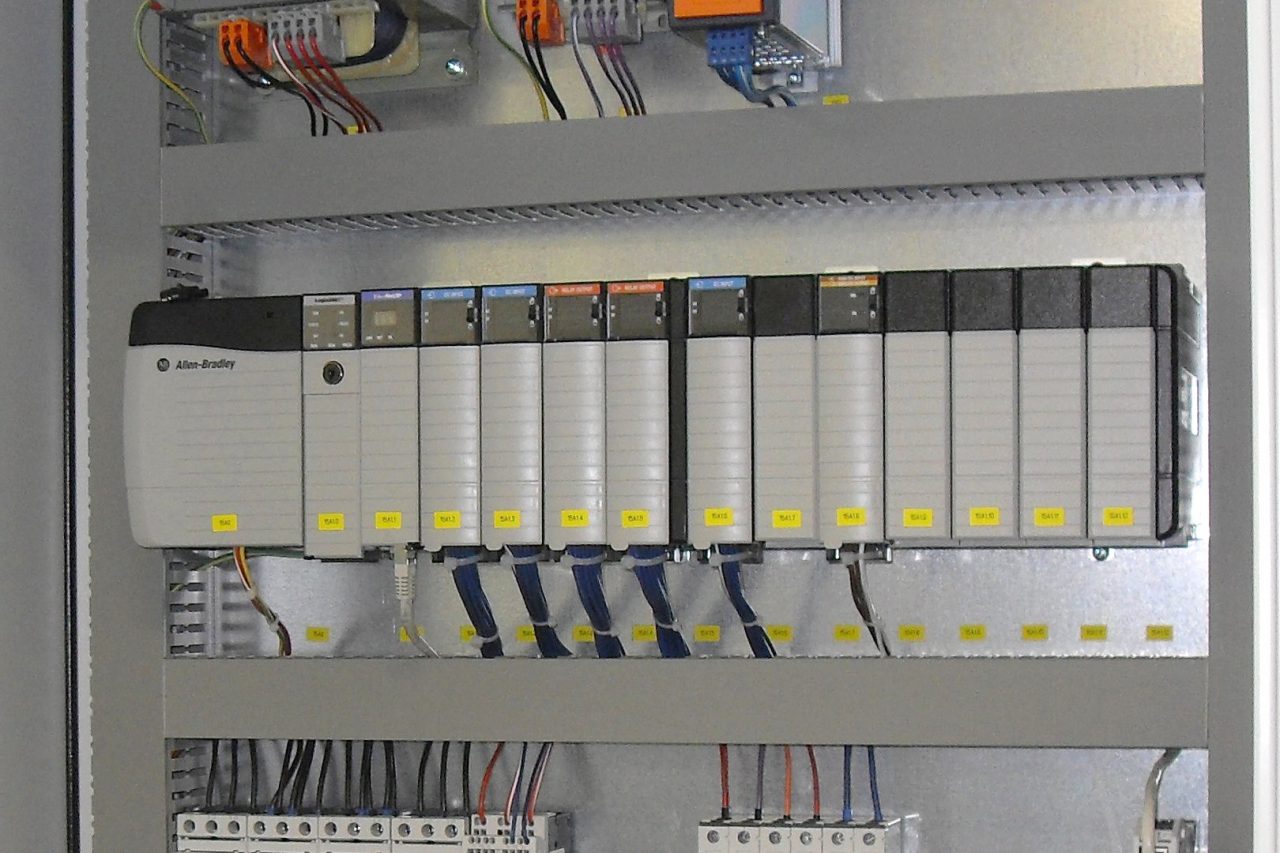
A legacy PLC system can be defined as a PLC control system that’s based on outdated hardware or software but is still in use even though its underlying technology is no longer updated or supported by the original developer. The technology can be just a few years old, but as soon as it starts to substantially slow down daily business operations, prevent seamless integration of new features, or hinder business expansion, then such a PLC can be considered a legacy system.
Essentially, a PLC system becomes a legacy control solution for the following reasons:
- It no longer receives regular security updates as well as technical or maintenance support from its original manufacturer.
- It’s not compatible with current programming terminals, communication networks, and industrial machinery/processes.
- It does not enjoy new technologies and advanced design features of more recent PLC versions.
- It’s slow and lagging because it lacks the updated features and system integration to optimize performance.
- It is no longer available for purchase.
- It depends on an outdated or obsolete operating system to run and maintain.
- It requires control engineers with largely outdated technical skill sets to operate and maintain, who may have retired or moved on to different technology stacks. Hence, they’re difficult to find and costly to employ.
- Its spare parts are extremely difficult to acquire, and its repairs take too long in comparison with those of new PLC systems.
- Its maintenance is overly expensive and time-consuming.
- It includes extensively patched software and heavily fixed hardware because it’s been in the hands of several developers as they try to keep it up to date.
- It’s usually a great struggle (or even infeasible) to adopt new network infrastructure.
- It is overexposed to more cybersecurity threats, as cyber-attackers have had ample time to uncover its security vulnerabilities, and it cannot be scaled up to meet modern cybersecurity protocols and standards.
- It presents a whole lot of potential system integration and standards compliance issues.
What Does Upgrading a Legacy PLC System Entail?
A legacy PLC system upgrade introduces new software and hardware features, modern control system architectures, and advanced network infrastructures, among other innovative technologies. It specifically involves either installing a more recent PLC programming software to replace an outdated one (software upgrade) or adding new components to existing PLC hardware (hardware upgrade). In essence, the upgrading process seeks to improve system productivity, enhance PLC efficiency, and create a safer workplace using the latest automation technologies.
Depending on your application requirements, the extent of a legacy PLC system upgrade strategy can range from optimizing an existing functional PLC code, replacing the legacy PLC architecture with a brand-new PLC system, writing new code from scratch in the new PLC hardware and software platform, performing a complete controller I/O rework, implementation of swift and reliable hardware changes using conversion kits, or migrating to a new control environment.
When Should You Consider Upgrading a Legacy PLC System?
Not all legacy PLC systems are obsolete (unused) technologies. Actually, most legacy PLC systems are usually in good working condition even if they’re outdated, and industries will often prefer to continue using such systems in their day-to-day control operations as any replacements or changes may cause an interruption in the normal functionality of an industrial automation system.
So when is the right time to upgrade your legacy PLC system? Is it after skipping a few software updates? Is it when the system is more than five years old? The answers to these questions may be a little bit more complex than just the age of your PLC system because, as opposed to a common idea, a legacy PLC system requiring an upgrade does not necessarily have to be old. Here are the common signs to look for when assessing the need for upgrading a legacy PLC system:
- The legacy PLC hardware is frequently failing to meet the critical demands of an industrial process and to support core plant operations as it is meant to.
- The serial industrial communication networks of the legacy PLC are too slow for current data rate requirements.
- There is a need to expand the controller I/Os, but the legacy PLC design cannot support additional I/O load.
- The hardware aftermarket parts for the legacy PLC are becoming very expensive to buy or impossible to find.
- The original equipment manufacturer no longer provides technical support for the legacy PLC model under consideration.
In addition, you can consider upgrading your legacy PLC system as an integral part of a long-term preventive maintenance strategy or if you want to update the technology of the legacy PLC with state-of-the-art automation technology for optimized system performance.
Note: With the astounding pace at which automation technology is evolving, modern PLCs are keeping up by incorporating several technology upgrades pertaining to processing power, network connectivity, and peripheral devices. As a result, several manufacturing industries have extended their PLC upgrading cycles, meaning they let their legacy PLC systems manage essential production operations until a problem starts to surface. Once the problem becomes apparent, then a system upgrade is implemented.
The Pros of Upgrading a Legacy PLC System
A) Enhanced System Performance and Productivity
Slow and lagging antiquated legacy PLC systems tend to hamper the performance of the industrial systems they control. Also, using and maintaining legacy PLC systems can cause a huge decline in system performance and productivity due to their limited control capabilities and frequent operational problems.
In contrast, today’s PLCs present exceptional levels of processing power, which opens up the possibility of implementing more control functions in the upgraded PLC system for enhanced system performance and productivity beyond what legacy PLCs can achieve. Moreover, the high processing capacity of modern-day PLCs ensures that users have enough reserve to handle future automation improvements.
In addition, many legacy PLCs do not have the functionalities to improve control system availability. But today’s PLCs do support functionalities like processor redundancy, redundant power supplies, and network redundancy, all of which, collectively and individually, contribute to improved control system availability. This also gives users the flexibility to select the level of availability improvement they want to implement in their new PLC system, in alignment with the criticality of the industrial operations the upgraded PLC system is intended to control.
B) Improved Security
Many PLC manufacturers no longer support their legacy PLCs, so most of the existing legacy PLC systems do not receive regular security updates and patches. The absence of periodic security updates and non-compliance with current cybersecurity standards makes legacy PLC systems less resistant to data breaches and cyber-attacks compared to modern PLCs. They are a prime target for hackers and cyber attackers who can easily gain access to them because such PLC systems are usually antiquated and susceptible. All these could impair a company’s ability to operate safely and effectively.
An upgrade to a more modern PLC system with regular security updates that complies with present-day cybersecurity standards can help mitigate the risks of cybersecurity attacks and secure important company data.
C) Enhanced Capability
Manufacturing facilities that continue to utilize legacy PLC systems often encounter compatibility issues, as the legacy PLCs need to get synced with the latest automation technologies and software tools. They also struggle to adopt new control system architectures and IT infrastructures. But after upgrading your legacy PLC system, the new PLC will be up-to-date with the ever-evolving industrial automation technologies. All while allowing seamless integration. Also, introducing advanced control technologies can improve the functionality of your new PLC system and enhance its software user-friendliness and compatibility with other platforms.
D) Improved Repair Time
Once a PLC manufacturer discontinues maintenance support for a legacy PLC–a key element that contributes to repair time–the availability of PLC hardware spare parts starts getting affected. In time, aftermarket hardware replacement parts enter the equation, and while many aftermarket suppliers are committed to high-quality standards and reliable customer service, some are not. This brings about quality and compatibility issues, or even counterfeit PLC spare parts, which introduces new risks of unplanned PLC system downtime. However, upgrading to the latest generation of PLC systems restores spare parts availability from trustworthy suppliers to normal levels for current as well as future repair needs. This helps improve the time to repair. In addition, present-day PLCs do support hardware replacements while the control system is still online. This also significantly reduces repair time.
E) Reduced Maintetance Expenses
Reports indicate that manufacturing companies spend substantial time and financial resources in maintaining legacy PLC systems. This not only hinders the companies’ ability to realize their primary objectives aimed at increasing their Return on Investment (ROI), but it also doesn’t get to be any better. Because as legacy PLC systems age, they tend to develop peculiar operational problems, which means that their maintenance expenses will only increase over time. But by upgrading your legacy PLC system, you can considerably reduce operational and maintenance expenses in many ways.
One, installing new PLC hardware allows for a clean and complete break from obsolete PLC hardware without experiencing any immediate operational problems. Also, modern PLCs include advanced control infrastructures that are well networked so that configuration, diagnostics, and troubleshooting management can be done from a central control point, vastly reducing maintenance downtimes and related costs. Unlike in some legacy PLC systems where diagnosing and troubleshooting require plant operators to go through the PLC’s control infrastructure node by node, which can be costly in terms of labor and production downtimes.
Moreover, today’s PLCs do reduce the risks of unplanned downtimes with better connectivity, visibility, and diagnostics, making it increasingly possible for operators to fix malfunctioning PLC components before they break down. In fact, these PLCs provide predictive diagnostics into some of their most susceptible components, like the power supply, which helps anticipate and avoid major system failures and associated costs.
F) Better Hardware
A major concern of legacy PLC systems is their dependence on proprietary hardware and software. This limits their ability to be customized to meet the needs of different end users. On the contrary, most modernized PLC systems are based on open hardware technologies, which eliminates all ties to proprietary hardware components and drastically increases system upgrade options. This, in turn, allows system integrators and control engineers to choose the PLC hardware upgrade that will enable them to best meet the goals and needs of their automation applications.
G) Improved Operational Profitability
Historically, legacy PLC system upgrades have been perceived as having a low Return on Investment (ROI), particularly when looked at from an “If it’s working, don’t touch it” lens. However, modern-day automation technology is changing all that, with manufacturing stakeholders realizing that they can obtain much greater profits by upgrading and modernizing existing legacy PLC systems.
For example, upgrading to a more powerful PLC system can raise the production value of an industrial process by leveraging enhanced connectivity to monitor vital process control variables in real time or to shorten manufacturing lead times. Also, a PLC controller featuring advanced connectivity may reduce energy costs in a production facility by enabling real-time monitoring and control of energy consumption in the facility. In addition, up-to-date PLC systems can help realize operational profitability through improved feed control and better production cycle times which bring about significant reduction in product reworks and raw material wastage.
H) Future-Proofing
Upgrading a legacy PLC system sets the stage for future-proofing your new control system. Because should failure occur after the upgrade, you have the option to choose replacement hardware from multiple suppliers along with OEM-supported or off-the-shelf spare parts. Also, since today’s PLC hardware is so robust, it’s likely to receive future enhancements from original manufacturers. Additionally, for future upgrades, you may not be required to upgrade the entire PLC hardware because almost all modern PLCs are designed for upgrades, so you’ll probably just have to upgrade the software. This will enable you to keep up with the constantly changing automation and cybersecurity technologies in order to scale up your control operations and ensure business continuity.
Cons of Upgrading a Legacy PLC System
A) High Costs
Even though maintaining a legacy PLC system can become very costly in some cases, the costs of upgrading to a modern PLC system can also be very high. It is, therefore, important for users to properly assess and plan the upgrading process to avoid unnecessary costs. Also, instead of investing in high-end automation technologies for PLC upgrading purposes, you may consider standards-based PLC technologies as long as they meet your application needs. Because if the initial investment of upgrading a legacy PLC system is too much, it may be difficult for you to achieve a high Return on Investment.
B) Overly Time-Consuming
The process of upgrading a legacy PLC system can be quite involving and time-consuming, particularly when a complete controller I/O rework is required to minimize dependency on obsolete PLC hardware. Therefore, the legacy PLC system upgrade should be planned carefully to reduce system downtime to within a tolerable maintenance window. This can be done by using a phased approach where you upgrade one PLC component at a time. For example, you can start by installing a new software platform and writing a new PLC code, then upgrade to a new HMI terminal before finally carrying out a comprehensive I/O rewiring.
C) Data Loss
Loss of process data is a critical issue and one of the most common causes of concern when planning a legacy PLC system upgrade. Data loss during a PLC system upgrade often occurs when process control information is accessible in the legacy PLC system but is not accessible in the new PLC system after the upgrading process. This type of data loss can be bad for an enterprise in terms of both economic and reputation damage.
Thus, data protection during a legacy PLC system upgrade is crucial to ensure that all process data is migrated properly without any losses. This can be achieved by making sure that all the data stored in the legacy PLC system is extracted securely, ensuring compatibility between old and new data formats, and taking time to test and review the data before the system upgrade.
D) User Adaptability Issues
Legacy users are normally comfortable with their outdated PLC control systems, especially when the systems are in good working order. Hence, some of these users may be reluctant to change while others might find it difficult to adapt after a legacy PLC system upgrade. In order to overcome this challenge, you should consider user feedback when planning an upgrade to a new PLC system; ensure that all parties feel involved to some extent in the upgrade process.
Also, after upgrading the legacy PLC system, be sure to organize a training session to explain the hardware and software features of the new PLC system, its advantages and drawbacks, the shortcut updates on the new software platform, and the changes that your enterprise can realize through the system upgrade.
Note: If user adaptability issues are not resolved properly, a legacy creep can arise, which leads to low productivity due to a lack of user interest in the workflow.
DO Supply Inc. makes no representations as to the completeness, validity, correctness, suitability, or accuracy of any information on this website and will not be liable for any delays, omissions, or errors in this information or any losses, injuries, or damages arising from its display or use. All the information on this website is provided on an "as-is" basis. It is the reader's responsibility to verify their own facts.