Sustainability and Industrial Automation: How Technology is Making Manufacturing More Eco-Friendly
The effects of climate change are all too real—rising temperatures, melting glaciers, rising sea levels, and more extreme weather patterns. For many businesses today, the challenge is to reduce their carbon footprint while still making money. Industrial automation can be a vital part of this solution by helping companies lower costs and improve sustainability in the process. Automation helps make companies more efficient by streamlining processes so less energy is used in production. Additionally, automating tasks eliminates manual labor, reducing labor-related emissions such as travel from commuting or other activities associated with human operations. By understanding how industrial automation works and leveraging it correctly for sustainable growth goals – businesses may create a meaningful solution to combating climate change that has tangible results both now & into the future!
Understanding the Role of Automation in Promoting Sustainability
Industrial automation has revolutionized manufacturing processes, streamlined operations, and made production faster and more efficient than ever before. Automation systems incorporate sensors, PLCs, and SCADA systems that can be programmed and executed to perform tasks with greater precision and reliability. However, the benefits of automation go beyond improving productivity and reducing costs.
Firstly, industrial automation reduces the environmental impact of manufacturing. By automating processes, factories can optimize resource consumption, effectively reducing energy and material waste. Sensors and other monitoring systems can track usage patterns and predict future needs, enabling automated systems to adjust operations accordingly. Automation systems can also optimize production cycles to minimize idle time and reduce energy consumption. As a result, the environmental footprint of industrial processes can be significantly reduced, contributing to sustainability goals.
Secondly, automation technologies promote ethical production practices. For example, automated systems can help companies adhere to strict quality standards, ensuring that products are made consistently and ethically. Automated systems can also help companies maintain traceability, tracking raw materials from the source to the finished product. This level of transparency empowers companies to monitor compliance with environmental and labor regulations, ensuring ethical practices throughout the supply chain.
Finally, automation can promote the circular economy by enabling the recovery and reuse of materials. As environmental concerns grow, businesses seek ways to reduce their dependence on scarce natural resources. With automation systems in place, companies can recycle and reuse materials more efficiently, thereby decreasing waste and reducing the need for new resources. Furthermore, automation can facilitate the reverse logistics of products, enabling the recovery of end-of-life products and their integration into production processes.
Leading car manufacturers such as BMW, Ford, and Toyota have implemented automation systems to improve manufacturing processes while reducing environmental impact. BMW’s Leipzig factory, for instance, has installed automated technologies that enable the recovery and reuse of materials such as steel, aluminum, and plastics. This has led to a significant reduction in waste and enabled BMW to reuse more than 70% of materials in the production process.
Overall, industrial automation plays a critical role in promoting sustainability. Through resource optimization, ethical production practices, and the circular economy, automation has the power to revolutionize manufacturing for the better. As technology advances, it is exciting to see how automation will further transform the industry and lead to a more sustainable future.
Automation Improves Energy Consumption and Reduces Carbon Emissions
Automation technology has significantly improved energy efficiency and reduced carbon emissions by simplifying complex processes, optimizing energy usage, and providing real-time monitoring and control capabilities. Here are some fascinating details and facts:
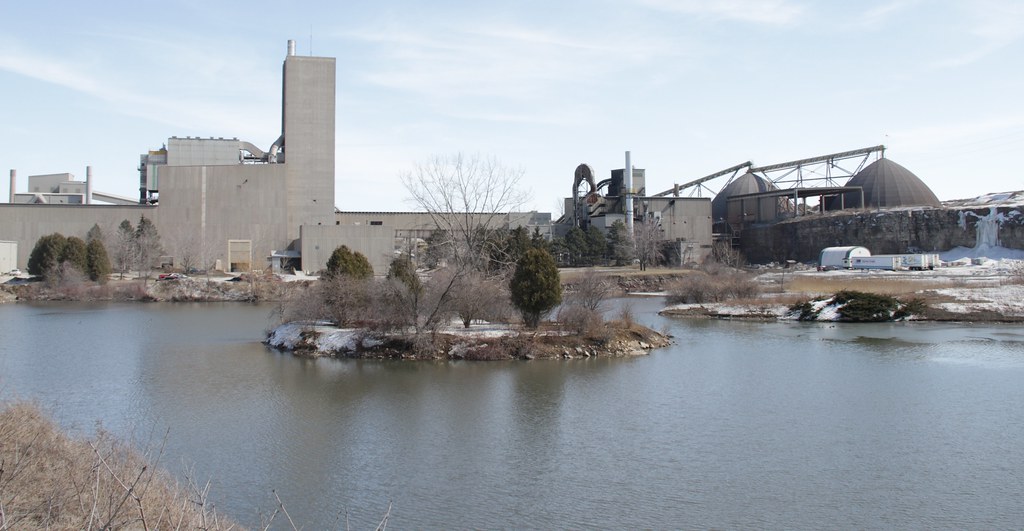
- Smart sensors and controls: Automation systems use high-tech sensors and controls to monitor and manage energy use. These sensors can detect environmental changes, such as occupancy levels or temperature, and adjust energy consumption accordingly. This means that energy is only used when necessary, thus reducing waste and conserving resources.
- Energy-efficient buildings: Automation systems can also be used to manage and maintain the energy efficiency of buildings. These systems can control heating, ventilation, and air conditioning, responsible for up to 40% of a building’s energy use. By optimizing these systems, automation technology can reduce carbon emissions and electricity bills.
- Renewable energy integration: Automation technology can integrate renewable energy sources like solar panels and wind turbines into the power grid. The technology can manage energy storage, monitor energy production, and adjust energy usage to accommodate the fluctuating output from these sources. This not only reduces carbon emissions but also supports the growth of the renewable energy industry.
- Real-time optimization: Automation technology can continuously optimize energy use in real time, providing a detailed analysis of energy consumption patterns. This helps identify areas where energy use can be reduced, further contributing to carbon emissions reduction.
Automated Systems Can Help Reduce Water Usage and Promote Recycling
Automation has revolutionized the modern world in numerous ways, from simplifying repetitive tasks to advancing industrial processes. However, the benefits of automation go beyond mere efficiency gains. Automation can help reduce water usage and promote recycling, thereby addressing the environmental sustainability challenges that we face today.
Firstly, automation can facilitate the implementation of intelligent water management, where advanced algorithms are applied to monitor, control, and optimize the use of water in industrial and commercial processes. This is achieved by the integration of sensing technologies, such as IoT sensors, which accurately capture data on water usage levels, water quality metrics, and pressure variations. This data is then processed by advanced analytics platforms that use predictive modeling and machine learning to optimize water usage patterns, identify drought-prone areas, and reduce water leakage in pipes, among other benefits. By automating water management, industries can save up to 20% of water usage, translating into significant cost savings and environmental benefits.
Secondly, automation can help promote recycling by enabling the creation of closed-loop systems, where resources are used efficiently and waste is minimized. This is achieved by implementing automated sorting systems that apply advanced image recognition and machine learning algorithms to identify and separate different types of recyclable materials. Automated sorting systems are faster, more accurate, and more reliable than manual sorting methods, reducing both labor costs and contamination rates. Moreover, automation can enable more significant recycling efforts using robotic systems that can deconstruct and reassemble products, turning them back into raw materials for new products.
Lastly, automation can also help mitigate pollution levels by monitoring and addressing sources of pollution in real-time. For instance, air pollution sensors, which can be deployed in cities and industrial parks, feed data into machine learning algorithms that generate alerts and recommendations to minimize pollution levels. Furthermore, automation can help prevent oil spills by enabling unmanned aerial vehicles (UAVs) and autonomous underwater vehicles (AUVs) to monitor pipelines and oil rigs. These UAVs and AUVs can detect anomalies, leaks, and other issues before they escalate, reducing costly accidents and protecting the environment.
Automation Can Be Used to Manage Transportation Needs for Cleaner Air Quality
Automation is a game-changer in the transportation industry, especially when managing transportation needs for cleaner air quality. By implementing smart systems and artificial intelligence (AI), we can reduce carbon emissions, optimize routes, and improve transportation efficiency.
One real-world example is the use of autonomous electric buses in cities. These buses can be programmed to follow optimized routes that minimize energy consumption, reduce emissions, and avoid areas with high traffic congestion. They can also be equipped with sensors that detect air quality levels, adjusting their speed and route to decrease pollution in heavily populated areas.

Another way automation can be used to manage transportation needs for cleaner air quality is through intelligent traffic management systems. These systems use data analysis, machine learning, and artificial intelligence to analyze traffic patterns and optimize traffic flow. This helps reduce the amount of idle time vehicles spend on the roads, ultimately leading to reduced emissions and cleaner air quality.
A real-world example of this is the Adaptive Traffic Control System (ATCS), implemented in many major cities worldwide, including Los Angeles, Sydney, and London. ATCS uses real-time traffic data and analytics to optimize traffic signal timings, reducing congestion and emissions while improving traffic flow.
Moreover, the logistics industry is embracing automation to reduce costs and increase efficiency, which significantly impacts the environment. Smart logistics systems with AI algorithms can optimize the delivery routes of fleets, reducing fuel consumption and carbon emissions. Companies like UPS are already using this technology to decrease their environmental footprint by up to 20%.
Eliminating Waste and Promoting Sustainable Manufacturing
The use of automation in manufacturing has significant potential to make the production process more sustainable by reducing material waste. With the constant increase in demand for goods, the manufacturing industry is becoming more and more responsible for the depletion of natural resources and environmental pollution. However, with automation, we can drastically reduce the environmental impact of manufacturing and make the process more sustainable.
One of the most significant benefits of automation is the ability to optimize material usage. Topology optimization, for example, is a cutting-edge technique that can help manufacturers reduce the number of raw materials used during production. This method involves using computer algorithms in CAD software, such as Inventor or Solid Works, to generate the most efficient design for a particular object, ensuring that only the required amount of materials are used in production. Not only would the part be lighter, but it would retain its physical strength in high-stress spots while eliminating excess materials. German car manufacturer Porsche has used this very same technique during their 3D printed piston experiment. Topology optimization has led to a 10% weight saving and significantly improved their 911 GT2 RS performance. In this way, topology optimization reduces production costs and minimizes material waste, making the manufacturing process more sustainable.
Another way that automation can contribute to the sustainability of manufacturing is by enabling the use of recycled materials. Traditionally, recycled materials were not always viable for use in manufacturing because of concerns about quality and consistency. However, automation has advanced to a point where it can be used to process recycled materials efficiently and ensure the consistency of quality in the finished product. This reduces the demand for raw materials and the amount of waste generated during production.
In conclusion, automation has the potential to make manufacturing sustainable by reducing material and waste, and topology optimization is just one example of cutting-edge technology that can help achieve this. By using automation to optimize material usage, reduce waste, and enable the use of recycled materials, manufacturers can create a more sustainable future for all. With the continuous advancement of automation technology and its integration into the manufacturing industry, we can look forward to a brighter, more sustainable future.
Final Thoughts
We can confidently say that industrial automation is helping us combat climate change in remarkable ways. With the introduction of smart factories and intelligent systems integration, we are witnessing a new and exciting era of sustainable manufacturing that offers hope for a better future. By reducing wastage, conserving energy, and optimizing processes, automation is helping businesses cut down their carbon footprint and actively contribute towards a greener planet. As companies embrace this technology, we can look forward to a world where industrial growth and environmental responsibility are not mutually exclusive. It is truly an exciting time, and we can take pride in knowing that we are positively impacting our planet, one automation system at a time.
DO Supply Inc. makes no representations as to the completeness, validity, correctness, suitability, or accuracy of any information on this website and will not be liable for any delays, omissions, or errors in this information or any losses, injuries, or damages arising from its display or use. All the information on this website is provided on an "as-is" basis. It is the reader's responsibility to verify their own facts.