Accuracy in Output: How Automated Sorting Systems and Palletizers Can Dramatically Increase Accuracy
Introduction
In manufacturing automation, where improved efficiency and increased productivity are of prime importance, manufacturers are turning to automation technologies to maintain consistency in production quality, improve efficiency, minimize waste and losses in productivity, save time, and cut costs.
Such automation technologies include automated material handling systems like automated sorting systems and palletizers that have become a critical integration in production and assembly lines, revolutionizing how products are stacked and organized to streamline warehouse operations, increase shipping accuracy, and improve inventory control in supply chains.
In this article, we’ll look at Automated Sorting Systems and Palletizers, their basic principles of operation, the various types, their benefits, and how they can dramatically increase output accuracy.
What are Automated Sorting Systems?
Sorting is simply the process of organizing items systematically, using a predetermined criterion, to classify and group identical items and single out non-conforming items for further inspection or removal. The choice of a sorting solution is determined by the type of items to be sorted, the sorting criteria, sorting speed and accuracy, and the number of categories into which the items are to be sorted.
Automated sorting systems are computerized material handling systems used to identify and classify individual items on a conveyance system based on a specific sorting criterion, such as by weight, texture, shape, color, or identifying tags, and then directing the classified items to correct destinations within a facility.
These systems use various automation technologies like Artificial Intelligence, computer vision, automated conveyor systems, advanced sensors, and robotics to quickly and accurately identify and group the items. They are commonly used in manufacturing, logistics, recycling, and retail industries, where there’s a need to organize large quantities of items accurately and efficiently. Below is a discussion of the basic operating principles, mode of operation, various types, and benefits of these systems:
Basic Operating Principles
Automated sorting systems work on several principles that vary depending on the application. Some of these principles include:
- Sensing Technology: Automated sorting systems use detectors and advanced sensors such as weight sensors, camera sensors, barcode scanners, RFID (Radio, Frequency Identification) sensors, or lasers to collect information about the items to be sorted.
- Data Processing: The collected data on the items is processed through task-specific software and algorithms to interpret and identify features or characteristics specified on the sorting criteria.
- Actuation Mechanisms: Software-controlled robotic arms, conveyor belts, mechanical actuators, or air jets used to physically move the sorted items to their designated locations as directed by the sortation systems.
Mode of Operation
The operation of a typical automatic sorting system entails the following steps:
- Item Identification– The system identifies the items through data input from identifying tags, barcodes, or sensors.
- Data Analysis– The gathered information is processed to determine the criteria for sorting the items, i.e., by size, shape, color, product type, or weight.
- Decision Making- The system then determines the appropriate destination for each item based on the sorting criteria.
- Item Diversion- The automatic sorting system redirects each item to its designated location using mechanical actuators, robotic arms, conveyor belts, or air jets.
- Quality Control- This feature is only available in some automated sorting systems where quality control mechanisms are implemented to detect faulty or damaged items and divert such items to a different destination for further inspection or removal.
Types of Automatic Sorting Systems
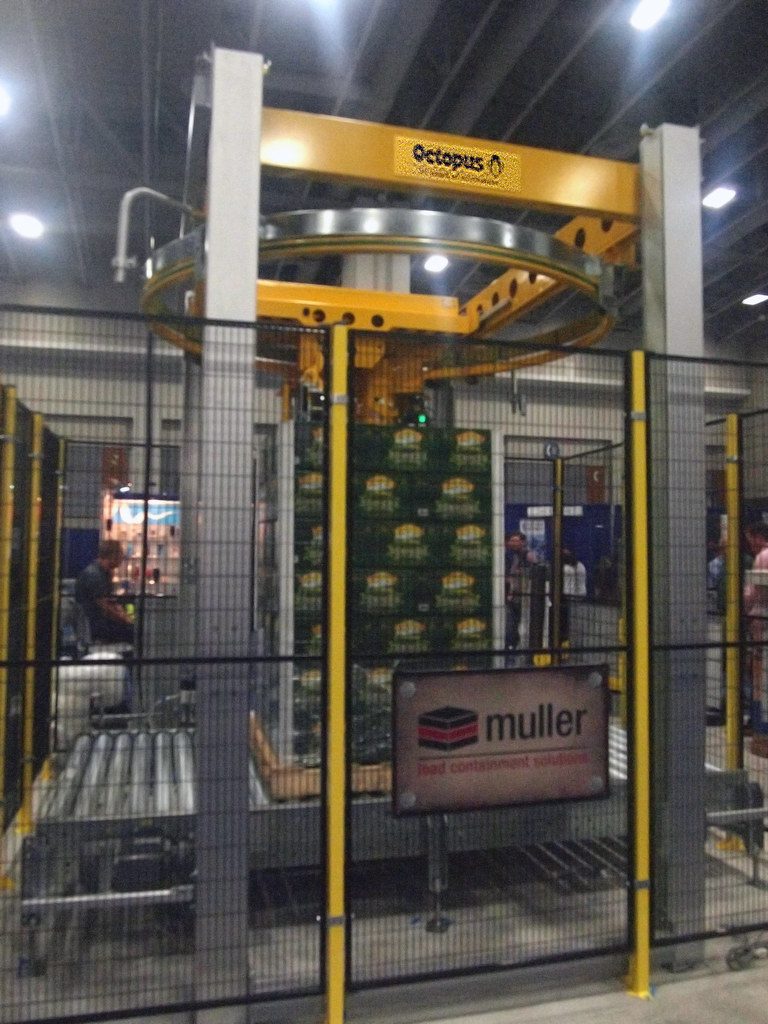
In general, automatic sorting systems are divided into two categories: (i) Case Sorters, which sort and transport full stacks, entire cases, or cartons of products from one point to another inside a facility, and (ii) Unit Sorters, which sort and transport individual items within a facility.
Case Sorters
- Pivoting Arm/Paddle Sorter: This sorter comprises one or more pivoting arms situated along a conveyor system. When the arm is actuated, it pivots into position, redirecting and sorting an entire product case onto a secondary takeout conveyor. Paddle sorters are mainly employed in the shipping sortation industry.
These sorting systems are designed to minimize the manual handling operations needed in processing product orders and shipping requests to reduce the total customer order cycle time and allow the allocation of human resources to other high-end tasks. Examples of case sorters:
- Pop-up wheel/Belt/Roller Sorter: This type of sorter comprises embedded rollers, wheels, or belts that “pop up” to lift or move goods at a 90- or 30-degree angle onto a downstream conveyor.
- Pusher Sorter: This sorter is made up of one or more pneumatically actuated pushers attached to a belt conveyor. When actuated, the pusher extends to the primary conveyor at a 90-degree angle, successfully diverting an entire case or carton of products into a chute or secondary conveyor for additional processing.
Unit Sorters
Unit sorters are automated sorting systems designed to classify individual items of varying sizes and shapes accurately and at high speeds. They allow distribution centers and warehouses to achieve greater operational efficiencies through improved order selection, packaging, and outbound/inbound shipping sortation. Here are several examples of Unit Sorters:
- Pouch/Pocket Sorter: This unit sorter comprises a succession of bags or pouches that dangle from an overhead trolley (one bag/pouch per trolley). Pouch sorters are frequently used in warehouse pick stations, where objects are picked in batches into pouches (one unit per pouch). Some pouch sorters store products in carousel-style loops from where they can be pulled automatically for order fulfillment operations.
- Garment-on-Hanger (GOH) Sorter: This sorting system is designed to handle high-speed sorting and distribution of clothing; it can sort up to 13,000 units of hanging garments per hour. It greatly resembles the pouch sorter, with the only key difference being that its overhead trolley conveys garments on hangers rather than in pouches.
- Tilt-Tray Sorter: It comprises trays attached to a sequence of carts linked together to form a train of trays that transport products and run in a continuous loop.
- Crossbelt Sorter: This sorter is equipped with a semi-automatic or fully-automatic infeed system that sorts unit products by diverting them into outfeeds such as roll cages, bag racks, or chutes using a tiny conveyor belt that moves at a right angle to the floor of the conveyance loop. When the belt is triggered, the product is transferred/pushed off the loop (primary) conveyor into an outfeed or a takeaway (secondary) conveyor.
- Push Tray Sorter: It comprises trays mounted onto carts transporting products on a continuous-loop conveyor. It makes use of push bars to divert the product.
Benefits of Automated Sorting Systems
Automated sorting systems offer several advantages over their manual sorting counterparts, including:
- High Accuracy and Precision- These systems can attain high levels of consistency and accuracy in sorting, error reduction, and ensuring that items arrive at their precise destinations.
- Increased Efficiency– Compared to human workers, automated sorting systems can sort items at a very high speed, which improves productivity while reducing the processing time.
- Reduced Human Intervention– Automation reduces reliance on human input in sorting systems, leading to higher throughput and reduced potential bottlenecks.
- Improved Data Collection and Analysis– Automated sorting systems can collect insightful information about the sorting procedure for process improvement, quality assurance, and better inventory management.
- Ability to Handle Diverse Items– These systems are adaptable to a variety of applications as they can handle a broad range of item sizes, shapes, and materials.
- Labor Cost Savings– Automation of sortation processes can result in great reductions in labor costs since only a few workers are needed to oversee the performance of sorting operations by computerized machines.
- Enhanced Workplace Safety– Automating the sorting processes can significantly reduce manual and repetitive sorting tasks that pose substantial risks to human workers.
What are Automated Palletizers?
Palletizing is stacking and packaging large quantities of identical products into pallets for efficient shipping, storage, and improved inventory control in supply chains. The products are stacked together per weight and in a pattern that enhances product integrity and pallet stability.
The main objective of palletization is to safeguard merchandise, i.e., ensuring that the products are in perfect condition throughout the supply chain until they reach the end consumer. Below is a discussion of the basic operating principles, mode of operation, various types, and benefits of automated palletizers.
Basic Principles of Operation
- Automation: Automatic palletizers are semi-automated or fully automated material handling equipment that eliminates the need for physical labor in the palletizing process. This boosts productivity while lowering the danger of occupational injuries.
- Product Handling: They are designed to handle various products, including bags, boxes, bottles, cartons, and other items. They can work with products of various shapes, sizes, and weights.
- Layer Formation: Palletizers generate stable and uniform product layers on the pallets. The product layers are meticulously designed to maximize space usage and ensure load stability during transportation and storage.
Mode of Operation
- Product Infeed- Products are often fed into the palletizer system by a conveyor belt or other automated methods.
- Layer Formation- The palletizer puts the products on the pallet into layers. The layers can be generated row by row or in a simultaneous palletization pattern, depending on the type of palletizer.
- Pallet Stacking- When a layer is finished, the palletizer lowers the pallet, allowing the next layer to form. This technique is repeated until the appropriate number of layers is reached.
- Pallet Dispensing- Empty Pallets are dispensed and positioned so that the palletizer can stack products on them.
- Load Transfer- When the pallet is fully loaded, it is removed from the palletizer for further processing or storage.
Types of Palletizers
There are two main types of automated palletizing solutions: (i) conventional palletizers and (ii) robotic Palletizers. Conventional Palletizers include a series of conveyor systems and related trappings. As an item moves down the conveyor system, it is rotated and turned to an appropriate orientation before forming a product row at the end stop. The formed product rows are then pushed onto a layer-forming platform, in which layers of products are stacked onto a pallet.
Conventional palletizers are semi-automatic systems designed to palletize a single product type or one individual item at a time, unlike robotic palletizers, which are fully automatic and designed to palletize single or multiple product units in one go. Essentially, conventional palletizers offer very high rates of product palletization, while robotic palletizers offer higher levels of flexibility and repeatability.
A Robotic Palletizer is a computerized palletizer that employs a robotic arm programmed to pick, orient, and place individual items in a specified pattern on the pallet. It automatically builds up a single stack of load from individual items on conveyor belts. Full-layer robotic palletizers are equipped with sophisticated sensors and intelligent algorithms to automatically and simultaneously stack entire layers of products onto pallets, thereby speeding up the palletization process.
Benefits of Palletizers
- Improved Efficiency– Compared to manual labor, palletizers considerably increase the speed and efficiency of the palletizing process, resulting in higher production rates and shorter lead times.
- Savings on Labor Costs- Businesses can cut labor expenses and deploy human resources to other tasks that demand more expertise and creativity by automating the palletizing process.
- Improved Workplace Safety – Palletizers remove or reduce the need for heavy product manual lifting and handling, lowering the risk of workplace injuries and enhancing overall workplace safety.
- Maximum Optimization of Space- Palletizers precisely arrange products onto pallets to optimize space usage and ensure the load’s stability and security throughout transportation and storage.
- Higher Levels of Flexibility- Palletizers can handle a comprehensive range of items and pallet types, making them useful in many industries and applications.
- Accuracy and Consistency- Automated palletizers enable constant layer formations and proper stacking, lowering the risk of damaged products during transit and giving palletized loads a professional and uniform appearance.
- Increased Throughput- Palletizers can dramatically boost overall manufacturing and warehousing operations throughput by increasing production rates and reducing downtime.
How do Automated Sorting Systems and Palletizers Improve Output Accuracy?
Automated sorting systems and palletizers play a crucial role in dramatically increasing output accuracy across multiple industries, including manufacturing, food processing, logistics, and many more. Some of how these automation solutions contribute to enhancing output accuracy are discussed below:
Elimination of Human Error
Humans are naturally prone to making mistakes; hence, a certain level of human-related errors will always be noted, even when the very best workers are hired to perform a particular task. This is where automation comes in handy as it eliminates and reduces risks of human error by ensuring error-free completion of processes and tasks.
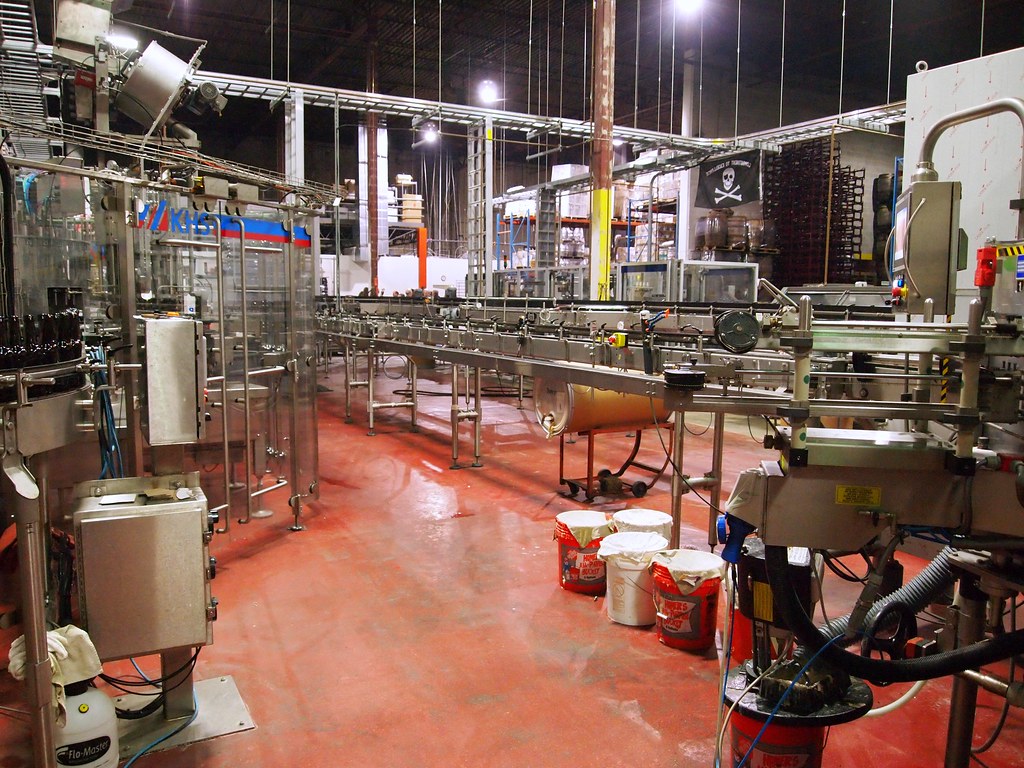
Automated sorting systems and palletizers minimize reliance on human labor for repetitive tasks such as sorting, picking, grading, and packaging, consequently reducing any chances of human error that mainly result from distraction, fatigue, or oversight. This, in turn, increases the accuracy of the sorting and palletizing processes, resulting in more accurate outputs.
Improved Precision and Consistency
Since automated sorting systems and palletizers incorporate advanced computer algorithms, scanners, and sensors in identifying, categorizing, and grouping items based on predetermined criteria, the result is a high level of consistency throughout the sorting and palletizing processes, with the items being diverted precisely to the required locations. This minimizes any risks of incorrect sorting or misplacement of products.
Higher Speeds and Increased Throughput
Automated sorting systems and palletizers are designed to handle a wide range of products faster than their manual counterparts. Therefore, even when unassisted by human operators, these systems can sort and palletize large amounts of items quickly and effectively. This results in increased manufacturing throughput, reduced throughput time, as well as accurate and timely order fulfillment.
Real-time Data Collection and Analytics
Automated systems often incorporate real-time tracking and data analytics capabilities. This allows for real-time monitoring of the entire sorting and palletizing processes, which assists in the timely identification of any potential issues or bottlenecks that may affect output accuracy. Immediate corrective measures can then be carried out to further enhance output accuracy.
Improved Efficiency and Reliability
Automated sorting systems and palletizers stack items carefully in an organized and stable manner, thereby reducing the risk of product damage or loss during storage or transportation. This helps ensure that products are delivered to end consumers in the intended condition.
Also, automatic palletizers are more accurate in placing products onto pallets. They can detect palletizing errors, such as wrong spacing between individual items and misaligned pallets, and adjust accordingly.
Increased Versatility
Sorting systems that are automated can be configured to sort items and products based on customized sorting criteria, such as size, weight, and shape, or based on data collected by barcode scanners or RFID sensors. This level of flexibility guarantees that the items will be accurately classified based on the specific needs of each order or shipment request.
On the other hand, robotic palletizers constitute a specially designed end-of-arm tooling (product gripper) that can be adapted to almost every palletizing application. From including suction cups (vacuum) to servo-electric, hydraulic, pneumatic, and magnetic product grippers, these palletizers are designed to effectively handle multiple types of items simultaneously, regardless of their different shapes.
Integration with other Systems
All automatic sortation and palletization technologies can be integrated with the warehouse execution system software that provides complete transparency to the warehouse inventory. This visibility ensures accurate tracking and control of inventory levels, eliminating inconsistencies between the recorded and actual quantities of goods in the warehouse. It also allows for accurate analysis of the most efficient shipping routes.
Around-the-clock Operation
Automated sorting systems and palletizers can function properly 24/7 without breaks, enabling manufacturing lines to run nearly continuously. This significantly increases the overall efficiency and productivity of a facility.
Better Traceability and Compliance
Automated sorters and palletizers can keep extensive records of sorting and palletizing activities, allowing for enhanced traceability and adherence to industry standards and quality requirements. This level of transparency adds to greater accuracy and dependability throughout a supply chain.
Overall, investing in automated sorting systems and palletizers can greatly increase the accuracy of your facility’s output through precise, consistent, and efficient sorting and palletizing of products at much higher speeds.
DO Supply Inc. makes no representations as to the completeness, validity, correctness, suitability, or accuracy of any information on this website and will not be liable for any delays, omissions, or errors in this information or any losses, injuries, or damages arising from its display or use. All the information on this website is provided on an "as-is" basis. It is the reader's responsibility to verify their own facts.