The Role of Inputs and Outputs in PLC Systems

An advanced computing device used to control electromechanical processes in industrial settings is called a programmable logic controller (PLC). Because of its primary purpose as a specialized industrial computing device, PLCs are frequently referred to as industrial PCs. By interfacing with sensors and input devices, the PLC gathers essential data, processes it, and executes predetermined commands to drive outputs efficiently. With its capability to analyze inputs and outputs, the PLC assumes various roles, such as monitoring and logging real-time data like machine productivity and operating conditions. It can autonomously initiate or halt processes and issue alerts in the event of machinery malfunction. Renowned for their adaptability, PLCs present a robust and flexible control solution that is suitable for a wide array of industrial applications.
PLCs revolutionized industrial automation by replacing traditional electromechanical relay controls. In scenarios where relays traditionally governed the operation of electric motors and other discrete output devices, the advent of electronic PLCs enhanced reliability and extended system lifespans. The reprogrammable nature of PLCs facilitated modifications to control system strategies, eliminating the need for laborious rewiring associated with relay circuits. Besides being flexible, PLCs have brought a whole new way of connecting and sharing data. Utilizing their computer-based architecture, PLCs enabled the transmission of process control data across networks, facilitating remote monitoring of process conditions and facilitating multiple operator stations. This big change helped industries work faster and smarter, making them more efficient and flexible than ever before.
Inputs and Outputs in PLC Systems
Every PLC is required to interpret signals from sensors, like switches and encoders, and to manage devices like solenoids, valves, and motors in the real world. This allows the PLC to respond to its environment and control various physical processes accordingly. This is commonly referred to as input/output or I/O. PLC inputs are made up of input modules, which gather data from field input devices and send it as voltage or current signals to the PLC processor (CPU). The CPU then processes this data alongside preprogrammed instructions. It utilizes output modules to control field output devices based on the outcomes of its programmed logic. Thus, PLC outputs are the instructions sent by the CPU to control real-world devices, following the user’s program stored in the RAM. They tell the devices what to do based on the program’s commands.
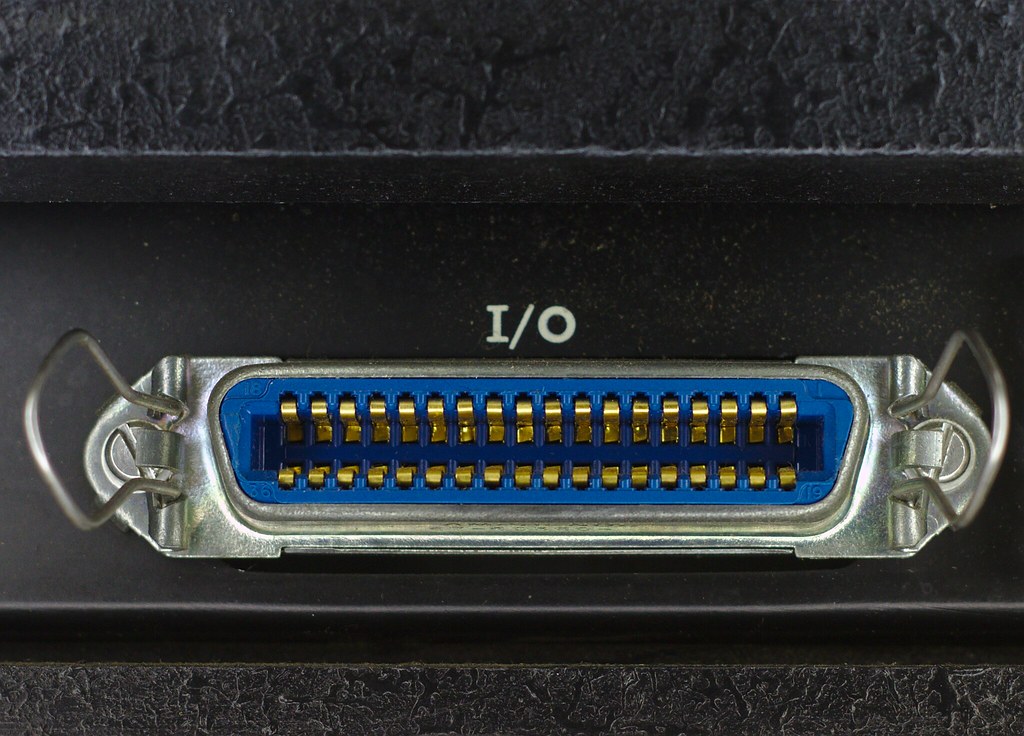
Digital Inputs
Discrete or digital PLC inputs receive signals from field devices that are either ON or OFF. A HIGH state is denoted by one, and a LOW state is indicated by 0, which is the basis of these signals in the binary system. Despite being represented by 1, in PLCs typically operating on 24 VDC, a HIGH signal is registered when the output voltage from the connected device reaches 24 VDC. The PLC system uses these binary inputs to determine the status of field devices, distinguishing between OFF and ON states.
Roles of Digital Inputs in PLCs
Digital input modules receive digital input signals from field devices and transmit them to the PLC system. These devices are critical in providing essential input data to the PLC for processing and control.
Start/Stop Push Buttons in PLC Control Panels
Start/Stop Push Buttons, commonly found in PLC control panels, serve to initiate or halt processes. They operate by either establishing or interrupting electrical contact. Normally Open (NO) and Normally Closed (NC) push buttons are two common types. A Normally Open push button connected to a digital input module creates an OPEN logic circuit, halting current flow. Conversely, connecting a Normally Closed push button to a digital PLC input module establishes a CLOSED logic circuit, permitting current flow.
Proximity Sensors in PLCs
Proximity sensors are vital components in PLC systems. They detect the presence or absence of nearby objects without physical contact by analyzing changes in emitted electromagnetic radiation or fields. Different types of proximity sensors are used based on the material properties of the targets they detect. For example, inductive sensors are ideal for detecting metal objects, while capacitive sensors excel at detecting plastic targets.
Proximity sensors, acting like switches, provide binary outputs and are often called proximity switches. For instance, when infrared light reaches the receiver of a photoelectric sensor, it switches from an OFF to an ON state. These sensors usually consist of an LED emitting infrared light and receivers like photodiodes or phototransistors. PNP and NPN proximity sensors are common digital input devices, offering either HIGH or low-voltage signals to PLC systems. A PNP sensor sends a HIGH signal when it detects an object and a LOW signal when there’s none. Conversely, NPN sensors give a LOW output when detecting an object but switch to HIGH when it moves away.
Limit Switches in PLC Systems
Limit switches are vital components in PLC systems, changing status when preset limits are met. The signal process halts in automated setups, offering versatility in limiting different physical aspects. This underscores their importance as digital inputs in PLC operations. The types of limit switches commonly used in PLC applications include.
Thermostats: Temperature limit switches, also known as thermostats, monitor temperature changes in PLC-controlled systems and indicate when preset temperature limits are met. Depending on the specific industrial requirements, they come in two varieties: normally closed (NC) or normally open (NO), and act as digital inputs for PLCs.
Level Limit Switches or Level Sensors: Level switches, crucial for maintaining liquid levels in tanks, are integral to PLC systems overseeing liquid levels alongside valves. They guarantee precise supervision and control of liquid levels, enhancing operational efficiency and safety within industrial settings.
Analog PLC Inputs
Analog PLC inputs are continuous signals from field input devices to the PLC CPU through analog input modules. These signals cover a wider range of values than simple binary inputs, allowing for more precise measurements. For example, analog input signals a PLC receives may vary between 12-bit and 13-bit, representing a diverse array of values. Analog input modules within PLC systems measure current and voltage signals within standard ranges like 0-20 mA, 4-20 mA, 1-5 VDC, and 0-10 VDC, ensuring accurate monitoring and control of industrial processes.
Roles of Analog Field Inputs in PLCs
Thermocouple Sensors
Thermocouples are temperature sensors utilized across various applications to detect temperature fluctuations. Consisting of two dissimilar metal wires, known as thermocouple wires, thermocouples are configured with one end joined to form a hot junction for temperature measurement. Changes in temperature at the hot junction result in the generation of a thermoelectric voltage, which is directly correlated with the temperature variations being measured. These thermoelectric voltage signals are typically small analog signals measured within the millivolt (mV) range. Despite their minute magnitude, properly configured thermocouples offer extensive temperature measurement capabilities across various values. Thermocouple sensors used in PLC control systems are known for their robustness, accuracy, and quick response times, making them reliable instruments for temperature measurement.
Temperature Detectors (RTDs)
Resistance Temperature Detectors (RTDs) are passive temperature sensors that change resistance in response to temperature changes. Unlike active sensors, which generate their own outputs, RTDs depend on an external excitation current to function. As such, they need external electronic devices to measure the resistive element’s resistance in the RTD. The external electronic device then interprets this measured resistance in terms of temperature. The RTD sensor’s resistance varies proportionately with temperature, allowing for accurate temperature measurement. RTDs exhibit superior stability, robustness, and accuracy compared to thermocouple sensors, making them a preferred choice for various temperature monitoring applications. Analog PLC inputs often utilize RTDs for precise temperature measurement in industrial environments.
Displacement Sensors
Displacement sensors, also known as position sensors, measure the position of a target object and the distance between it and a specified reference point. In industrial environments where accuracy is crucial, these devices function as analog field inputs and offer an array of displacement values to analog PLC input modules.
Common types of displacement sensors include.
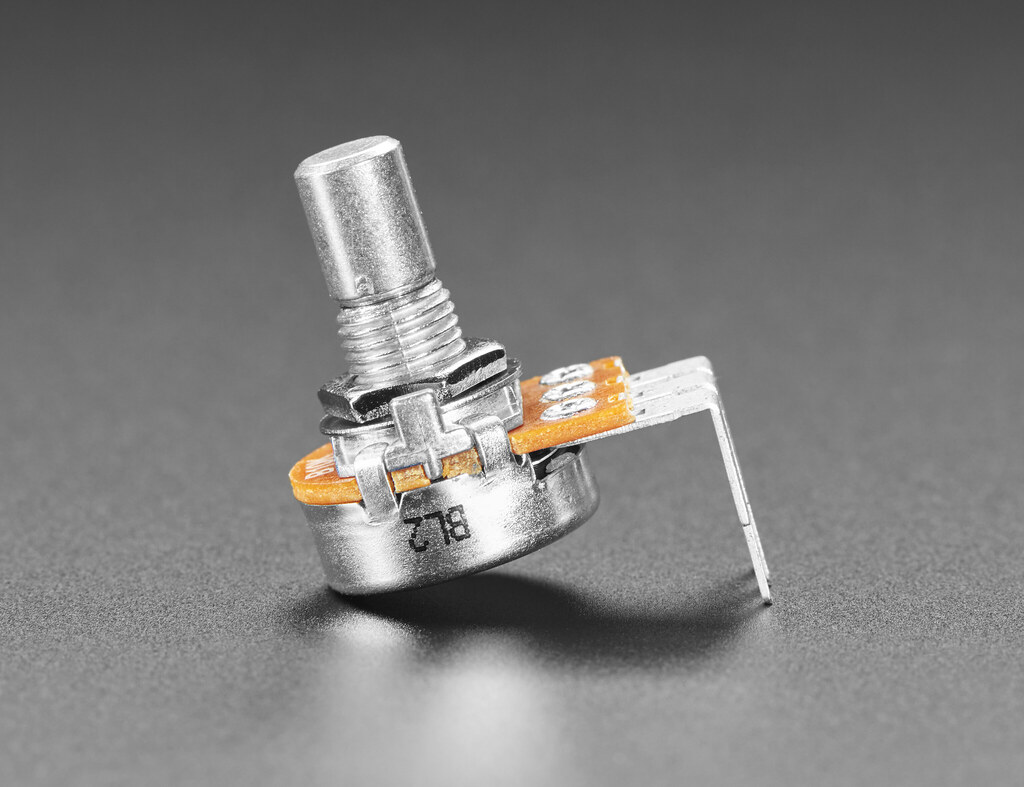
Rotary and Linear Potentiometers: These potentiometers indicate changes in target object displacement by applying Ohm’s Law principle. Variations in their output voltage correspond to changes in the target object’s distance. Rotary potentiometers are employed in PLC systems to measure angular distance, ideal for objects exhibiting rotational motion. Conversely, linear potentiometers measure the displacement of objects moving along a straight line.
Linear Variable Differential Transformer (LVDT): LVDTs, which act as electromechanical transducers, transform the rectilinear motion of a mechanically coupled target object into an electrical signal. These components are essential to PLC-controlled systems that require a steady AC voltage to depict changes in distance along a straight line.
Digital PLC Outputs
Digital PLC outputs connect the PLC brain and the devices in the real world, making it possible to control things accurately and automatically in factories and other places. These control circuits operate on binary data, transmitting processed signals in 1s and 0s to dictate the operational status of connected devices. Digital PLC outputs facilitate streamlined management of various processes by utilizing an ON or OFF control scheme, offering simplicity and reliability in controlling field equipment. By executing commands through binary signals, they empower the PLC to efficiently regulate field devices efficiently, enhancing operational efficiency and ensuring optimal performance in industrial environments.
Roles of Digital Field Output in PLCs
Digital PLC outputs increase automation and efficiency in industrial processes by providing flexible control over various field output devices. These devices include:
Indicator Lights: Indicator lights, like light bulbs or pilot lights, are easily controlled by digital PLC outputs. They offer straightforward visual feedback on machine or system status. For example, a red pilot light could signal a system malfunction, demonstrating the role of digital field output devices in PLCs.
Alarms: Level switches are vital in PLC systems and help regulate tank liquid levels by working alongside valves. They ensure accurate monitoring and control of liquid levels, aligning with the role of digital inputs in PLCs to facilitate efficient and safe industrial operations.
Actuators: Actuators convert electrical signals into mechanical motion and play a crucial role in executing commands issued by PLCs. Whether generating linear or rotary movement, actuators translate digital output signals into practical actions, facilitating precise control over various mechanisms within industrial setups.
Solenoid Valves: Solenoid valves in PLC systems control the flow of liquids or gases and are essential for fluid management. These electrically controlled valves open or close to regulate the flow of fluid. One of the main purposes of digital field output devices in PLCs is to adjust the valve by activating the solenoid, which also guarantees smooth system operation.
Analog PLC Outputs
Analog PLC outputs deliver continuous signals from the PLC CPU to field output devices, offering precise control over various industrial processes. These outputs typically provide current or voltage signals, enabling fine-tuning system parameters. Most PLC systems utilize analog output modules to provide voltage or current signals within predetermined ranges, like ±5 V, ±10 V, 0–5 V, 0–10 V, 0–20 mA, or 4–20 mA.
Roles of Analog Outputs in PLCs
Analog PLC outputs are crucial in controlling and operating field devices within industrial settings. To precisely control motor speed, they can be used, for example, to supply a speed reference signal to a Variable Frequency Drive (VFD). Similarly, an analog pressure meter can be connected as a field output device to display pressure readings and allow real-time monitoring of piping systems in applications where pressure measurement is critical. Analog PLC outputs are extensively useful in managing water levels, monitoring temperatures, and controlling various equipment and machinery. For instance, a temperature gauge can be operated using a 4–20 mA analog PLC output, covering a temperature range from -20°F (-28.89°C) to 200°F (-93.33°C). Likewise, an electric generator’s power output can be controlled at any point between 0 and 2000 kW (Kilo-Watts) using an analog PLC output that operates between 0 and 5V DC. This versatility demonstrates the wide array of field devices that benefit from analog PLC outputs in industrial applications.
Conclusion
Conclusively, the PLC systems revolutionize industrial automation, offering precise control and efficient management of electromechanical processes. Digital inputs and outputs enable the PLC to interpret signals from sensors and control devices in the real world, facilitating interaction with the industrial environment. From start/stop push buttons to proximity sensors and limit switches, each component plays a crucial role in gathering data and executing commands to drive industrial processes forward. Analog inputs and outputs further enhance the versatility and precision of PLC systems, allowing for continuous monitoring and control over a wide range of variables such as temperature, pressure, and fluid levels. The adaptability and flexibility of PLCs have transformed industrial operations, replacing traditional relay controls with advanced computing solutions capable of handling complex tasks efficiently. The roles of inputs and outputs in PLC systems are fundamental for achieving automation, reliability, and safety in industrial environments.
DO Supply Inc. makes no representations as to the completeness, validity, correctness, suitability, or accuracy of any information on this website and will not be liable for any delays, omissions, or errors in this information or any losses, injuries, or damages arising from its display or use. All the information on this website is provided on an "as-is" basis. It is the reader's responsibility to verify their own facts.