Understanding Smart Motor Controllers: Features, Benefits, and Applications
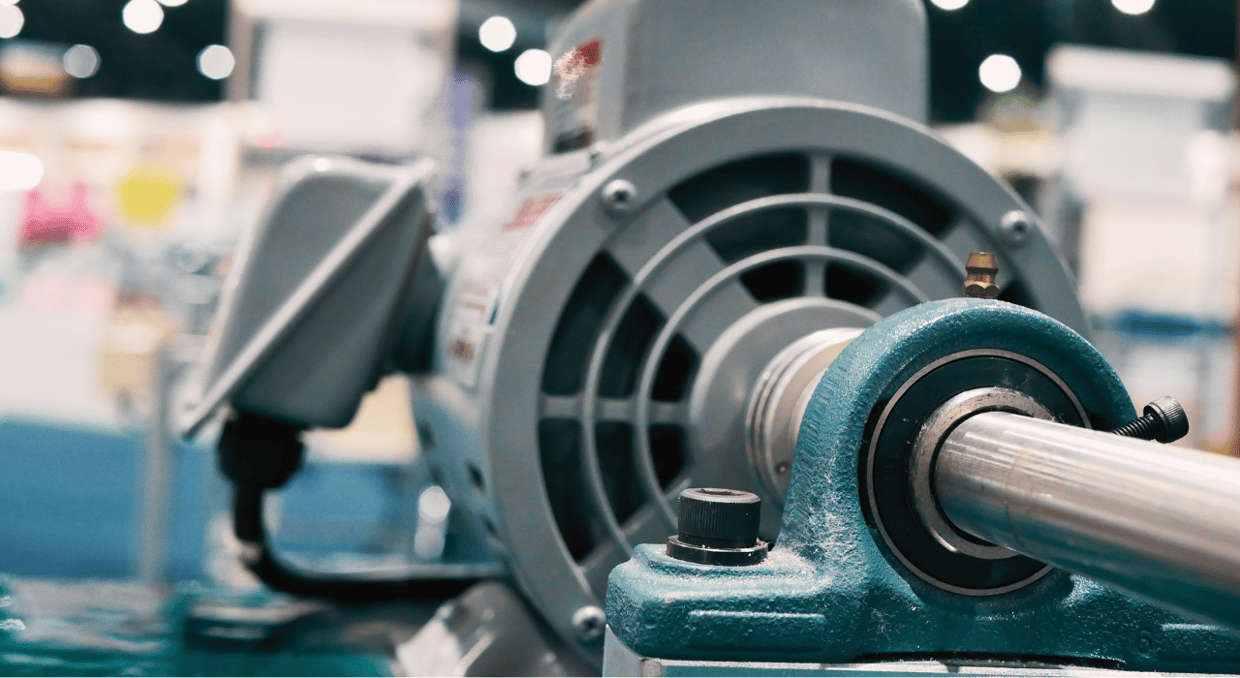
Smart motor controllers are advanced electronic devices that precisely and smartly control the functioning of electric motors. In addition to improving motor performance and lowering energy consumption, smart motor controllers also help in proactive maintenance by interacting with other systems and adapting to changing circumstances. This article will discuss some of their features, including overload prevention, metering (measurement of various parameters), communication capabilities, LCD display, auxiliary contacts, and over- and under-voltage protection. Then we will move on to their certain benefits, such as their diagnostic ability, soft start/stop functionality, adaptive control, remote firmware updates, and fault logging. All these features will collectively show you the importance of smart motor controllers in our modern-day industry. After this, we will discuss some of their applications in our ongoing systems.
Features of Smart Motor Controllers
Overload Prevention
One essential safety feature of smart motor controllers is electronic motor overload prevention, which guards against excessive current damage to motors. This safety feature constantly measures the motor’s current and compares it to predetermined criteria. The controller initiates precautionary measures if the current is above specified levels, suggesting a possible overload issue. Electronic overload protection’s accurate and customizable trip settings are a significant benefit. In contrast to conventional thermal overload relays that depend on stationary bimetallic strips, electronic protection enables the trip thresholds to be precisely adjusted according to particular motor properties and operating circumstances. This function lowers maintenance costs and downtime by ensuring that motors are sufficiently protected without tripping unnecessarily.
Metering
Smart motor controllers can monitor (metering) electric features/parameters associated with motor performance. Voltage, current, power factor, power usage (in watts or kilowatts), and frequency are some of these factors. Smart motor controllers provide effective operation and maintenance by providing real-time insights into motor performance and energy consumption through continuous monitoring of critical measures. With the help of this function, customers may quickly identify anomalies like overloading or underloading, improving energy utilization and avoiding expensive downtime. Predictive maintenance planning is made possible by sophisticated data logging and reporting features. In general, smart motor controllers’ metering and power monitoring parameters guarantee accurate electrical characteristic monitoring, enabling users to make well-informed decisions to improve operational dependability and efficiency.
Built-in Communication Capabilities
Smart motor controllers have built-in communication capabilities that can be seamlessly integrated with industrial networks and control systems, making it easier to monitor, diagnose, and operate motor-driven operations remotely. These controllers may connect to PLCs, SCADA systems, HMI panels, and other devices on the factory floor or in distant places thanks to their communication interfaces, which include Ethernet/IP, Modbus TCP, Profinet, and DeviceNet. The ability to track motor conditions and performance in real-time from a centralized control room or through web-based interfaces is a significant benefit of having built-in communication capabilities. This helps operators to minimize downtime and maximize production efficiency by rapidly identifying and resolving issues. The Siemens Sinamics G120, which supports Profinet, Ethernet/IP, and Modbus TCP/IP communication protocols, and the Allen-Bradley PowerFlex series, which is compatible with Ethernet/IP, Modbus TCP, and DeviceNet networks, are two examples of smart motor controllers with built-in communication capabilities. First, integrated communication features enable smart motor controllers to play a crucial role in linked industrial automation systems, improving flexibility, dependability, and operating efficiency.
Display Feature (LCD)
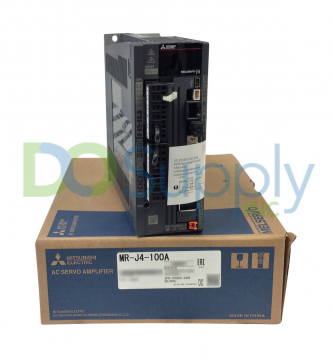
Smart motor controllers with LCDs offer an easy-to-use interface for monitoring and adjusting motor settings right on the controller. Usually presented in a readily legible style, these displays provide essential information, including problem codes, diagnostic messages, motor status, and operating conditions. Through LCD, engineers can offer real-time feedback on motor performance without additional software or monitoring equipment, which is one of its main advantages. Operators may boost output by evaluating the motor’s condition and identifying any problems early on. Furthermore, smart motor controllers with LCD screens frequently include touchscreen functionality and simple menu navigation, making it simple to modify settings, set up parameters, and troubleshoot activities right on the controller. This lessens the requirement for specialist training or technological know-how while improving user ease. The ABB ACS355 series, which has an integrated control panel with a graphical display for simple operation and diagnostics, and the Schneider Electric Altivar ATV320 series, which has a backlit LCD with user-friendly navigation buttons for quick access to motor parameters and status information, are two examples of smart motor controllers with LCDs.
Auxiliary Contacts
In smart motor controllers, auxiliary contacts are extra electrical connections that may be utilized to control external devices or provide feedback signals in response to changes in the motor’s or controller’s state. Usually included within the motor controller, these contacts respond to predetermined triggers such as motor start/stop, fault detection, or particular operating states. One of their main advantages is the flexibility with which auxiliary connections may be used to enable signaling and interlocking functions in motor control applications. Auxiliary connections, for instance, can be used to interlock many motors to stop them from operating simultaneously, guaranteeing equipment protection and safety. They can also alert operators to defects or alarms, giving them visual or auditory cues that anything is out of the ordinary. For example, operators can remotely monitor the Allen-Bradley PowerFlex 525 AC Drive’s functioning by configuring its auxiliary connections to send feedback signals showing the motor state (e.g., operating, stopped, or fault).
Undervoltage and Overvoltage Protection
To prevent motors from potential damage caused by voltage fluctuations outside permitted operating limits, smart motor controllers have essential functions like Undervoltage and overvoltage protection. The motor is shielded from low voltage levels that can cause it to operate less efficiently through undervoltage protection. On the other hand, overvoltage protection protects against high voltage levels that may cause damage or premature failure by overheating the motor windings and other components. Smart motor controllers keep an eye on the voltage delivered to the motor at all times, comparing it to predetermined thresholds for Undervoltage and overvoltage scenarios. The controller initiates preventive measures to lessen the motor’s risk if the voltage drops below or rises above specified levels. These safety precautions might be turning off the motor on its own, setting off an alarm to notify operators of the voltage deviation, or starting corrective steps like load shedding or voltage regulation to bring the voltage levels back within permissible operating limits. When the SMC’s Flex controller senses a dip in line voltage, it stops the motor to offer undervoltage protection. With a customizable trip level and delay duration (0-99%), the goal is to minimize unnecessary trips. Likewise, the motor shutdown is triggered by overvoltage protection upon detection of an increase in voltage; its settings may be adjusted for maximum efficiency.
Benefits of Smart Motor Controllers
Diagnostic Ability:
The ability of smart motor controllers to carry out sophisticated analyses of motor performance and identify any problems or abnormalities is referred to as diagnostic capabilities. These controllers compare several parameters, including voltage, current, temperature, and vibration levels, to predetermined thresholds or predicted values on an ongoing basis. Smart motor controllers can recognize motor failures, anomalies in operation, or inefficiencies that can point to underlying issues using complex algorithms and sensors. Unusual vibration patterns, for example, may indicate mechanical wear or misalignment, while odd temperature measurements may suggest overheating owing to inadequate cooling. Moreover, the benefit of diagnostic capability is that it makes preventative maintenance and troubleshooting possible. Smart motor controllers save downtime and expensive repairs by identifying problems early on and enabling maintenance staff to take action before they worsen. Furthermore, these controllers often send thorough diagnostic messages or warnings that direct specialists to the problem’s source and expedite its repair.
Soft Start/Stop:
In smart motor controllers, soft start/stop functionality can gently increase or decrease the motor’s speed instead of delivering a sudden full-voltage start or stop. During the startup and shutdown stages, the motor and any attached equipment experience less mechanical stress because of this smooth acceleration and deceleration procedure. The controller gives the motor a steady rise in voltage during the soft start phase, which enables the motor to accelerate to its operational speed gently. This lessens mechanical wear and tear on the motor’s windings and bearings and avoids abrupt torque spikes. It also reduces disruptions to the linked equipment, which lowers the possibility of damage or early failure. Similarly, the controller progressively lowers the voltage to the motor during the soft stop phase, enabling a smooth deceleration. This avoids abrupt pauses, which may result in problems with inertia and mechanical shocks to the system.
Adaptive Control:
Using sophisticated algorithms to continually monitor and modify motor settings in real-time in response to shifting operating circumstances is known as adaptive control in smart motor controllers. These controllers adjust motor settings dynamically to maximize system operation, energy economy, and performance. They are beneficial as they adapt to changes in load demand, speed requirements, or environmental variables like humidity or temperature. Smart motor controllers can dynamically modify parameters like speed, torque, or voltage to guarantee optimum operation under various scenarios by tracking these variables and evaluating their effects on motor performance.
Remote Firmware Updates:
Remote firmware updates represent a significant advantage of smart motor controllers, enabling seamless maintenance and enhancement of controller functionality without requiring physical access to the device. This feature lets controllers receive firmware updates, patches, and enhancements remotely, ensuring they remain up-to-date with the latest technology and improvements. With remote firmware upgrades, manufacturers may incorporate new features and functions in smart motor controllers, boosting performance. As a result, controllers may benefit from technological advancements and adjust to shifting needs without requiring hardware updates.
Fault Logging:
The ability of smart motor controllers to track faults and preserve information about previous errors and alerts during motor operation is a significant advantage. This capacity allows for in-depth examination, ongoing enhancement, effective motor performance, and dependability troubleshooting. Maintenance staff may find underlying reasons for preventative action by analyzing the fault log to find reoccurring problems, patterns, and trends. Fault recording guarantees accountability and transparency in motor maintenance and is an important source of evidence for compliance, warranty claims, and audits. In short, fault tracking improves operational effectiveness by assisting with well-informed decision-making, reducing downtime, and gradually improving motor performance and dependability.
Applications of Smart Motor Controllers
Industrial Conveyor Systems:
Smart motor controllers control conveyor belts in industrial facilities, changing their torque and speed to suit demand. They optimize industrial conveyor systems by guaranteeing fault-free operation, lowering energy usage, and providing fault detection for effective material handling.
Motor Pump Control in Water Distribution:
Smart motor controllers regulate pumps in water distribution systems by adjusting motion and rotation rates to meet certain needs. They help in minimizing water waste and provide remote monitoring for preventive maintenance.
Building Automation Systems:
Smart motor controllers in buildings operate escalators, elevators, and HVAC systems to maximize occupant safety, comfort, and energy economy. They also provide demand-based control, scheduled upkeep, and communication with other components of building management systems to ensure smooth operation.
High-Speed Machining Tools:
Smart motor controllers regulate spindle motors in CNC machines and machining centers, guaranteeing accurate speed and torque for cutting operations. They allow dynamic changes for intricate machining jobs and improve accuracy while lowering tool wear.
Automated Warehouse Logistics:
Smart motor controllers manage robots in warehouse logistics operations and motors in automated guided vehicles (AGVs). They simplify warehouse operations and save labor costs by enabling effective material handling, order fulfillment, and inventory management.
Conclusion
In conclusion, smart motor controllers are a massive development in motor control technology, providing various features and advantages that improve productivity, dependability, and security across various uses. The superior performance of smart motor controllers is mainly due to the features that have been discussed, which include adaptive control, soft start/stop functionality, remote firmware updates, fault logging, LCD, auxiliary contacts, overload prevention, metering, built-in communication capabilities, and diagnostic ability. These characteristics optimize motor performance while lowering energy use, reducing downtime, and improving maintenance procedures. Overload protection, for example, monitors current levels and initiates preventive steps as needed to protect motors from damage. Similarly, integrated communication features allow for smooth integration with industrial networks, enabling remote operation, diagnostics, and monitoring for increased dependability and efficiency. Soft start/stop technology reduces mechanical stress on motors and linked equipment during start-up and shut-down phases, and diagnostic capability enables proactive maintenance and troubleshooting by detecting any faults early on. Adaptive control maximizes efficiency and performance by instantly modifying motor settings in response to changing operating circumstances. Moreover, remote firmware upgrades allow smart motor controllers to keep abreast of technological advancements, guaranteeing ongoing optimization and flexibility in response to changing requirements. By providing insightful information on motor performance and dependability, fault recording facilitates in-depth study and ongoing attempts to enhance performance. Smart motor controllers have many significant applications, from high-speed machining equipment and building automation systems to water distribution and industrial conveyor systems. In these use cases, smart motor controllers are essential for streamlining processes, increasing output, and guaranteeing security. Smart motor controllers provide an all-inclusive solution for industrial automation systems’ motor control requirements.
DO Supply Inc. makes no representations as to the completeness, validity, correctness, suitability, or accuracy of any information on this website and will not be liable for any delays, omissions, or errors in this information or any losses, injuries, or damages arising from its display or use. All the information on this website is provided on an "as-is" basis. It is the reader's responsibility to verify their own facts.