Understanding Liquiflo Pumps: An Introduction to Chemical Processing Solutions
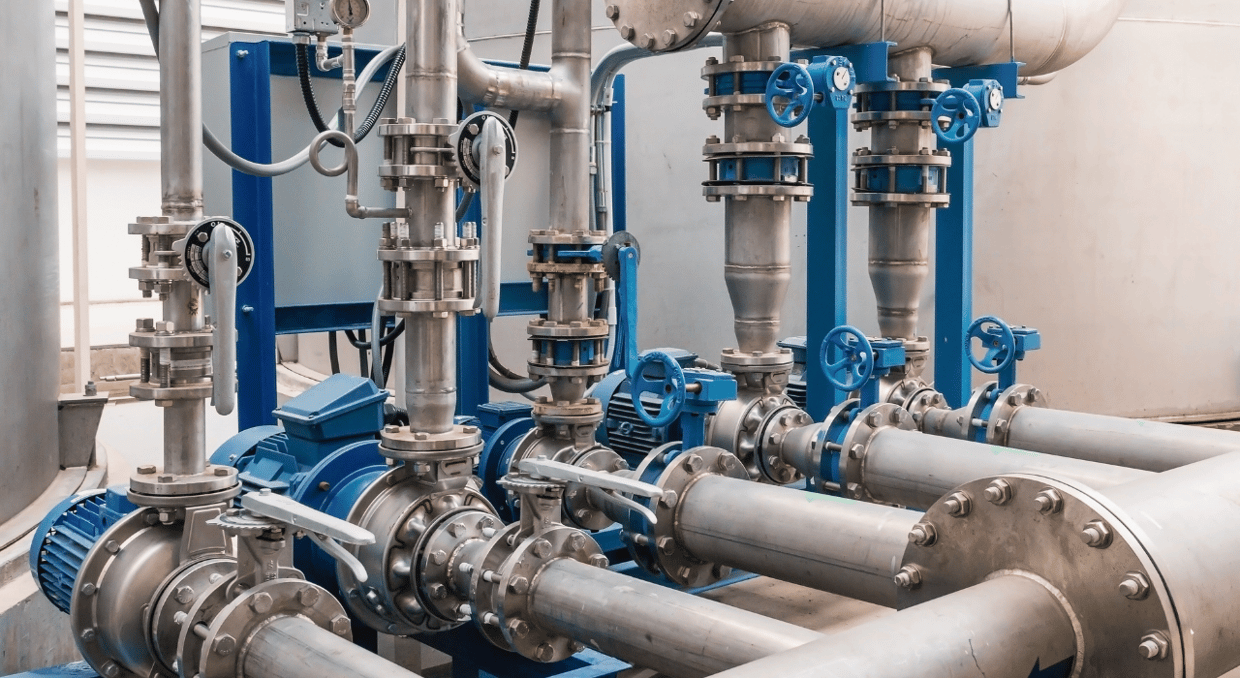
Among the myriad of tools and technologies making a difference, there’s a particular type of equipment that doesn’t always get the spotlight but definitely deserves a mention: the Liquiflo pump. It’s not just any pump; it’s a workhorse designed for the tough jobs, the kind that involves corrosive chemicals or viscous liquids that would make lesser machinery falter. But why focus on a pump, you might ask? In the intricate ballet of chemical processing, every component counts, and having a reliable pump can be the difference between a smooth operation and a problematic one.
Liquiflo pumps have carved out a niche for themselves, not by being flashy but by being dependable, versatile, and, frankly, just really good at what they do. This isn’t about putting a brand on a pedestal. It’s about acknowledging a tool that many engineers and plant operators have come to rely on, perhaps more than they’d like to admit.
So, let’s take a step back and look at the bigger picture of industrial automation, with a nod to how Liquiflo pumps fit into this landscape. We’ll explore what makes them tick, why they’re so valued in chemical processing, and how they contribute to the efficiency and safety of operations.
The Basics of Liquiflo Pumps
The journey of every significant industrial tool or piece of equipment often begins with a simple need: to solve a problem. Liquiflo pumps were born out of such a necessity. The need for reliable, durable, and efficient pumps capable of handling the demanding requirements of chemical processing. But what sets Liquiflo pumps apart isn’t just their ability to meet these needs; it’s how they’ve been designed with the user in mind, from ease of maintenance to operational efficiency.
History and Evolution
Liquiflo pumps didn’t emerge overnight. They are the result of years of engineering, experimentation, and feedback from the field. Initially designed to address the lack of reliable pumping solutions for corrosive and high-viscosity fluids, these pumps have evolved into a comprehensive range that addresses a broad spectrum of industrial applications.
Key Features and Design
What makes Liquiflo pumps stand out? At their core, these pumps are designed for resilience and versatility. They are constructed from materials specifically chosen for their corrosion resistance and strength, such as high-grade stainless steel, alloys, and advanced plastics. This material selection ensures that Liquiflo pumps can handle not just a variety of chemicals but also the challenges of different environments and temperatures.
Another notable feature is their modular design. This thoughtful aspect means that Liquiflo pumps can be easily adapted or customized to fit specific requirements, whether it’s changes in flow rate, pressure, or the nature of the fluid being pumped. It’s this adaptability that has made them a go-to option for many engineers and plant operators.
Types of Liquiflo Pumps
Understanding the different types of Liquiflo pumps is key to appreciating their versatility. Primarily, there are three categories to be aware of:
- Gear Pumps: Ideal for high-viscosity fluids, gear pumps use the interlocking of gears to move fluid with precision. Their design ensures consistent flow rates and makes them particularly suited for dosing and transfer applications.
- Centrifugal Pumps: These are the choice for applications requiring higher flow rates and lower pressures. Using a rotating impeller, centrifugal pumps are efficient for quickly moving large fluid volumes.
- Diaphragm Pumps: When handling fluids that contain solids or for applications requiring a high level of purity, diaphragm pumps are the preferred option. Their design minimizes the risk of contamination and leakage, which is crucial in many processing environments.
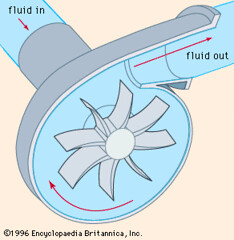
Each type of Liquiflo pump has been developed with specific applications in mind, ensuring that whatever the challenge, there’s likely a Liquiflo pump designed to meet it.
Materials and Construction
Understanding what goes into Liquiflo pumps requires a closer look at the specific materials used and the engineering principles behind their construction. It’s not just about using stainless steel and plastics; it’s about selecting the right grades and formulations that stand up to the rigorous demands of chemical processing.
Stainless Steel
When we talk about stainless steel in Liquiflo pumps, we’re often referring to grades like 316 and duplex 2205. Grade 316 stainless steel is renowned for its excellent corrosion resistance, especially against chlorides and acidic substances. This makes it an ideal choice for many chemical processing applications. It contains molybdenum, which significantly enhances its resistance to corrosion in saline environments.
Duplex 2205, another favorite, combines the best features of austenitic and ferritic stainless steel, offering even higher strength and corrosion resistance. Its mixed microstructure provides superior resistance against stress corrosion cracking and is particularly effective in environments with high chloride content. These properties are quantified by Pitting Resistance Equivalent Number (PREN) values, where duplex 2205 often exceeds a PREN of 35, indicating its superior performance in challenging conditions.
Advanced Plastics
The plastics used in Liquiflo pumps, such as polytetrafluoroethylene (PTFE) and polyvinylidene fluoride (PVDF), are chosen for their outstanding chemical resistance and mechanical properties. PTFE, for instance, is almost universally resistant to chemicals, making it ideal for seals and gaskets in Liquiflo pumps. Its operating temperature range is extensive, from -200°C to +250°C, allowing it to handle a wide variety of substances without degradation.
PVDF stands out for its strength, resistance to solvents, acids, and bases, and ability to withstand UV radiation. It’s particularly valued in applications involving highly corrosive fluids where other materials might fail. PVDF’s resistance is often measured in terms of its ability to handle concentrated acids and bases at varying temperatures, maintaining integrity over long periods.
Built for Efficiency
The assembly of Liquiflo pumps involves precision machining and assembly practices to ensure that each component fits perfectly, minimizing wear and energy loss. The efficiency of a pump is often represented by its hydraulic efficiency, which Liquiflo pumps optimize through advanced design features like finely tuned impeller shapes and precisely engineered flow paths. These designs reduce turbulence and friction losses, translating to energy savings and extended pump life.
Corrosion Resistance
In the context of Liquiflo pumps, corrosion resistance isn’t just a claim; it’s quantified through rigorous testing and material selection. For example, the choice of 316 stainless steel and duplex 2205 is backed by their Chromium, Molybdenum, and Nitrogen content, which directly contribute to their corrosion-resistant properties. The specific corrosion resistance of these materials can be demonstrated through their performance in salt spray tests (ASTM B117) and immersion tests in aggressive chemicals, where they exhibit minimal degradation over extended periods.
Spotlight on Liquiflo Pump Series
Delving into the specifics, Liquiflo offers a range of pump series; each engineered to cater to different operational needs within industrial automation. The H-Series, 3-Series, Max-Series, and others come with their unique set of features, making them suited for various tasks in chemical processing. Here, we’ll explore this series in detail, providing the technical insights that engineers and technicians seek.
H-Series: The Heavy Duty Performer
The H-Series stands out as Liquiflo’s most versatile and popular gear pump line, often recommended for new applications and as upgrades to existing setups. Key technical specifications include:
- Flow Rates: Up to 55 GPM (Gallons Per Minute)
- Differential Pressures: Up to 225 PSI (Pounds per Square Inch)
- Viscosity Range: 0.3 to 100,000+ cP (Centipoise)
- Construction: 316 Stainless Steel, Alloy-C
- Design: Sealed and Mag-Drive options
- Models Offered: 12, including long-coupled and close-coupled designs
This series is designed with larger diameter shafts and bearings, which allows it to handle higher pressures with extended service life. The option for Mag-Drive versions eliminates the need for shaft seals, thereby reducing the potential for leaks and maintenance.
3-Series: Standard Duty Gear Pump
Liquiflo’s original 3-Series Gear Pumps are known for their reliable performance in standard duty applications. Their specifications include:
- Flow Rates: Up to 55 GPM
- Pressures: Up to 100 PSI
- Construction: 316 SS, Alloy-C
- Design: Sealed and Mag-Drive versions
- Models Offered: 11
These pumps are a solid choice for applications requiring a dependable solution for moderate pressures and flow rates.
Max-Series: High Pressure Gear Pump
For high-pressure applications, the Max-Series is engineered to excel. Its specifications are:
- Flow Rates: Up to 20 GPM
- Pressures: Up to 350 PSI
- Construction: 316 Stainless Steel
- Models Offered: 9
Featuring helical gears and relieved wear plates, the Max-Series pumps operate smoothly and quietly even under high pressure, ensuring longevity and reliability.
P-Series: Fluoropolymer-Lined Stainless Steel Gear Pump
The P-Series, or Poly-Guard Series, is Liquiflo’s answer to highly corrosive applications. They boast:
- Flow Rates: Up to 25 GPM
- Pressures: Up to 100 PSI
- Construction: 316 SS/PTFE-Lined
- Models Offered: 9
With non-metallic wetted components, these pumps are excellent for high-purity services where corrosion resistance is crucial.
4-Series: Low Flow Gear Pump
Lastly, the 4-Series is tailored for OEM applications with low flow requirements. Here are their specs:
- Flow Rates: Up to 3.5 GPM
- Pressures: Up to 100 PSI
- Construction: 316 SS, Alloy-C, or Titanium
- Models Offered: 4
This series is distinctive for its small size and its parallel port connections located on the front of the pump, which are suitable for tight spaces and precise fluid control.
Advanced Centrifugal Solutions
Liquiflo offers two distinguished series of centrifugal pumps that serve a wide range of industrial applications: the Centry-Series and the Endura-Series. Each series is designed with specific performance characteristics to handle tasks ranging from standard fluid transfer to the most demanding chemical processing conditions.
Centry-Series
The Centry-Series pumps are sub-ANSI, magnetically-coupled centrifugal pumps that offer a balance of reliability and performance. Here are the technical details:
- Flow Rates: Capable of delivering up to 160 GPM.
- Head Pressures: Designed to handle heads up to 100 FT (feet), equivalent to approximately 43 PSI.
- Construction: Available in 316 Stainless Steel or Alloy-C, which ensures robustness in various fluid contexts.
- Design: Sealed and Mag-Drive versions cater to applications with different sealing requirements.
- Port Configurations: Options for threaded or flanged ports provide versatility for system integration.
These pumps are tailored to easily handle lower flow applications, reducing maintenance issues commonly encountered with standard ANSI pumps operating at low heads.
Endura-Series
The Endura-Series stands up to the challenge with its robust design for industrial settings that demand high flow rates and head pressures. The technical specifications are:
- Flow Rates: These pumps move impressive volumes, with capabilities up to 770 GPM.
- Head Pressures: They are engineered to handle heads up to 420 FT, approximately translating to 182 PSI.
- Construction: The pumps are constructed with 316 Stainless Steel or Alloy-C, ensuring durability against corrosive and abrasive substances.
- Design: Available in Mag-Drive configurations, they offer an additional layer of protection against leaks, which is crucial in handling hazardous fluids.
- Port Configurations: Flanged port configurations align with ANSI Group I & II standards, ensuring compatibility with existing systems and ease of maintenance.
Endura-Series pumps perfectly fit heavy-duty operations, providing reliable performance in larger-scale chemical processes.
Liquiflo Pumps in Industrial Automation
In the context of industrial automation, the role of pumps transcends mere fluid transfer; they become integral components of a sophisticated orchestration that aims for precision, efficiency, and safety. Liquiflo pumps, with their advanced design features and compatibility with automation technologies, exemplify this role. Here’s a closer examination of how these pumps integrate technically into automated systems.
Advanced Control and Monitoring Capabilities
Liquiflo pumps are equipped with features that enable precise control and monitoring, which is essential for their integration into automated systems. This includes:
- Variable Frequency Drives (VFDs): By coupling Liquiflo pumps with VFDs, it’s possible to adjust pump speed in response to system demands dynamically, enhancing process control and energy efficiency. For instance, Liquiflo gear pumps operating in a fluid dosing application can adjust their flow rate in real time based on feedback from flow meters, maintaining dosing accuracy within ±1%.
- Pressure and Flow Sensors: Integration with high-precision sensors allows for real-time monitoring and adjustment. Liquiflo pumps can be configured to maintain consistent pressure or flow rates, compensating for viscosity changes or variations in system demand. The use of PID (Proportional, Integral, Derivative) control loops in conjunction with these sensors ensures that the pump’s operation is optimized for both performance and energy consumption.
- Remote Monitoring and Diagnostics: The capability for remote monitoring through integration with SCADA (Supervisory Control and Data Acquisition) systems means that Liquiflo pumps can be overseen from centralized control rooms. This allows for predictive maintenance strategies, where data on pump performance can indicate the need for service before failures occur, significantly reducing downtime.
Technical Specifications Supporting Automation
Liquiflo pumps are designed with specifications that support their seamless integration into automated systems:
- High Turndown Ratios: This feature is critical for processes that require a wide range of flow rates. Liquiflo gear pumps, for example, can offer turndown ratios up to 10:1, ensuring precise flow control across various operating conditions.
- Chemical Compatibility: The selection of materials like 316L stainless steel or Alloy C for pump construction offers broad chemical compatibility, ensuring that Liquiflo pumps can handle fluids ranging from low-viscosity solvents to high-viscosity polymers without degradation, aligning with the diverse requirements of automated chemical processes.
- Sealing Technology: Advanced sealing options minimize leakage risks, including mechanical seals and magnetic couplings. This is particularly important in automated systems where pump integrity directly impacts both safety and environmental compliance.
Case Studies
Technical case studies provide concrete examples of Liquiflo pumps in action within automated systems:
- Pharmaceutical Production: In a scenario requiring the precise dosing of sensitive ingredients, Liquiflo gear pumps equipped with VFDs and integrated with flow meters ensured dosing accuracy to within 0.5% of the target volume, directly contributing to the consistent quality of the end product.
- Chemical Manufacturing: Facing challenges with aggressive fluids that caused frequent failures in standard pumps, a chemical plant switched to Liquiflo centrifugal pumps made from Alloy C. The integration of these pumps into the plant’s automation system, complete with real-time corrosion monitoring, extended pump life by over 200% and reduced maintenance costs significantly.
In-depth maintenance, Troubleshooting, and Technical Support for Liquiflo Pumps
Maintaining industrial pumps requires a keen understanding of their mechanical and operational nuances. Liquiflo pumps are designed for resilience, but precise and technical maintenance routines are vital for ensuring their longevity and optimal performance.
Technical Maintenance Protocols
Technical maintenance of Liquiflo pumps involves several key procedures:
- Precision Calibration: Calibration is crucial for pumps with variable frequency drives. Parameters such as flow rate, head pressure, and power draw should be calibrated against performance curves provided by Liquiflo to ensure efficiency.
- Seal Integrity Checks: For sealed pump systems, periodic integrity tests, such as pressure decay testing, can preemptively identify seal wear before leakage occurs.
- Bearing Analysis: Vibration analysis tools can monitor bearing health, which is critical as bearings are subject to wear and can significantly affect pump performance.
- Predictive Maintenance: Liquiflo pumps can be part of a predictive maintenance strategy that utilizes data from smart sensors. This strategy uses historical operation data to predict when maintenance should occur.
Advanced Troubleshooting Techniques
When technical issues arise with Liquiflo pumps, advanced troubleshooting techniques are required:
- Acoustic Emission (AE) Testing: AE testing can detect and locate cracking or leaks within the pump structure, which is particularly useful for diagnosing issues in mag-drive pumps.
- Thermographic Imaging: This can reveal hot spots caused by excessive friction or electrical issues in motor-driven pumps, indicating areas that require attention.
- Laser Alignment Tools: Misalignment can cause undue stress on pump components. Laser tools are used to ensure precise alignment between the pump and motor.
Final Thoughts
Throughout this exploration of Liquiflo pumps, we have delved into the intricate details that make these pumps not just functional but exceptional components of industrial automation systems. From the robust and meticulously engineered construction materials to the seamless integration into sophisticated automated processes, Liquiflo pumps exemplify innovation and reliability.
We have witnessed how the H-Series’ versatility, the precision of the 3-Series, the resilience of the Max-Series, the corrosion resistance of the P-Series, and the compact efficiency of the 4-Series align with diverse industrial demands. Furthermore, the Centry-Series and Endura-Series centrifugal pumps expand Liquiflo’s reach into high-flow, high-pressure environments, illustrating their capability to tackle a vast array of operational challenges.
The technical specifications detailed here are not just numbers and features—they are a testament to Liquiflo’s commitment to quality, efficiency, and adaptability. The discussion on maintenance, troubleshooting, and support underscores the importance of technical knowledge and proactive care in sustaining pump performance and longevity.
Liquiflo pumps symbolize what is achievable when innovative design, engineering excellence, and a deep understanding of industry needs converge. They are more than just equipment; they are critical allies in the quest for process optimization, safety, and sustainability in industrial automation.
As we close this comprehensive guide, it is evident that Liquiflo pumps will continue to be pivotal in shaping the future of industrial operations, driving processes forward with precision and reliability at the forefront.
DO Supply Inc. makes no representations as to the completeness, validity, correctness, suitability, or accuracy of any information on this website and will not be liable for any delays, omissions, or errors in this information or any losses, injuries, or damages arising from its display or use. All the information on this website is provided on an "as-is" basis. It is the reader's responsibility to verify their own facts.