Machine-to-Machine Communication in Industrial Automation
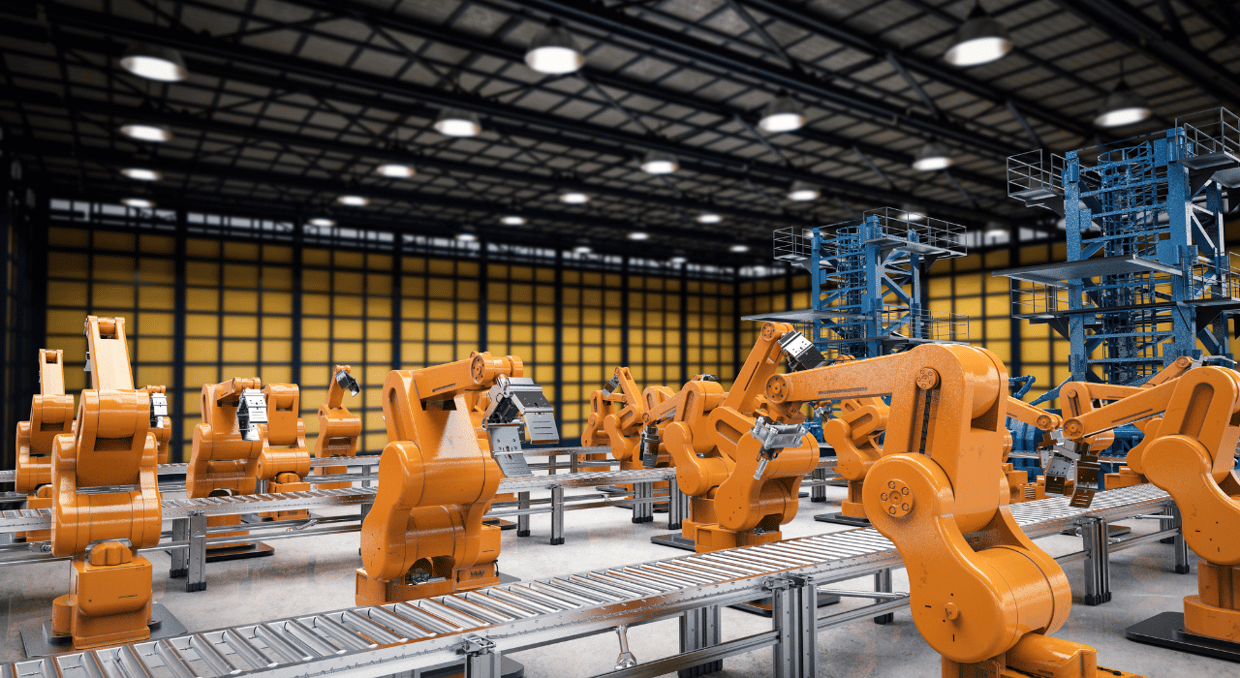
The term Machine-to-Machine (M2M) refers to the interaction between two or more devices that are capable of exchanging information without human intervention. It ranges from basic sensor-to-server interactions to complex networks coordinating actions. M2M relies on telemetry for remote data recording and transmission, utilizing wired or wireless channels. Its foundation lies in enabling device communication, fostering automation, and enhancing efficiency.
The Core Elements of M2M Communication
In the world of Machine-to-Machine (M2M) communication, three essential components work in harmony: hardware, software, and networks.
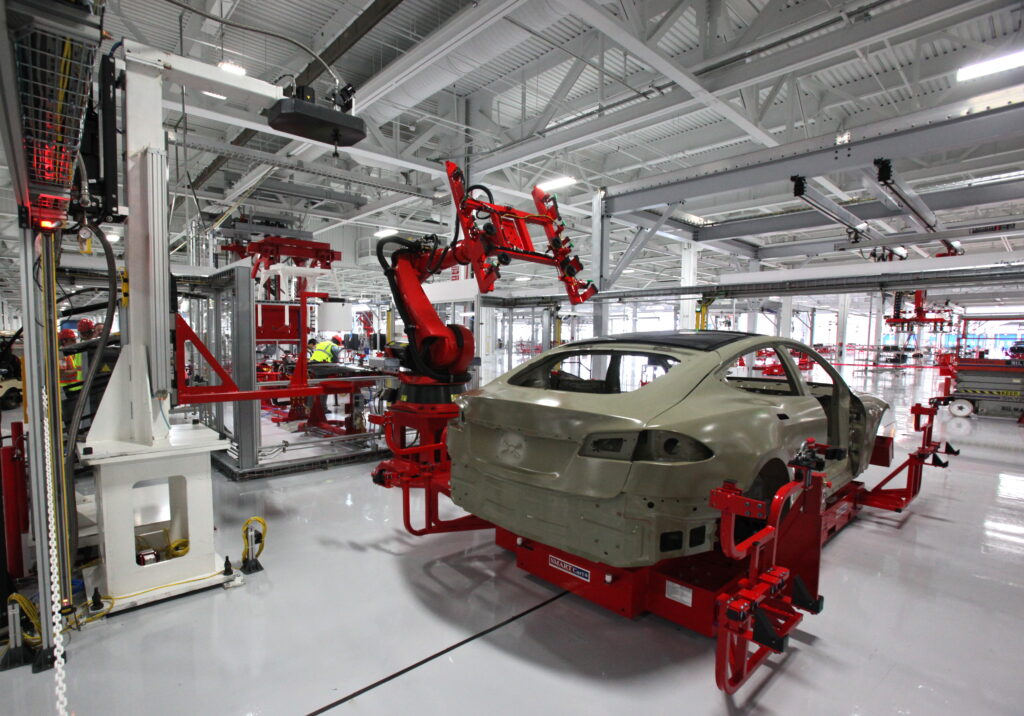
Hardware
- Devices such as sensors and servers are the essential components.
- They play critical roles in data collection and processing.
Software
- Acts as manager of M2M communication.
- Coordinates communication protocols and data analysis.
- Ensures interaction between devices.
Networks
- Provide the platform for device connectivity.
- Serve as the stage for information exchange.
- Wired or wireless, they facilitate effortless communication.
Collectively, these components form the engine of M2M communication, driving automation and efficiency across diverse industries.
M2M Work in Industrial Automation
The primary purpose of machine-to-machine (M2M) technology in industrial automation is to tap into sensor data and transmit it to a network. Unlike SCADA or other remote monitoring tools, M2M systems often use public networks and access methods such as cellular or Ethernet, making them more cost-effective. The main components of an M2M system in industrial automation include sensors, RFID, a Wi-Fi or cellular communications link, and autonomic computing software. This software is programmed to help a network device interpret data and make decisions. These M2M applications translate the data, which can trigger preprogrammed, automated actions essential for industrial processes.
M2M Platform Workflow in Industrial Automation
In industrial automation, Machine-to-Machine communication revolves around the essential role of the M2M platform.
- Data Collection: Sensors gather data continuously from machines or the environment.
- Transmission: Collected data is packaged and sent over the selected network to the M2M platform.
- Analysis: The platform analyzes data, typically in real time.
- Action: Based on analysis, the platform:
- Receives and processes raw sensor data.
- Identifies patterns, trends, or trigger points in the data.
- Executes decisions according to predefined rules or logic embedded within the software.
This integrated process enables efficient data utilization, enhances operational insights, and supports automated decision-making critical for optimizing industrial processes and enhancing productivity.
Key Features of M2M in Industrial Automation
The key features of M2M technology in industrial automation include:
- Low Power Consumption: Enhances the system’s ability to effectively service M2M applications by minimizing energy use.
- Network Operator Providing Packet-Switched Service: Ensures efficient data transmission and communication across devices.
- Monitoring Abilities: Provides functionality to detect events, enabling real-time oversight and control of industrial processes.
- Time Tolerance: Allows for data transfers to be delayed without impacting the overall system performance.
- Time Control: Enables data to be sent or received at specific, predetermined periods, optimizing communication schedules.
- Location-Specific Triggers: Alerts or wakes up devices when they enter particular areas, facilitating location-based automation.
- Continuous Data Transmission: Supports the continual sending and receiving of small amounts of data, ensuring constant communication and monitoring.
Protocols in M2M Communication for Industrial Automation
Protocols play a crucial role in M2M communication in industrial automation. They define the rules for how information is transmitted and received between devices. Several protocols are used in M2M communication, each with its own strengths and weaknesses. Some of the most common protocols include MQTT, CoAP, HTTP, and AMQP.
- MQTT (Message Queue Telemetry Transport): A lightweight protocol designed for constrained devices and low-bandwidth, high-latency networks, making it ideal for industrial environments with limited connectivity.
- CoAP (Constrained Application Protocol): A web transfer protocol used in constrained nodes and networks, suitable for industrial applications requiring efficient communication in limited-resource scenarios.
- HTTP (Hypertext Transfer Protocol): A widely used protocol in IoT due to its simplicity and reliability, allowing for straightforward implementation in industrial automation systems.
- AMQP (Advanced Message Queuing Protocol): A protocol that offers robust messaging capabilities, providing reliable and secure communication for M2M interactions in industrial automation.
The Role of M2M in Industrial Automation
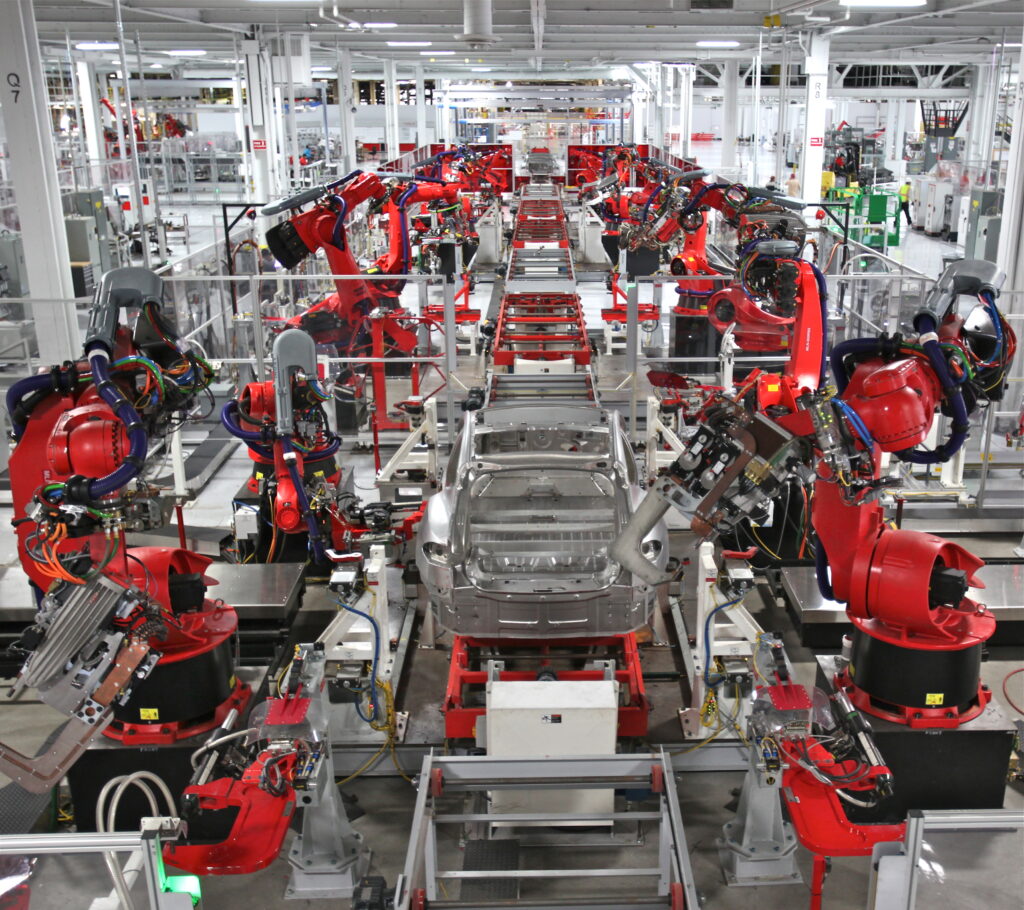
Industrial and manufacturing companies face constant pressure to lower costs and improve speed and efficiency. To enhance productivity, they are turning to sophisticated manufacturing and supply chain automation applications. To fully benefit from automation, these companies need to gather more real-time data from the plant floor. Cellular technologies enable monitoring and control of equipment virtually anywhere, even in hard-to-reach and temporary locations. This allows companies to operate supervisory control and data acquisition (SCADA) systems from any part of the facility or remotely, driving down costs by integrating industrial equipment with security and environmental controls.
Integration of Environmental Control and Security Systems
M2M solutions integrate environmental controls and security systems into a single, remotely controllable system. This integration is crucial in industrial automation settings where centralized control and monitoring of environmental parameters (like temperature, humidity) and security (such as access control, surveillance) are essential for operational efficiency and safety.
Enhancing Global Operations and Remote Management
For industries operating globally, M2M allows for centralized management and monitoring of machinery and plants from anywhere. This capability is vital in industrial automation to ensure consistent operation, reduce downtime, and optimize production processes across different geographical locations.
Remote Diagnostics and Preventative Maintenance
M2M enables remote diagnostic capabilities, which are critical for industrial automation to detect equipment faults early and implement preventative maintenance strategies. This helps in minimizing production disruptions and optimizing asset utilization, which are key goals in automated manufacturing environments.
Teleservice and Telecontrol for Maintenance and Monitoring
Teleservice and telecontrol functionalities of M2M communication facilitate remote maintenance, monitoring, and control of industrial equipment and processes. This includes diagnosing issues, adjusting settings, and ensuring continuous operation of automated systems, which are fundamental to maintaining efficiency and reliability in industrial automation.
Addressing Business and Technical Challenges in Industrial Automation
M2M connectivity addresses specific challenges faced in industrial automation, such as real-time data acquisition, remote control, and monitoring of equipment. This capability supports better decision-making, improves operational efficiencies, and reduces costs associated with maintenance and downtime.
Proven Benefits and Implementation of M2M Solutions
- M2M solutions reduce on-site service visits by up to 60%.
- Enables remote access to optimize machine performance and undertake real-time data analysis.
- Facilitates preventative maintenance to minimize downtime.
- Supports machine builders and OEMs in securing orders by ensuring operational continuity.
- Enhances cost-effectiveness and productivity by managing remote industrial assets efficiently.
- M2M communication systems are modular, flexible, and secure.
Robustness and Flexibility of M2M Systems
- Designed to withstand harsh environmental conditions.
- Manages and controls connected devices globally.
- Allows flexibility in equipment movement and temporary deployments.
- Utilizes modern M2M management and application platforms.
- Platforms designed to meet real-world operational needs.
- Maximizes benefits from the M2M revolution.
Conclusion
In conclusion, Machine-to-Machine (M2M) communication stands as a transformative force in industrial automation, facilitating seamless interaction and coordination between devices without human intervention. This technology uses hardware, software, and networks to enable efficient data collection, transmission, and analysis across various industrial sectors. By integrating environmental controls and security systems into unified, remotely controllable platforms, M2M enhances operational efficiency and safety standards. It empowers global operations through centralized management and monitoring, reducing downtime and optimizing production processes on a global scale. Moreover, M2M’s capability for remote diagnostics and preventative maintenance ensures early detection of equipment faults and proactive maintenance strategies, thereby minimizing disruptions and maximizing asset utilization. Teleservice and telecontrol functionalities further enable remote maintenance and monitoring, which is crucial for sustaining reliability in automated industrial environments. Addressing both technical challenges and business imperatives, M2M connectivity supports real-time decision-making, operational excellence, and cost-effectiveness in industrial operations.
As industries continue to embrace automation and seek greater efficiency, M2M solutions offer robust, flexible, and secure systems designed to withstand diverse environmental conditions and operational demands. By utilizing the full potential of M2M technology, businesses can optimize their processes, enhance productivity, and achieve sustainable growth in today’s competitive landscape.
DO Supply Inc. makes no representations as to the completeness, validity, correctness, suitability, or accuracy of any information on this website and will not be liable for any delays, omissions, or errors in this information or any losses, injuries, or damages arising from its display or use. All the information on this website is provided on an "as-is" basis. It is the reader's responsibility to verify their own facts.