Smart Motor Controllers vs. Traditional Starters
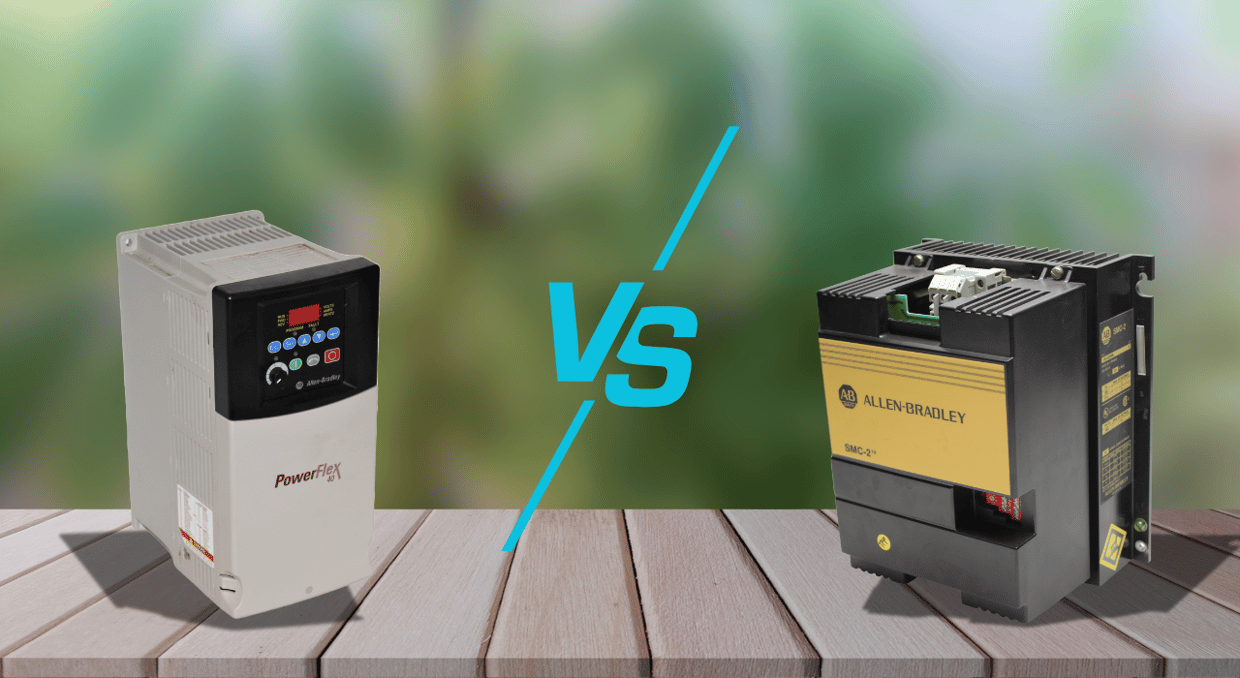
The choice between smart motor controllers and traditional starters is becoming increasingly clear in today’s industrial landscape. While traditional starters primarily serve to start and stop motors, smart motor controllers offer advanced features that enhance motor performance, energy efficiency, and overall system health. These controllers are equipped with integrated communication, real-time monitoring, voltage protection, adaptive control, fault logging, and remote firmware updates, providing far superior capabilities compared to conventional starters. By continuously analyzing and optimizing motor performance, smart motor controllers help prevent costly downtime, extend equipment life, and improve energy management. So why should we go smart?
Remote Firmware Updates
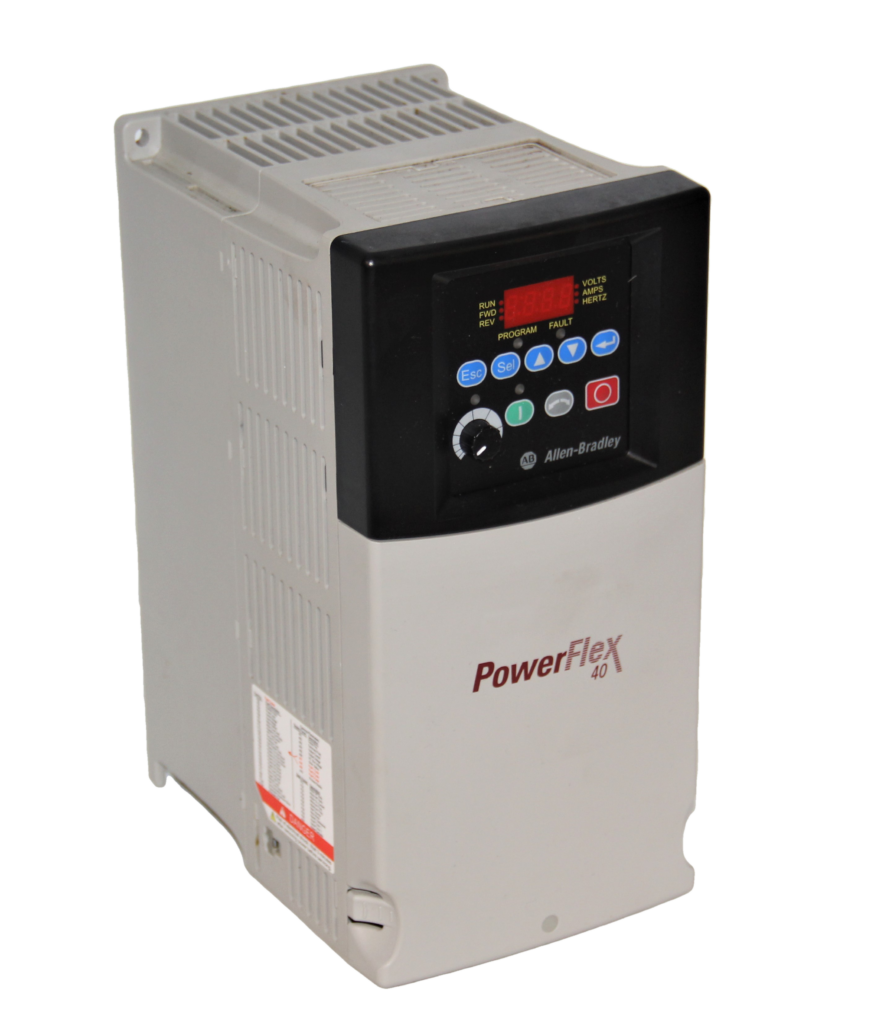
Smart motor controllers with remote firmware updates offer a technical advantage over conventional starters, which are not upgradeable and frequently need human maintenance. Conventional starters are static and difficult to adapt to changing operating requirements, which results in expensive hardware replacements and prolonged downtime. On the other hand, smart motor controllers such as those from Schneider Electric’s Altivar series or Rockwell Automation’s PowerFlex series enable over-the-air (OTA) updates, guaranteeing that the software of the controller stays up to date with the newest features, security fixes, and performance improvements. These improvements enhance motor performance and lower energy consumption by optimizing energy efficiency, lowering harmonic distortion, and enabling sophisticated control techniques, including vector and sensorless control. Remote firmware updates improve system stability, minimize operating interruptions, and do away with the need for costly on-site maintenance. Smart motor controllers are a better option than conventional starters in industrial settings because they offer dynamic adaptation and sustainability through remote firmware upgrades.
Voltage Protection
One important characteristic that conventional starters lack is voltage protection, which smart motor controllers excel at. Motors are susceptible to damage from voltage swings since traditional starters cannot check the voltage in real time. Both undervoltage and overvoltage can decrease a motor’s lifespan, lower its efficiency, and raise operating hazards. Smart motor controllers, on the other hand, constantly check motor voltage against preset thresholds to make sure motors run within safe bounds. Overvoltage protection defends against overheating and early failure brought on by high voltage levels, while Undervoltage protection avoids instability and inefficiency at low voltages. These controllers warn operators to take immediate action when deviations happen and start remedial measures like load shedding, voltage regulation, or automatic shutdowns. Reliability is improved with configurable trip settings, as demonstrated by the ACS580 drives from ABB, the Altivar Process drives from Schneider Electric, and the SINAMICS G120 drives from Siemens. Smart motor controllers outperform conventional starters in industrial applications, increase operating efficiency, and guarantee motor lifespan by reducing voltage-related hazards.
Electrical Parameter Measuring
Traditional starters do not have the extensive electrical parameter-measuring capabilities that smart motor controllers provide. Conventional starters are mainly used to start and stop motors; they do not continuously monitor important parameters like voltage, current, power factor, frequency, and energy consumption. This lack of knowledge makes it more difficult to spot inefficiencies like overloading or underloading, which increases the chance of expensive downtime and results in lost chances for energy optimization. Smart motor controllers, on the other hand, keep an eye on these variables constantly and offer real-time motor performance data. This enables operators to enhance energy efficiency and prevent equipment damage by taking prompt remedial action. Predictive maintenance is made possible by features like data logging and reporting, which decrease unscheduled failures and increase motor longevity. Advanced metering, for instance, is used by ABB’s ACS880 drives and Schneider Electric’s Altivar Process drives to improve energy management and motor efficiency. Compared to conventional starters, smart motor controllers ensure sustainability, dependability, and lower operating costs by enabling intelligent decision-making.
Adaptive Control
Traditional starters are unable to match the dynamic motor performance modifications offered by smart motor controllers with adaptive control characteristics. Traditional starters run motors according to set settings, which results in wasteful wear and energy inefficiencies under changing operating conditions. Smart motor controllers, on the other hand, use sophisticated algorithms to instantly modify speed, torque, and voltage to guarantee the best possible motor performance. These controllers reduce energy loss and save needless strain on equipment by keeping an eye on variables including load, speed, and ambient conditions. This flexibility promotes smooth operation in a variety of situations, lengthens motor lifespan, and lowers maintenance requirements.
For example, Danfoss’ VLT AutomationDrive FC 302 guarantees energy-efficient operation with sophisticated flux and vector control, Mitsubishi Electric’s FR-A800 series enhances reliability with Real Sensorless Vector Control, and Allen-Bradley PowerFlex 755T drive provides smooth performance adjustments. Smart motor controllers with adaptive control outperform conventional starters in industrial settings by providing better energy management, increased system dependability, and lower operating costs.
Integrated Communication Capabilities
Smart motor controllers have revolutionized the industrial environment of today, especially with their integrated communication characteristics that much outperform those of conventional starters. By seamlessly integrating with industrial networks like Ethernet/IP, Modbus TCP, Profinet, and DeviceNet, these sophisticated controllers improve system health and energy efficiency. Since traditional starters usually don’t have connections, it might be difficult to keep an eye on energy usage or motor performance in real-time. On the other hand, smart motor controllers use web-based interfaces, SCADA systems, or HMIs to give operators real-time information on motor-driven operations. Because of this connection, motor health, performance, and energy consumption can be continuously monitored, facilitating well-informed decision-making to maximize operations.
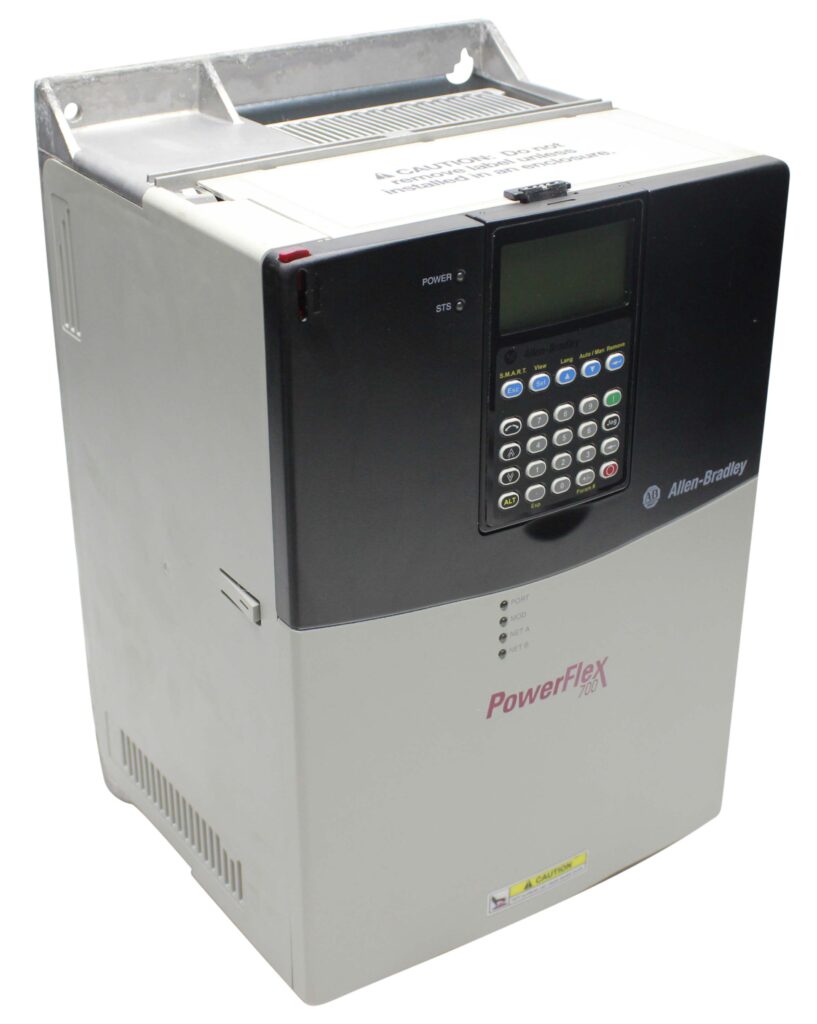
Their capacity to dynamically modify motor speeds and torque to meet operating demands, reduce wasteful power usage, and optimize energy efficiency is one notable benefit. Furthermore, early detection of inefficiencies by smart controllers, like overloading, imbalances, or overheating, allows for prompt remedial action to prevent expensive downtime or equipment damage. The Siemens Sinamics G120 and Allen-Bradley PowerFlex series, for example, are prime examples of the advantages of multi-protocol compatibility, enabling smooth integration and notable energy savings. Smart motor controllers are essential for contemporary industrial automation systems because they minimize energy waste, guarantee smooth operation, and prolong equipment life, promoting sustainable production methods and increased operational efficiency.
Fault Logging features
In contrast with traditional starters, which lack sophisticated diagnostic capabilities, smart motor controllers with fault logging are revolutionary. Because traditional starters provide little information about motor performance, it can be difficult to detect, monitor, and fix recurring problems, which frequently results in more downtime and maintenance expenses. On the other hand, smart motor controllers keep thorough fault logs, instantly documenting operating irregularities and alarms. Predictive maintenance is made easier, trend analysis is aided, and unplanned downtime is reduced with this data-driven approach. Additionally, fault records improve transparency by assisting with warranty claims, compliance, and audits.
For example, the VLT AutomationDrive FC 302 from Danfoss, the FR-F800 series from Mitsubishi Electric, and the Altivar 71 from Schneider Electric all include sophisticated event recording and diagnostic features that allow for quick problem identification and fixing. Smart motor controllers prolong equipment life, cut down on energy waste, and enhance performance by proactively resolving issues. These cutting-edge characteristics significantly exceed conventional starters in dynamic industrial contexts, ensuring dependable, effective, and sustainable operations.
Final Thoughts
In conclusion, smart motor controllers significantly outperform traditional starters by offering advanced features that enhance motor performance, energy efficiency, and overall system reliability. With integrated communication, real-time monitoring, voltage protection, adaptive control, fault logging, and remote firmware updates, these controllers provide superior capabilities for managing motors in dynamic industrial environments. They enable predictive maintenance, reduce downtime, and extend equipment lifespan, ensuring smoother operations and optimized energy use. Compared to conventional starters, smart motor controllers offer greater flexibility, efficiency, and long-term sustainability, making them an essential choice for modern industrial automation systems. By integrating smart controllers, industries can enhance operational performance, improve energy management, and minimize maintenance costs, securing a more reliable and cost-effective future.
If you’re still relying on conventional starters, you’re missing out on major gains in efficiency, reliability, and performance. Smart motor controllers from trusted names like Allen-Bradley, Schneider Electric, and Siemens bring advanced features like real-time monitoring, voltage protection, adaptive control, and fault logging, all designed to keep your system running smoothly and sustainably. At DO Supply, we carry a wide range of PowerFlex drives and other smart controllers, all backed by our expert support and 2-year warranty. So why not give us a call today and get a quote for the new smart controller that will boost your factory’s efficiency? We also have a write-up on the PowerFlex 700 series drive here if you would like a good recommendation.
DO Supply Inc. makes no representations as to the completeness, validity, correctness, suitability, or accuracy of any information on this website and will not be liable for any delays, omissions, or errors in this information or any losses, injuries, or damages arising from its display or use. All the information on this website is provided on an "as-is" basis. It is the reader's responsibility to verify their own facts.