AC Drives 101: What You Need to Know Before Buying
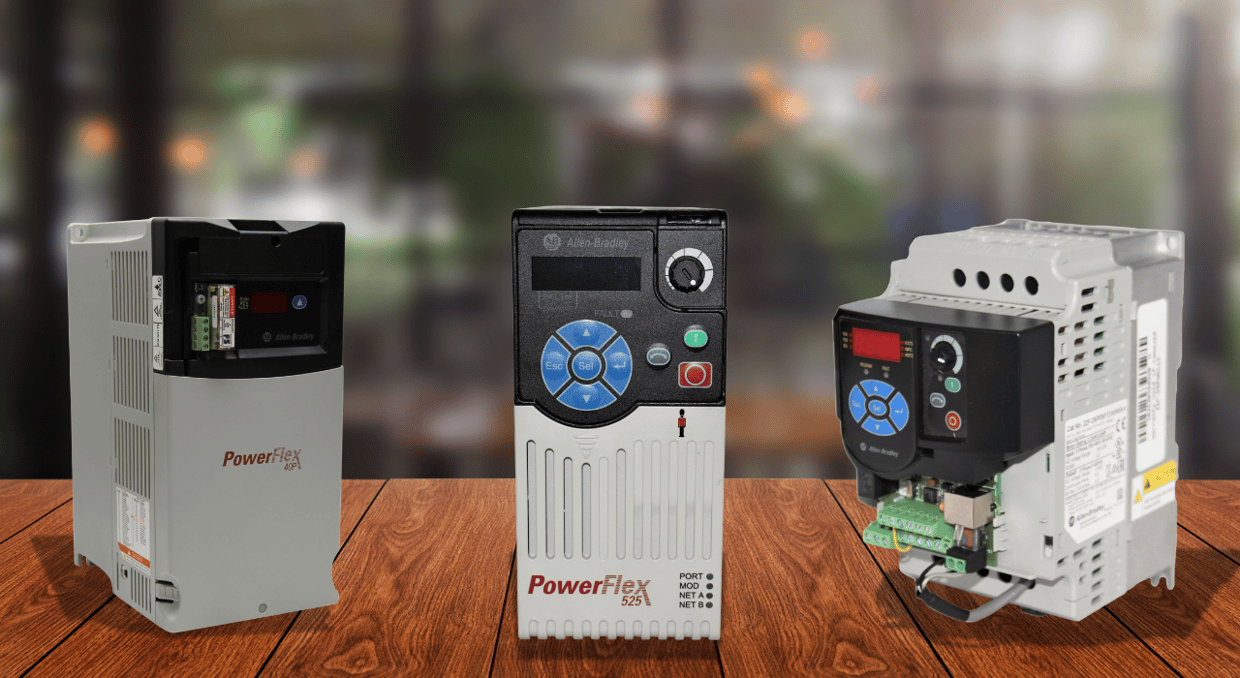
AC drives, or variable frequency drives (VFDs), are essential components in modern electrical and industrial applications. They play a crucial role in controlling the speed and efficiency of electric motors, making them widely used across industries such as manufacturing, HVAC, and automation. By regulating motor operation, AC drives contribute to energy optimization and improved process control. Their adaptability allows businesses to achieve operational stability while reducing mechanical stress on equipment. In this article, we will discuss features of AC drives that one should know before buying and other key considerations.
Features of AC Drives You Need to Know Before Buying
Design Specifications
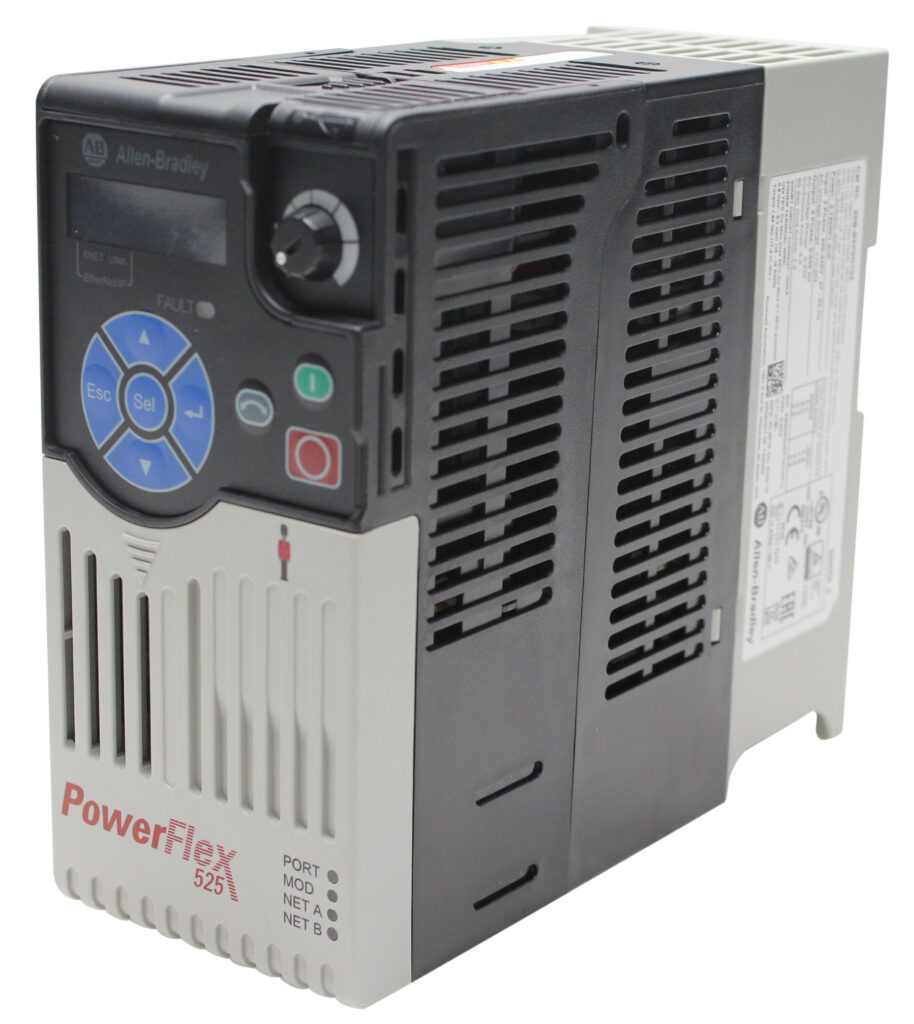
When selecting an AC motor drive, several design specifications must be considered to ensure compatibility and optimal performance. Key factors include continuous current, which determines the current supplied to the motor during continuous operation, and supply voltage, which defines the voltage input required for the drive. Output voltage varies depending on the drive’s design, while input frequency determines the accepted AC frequency. Additionally, power rating influences the drive’s capacity, ensuring it meets the motor’s energy demands. Operating temperature is another crucial factor, as it affects long-term reliability and efficiency. Other considerations, such as mounting configuration and additional features, play a role in ensuring seamless integration within an electrical or industrial system.
Mounting Configuration
The mounting configuration of an AC motor drive is a crucial consideration for system compatibility and ease of installation. Different mounting options cater to various applications, allowing flexibility in integration. Some drives are designed for PCB (printed circuit board) or PC board mounting, ensuring compact integration into electronic systems. Others are panel-mounted for secure placement in industrial settings or DIN rail-mounted for standardized installations. Rack-mounted drives are commonly used in larger systems, while stand-alone units provide independent operation. Original equipment manufacturers (OEMs) may incorporate specialized mounting solutions for specific products. Choosing the right mounting configuration ensures stability, accessibility, and efficient operation within the intended system.
Regeneration
Regeneration is an advanced braking method in AC motor drives where the motor sends the generated power back to the supply instead of dissipating excess energy as heat. This feature enhances energy efficiency, reducing power consumption and operational costs. It is particularly useful in applications requiring frequent stopping and starting, such as elevators, conveyors, and cranes. By converting kinetic energy into reusable electrical energy, regeneration helps improve overall system performance while minimizing wear on braking components. This extends equipment lifespan and supports sustainability by reducing wasted energy and improving the overall efficiency of industrial and automation systems.
Programmability and Configuration
AC motor drives with programmability and configuration capabilities allow users to customize settings and commands to optimize performance. These drives can be pre-programmed with specific routines, enabling automated control and enhanced functionality. This feature is beneficial in complex industrial applications where precise motor operation is required, such as manufacturing processes, robotics, and HVAC systems. By enabling adjustable parameters such as speed, torque, and acceleration, programmable drives enhance process efficiency and adaptability. Additionally, they provide improved diagnostics and monitoring, allowing for proactive maintenance and reducing downtime. This level of control ensures optimal system performance and increased operational flexibility.
Auto Restart
The auto-restart feature in AC motor drives ensures that the system resumes operation automatically after a stall or power interruption. This function is crucial in applications where continuous operation is essential, such as pumps, fans, and conveyor systems. Without manual intervention, the drive detects the fault condition, stabilizes, and re-engages the motor safely. Auto-restart minimizes downtime and increases productivity by preventing unnecessary disruptions. It also enhances safety by ensuring controlled reactivation, reducing the risk of sudden system overloads. This feature is especially valuable in remote or unattended systems, ensuring consistent and reliable performance in demanding environments.
High-Speed Performance and Precision Regulation
AC motor drives offer exceptional speed capabilities, reaching up to 10,000 RPM, making them ideal for high-speed applications like centrifuges, spindles, and industrial machinery. Unlike DC drives, AC drives operate efficiently at extreme speeds without excessive wear, ensuring smooth performance and increased productivity. Additionally, they provide precise speed regulation with 1% accuracy, maintaining stability under varying loads. This precision is crucial for applications like robotics, conveyors, and medical equipment, where consistency matters. By dynamically adjusting speed, AC drives optimize energy efficiency, reduce mechanical stress, and enhance product quality in industries such as textiles, food processing, and manufacturing, ensuring superior performance and reliability.
Resilience in Harsh Environments
AC motor drives are designed to perform reliably in wet, corrosive, and extreme conditions. Their rugged construction protects against moisture, dust, and chemicals, making them ideal for marine, wastewater treatment, and food processing industries. Unlike traditional motor systems requiring extensive protection, AC drives operate efficiently with minimal maintenance. Their corrosion-resistant design ensures durability, reducing the risk of failure. They also maintain stable performance in fluctuating temperatures and high humidity, ensuring continuous operation.
Protective features
AC drives incorporate multiple protection features to ensure the motor and drive system’s safety and longevity. Overload protection prevents excessive current draw, reducing mechanical stress and overheating. Overcurrent protection safeguards against sudden electrical surges or short circuits by limiting or shutting off power to prevent damage. Overheat protection monitors temperature levels, automatically adjusting output or shutting down the drive to avoid overheating. Undervoltage protection prevents performance issues caused by voltage drops, while overvoltage protection shields against harmful voltage spikes. Together, these features enhance reliability, minimize downtime, and ensure safe, efficient operation across various applications.
Energy Saving Capability
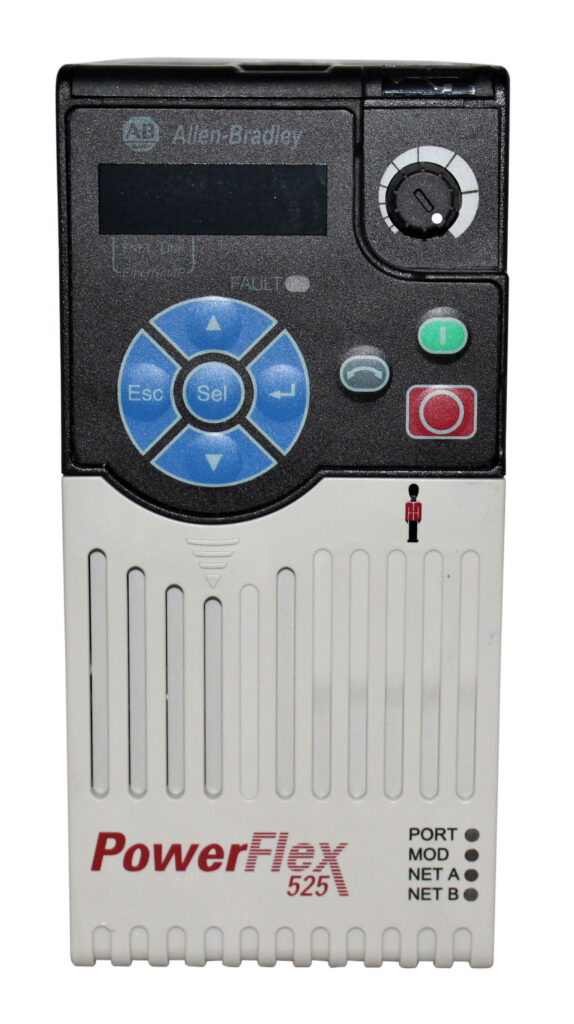
One of the most significant advantages of AC drives is their ability to optimize energy consumption by precisely controlling motor speed and load. Unlike fixed-speed motors, which run at full capacity regardless of demand, AC drives adjust speed based on real-time requirements, reducing unnecessary power usage. This is especially beneficial during partial load operation, where energy savings can be substantial. Industries such as HVAC, manufacturing, and water treatment benefit from lower electricity costs and improved efficiency. By minimizing energy waste, AC drives contribute to sustainable operations, helping businesses reduce their carbon footprint while enhancing overall system performance.
Compact and Lightweight Design
AC drives are significantly lighter and smaller than most traditional speed control methods, making them ideal for space-constrained applications. Unlike bulky mechanical or DC drive systems, modern AC drives utilize advanced electronics and efficient cooling mechanisms, reducing overall footprint while maintaining high performance. Their compact size allows for easy integration into control panels, machinery, and automation systems without requiring extensive modifications.
Other Key Considerations When Buying AC Drives
When selecting an AC drive, it is essential to consider several factors to ensure optimal performance and compatibility. First, the drive’s rated voltage, current, and frequency must match the motor’s specifications for efficient operation. The application’s specific requirements, such as multi-speed control or PID control, should also guide the choice. Additionally, environmental conditions like temperature, humidity, dust, and vibration influence the appropriate drive model and protection level. Lastly, choosing a reputable brand with reliable after-sales service ensures product quality and long-term support. Evaluating these factors helps you select the right AC drive for your needs.
Final Thoughts
In conclusion, AC drives are essential for optimizing motor performance, enhancing energy efficiency, and ensuring precise speed control in industrial and commercial applications. Their advanced features, such as programmability, regeneration, and protection mechanisms, make them a reliable choice for various industries, from manufacturing to HVAC and automation. By carefully considering design specifications, mounting configurations, and environmental conditions, businesses can select the most suitable drive for their needs. Additionally, choosing a reputable brand with strong after-sales support ensures long-term reliability. With their compact size, adaptability, and cost-saving benefits, AC drives remain vital in modern motor control systems.
Here at DO Supply, we specialize in all things AC drives. We carry an extensive range of PowerFlex drives that are suited for almost every industry out there. We also carry PLCs, motors, and accessories to pair with them. If you are looking for something automation-specific, chances are we either have it or can get it for you. Feel free to give us a call or shoot us an email, and our team of experts can help you find the perfect drive. If you are curious about the PowerFlex lineup, we have an article here.
DO Supply Inc. makes no representations as to the completeness, validity, correctness, suitability, or accuracy of any information on this website and will not be liable for any delays, omissions, or errors in this information or any losses, injuries, or damages arising from its display or use. All the information on this website is provided on an "as-is" basis. It is the reader's responsibility to verify their own facts.