PLC Brands and Industry 4.0: Who’s Leading the Smart Factory Race?
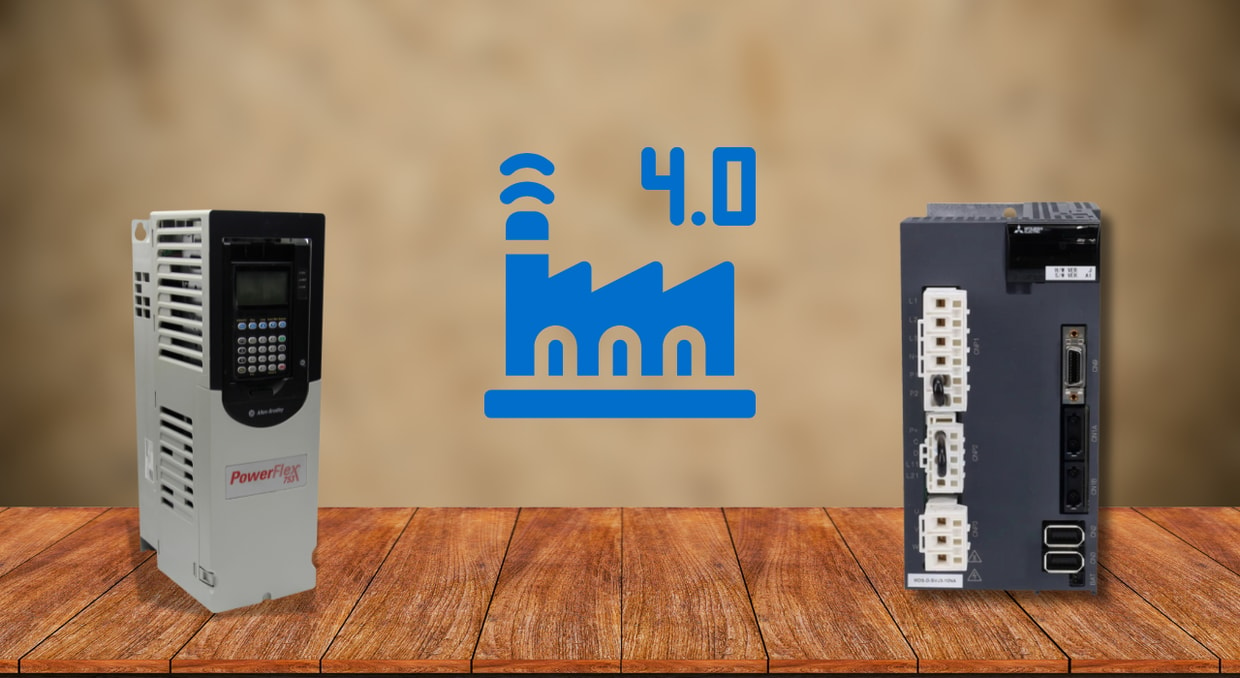
PLCs are the foundation of industrial automation systems. Smart technologies in Industry 4.0 are reshaping the production criteria, and different PLC brands are in this race. These controllers now provide real-time data analytics, monitoring, control, predictive maintenance, different in-built alarms and trends, and smooth machine communication by integrating with cloud, AI systems, and IOT devices.
There is severe rivalry between these PLC brands, and market captivity is based on features, innovation, dependability, and scalability. Selecting the best PLC brand is essential for businesses to keep their smart factory journey on the right track.
Here, we will discuss different PLC brands and how they come up with their solutions and features.
Siemens
Siemens is among the most well-known PLC brands worldwide, particularly in Europe and the Middle East. Because of its reliable performance and compatibility with PROFINET and OPC UA protocols, the Simatic S7 series is extensively used in various sectors. Siemens is the leading option for smart factories because of its leadership in edge computing and digital twin technologies.
Allen-Bradley
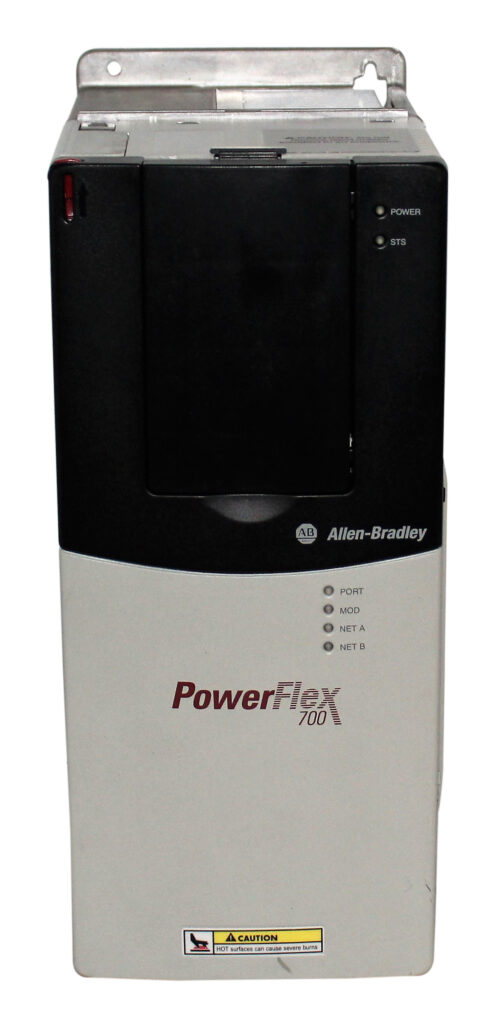
One of North America’s most popular PLC brands is Allen-Bradley, a Rockwell Automation division. Allen-Bradley is well known for its ControlLogix and CompactLogix series and is a leader in the food processing, automotive, and discrete manufacturing industries. Allen-Bradley is positioned as a major participant in Industry 4.0, but Rockwell focuses on scalable control systems and digital transformation tools. Most American facilities use this brand of PLC in their automation systems.
Mitsubishi Electric
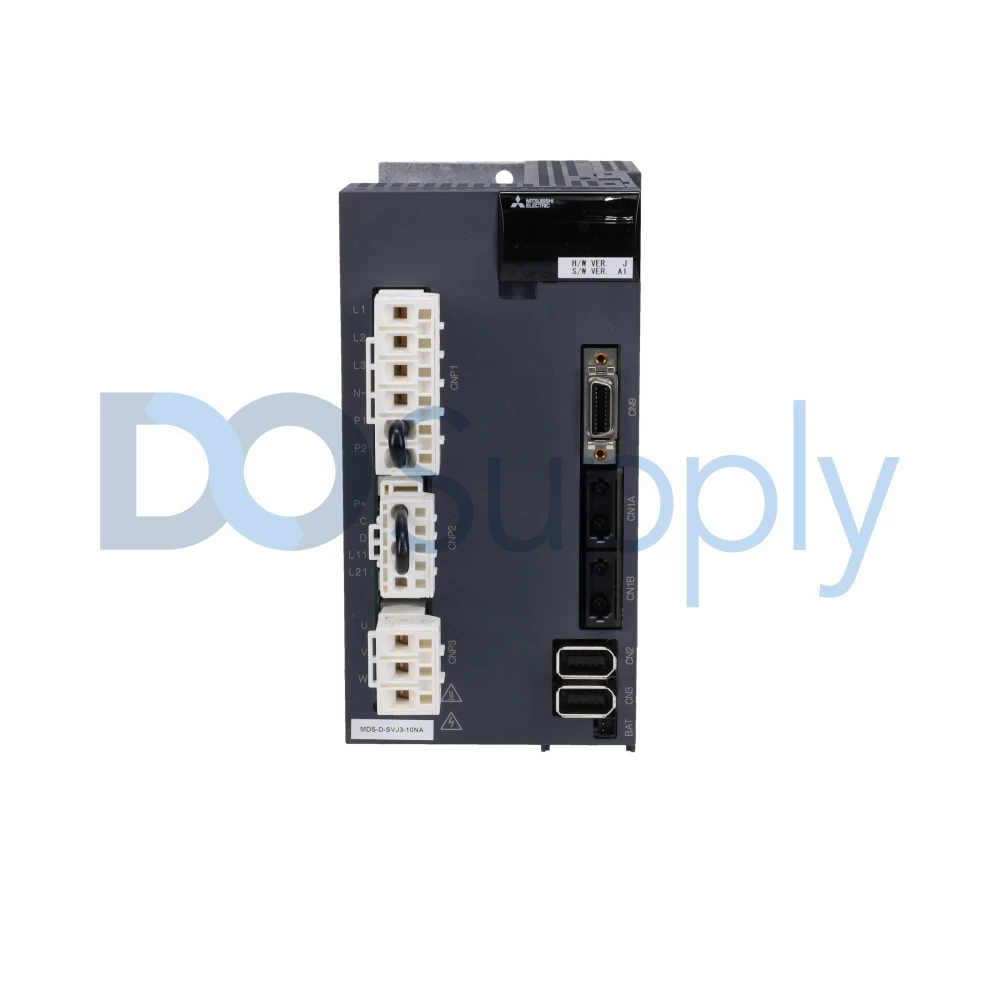
Mitsubishi Electric is a well-known PLC maker, especially in high-speed electronic and industrial systems. One of the most notable series is the MELSEC series, which has reliable connections, a small size, and a quick processing speed. The brand ensures interoperability in Industry 4.0 systems by supporting UPC UA CClink IE Field Communication protocols and others. It has been a formidable competitor in the smart factory race due to its emphasis on energy efficiency and predictive maintenance technologies.
Schneider Electric
The Modicon PLCs from Schneider Electric are famous for their adaptability and technical features across various Industry 4.0 Systems. Schneider, a leading PLC brand, strongly emphasizes digital transformation and sustainability. Cloud integration, remote control, monitoring, trends, and alarm features are available with its current lineup. Schneider’s PLCs can be used in various industrial settings since they support open protocols like Modbus and Ethernet/IP. It is a very popular option for environmentally aware businesses because it is best for integrating Pumping stations, water stations, irrigation systems, etc.
Omron PLC
Omron is a Japanese PLC brand known for innovation and precision control. Its NX and CJ series PLCs are extensively used in the manufacturing, robotics, packaging, and automotive sectors. To provide predictive analytics and adaptive control, Omron incorporates AI and Deep learning features into its automation systems. Due to its emphasis on smart sensing technologies and human-machine interface communication, Omron is positioned as a progressive participant in the Japanese automobile industry.
ABB
Large-scale industrial applications and highly advanced automation processes are the main focus of ABB’s AC500 and AC800 PLC Series. ABB, a global leader in industrial automation and electrification, incorporates PLCs into its Ability Platform to provide remote diagnostics and cloud-based analytics. This PLC brand supports various communication protocols and IEC 61131-3 programming standards. ABB is a formidable competitor in the smart factory race because of its focus on cybersecurity applications, modularity, and digital twin technologies. Its solutions serve sectors including utility, mining, oil, and gas.
Panasonic
The FP series PLCs from Panasonic are known for their affordability and small size. Panasonic is now becoming more famous in small to medium-sized industrial systems, although it is less dominant than Siemens and Rockwell. Its PLCs handle the Ethernet/IP and Modbus Protocols, process data quickly, and integrate with HMIs relatively easily. Panasonic promotes energy-efficient automation and advanced-level programming. Because of its dependability and cost, this PLC brand is a good choice for manufacturers on a tight/short budget, making a switch to Industry 4.0.
Delta Electronics
In the smart industrial market, considering intelligent control, Delta Electronics from Taiwan is one of the automation giants. Its DVP series PLCs are quick, small, and compatible with various communication protocols. Delta’s platform supports Industry 4.0’s connectivity and communication objectives by facilitating remote monitoring and control capabilities. It makes it easy for the engineers to program different devices across different areas through an advanced GUI and programming capabilities. This PLC brand puts a strong emphasis on modular automation and energy-efficient solutions. However, it is expanding its footprint in the textile, electronics, and packaging sectors, developing strong competition in the automation market.
B&R Automation
The X20 and X90 series of powerful PLCs are available in the B&R automation, which is now a part of the ABB series. This PLC Brand is well known for its integrated automation, which integrates PLCs within robotics, HMIs, and motion control on a single platform. This PLC brand facilitates real-time communication through TSN and OPC UA Protocols. B&R PLCs are perfect for smart factories looking for future-proof solutions. It emphasizes open protocols and scalability standards. They are a competitive force in this automation market due to their innovative strategies.
Bosch Rexroth
The IndraControl PLCs from Bosch Rexroth are designed for factory automation and high-performance automation control. This PLC brand supports OPC UA and MQTT platforms, guaranteeing smooth data exchange in smart factories. OEMs and machine builders highly favor it because of its emphasis on open architecture and technical features. This PLC brand is competing with the giants due to its ever-growing innovative technologies and PLC system upgrades.
Important Elements That Drive PLC Brand Leadership
Strong hardware, open communication protocols, cutting-edge software, and cloud integration are characteristics that the PLC brands share in the race to become the leaders in Industry 4.0. Flexibility is guaranteed with the support for IEC 61131-3 programming languages. Cybersecurity, data processing, and predictive maintenance. Redundant technologies, edge computing, and cloud-based data structuring give the brand a competitive advantage. It is important for them to have the ability to integrate with SCADA Systems, ERP, and MES systems. To stay ahead, all the PLC brands have to innovate continuously.
Who’s Winning the Smart Factory Race?
In conclusion, there are regional differences in adopting different PLC brands. Mitsubishi dominates in the Asia-Pacific, Rockwell is famous in the North American regions, and Siemens dominates in Europe and the Middle East. While Delta and Panasonic are making new ways in this emerging Industrial 4.0, Schneider and Omron already have a strong international presence. The industry, type of system, technology trends, and data integration scope all influence the regional choices. Brand adoption is also influenced by regional support and training. Manufacturers select the specific PLC that is closely related to their operational requirements.
Between advanced AI allowing for predictive maintenance and supreme network connectivity, automation is becoming smarter than ever. We at DO Supply carry drives and supporting equipment to help get your factory up to speed with Industry 4.0. Along with it, we have a fantastic team of experts willing to help you find just what you need to take your system to the next level. So give us a call today to step into the future of automation!
DO Supply Inc. makes no representations as to the completeness, validity, correctness, suitability, or accuracy of any information on this website and will not be liable for any delays, omissions, or errors in this information or any losses, injuries, or damages arising from its display or use. All the information on this website is provided on an "as-is" basis. It is the reader's responsibility to verify their own facts.