PLC Brands and Their Strengths: From Entry to High Performance Control
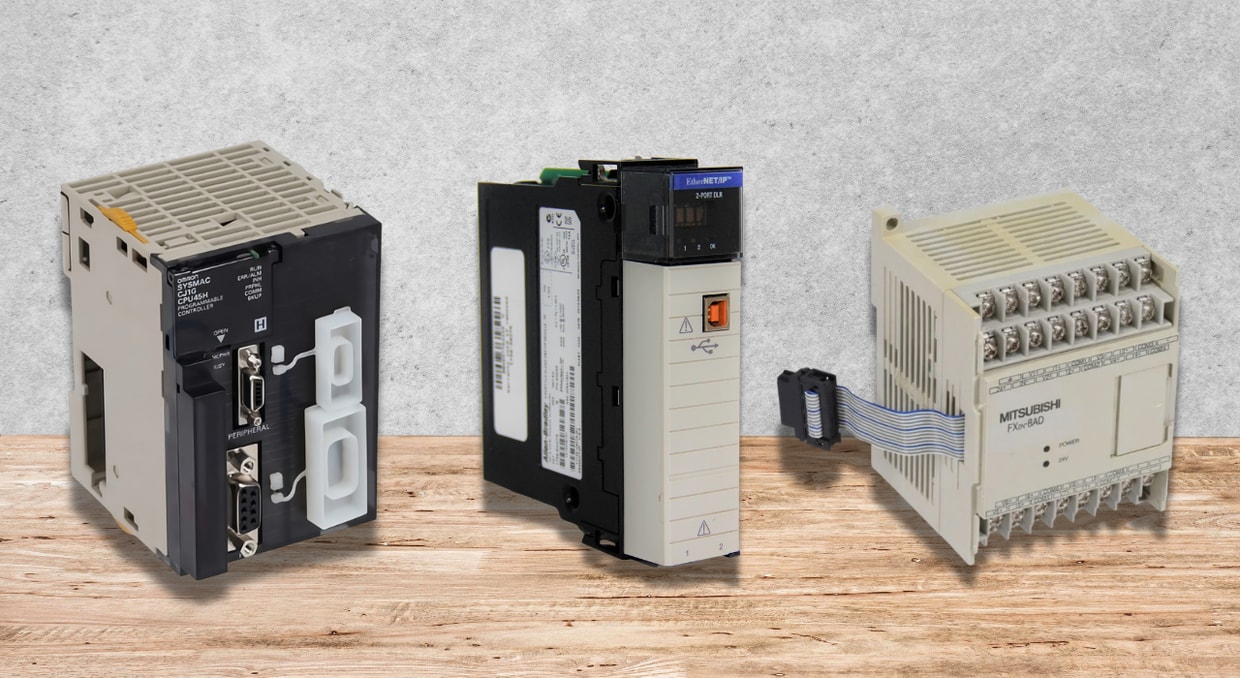
PLCs are considered the backbone of modern industrial automation systems. From the production of diverse devices to the operation of large, fully automated factories, the need for more precise, cost-effective control systems is stronger than ever. At the forefront of modern technological progress stands the Programmable Logic Controller (PLC), an industrial‑grade computer specifically designed to supervise and control devices, processes, and entire production lines in real time.
Nowadays, PLCs have progressed from basic relay-based units to modern computing platforms capable of managing sophisticated motion control, trend and alarm displays, data handling, process optimization, and interfacing with various cloud services. Consequently, the worldwide automation sector now includes many PLC Brands, each offering its distinctive design approach, advantages, and technological breakthroughs to the market.
Selecting the appropriate PLC is no longer straightforward. Engineers need to evaluate performance capabilities, scalability, communication standards, software platforms, cost, and compatibility with other industrial equipment. Therefore, understanding the advantages and market positioning of different PLC brands, from basic to high‑performance units, is crucial.
This piece offers an in‑depth look at the leading PLC brands, their main benefits, suitable uses, and the sectors where they genuinely shine.
The Function of PLCs in Today’s Industry
Before examining leading PLC brands, it is crucial to grasp why PLCs are indispensable in today’s world:
• They streamline repetitive tasks and minimize human mistakes
• They boost manufacturing pace and effectiveness
• They allow instantaneous data observation and troubleshooting
• They boost workplace safety
• They provide predictive maintenance support
• They interface with SCADA, HMI, robotics, and IoT systems
It can range from monitoring a single smoke detector or an exhaust fan in a manufacturing facility to managing a full-scale building management system. PLCs serve as the digital control system for modern automation, overseeing a full-scale chemical processing facility.
Different PLC manufacturers focus on different levels of complexity, so selecting the appropriate brand and model is essential for the successful implementation of any automation project.
Categories of PLC Systems: From Basic to High Performance
PLC systems are commonly divided into three primary groups. Various PLC manufacturers cater to each group, targeting its specific market requirements.
Introductory PLCs
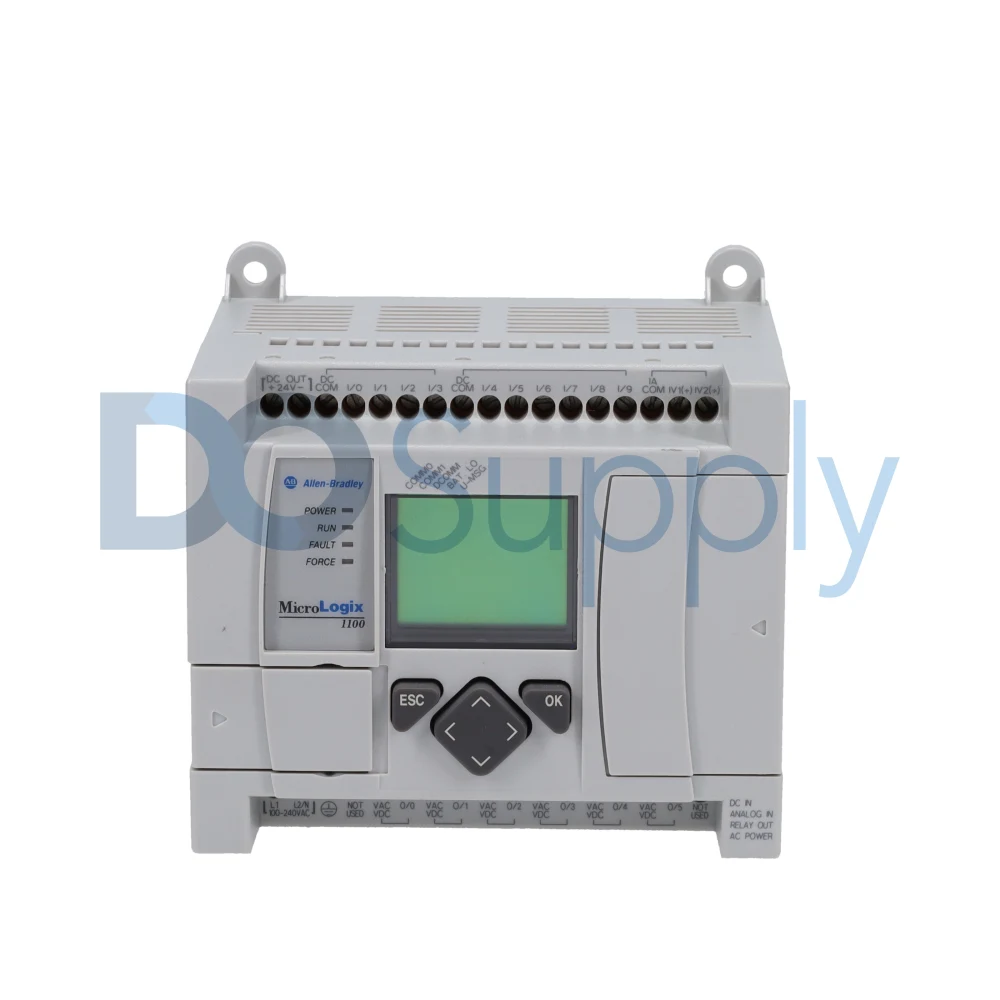
Entry‑level PLCs are frequently employed for simple automation tasks. These controllers are compact, straightforward to program, and affordable. They are perfect for:
• Basic mechanisms
• Fundamental motor regulation
• Compact packaging solutions
• Instructional and learning purposes
• Boutique production facilities
These PLCs typically have limited I/O (input/output) capacity, simple instruction sets, and simpler communication features. Typical novice PLC users comprise startups, smart cities, pumping and fire stations, important headquarters and data center buildings, and educational institutions.
Mid‑range programmable controllers
Mid-range PLCs strike a compromise between capability and cost. These PLCs are modular and scalable, with enhanced communication features.
They are primarily used in:
• Mid-sized manufacturing plants
• Production lines with multiple machines
• Mechanized packaging solutions
• Heating, ventilation, and air‑conditioning units
• Water purification plants
Numerous PLC manufacturers focus heavily on this market segment, as it serves many industries and applications.
High‑Efficiency PLCs
High‑performance PLCs are built for demanding and intricate processes. They include:
• Lightning‑quick processing performance
• Backup systems
• Enhanced safety features
• Instantaneous communication
• Motion management and robotics integration
• Cloud and analytics linkage
These PLCs are employed in sectors where even a minor malfunction may lead to huge losses, such as:
• Petroleum and Natural Gas
• Electricity production
• Vehicle production
• Spaceflight industry
• Drug manufacturing facilities
• Extensive intelligent manufacturing facilities
Many leading global PLC brands compete directly in this high‑performance category. Some of them are listed below:
Siemens
Siemens is commonly recognized as one of the most sophisticated PLC brands globally. Its SIMATIC line serves nearly all industrial sectors, including transportation, power generation, manufacturing, and infrastructure.
Advantages of Siemens PLCs
• Scalability Options: The S7-1200, S7-1500, and S7-300/400 series span all application tiers.
• High Data Processing Speed: Ideal for machine automation, robotics, and synchronized motion applications.
• Advanced Diagnostics: Streamlines troubleshooting and maintenance.
• Cybersecurity Functions: Integrated safeguarding of data and networks
Siemens PLCs are widely used in automotive assembly lines, intelligent factories, railway automation systems, and the chemical industry. Their dependability and worldwide support network solidify Siemens as a leading force among PLC Brands.
Rockwell Automation
Allen-Bradley, owned by Rockwell Automation, stands among the most esteemed PLC brands, especially in North America and Western Europe. Their CompactLogix and ControlLogix platforms are viewed as industry standards in advanced automation.
Key benefits of Allen-Bradley PLCs
• Unified Logix Architecture: Ensures uniformity among various controller families.
• Smooth Motion Integration: Operates perfectly with Kinetix servo motors and PowerFlex drives.
• Extended‑life products: Ideal for plants needing prolonged assistance.
• Heavy Industry Reliability: Utilized in automotive, steel, mining, and pharmaceutical plants.
Allen‑Bradley PLCs are particularly recognized for their dependability in harsh environments. This makes Allen‑Bradley one of the premium PLC Brands in high‑performance control systems.
Mitsubishi Electric
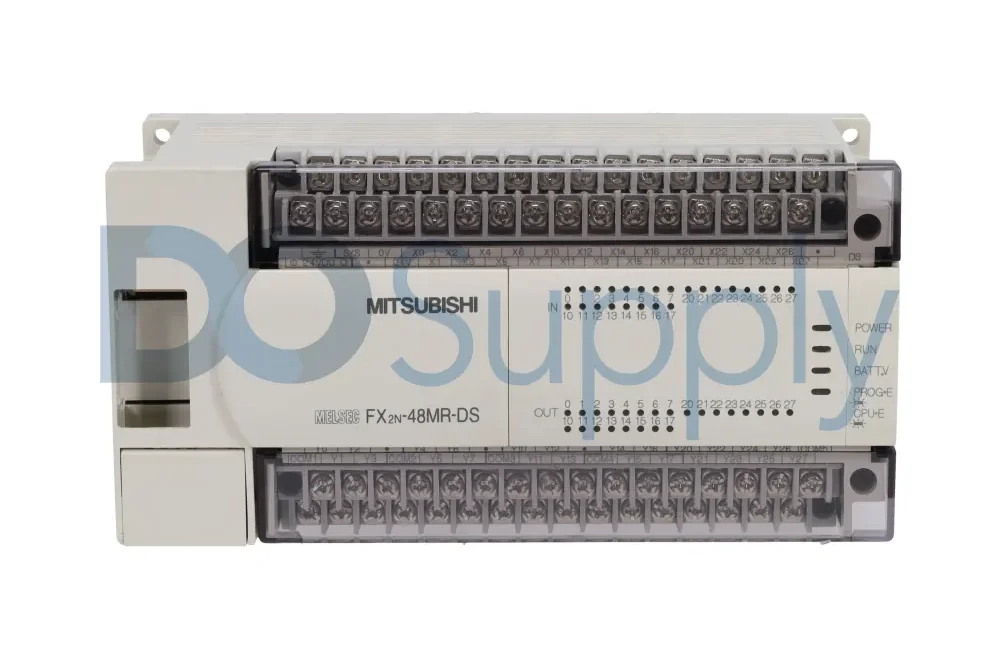
Mitsubishi Electric stands as one of the leading Japanese PLC brands, especially in Asia. Renowned for their rapid processing and compact design, Mitsubishi PLCs are ideal for fast‑paced production processes.
Advantages of Mitsubishi PLCs
• Outstanding Motion Control
• Rapid Counters and Data Processing
• Compact Dimensions
• Robust integration with Mitsubishi Servo and CNC Systems
• Energy‑Saving Operation
Mitsubishi’s MELSEC series is commonly used in the manufacturing of electronic devices, textile machinery, packaging systems, and semiconductor fabrication lines. Manufacturers who need precision, uniformity, and rapid response frequently select it.
Schneider Electric
Schneider Electric has built a solid standing among PLC Brands by merging automation know-how with energy management solutions. The Modicon PLC series continues to be among the most reliable in process automation.
Advantages of Schneider Electric PLCs
• Creator of the Modbus Protocol
• Clear Emphasis on Sustainability
• Adaptable Modular Arrangements
• Ideal for infrastructure projects
Schneider PLCs lead in sectors such as:
• Electrical power distribution
• Intelligent electricity networks
• Petroleum and natural gas
• Water and sewage treatment
• Sustainable power
Their emphasis on Green Energy and eco‑friendly industrial growth positions them as forward‑looking leaders within PLC Brands.
Omron
Omron distinguishes itself among PLC Brands for its expertise in intelligent sensing technology, machine vision, and advanced automation solutions.
Advantages of Omron PLCs
• Excellent choice for rapid packaging operations
• Smooth Sensor and Vision Fusion
• EtherCAT High‑Velocity Networking
• Streamlined and Effective Designs
• Ideal for Precise Control
Omron PLCs are crucial in sectors that rely on monitoring, visual inspection, and high‑precision tasks, such as pharmaceuticals, food processing, and electronics production.
ABB
ABB operates worldwide as an engineering firm with a strong emphasis on heavy industry, process automation, and power systems. It stands among the most well‑known premium PLC brands suited for tough, demanding settings.
Advantages of ABB PLCs
• Incomparable Resilience
• Backup Systems for Essential Operations
• Enhanced Process Automation
• Interfacing with DCS (Distributed Control Systems)
• Outstanding Worldwide Technical Assistance
ABB PLCs are utilized in high‑risk environments such as:
• Petroleum processing plants
• Electric generation facilities
• Industrial chemical plants
• Off‑shore installations
• Mineral processing facilities
Among PLC brands, ABB leads in industrial power and control for critical infrastructure.
Delta Electronics
Delta ranks among the rapidly expanding PLC Brands, recognized for its cost‑effectiveness while maintaining quality.
Advantages of Delta PLCs
• Affordable, Highly Reliable
• Simple Programming API
• Small Form Factor
• Effective integration with HMIs and VFDs
• Ideal for Cost‑Sensitive Projects
Delta PLCs suit small manufacturers, new ventures, and emerging markets that want to implement automation without large upfront costs.
New Developments in PLC Brands
Leading PLC manufacturers are swiftly transitioning to emerging technology trends, such as:
• Automation driven by artificial intelligence
• Edge computing functionalities
• Cloud-managed PLC systems
• Digital Twins used for simulation
• Industrial communication with 5G
• PLCs with integrated cyber‑security
Contemporary PLCs are evolving into smart control platforms capable of more than simple automation. They now function as data‑processing devices that enable predictive analytics and intelligent decision‑making.
This development will make selecting the appropriate PLC Brands for each use case even more crucial.
Final Thoughts
In conclusion, in the current automation‑focused era, PLC Brands serve as the bedrock of industrial advancement. Whether in modest workshops or massive factories, these controllers enable production that is quicker, safer, and more intelligent.
Siemens and Allen‑Bradley dominate the high‑performance market. Mitsubishi and Omron provide unrivalled precision and speed. Schneider and ABB lead in the energy and process sectors. Delta offers affordable solutions for emerging markets. Each of these PLC Brands contributes a distinct part to shaping automation’s future. Successful control system design hinges not on picking the priciest PLC, but on choosing the PLC brand that best fits your technical needs, industry sector, system complexity, and future objectives. As smart factories and Industry 4.0 continue to grow, the impact of robust, clever PLC Brands will become even greater. Selecting carefully today leads to a smarter, more efficient tomorrow.
For those wanting to step into the PLC scene, we at DO Supply carry hundreds of different models from reputable brands, like the ones we went over, that you can trust. We ship same day, and all of our products are protected with our two-year warranty. We also stock PLC accessories, drives, motors, and everything in between to help automate your system. We also have a blog going over analog and digital inputs for those who would like to learn a bit more about PLCs here.
DO Supply Inc. makes no representations as to the completeness, validity, correctness, suitability, or accuracy of any information on this website and will not be liable for any delays, omissions, or errors in this information or any losses, injuries, or damages arising from its display or use. All the information on this website is provided on an "as-is" basis. It is the reader's responsibility to verify their own facts.