Components of CNC Machines and Their Functions in Automation
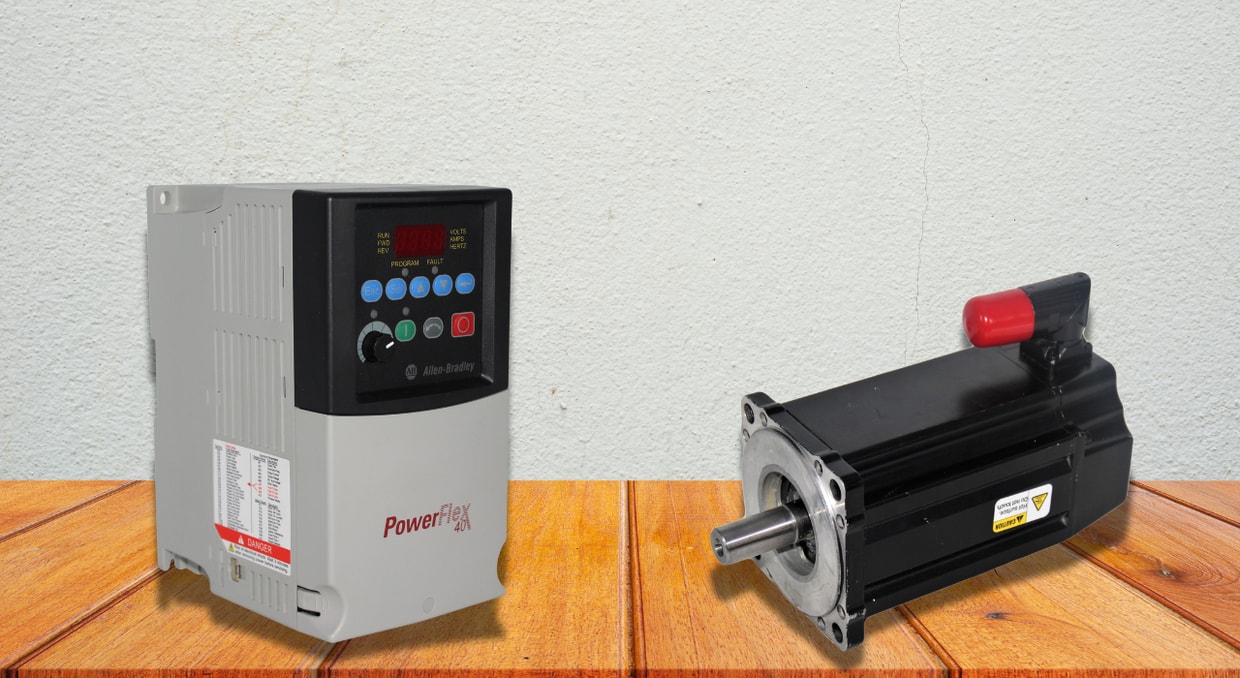
Automated manufacturing depends on the accuracy and reliability of computer numerical control (CNC) technology. The operation of a CNC depends on the optimal integration of various CNC machine parts. Each part of a CNC machine has a specific function in translating design codes into a physical product with minimal human intervention. This article explains the operational framework of a CNC machine by describing the specific functions of each key part in the automated manufacturing process.
Central Control and Interface Components
The command and monitoring center of the system comprises several major machine components.
In a CNC machine, the machine control unit (MCU) serves as the centralized processor. It understands the G-code and M-code programming, determining the movement path and the function of operating all other components in the machine. It converts the data from the programming into electrical signals to actuate the machine’s drive system.
The control panel represents the main human-machine interface. The control panel integrates the input/output devices, such as keyboards or USB connections, for program loading and manual data entry. An overall display unit provides real-time information on the machine’s status, the axes’ positions, program execution, and error messages.
Structure Fundamentals and Fixturing
The mechanical integrity of the operation depends upon strong structural CNC machine parts.
The Bed serves as the hard, vibration-dampening foundation, which is always made of cast iron or a polymer-based composite. It is the base that allows all other moving parts in the CNC machine to work without the possibility of the accuracy being affected by deflections.
The workholding devices hold the material. The chuck, whether self-centering three-jaw or independent four-jaw, is a standard feature of a lathe. Vises, clamps, and fixture plates are employed for mills. The function of the tailstock, often incorporating a moving tailstock quill, is of prime importance regarding the provision of live or dead center support to long parts on a turning center.
Motion and Drive Systems
Precision movements are controlled by a set of CNC machine components that are interdependent.
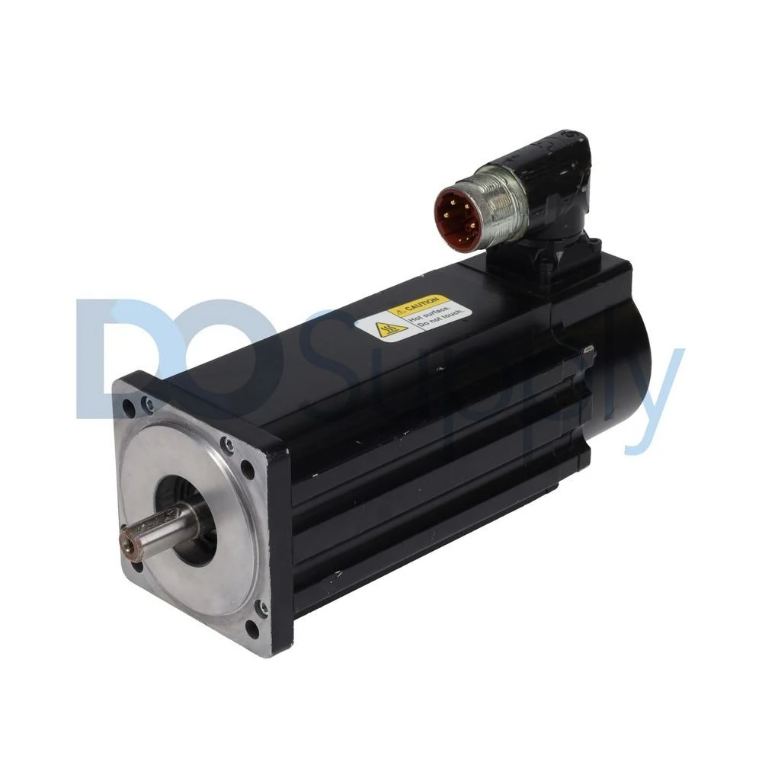
The driving system uses servo or stepper motors for each axis. These motors receive electrical signals from the MCU and convert them into rotary motion. Ball screws and linear guides are essential parts of a CNC machine that convert rotary motion into linear motion along the X, Y, and Z axes with very little friction and backlash. There may also be extra rotary axes, such as A, B, or C axes. The Feedback System, comprising various encoders and sensors, is essential to closed-loop control systems. These are CNC machine components that continuously monitor axis position, motor speed, and torque, providing instant feedback to the MCU. These allow instant changes when the desired path shifts, providing nanometer-level accuracy.
Spindle and Tooling Assembly
The job of removing materials is done by the spindle and the tooling machine parts.
The Spindle: This is a highly precise rotator, mounted either in the headstock of a lathe or in the column of a mill. It provides power to the cutting tool. This also has relevance with respect to dimensions, including surface finish and material removal rate.
Cutting tools, such as end mills, drilling tools, and cutters, are composed of the parts that participate in machining. All these cutting tools are held in place by the Tool Holder to ensure high concentricity and the pull-down force required for cutting. The Automatic Tool Changer enhances automation in CNC machining by automatically changing the specified parts of a CNC machine based on the program being run.
Auxiliary and Support Systems
The supporting components of a CNC machine play an essential role in its longevity.
The functions of the coolant & lubrication System include removing heat from the cutting zone, removing chips, and reducing friction. The cooling function extends cutter life and helps prevent workpiece deformation from heat.
A footswitch or pedal may not be present on all machines, but it is used to operate functions such as the spindle on/off or the chuck without using both of the operator’s hands.
The emergency stop circuit is a critical safety feature. It allows immediate shutdown of motion and power to the drives and spindle.
Configuration-Specific CNC Machine Parts
The organization of components and specialization for CNC machines differ by machine type.
In the category of CNC milling machines, spindle orientation marks the specialty of the CNC machine. In vertical machining centers, the spindle is vertically mounted, and the machine resembles a machining center, with fewer ATC systems, while in horizontal machining centers, the spindles are horizontally mounted, with a rotary indexing table or twin-pallet system, ideal for production work on multi-sided objects.
CNC Turning Machines (Lathes)
These machines consist of a turret and a revolving index, each with a set of cutting tools mounted. These facilitate turning, drilling, and threading operations, which can be done one after the other on the CNC turning machine without stopping. The collet system may also be used instead of the chuck system while turning.
In subtractive machines, there are special CNC components. In a CNC laser cutter, there is a laser generator, a beam delivery optics, and a focused cutting head. In a CNC plasma cutter, there is a plasma torch and a high-voltage power supply. A CNC waterjet cutter includes an intensifier pump that generates ultra-high water pressure, an abrasive injection system, and a cutting head.
Part of Automated Manufacturing Systems
In automated manufacturing, these components of CNC machines function in an integrated manner, forming a well-coordinated cyber-physical system. The steps followed by this system start from the CAD file, which gets translated into tool paths for CAM machines (G-code). The program gets accessed via the input device. The MCU controls the entire system; it instructs the drive motors and ball screws to move the workpiece to the desired location, instructs the ATC to move for tool change, sets the spindle speed in RPM, and activates the coolant system. All this is done while the system is under the feedback system’s supervision.
Such integration provides the best attributes of an automated system, including quality, the ability to repeat the task, and the capacity to run the process unattended for a long period of time. The quality of the CNC components is demonstrated by the accuracy of the linear guides and encoders, which enable low waste levels.
Upgrades
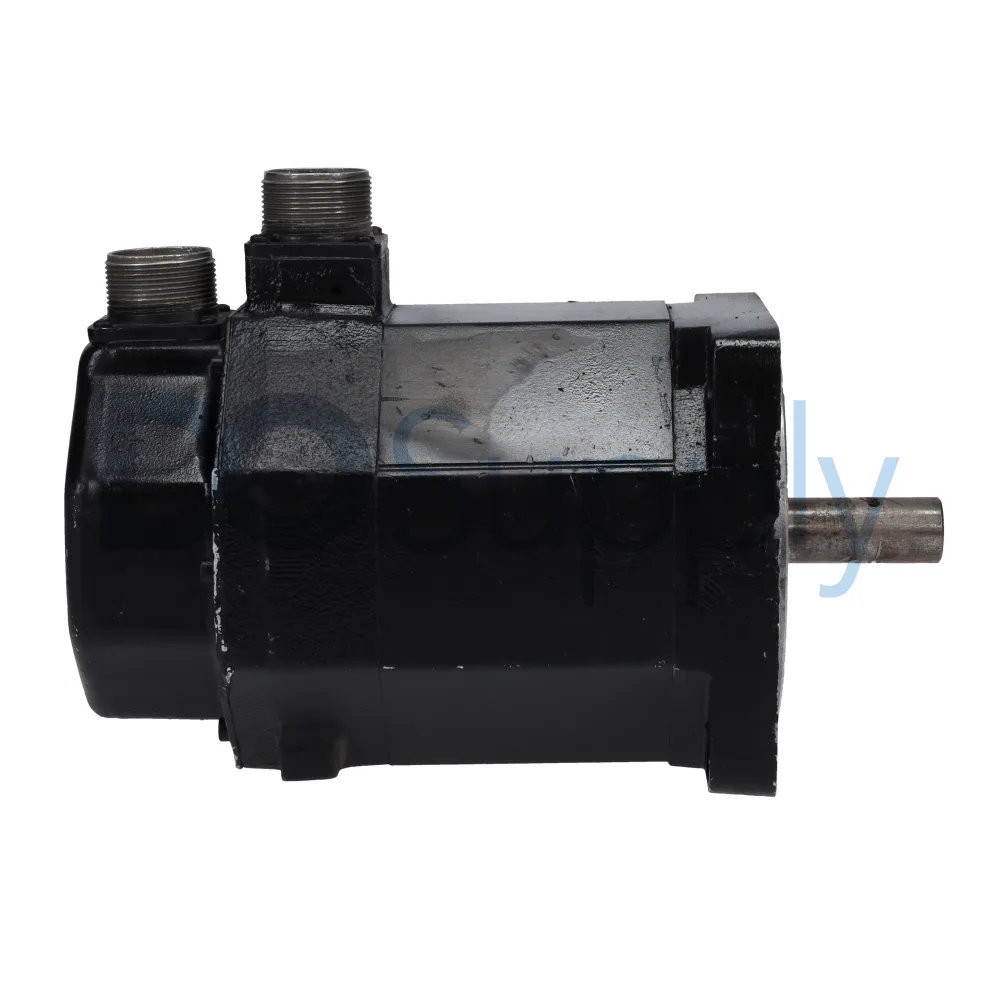
Upgrades to the parts of CNC machines can increase their capabilities. Upgrading the latest MCU with more processing power or new software can enable superior toolpath strategies. Replacing the old drives or motors with ones that offer more torque or respond more quickly is better. Providing systems for probes or gauging in-process, sophisticated sensor-based parts for CNC machines enhances the quality loop through automated component measurement.
Conclusion
As far as the efficacy of an automatic manufacturing environment is concerned, performance and integration, essentially the essence of CNC machine parts, constitute its prime backbone. Beginning from the calculations done by an MCU to the level of machinability offered by a ball screw, every aspect is just another pivotal component away from being fully formed, from digital code to actual reality without human involvement. It is an absolute necessity to comprehend these aspects.
Here at DO Supply, we offer supporting equipment for CNC machines, such as drives, motors, PLCs, and safety equipment. All of our products also ship with a two year warranty. We also have another blog post here going over the differences between stepper and servo drives here! So stop on by today to see what we can DO for you!
DO Supply Inc. makes no representations as to the completeness, validity, correctness, suitability, or accuracy of any information on this website and will not be liable for any delays, omissions, or errors in this information or any losses, injuries, or damages arising from its display or use. All the information on this website is provided on an "as-is" basis. It is the reader's responsibility to verify their own facts.