The Best PLC Brands for Toxic and Hazardous Environments
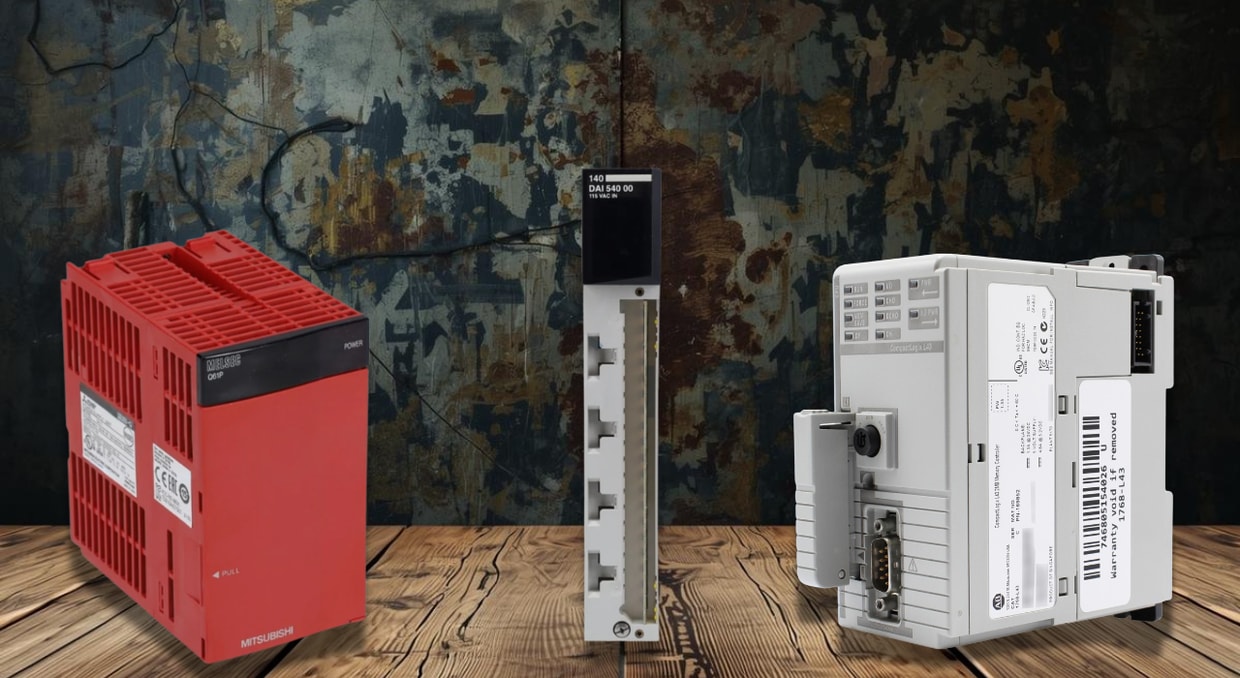
Industrial control systems used in hazardous or toxic industrial environments require significantly more rugged designs and higher environmental ratings than those used in conventional factory automation. These environments may contain corrosive vapors, conductive dust, explosive gases, high humidity, strong electrical noise (RFI/EMI), and extreme temperatures. Common examples include combustible-dust facilities, offshore oil and gas platforms, pharmaceutical synthesis plants, chlorine-based water treatment systems, fertilizer production sites, underground mines, and hydrogen processing facilities.
Under such conditions, a control system malfunction is not merely a production issue but also a potential safety hazard to personnel, infrastructure, and the surrounding environment. For this reason, Programmable Logic Controllers (PLCs) deployed in hazardous facilities must meet strict environmental and international standards governing functional safety, durability, and explosion protection. These typically include certifications such as UL Class I Division 1 (C1D1), UL Class I Division 2 (C1D2), IECEx, ATEX, CSA, and Safety Integrity Levels (SIL 2 or SIL 3).
This article compares four leading PLC brands—Allen-Bradley (Rockwell Automation), Siemens, Schneider Electric, and Mitsubishi Electric—to assess their suitability for toxic and hazardous industrial settings. Each platform is reviewed based on safety features, hardware durability, networking capabilities, hazardous-location certifications, environmental ratings, and common industrial uses.
Allen-Bradley PLC Brands for Hazardous Environments
Allen-Bradley PLC brands from Rockwell Automation are among the most widely used controllers in safety-critical and hazardous industrial environments worldwide. They are commonly deployed in large-scale manufacturing systems such as robotics, production and assembly lines, material handling, and packaging, as well as in oil and gas facilities, petrochemical refineries, food and beverage processing plants, mining operations, heavy chemical processing, and offshore platforms. Their widespread adoption stems from high-availability architectures, integrated safety capabilities, and rugged enclosures with high IP (Ingress Protection) ratings.
The Allen-Bradley product portfolio includes several PLC brands that meet strict industry safety certifications, including ATEX Zone 2, IECEx, cULus, Class I Division 2, and Class II Division 2. These certifications allow deployment in environments where combustible dust, corrosive vapors, or explosive gases may be present under abnormal operating conditions, such as equipment failure. When installed in explosion-proof (Ex ‘d’) or intrinsically safe (IS) enclosures, standard Allen-Bradley PLC brands can also be used in more restrictive hazardous areas classified as Class I Division 1 or Zone 1.
Key Features
Allen-Bradley PLCs suited for use in toxic and hazardous industrial environments feature the following:
- Global Safety Certifications: They are designed to meet comprehensive international safety regulations, including IECEx, ATEX, Class/Zone 1 or 2, and cULus certifications.
- Conformal Coating: Various Allen-Bradley PLC brands include factory-applied conformal coating, which provides a protective shield against corrosive gas, conductive dust, and moisture. Such PLCs are identified by a “K” suffix in their catalog number, such as the 1756-L73K ControlLogix PLC and the 5069-L310ERMK CompactLogix PLCs. In Chlorine-based water treatment facilities, long-term reliability is ensured by using conformally coated CompactLogix controllers.
- Integrated SIL 3 Safety: Allen-Bradley GuardLogix PLC brands include integrated SIL 3 safety options that are compliant with IEC 62061 (machine-specific) and IEC 61508 (generic) functional safety standards. The integrated safety functions allow the execution of both safety and standard control logic in a single platform, reducing control system complexity. This ensures reliable system performance and rapid shutdown in high-risk infrastructure such as oil refineries and gas compressor stations.
- Explosion-Proof and Pressurized Enclosures Compatibility: Most Allen-Bradley PLC brands can be enclosed in explosion-proof (Ex ‘d’) and types Z, X, and Y pressurized/purged (Ex ‘p’) enclosures. This allows safe deployment of the PLCs in ATEX Zone 1 and Class 1, Division 1 industrial settings. Explosion-proof enclosures are heavy-duty, rugged cabinets designed to contain internal explosions, preventing them from igniting surrounding hazardous gases, vapors, or dust commonly found in Class 1, Division 1 environments.
- Extreme Temperature and Vibration Tolerance: Various Allen-Bradley PLC brands, like the ControlLogix-XT and specific Micro800 series PLCs, are designed to operate in extreme temperatures ranging from -25°C to 70°C. The “XT” PLC versions are also usually conformally coated and meet specific safety requirements (ANSI/ISA-S71.04-1985 Class GX, G3, G2, or G1), which enable them to withstand higher levels of mechanical vibration. Such PLC brands are a great choice for offshore platforms, drilling rigs, and mining machinery that are repeatedly subjected to mechanical stress.
Leading Allen-Bradley PLC Brands for Toxic and Hazardous Environments
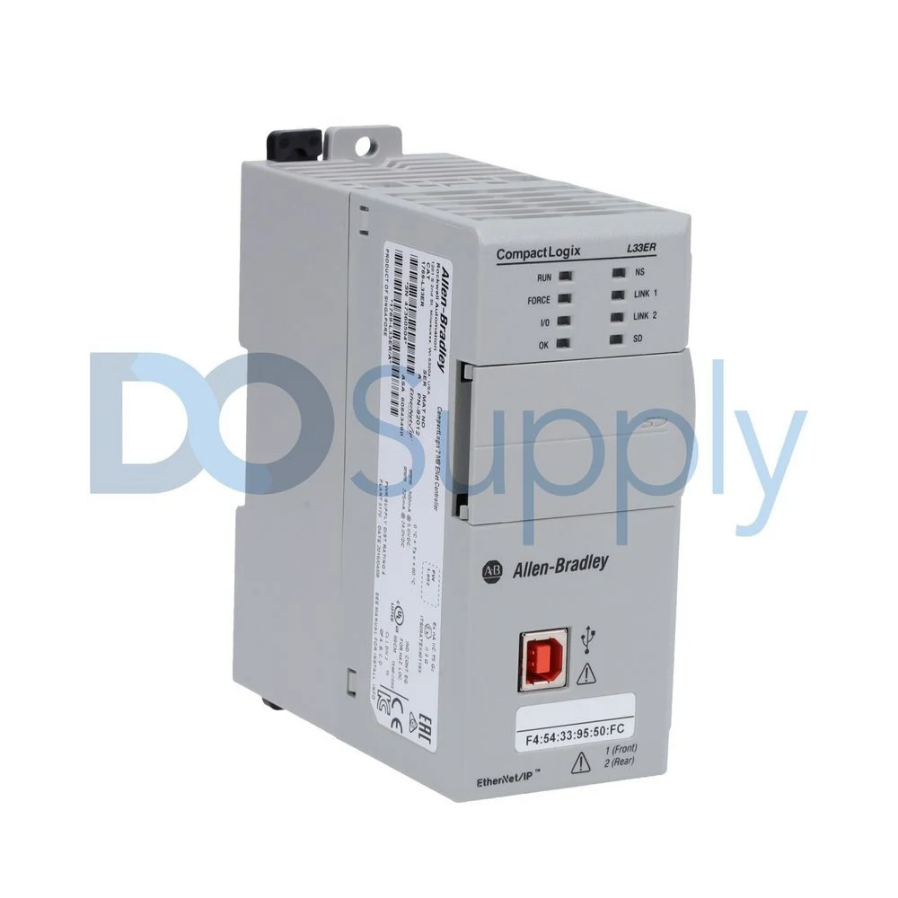
- ControlLogix Series: Certain Allen-Bradley ControlLogix PLC models are available with Class 3C2, IEC 60721-3-3, and 3C3 conformal coating, which offers resistance against corrosive gases, including Chlorine (Cl₂), Hydrogen Sulfide (H₂S), and Sulfur Dioxide (SO₂). GuardLogix variants combine standard and safety control within a single controller and support SIL 3 and SIL 2 safety functions for burner management systems, emergency shutdown systems, and critical safety interlocks.
- CompactLogix Series: Specific CompactLogix PLC models like the 5069-L340ERP and 5069-L320ERP are conformally coated for corrosive and humid atmospheres common in food & beverage, oil & gas, and chemical industries. The Compact GuardLogix PLC brands provide integrated, state-of-the-art solutions for safety-rated (SIL 2 and SIL 3) applications. Standard CompactLogix normally requires heavy-duty and explosion-proof enclosures for use within Class I, Division 2 locations.
- MicroLogix Series: Some Allen-Bradley MicroLogix PLC brands (e.g., the MicroLogix 1400) feature a rugged design ideal for harsh industrial settings, but they are not inherently suited for use in toxic and hazardous environments. They therefore require specific explosion-proof and intrinsically safe enclosures rated for use in Class I, Division 2 or Zone 2 hazardous areas.
A Look into Siemens PLC Brands
Siemens SIMATIC PLC brands are globally recognized for state-of-the-art engineering, high-speed processing capabilities, and robust industrial cybersecurity frameworks. These PLCs are extensively used in a diverse range of industrial applications, including hydrogen production, critical energy infrastructure, pharmaceutical manufacturing, and chemical processing atmospheres where hazards are prevalent. Siemens prioritizes modular system design, comprehensive diagnostics, real-time troubleshooting, and long-term lifecycle support.
The SIMATIC portfolio features intrinsically safe PLCs and distributed I/O modules (e.g., the Siemens ET 200iSP series) that are designed to meet IECEx, Class 1 Division 2, and ATEX Zone 2 safety regulations. This range of certified Siemens PLC brands supports decentralized automation in hazardous environments. They are particularly suitable for industrial facilities with fast-acting safety requirements and aggressive chemical exposure.
Main Features
Siemens PLC brands designed for toxic and hazardous industrial environments offer the following capabilities:
- High-Speed Processing: Siemens PLCs deliver deterministic high-speed control with cycle times under one millisecond. This enables rapid fault detection and shutdown logic in hazardous applications such as high-pressure gas compression, hydrogen production, and volatile chemical processing. High-speed backplane communication, dedicated processing resources, and optimized task prioritization allow precise monitoring, safety interlocks, and timely emergency shutdown responses.
- 3C4-Rated Conformal Coating: Siemens offers conformal-coated PLC modules compliant with IEC 60721-3-3 Class 3C4, protecting against high humidity, corrosive gases, and acidic vapors. This coating protects circuitry in chemically aggressive environments, such as facilities handling ammonia, chlorine, sulfuric acid, or nitric acid, while maintaining signal integrity and extending the lifespan of control systems.
- Advanced Cybersecurity: Siemens PLC brands incorporate layered cybersecurity protections aligned with IEC 62443 standards. Features such as secure boot, role-based access control, certificate authentication, and encrypted OPC UA communications protect PLCs, HMIs, and supervisory systems from unauthorized access and cyber threats that could compromise safety logic.
- Distributed Architecture: Intrinsically safe distributed I/O systems, such as the SIMATIC ET 200iSP, support decentralized automation in Zone 2 hazardous environments. Locating I/O modules closer to field devices reduces wiring complexity, minimizes signal loss, and improves system resilience through fault isolation and simplified I/O expansion.
Best Siemens PLC Brands for Toxic and Hazardous Environments
- SIMATIC ET 200SP: This product line includes intrinsically safedistributed I/O systems and ET 200SP PLC controllers engineered for decentralized control architectures. ET 200SP PLC brands feature Zone 2 certifications and conformal coating options. They can thus be installed next to electronic field I/O devices in hazardous zones, significantly enhancing signal integrity and reducing electrical wiring complexity.
- SIMATIC S7-1200 G2: The S7-1200 G2 is a high-performance yet compact Siemens PLC designed for small and mid-sized applications in hazardous environments. The fail-safe (F) models support advanced safety functions, providing reliable performance in gas-detection systems, toxic-material handling equipment, and chemical-dosing units. S7-1200 G2 PLCs in rugged, corrosion-resistant enclosures make them suitable for Zone 2 and chemically harsh environments, despite their reduced footprint.
- SIMATIC S7-1500 Series: The S7-1500 series represents Siemens’ flagship PLC product line that provides advanced diagnostics, exceptional execution speed, and integrated cybersecurity. Most S7-1500 PLC brands are widely deployed in Ammonia plants, Hydrogen electrolyzes, and explosive gas compression systems, and are certified for hazardous environments, particularly non-explosion-proof (Class I, Division 2) areas. The fail-safe S7-1500 PLC models offer a combination of high-speed processing capabilities, PL e/SIL 3-rated integrated safety functions, and deterministic behaviour, making them a perfect choice for safety logic and fast-response interlock.
Mitsubishi Electric PLC Brands to Look For
Mitsubishi Electric’s MELSEC PLC brands are prominent due to their modular, compact design, energy efficiency, and high reliability. They are widely used in electronics manufacturing, chemical dosing, hazardous-area robotics, and mining, but are less dominant in gas and oil plants. Their strength lies in durable hardware design and efficient temperature performance.
Key Features
The following key features make MELSEC PLC brands suitable for use in toxic and hazardous industrial environments.
- Ultra-Compact Design: Mitsubishi Electric PLCs feature an ultra-compact design and can thus be installed in tight pressurized or purged IP65+/NEMA 4 -rated enclosures to safely operate in hazardous industrial environments.
- Safety Certifications: Certain standard Mitsubishi PLC brands, such as the MELSEC-FX and MELSEC iQ-R, are generally certified for use in potentially hazardous locations under abnormal operating conditions, classified as Class 1, Division 2, and IECEx/ATEX Zone 2/22.
- High Reliability in Harsh Conditions: Specific MELSEC PLC modules are IP67 rated and have reinforced environmental protection, which makes them appropriate for use in severe industrial environments. Some of these modules also conform to safety standards like IEC61131-2 for vibration and mechanical shock resistance.
- Energy-Efficient Operation: MELSEC PLCs exhibit low power consumption, which significantly minimizes heat dissipation. This is crucial in enclosed hazardous zones with limited cooling alternatives. Excess heat within enclosed hazardous zones can also be a direct ignition source for potentially explosive atmospheres.
Flagship Mitsubishi PLC Brands for Toxic and Hazardous Environments
- MELSEC iQ-R Series: These PLC brands are mostly deployed in solvent handling equipment, hazardous robotic cells, and chemical reactors in which reliability and accurate control are needed. The MELSEC iQ-R series provides high functionality with options for conformal coating, network redundancy, and safety integration.
- MELSEC- FX Series: Specific PLC models within the MELSEC-FX controller seriesmeet Class 1, Division 2, and IECEx/ATEX Zone 2/22 certifications for use in hazardous zones, provided they are installed as recommended.
- MELSEC iQ-F Series: The MELSEC iQ-F series is versatile and small, making it ideal for small-sized machinery in hazardous zones, dust collection systems, and toxic gas scrubbers. Its unified design reduces enclosure size needs in hazardous installations.
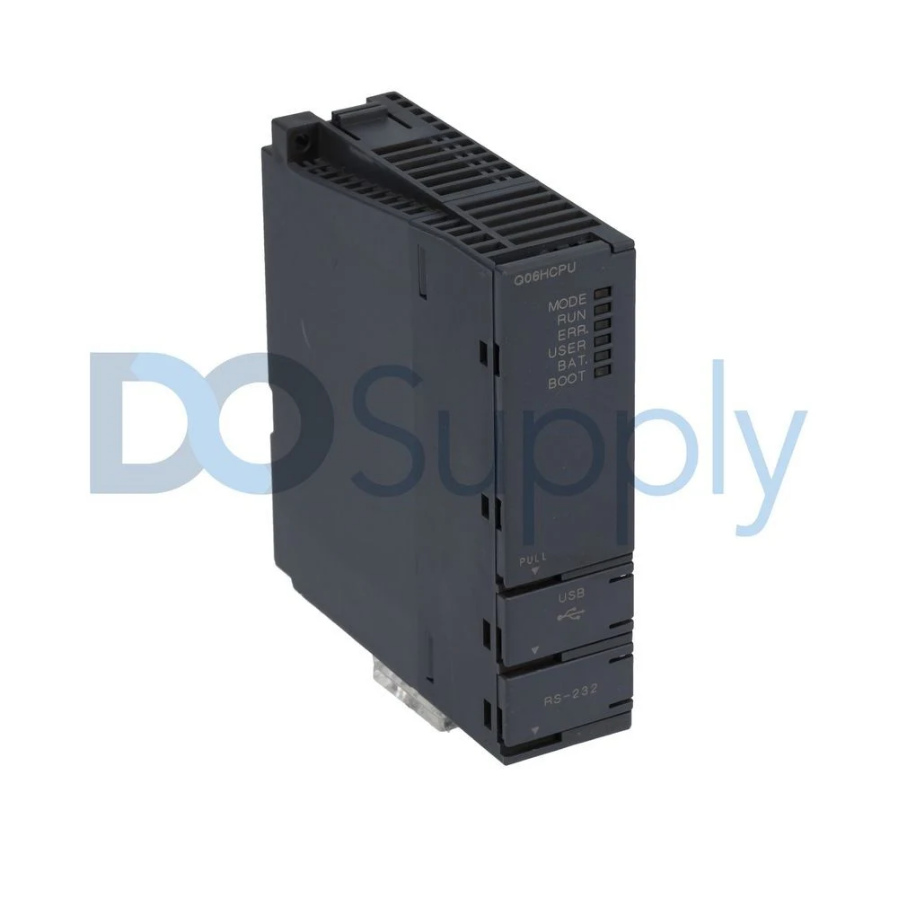
- MELSEC-Q Series: This PLC series is extensively deployed in mining operations and also supports multi-CPU architecture. Its resistance to conductive dust and vibration makes it ideal for surface and underground mining zones.
Hazard Resistant Schneider Electric PLC Brands
Schneider Electric’s Modicon PLC brands are extensively used in building automation, water treatment, transport infrastructure, and chemical processing. Schneider PLCs are suitable for use in hazardous zones that require extensive system integration. This is because they emphasize IoT integration, engineering proficiency, and open architecture.
Key Features
Key features that make Schneider PLC brands suitable for toxic and hazardous environments include:
- Open System Architecture: Schneider PLCs feature an entirely open architecture that supports numerous industrial protocols, allowing integration with both modern and legacy control systems in hazardous areas.
- Achilles Level 2 Certification: Modicon PLC brands featuring this level of cybersecurity certification provide enhanced protection against cyber threats that can greatly compromise safety-critical operations.
- Scalable Performance: Schneider offers scalable control solutions and inherently safe distributed I/O systems for robotics and process control in hazardous zones.
- User-Centric Engineering Tools: Drag-and-drop libraries available with Modicon PLCs simplify commissioning and reduce engineering errors in hazardous applications.
Popular Schneider PLC Brands for Toxic and Hazardous Environments
- Modicon M251: The M251 series delivers dual-channel communications and advanced performance. This makes it suitable for hazardous applications that require integration with MES, SCADA, and ERP platforms.
- Modicon M221: The M221 is a nano PLC brand that is formulated for ventilation systems, chemical dosing, and toxic gas tracking applications. Its hazardous location certifications and miniature size make it ideal for localized control tasks.
- Modicon M241: The M241 micro-PLC is fabricated for explosive dust systems, combustible material packaging, and solvent handling applications. It supports enhanced motion and communication control in hazardous equipment.
Final Thoughts
If you’re selecting a PLC for a hazardous or chemically aggressive environment, sourcing reliable hardware is just as important as choosing the right platform. At DO Supply, we stock a wide range of Allen-Bradley, Siemens, Schneider Electric, and Mitsubishi PLCs, all backed by our industry-leading two-year warranty. Browse our available inventory or reach out to our team of technicians for help finding the right controller for your application. If you would like to learn more about hazards and industrial grading, we have an article here that explains what PLC manufacturers mean when they label their products as “industrial grade”.
DO Supply Inc. makes no representations as to the completeness, validity, correctness, suitability, or accuracy of any information on this website and will not be liable for any delays, omissions, or errors in this information or any losses, injuries, or damages arising from its display or use. All the information on this website is provided on an "as-is" basis. It is the reader's responsibility to verify their own facts.