How Smart Motor Controllers Contribute to Predictive Maintenance and Reduced Downtime
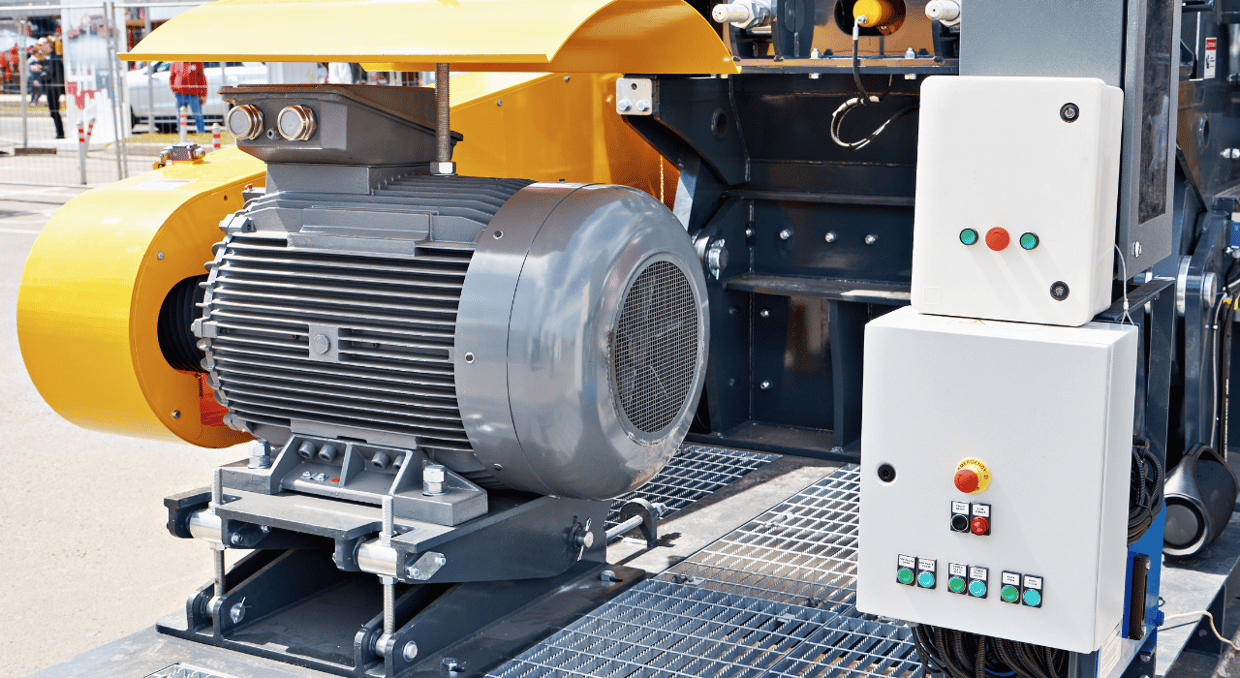
Smart motor controllers (SMCs) use cutting-edge technology to monitor, diagnose, and modify motor operations. This allows SMCs to play a crucial role in predictive maintenance and downtime reduction. Through real-time monitoring and diagnostics, SMCs continually gather data on important parameters, including voltage, current, and temperature, spotting abnormalities early to prevent failures. In this article, we will discuss different aspects of how smart motor controllers contribute to predictive maintenance.
Real-time Monitoring and Diagnostics
Smart motor controllers (SMCs) provide real-time diagnostics and monitoring, which greatly aid in predictive maintenance and decreased downtime. SMCs can stop possible failures by continually collecting data on vital factors, including voltage, current, and temperature. This allows them to identify anomalies early on. For example, the TeSys T system from Schneider Electric provides comprehensive diagnostics in real time to fix problems before they arise. Similarly, SIMOCODE Pro V from Siemens gathers and examines operating data to forecast maintenance requirements. Real-time insights are also provided by PowerFlex 755 drives from Rockwell Automation, allowing for prompt remedial action. By reducing unexpected downtime, improving dependability, and guaranteeing timely maintenance, these features maximize the lifespan and performance of motors.
Automatic Fault Detection
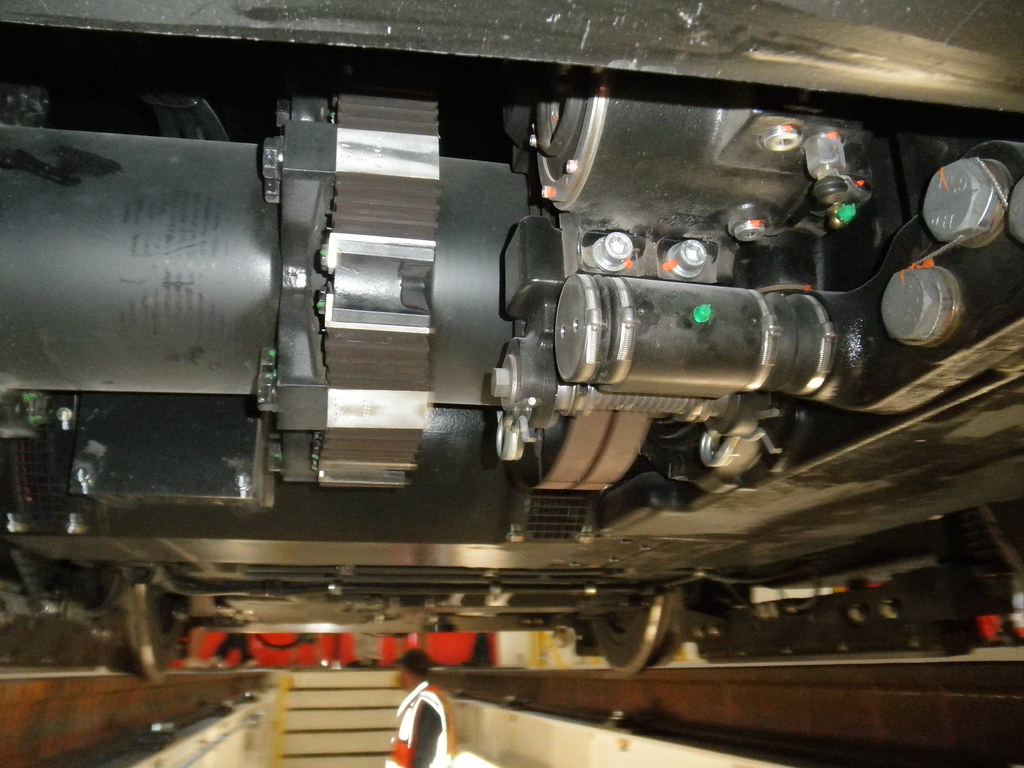
By automatically detecting faults, smart motor controllers (SMCs) improve predictive maintenance and save downtime. The time spent troubleshooting issues can be greatly decreased by these controllers’ automated problem detection and diagnosis. For example, the Allen-Bradley PowerFlex 750 drives include automated fault detection that can accurately pinpoint the kind and location of problems. Advanced diagnostics are used by Siemens’ SINAMICS G120 drives to identify errors and facilitate prompt correction. Additionally, automated fault detection is provided by Schneider Electric’s Altivar Process ATV900 series, which delivers comprehensive fault insights. These SMCs enable fast remedial action, reducing downtime and guaranteeing continuous, dependable motor running by quickly identifying issues.
Condition-based Maintenance
Smart motor controllers (SMCs) are crucial in predictive maintenance and reducing downtime through condition-based maintenance. These controllers allow maintenance to be scheduled based on real-time data rather than predetermined intervals, eliminating needless downtime and increasing operational efficiency. They achieve this by continually monitoring the actual status of motors. Smart Condition Monitoring technology is used by ABB’s UMC100.3 Universal Motor Controller to deliver real-time alerts, guaranteeing prompt actions before problems worsen. Condition Monitoring Technology, used by Siemens’ SIMOCODE Pro V, continually assesses motor health and forecasts maintenance requirements using real performance data. Similarly, EcoStruxure Machine Advisor is included in Schneider Electric’s Altivar Process ATV900 series, which provides precise condition-based maintenance warnings. Proactive maintenance planning is made possible by this cutting-edge technology, which lowers the possibility of unplanned breakdowns and increases motor lifespan. SMCs increase motor dependability, boost productivity, and guarantee continuous, effective operations in industrial environments by quickly resolving possible problems.
Trend Analysis and Pattern Recognition
Smart motor controllers (SMCs) considerably contribute to predictive maintenance and decreased downtime through trend analysis and pattern recognition. These controllers provide preventive maintenance by identifying patterns and trends in motor activity by utilizing sophisticated analytics. Sophisticated algorithms are used by Allen-Bradley PowerFlex 755 drives to evaluate previous data and spot trends that could point to future problems. Drive-Cliq technology is used by Siemens’ SINAMICS S120 series to collect and analyze data, identifying patterns that indicate wear or upcoming breakdowns. Predictive Maintenance Tool (PMT), a feature of Mitsubishi Electric’s FR-A800 series, forecasts maintenance needs and detects deviations using past performance data. With these technologies, it is possible to recognize minute alterations in motor function, which permits prompt interventions and averts unplanned malfunctions. SMCs ensure uninterrupted and effective industrial operations by optimizing maintenance schedules, reducing downtime, and improving motor dependability through trend analysis and pattern recognition.
Health Indicators and Alerts
Smart motor controllers (SMCs) offer health indicators and alarms, which improve predictive maintenance and save downtime. When circumstances go outside typical operating limits, these controllers keep an eye on motor characteristics and send out notifications. For example, EcoStruxure technology is used by Schneider Electric’s Altivar Process ATV600 drives to provide built-in health indicators and send out SMS or email notifications for necessary maintenance. Premier Integration technology is used in PowerFlex 525 drives. It offers integrated dashboards with real-time health status and alarms. SINAMICS Startdrive software is incorporated into Siemens’ SINAMICS G120 series, allowing for comprehensive health monitoring and automated warning generating when parameters vary from normal. With these technologies, motor health may be continuously assessed, guaranteeing that any possible problems are quickly discovered and resolved. SMCs contribute to more effective and continuous industrial operations by reducing unexpected downtime, enhancing motor dependability, and facilitating proactive maintenance by providing actionable alerts.
Historical Data Comparison
Smart motor controllers (SMCs) greatly improve predictive maintenance and save downtime by combining real-time data with past performance data to identify deviations. EnerVista software is used by GE’s Multilin 469 Motor Protection System to keep extensive historical data records, which facilitate trend analysis and the early identification of any problems. LOGO! Soft Comfort is used by Siemens’ SIMOCODE Pro S to compare past data and find variances that can point to developing issues. By integrating ABB’s Ability for historical comparison and continuous monitoring, ABB’s M102 Motor Controller facilitates predictive maintenance by identifying performance abnormalities. By preventing unplanned motor failures and ensuring that departures from typical performance are quickly detected, these solutions improve operating efficiency and dependability by enabling early repair procedures.
Integration with Maintenance Management Systems
By integrating with Computerized Maintenance Management Systems (CMMS), streamlining maintenance procedures, and increasing efficiency, smart motor controllers (SMCs) help reduce downtime and promote predictive maintenance. Schneider Electric’s Altivar Process ATV600 series uses EcoStruxure Asset Advisor to enable real-time maintenance tracking and action logging through integration with CMMS. Using SIMATIC PCS 7, Siemens’ SIMOCODE Pro V integrates its CMMS with maintenance management systems (CMMS) to facilitate coordinated maintenance scheduling and comprehensive data exchange. Centralized management of maintenance activities guarantees that all actions are scheduled, documented, and completed on time. By synchronizing motor condition data with maintenance management systems, SMCs improve the efficacy of maintenance strategies, lower the risk of unplanned failures, and support more dependable and continuous industrial operations.
Automatic Adjustment of Operating Parameters
Smart motor controllers (SMCs) automatically modify operating settings to eliminate recognized faults, which helps with predictive maintenance and decreased downtime. This dynamic adjustment prolongs the life of the motor and helps avoid any breakdowns. Yaskawa’s GA800 Drive, for instance, employs Dynamic Performance Control to adjust settings in response to real-time data, guaranteeing peak performance and preventing damage. Optimum Excitation Control, a feature of Mitsubishi Electric’s FR-F800 series, automatically modifies motor excitation to fit load needs, improving efficiency and lowering wear. Direct Torque Control (DTC) is a feature of ABB’s ACS880 drives that enables exact parameter modifications to ensure stable operation under a variety of circumstances. With the use of these technologies, SMCs can adjust quickly to shifting operating circumstances, balancing out imbalances and maximizing efficiency. SMCs provide improved dependability and lower maintenance costs by proactively regulating motor characteristics, promoting continuous operation, lessening the chance of unexpected failures, and increasing the equipment’s lifespan.
Conclusion
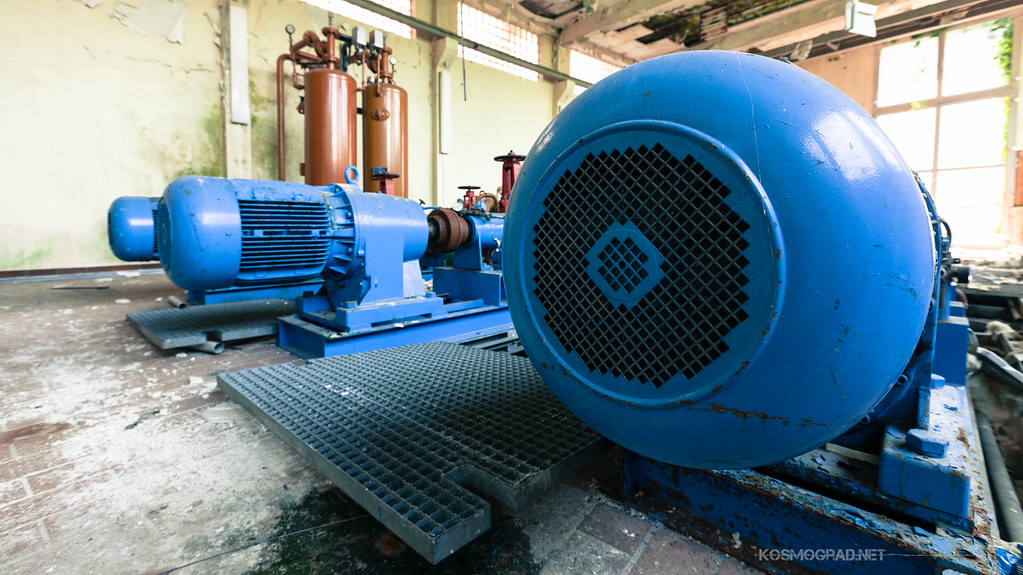
In conclusion, by utilizing cutting-edge technology, smart motor controllers (SMCs) greatly improve predictive maintenance and decrease downtime. Early anomaly identification with real-time monitoring and diagnostics can avert possible breakdowns, as demonstrated by Siemens’ SIMOCODE Pro V and Schneider Electric’s TeSys T. Troubleshooting is made easier by automated fault detection in controllers like Rockwell Automation’s PowerFlex 750, which quickly locates problems. ABB’s UMC100.3 uses condition-based maintenance, which plans interventions based on real-time data to maximize efficiency and reduce needless downtime. Proactive maintenance is ensured by trend analysis and pattern identification in SMCs like Mitsubishi Electric’s FR-A800, while timely interventions are facilitated by health indicators and alarms supplied by technologies like Schneider Electric’s EcoStruxure. Maintenance tracking and execution are improved by integration with Computerized Maintenance Management Systems (CMMS), as seen by IntelliCENTER from Rockwell Automation. Furthermore, Yaskawa’s GA800 Drive’s automated parameter adjustment guarantees peak performance and longer motor life. SMCs increase industrial processes’ efficiency, save operating costs, and enhance motor dependability overall.
DO Supply Inc. makes no representations as to the completeness, validity, correctness, suitability, or accuracy of any information on this website and will not be liable for any delays, omissions, or errors in this information or any losses, injuries, or damages arising from its display or use. All the information on this website is provided on an "as-is" basis. It is the reader's responsibility to verify their own facts.