The Advantages of Smart Motor Controllers in Modern Manufacturing
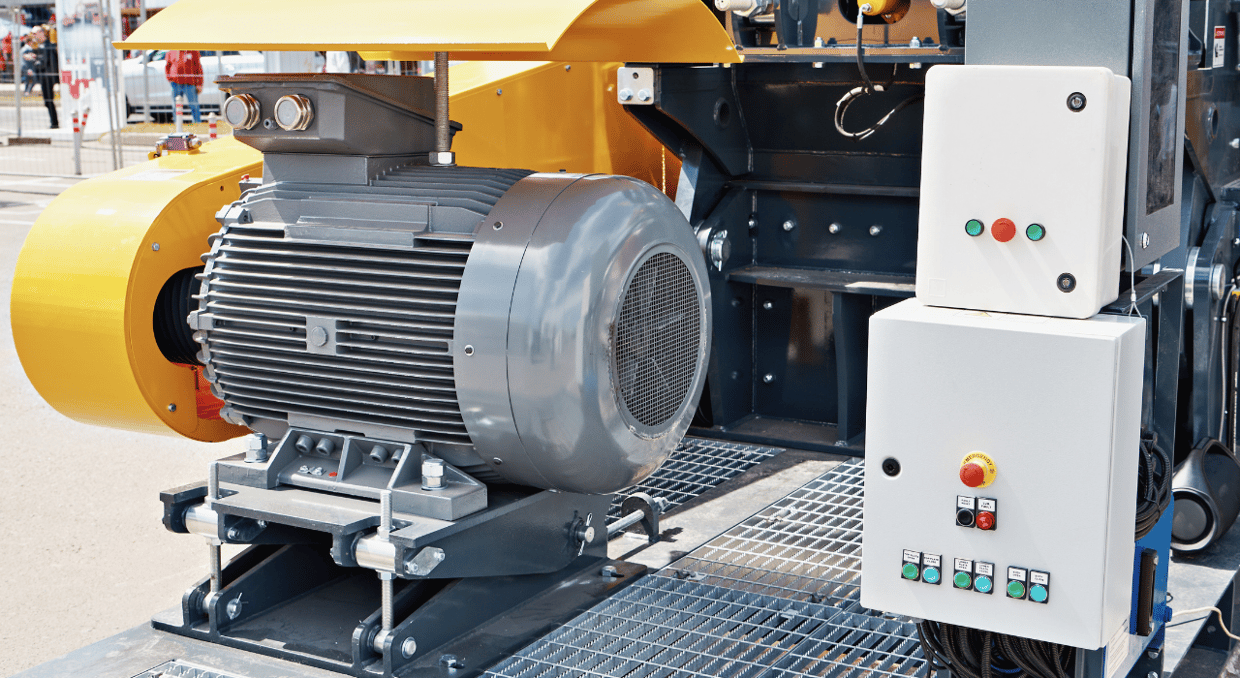
Smart motor controllers, which integrate cutting-edge technology to maximize performance and efficiency, are redefining modern production. These cutting-edge gadgets have several benefits, such as better motor protection, increased energy efficiency, and real-time monitoring capabilities. Smart motor controllers enable precise control over motor activities, which lowers maintenance costs, increases equipment longevity, and decreases downtime. Furthermore, the seamless connection and data analysis made possible by their integration with IoT systems empower firms to make well-informed decisions and increase overall productivity.
Overload Prevention:
Modern production greatly benefits from smart motor controllers, especially from their electronic motor overload avoidance feature. This function protects motors from harm by precisely measuring motor current and initiating preventative steps when an excessive current is detected. Smart controllers, as opposed to conventional thermal overload relays, provide trip settings that may be customized to particular motor characteristics, saving needless downtime and maintenance expenses. For instance, by reducing production interruptions and limiting motor overloads, Siemens’ SIMOCODE pro smart motor controller helps industrial facilities maintain continuous, efficient operation.
Built-in Communication Capabilities:
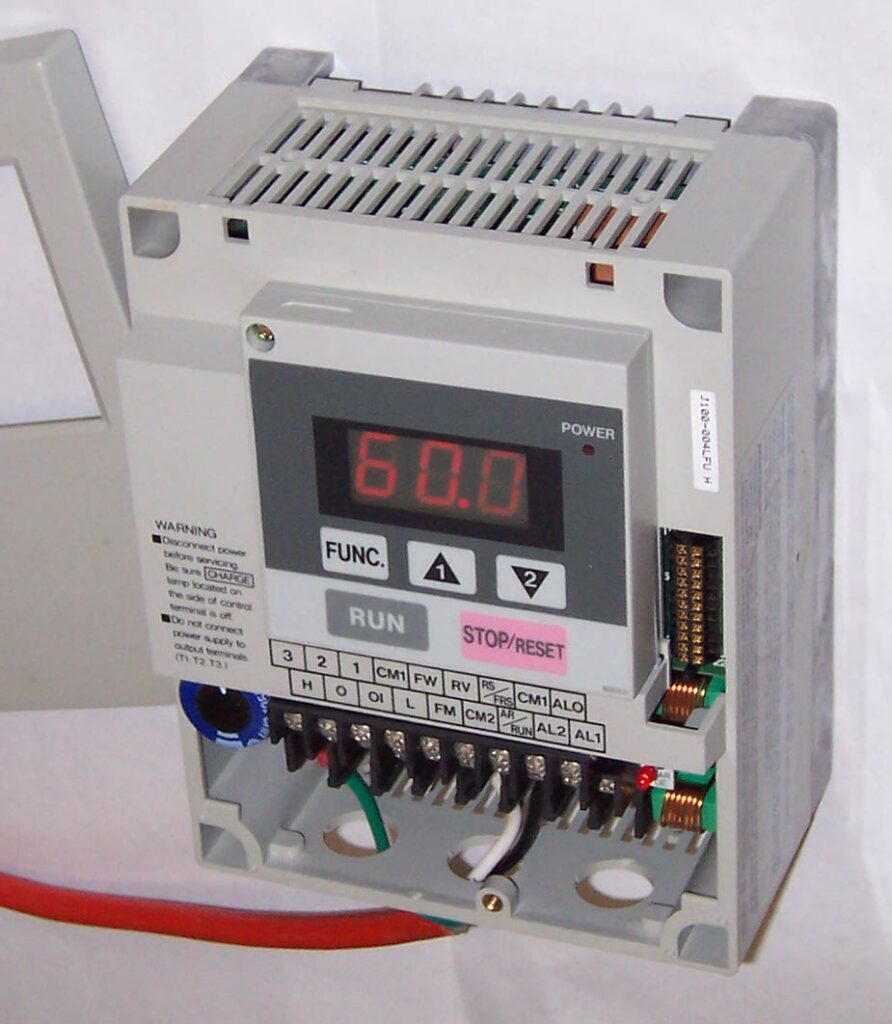
Modern manufacturing may greatly benefit from smart motor controllers, especially because of their integrated communication features. The smooth integration of these controllers with industrial networks and control systems makes it easier to operate motor-driven operations and to remotely monitor and diagnose them through communication interfaces, including Ethernet/IP, Modbus TCP, Profinet, and DeviceNet; they link to PLCs, SCADA systems, HMI panels, and other devices on the factory floor or in distant locations. One major advantage is the ability to watch motor conditions and performance in real-time via a web-based interface or centralized control room. This lets operators immediately detect and rectify problems, avoiding downtime and optimizing production efficiency.
- Examples include the Allen-Bradley PowerFlex series, which is compatible with Ethernet/IP, Modbus TCP, and DeviceNet networks.
- The Siemens Sinamics G120 also supports Profinet, Ethernet/IP, and Modbus TCP/IP protocols.
Through integrated communication features, smart motor controllers provide flexibility, dependability, and operational efficiency in linked industrial automation systems.
Metering of Electrical Parameters:
Smart motor controllers allow for the thorough metering of electrical parameters associated with motor performance, which has significant advantages for contemporary production. Voltage, current, power factor, power consumption (measured in watts or kilowatts), and frequency are some of these factors. Smart motor controllers ensure effective operation and maintenance by continually monitoring these vital datasets. This allows them to deliver real-time insights into motor performance and energy consumption. With this feature, customers may identify abnormalities like overloading or underloading rapidly, improving energy efficiency, and avoiding expensive downtime. Predictive maintenance planning is facilitated by sophisticated data logging and reporting tools. All things considered, smart motor controllers’ metering and power monitoring features guarantee accurate observation of electrical properties, enabling users to make well-informed judgments to increase operational dependability and efficiency. For instance, improved metering features on ABB’s ACS880 drives and Schneider Electric’s Altivar Process drives improve energy management and maximize motor performance in factory settings.
Auxiliary Connections:
In modern manufacturing, smart motor controllers provide a number of benefits, one of which is the utilization of auxiliary connections. These additional electrical connections offer feedback signals based on the status of the motor or controller, or they can be used to operate other devices. Auxiliary contacts are usually incorporated into the motor controller and react to several triggers, including motor start/stop, fault detection, and certain operating circumstances. Their adaptability in providing signaling and interlocking operations in motor control applications is a significant advantage. Auxiliary connections, for example, can interlock many motors to stop them from operating simultaneously, guaranteeing the security and safety of the equipment. They also give operators audible or visual clues when anything is wrong, alerting them to malfunctions or alerts.
- Operators can set up auxiliary connections, for instance, on the Allen-Bradley PowerFlex 525 AC Drive, to give feedback signals that indicate the motor’s state (e.g., operating, stopped, or faulty).
- Auxiliary connections are also used by Schneider Electric’s TeSys GV4 motor circuit breakers and Siemens’ Sirius 3RW55 soft starter to increase monitoring and control, which enhances operational reliability and efficiency in production situations.
Undervoltage and Overvoltage Protection:
Modern manufacturing greatly benefits from the undervoltage and overvoltage protection features of smart motor controllers. These characteristics protect motors from harm brought on by voltage variations that exceed allowable operating limits. While overvoltage protection guards against damage or early failure from overheating at high voltage levels, Undervoltage protection makes sure motors don’t run inefficiently at low voltages. In order to prevent undervoltage and overvoltage situations, smart motor controllers constantly check the voltage provided to the motor and compare it to preset criteria. The controller takes corrective action, such as load shedding or voltage regulation, to bring voltage levels back within safe operating limits when voltage deviates from these thresholds. Preventive measures include automatically shutting down the motor and setting off alarms to alert operators.
- For instance, Siemens’ SINAMICS G120 drives include programmable trip settings for improved voltage monitoring, while ABB’s ACS580 drive provides accurate protection against both Undervoltage and overvoltage.
- Furthermore, Schneider Electric’s Altivar Process drives offer cutting-edge voltage protection, guaranteeing long-term motor longevity and excellent performance in production settings.
Adaptive Control Capabilities:
By utilizing complex algorithms to continually monitor and modify motor settings in real-time in response to shifting operating conditions, adaptive control in smart motor controllers provides significant advantages for modern production. To improve overall productivity, energy efficiency, and system performance, these controllers dynamically adjust motor settings. They adapt to changes in load demand, speed specifications, and environmental variables like temperature or humidity with effectiveness. Smart motor controllers can modify parameters such as voltage, torque, and speed to guarantee optimal performance in various scenarios by keeping an eye on these variables and evaluating their effects on motor performance.
- Rockwell Automation’s Allen-Bradley PowerFlex 755T drive, for example, uses adaptive control to adjust motor performance dynamically.
- Similar to this, Danfoss’ VLT AutomationDrive FC 302 uses cutting-edge control technology for real-time changes, such as flux and VVC+ (Vector Control).
- Furthermore, Mitsubishi Electric’s FR-A800 series has adaptive control capabilities, such as Real Sensorless Vector Control, to improve motor economy and dependability.
Remote Firmware Updates:
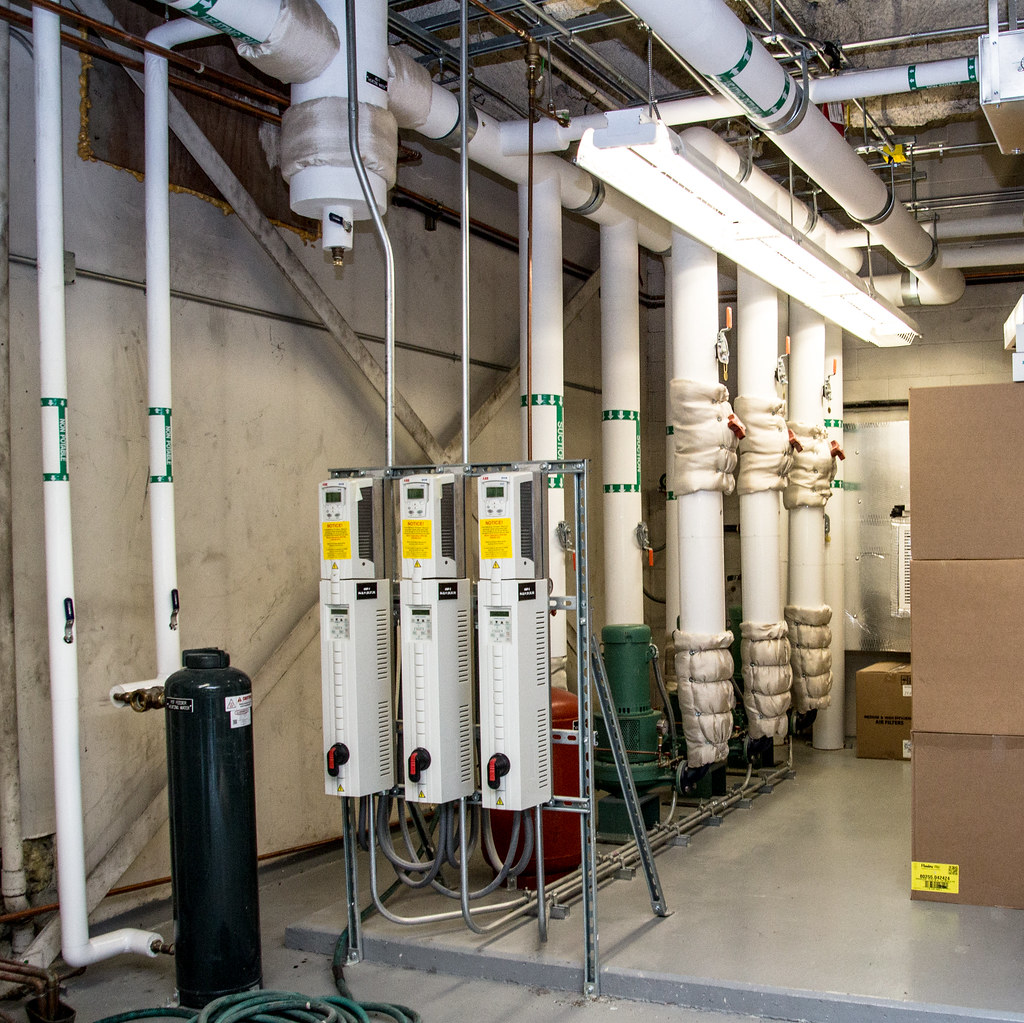
In modern manufacturing, remote firmware updates offer a major benefit since they make it possible to maintain and improve smart motor controllers without requiring direct physical access to the hardware. By enabling remote firmware updates, fixes, and enhancements, this feature guarantees that controllers can stay up to speed with the most recent developments in technology. Manufacturers may include new features and functionalities into smart motor controllers through remote firmware upgrades, which improves the controllers’ performance and flexibility in response to changing needs without requiring hardware replacements.
Fault Logging:
A key advantage of smart motor controllers is fault recording, which allows defects to be tracked and comprehensive records of mistakes and alarms throughout motor operation to be preserved. This capacity enables thorough examination, ongoing enhancement, and efficient diagnosis and correction of motor performance and dependability issues. Fault logs can be used by maintenance staff to spot patterns, trends, and reoccurring problems, enabling proactive preventative steps. When it comes to motor maintenance, fault tracking guarantees accountability and transparency and offers vital proof for compliance, warranty claims, and audits. Through the reduction of downtime, the facilitation of informed decision-making, and the gradual improvement of motor performance and dependability, this feature improves operational efficiency. In addition, advanced fault logging technologies, such as real-time event recording and diagnostic capabilities, are available in drives made by Danfoss (VLT AutomationDrive FC 302), Mitsubishi Electric (FR-F800 series), and Schneider Electric (Altivar 71). These technological advancements guarantee that intelligent motor controllers enhance more dependable and effective production procedures.
In conclusion, with so many benefits that improve productivity, dependability, and efficiency, smart motor controllers are revolutionizing modern production. These controllers are essential because of their key characteristics, which include adaptive control, remote firmware updates, voltage protection, extensive metering, fault recording, integrated communication capabilities, and electronic motor overload avoidance. Smart motor controllers provide accurate motor management, save downtime, and increase equipment lifespan by utilizing cutting-edge technology and real-time data processing. Smart motor controllers will become increasingly important in driving operational excellence and technical improvements as manufacturing continues to change.
DO Supply Inc. makes no representations as to the completeness, validity, correctness, suitability, or accuracy of any information on this website and will not be liable for any delays, omissions, or errors in this information or any losses, injuries, or damages arising from its display or use. All the information on this website is provided on an "as-is" basis. It is the reader's responsibility to verify their own facts.