PLC Power Supply Stability and Its Impact
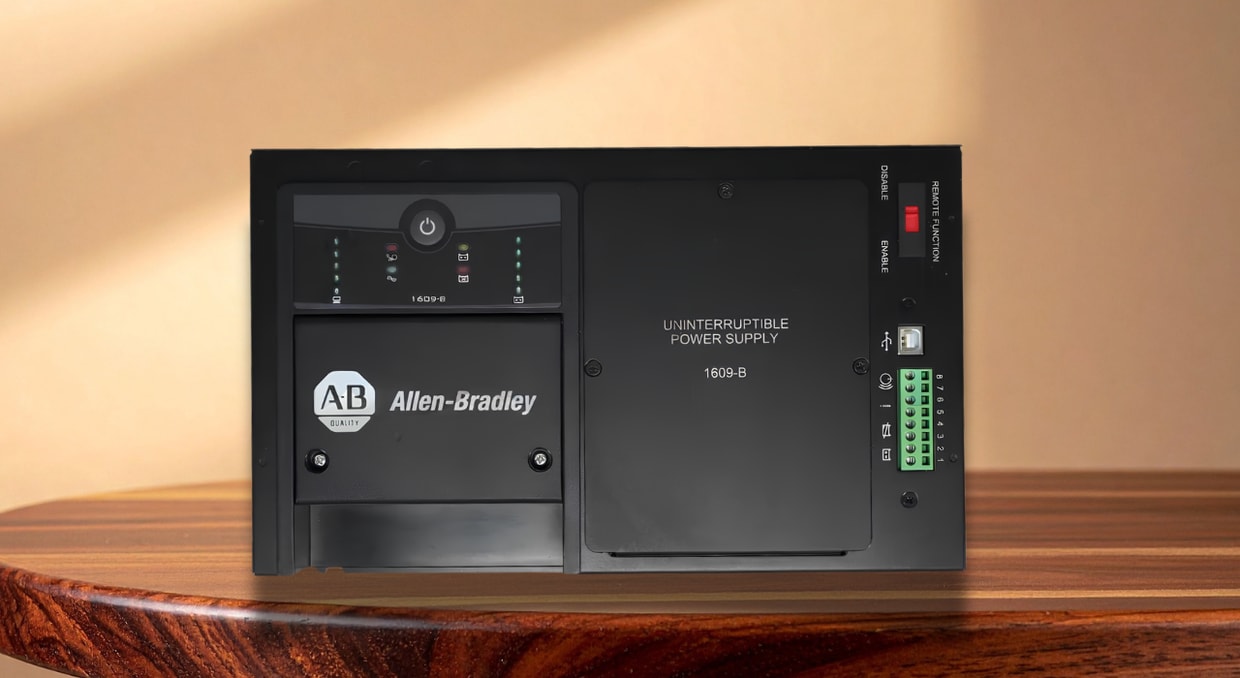
Modern industrial automation relies heavily on Programmable Logic Controllers (PLCs). PLCs are ruggedized, microprocessor-based industrial computers used to govern critical industrial processes across chemical processing plants, oil & gas systems, food packaging systems, water & wastewater treatment plants, manufacturing, and other industrial complexes. While control engineers and system integrators invest substantial effort into optimizing PLC control code, network configurations, and field input/output devices, a stable PLC power supply is equally vital for reliable system performance.
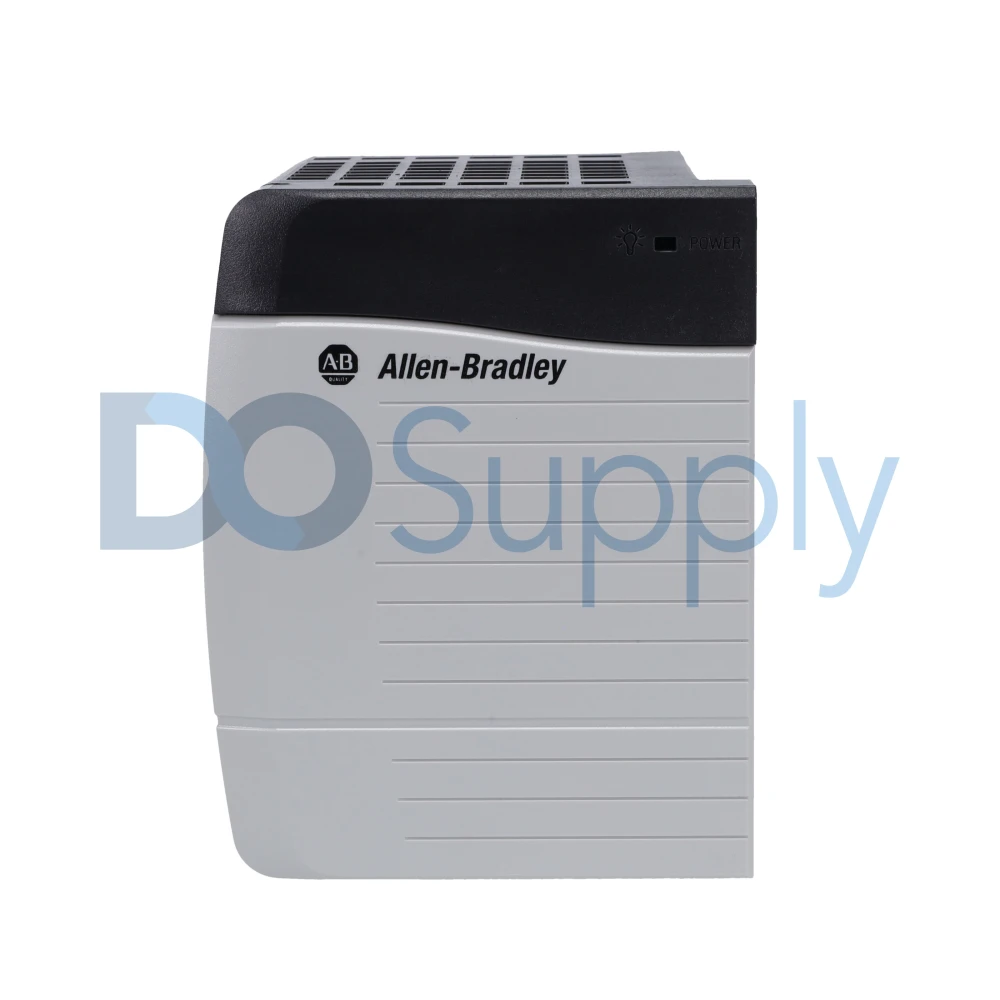
Although PLCs are inherently designed to withstand harsh environmental conditions, such as vibration, extreme temperatures, and dirt, they do require a highly consistent power supply to function properly. An uninterrupted power supply prevents data corruption, logic errors, and catastrophic downtime in any PLC-controlled automation system. A stable PLC power supply readily converts variable line voltages into a smooth, tightly regulated DC input voltage, typically standardized at 24V DC. This makes PLC-controlled automation systems highly predictable. Without an exceptionally stable DC input power, PLC microprocessors usually experience electrical noise or voltage sags, which cause false sensor readings, logic processing errors, memory loss, or even complete system outages.
Key Features of a Stable PLC Power System
To understand how a PLC distributes and processes precisely regulated, clean DC power, one must first acknowledge the critical need for voltage conversion and consistency. Most industrial processes typically run on high-voltage Alternating Current (AC), like single-phase 120V/230V or three-phase 480V. In contrast, standard PLC racks, internal backplane, and CPU circuitry require highly stable, low-voltage Direct Current (DC), such as 3.3V, 5V, 12V, or 24V DC.
Depending on the PLC architecture, the power supply may accept AC or DC input and provide one or more regulated voltages to the controller backplane. Compact PLCs may use an external 24 V DC supply and generate lower logic voltages internally, while modular chassis systems may distribute several voltage rails directly through the backplane.
A commonly used type of PLC power supply is the industrial switched-mode power supply (SMPS), which safely and efficiently converts raw utility power into a stable, tightly regulated DC voltage required to run the PLC CPU and other modules. High-quality SMPS maintain high PLC power supply stability through a series of specific internal voltage conversion and isolation stages, namely:
- AC Filtering and Rectification: Incoming AC line voltage to the PLC is conditioned by metal oxide varistors (MOVs) and electromagnetic interference (EMI) filters, and then rectified into a smooth, high-voltage unregulated DC bus.
- High-Frequency Chopping & Voltage Step-Down: The high-voltage DC bus is rapidly switched at high frequencies to efficiently transfer energy across an isolated transformer core, thereby stepping down the high-voltage with minimal heat generation.
- Isolated Real-Time Regulation: The low-voltage DC output from the high-frequency transformer is constantly monitored by a rapid optocoupled feedback circuit. It applies real-time adjustments to the Pulse Width Modulation (PWM) duty cycle to maintain a steady 24V DC output despite load fluctuations. This feedback circuit uses an optocoupler to maintain full galvanic isolation from the main AC line.
Inside PLC hardware structures, the 24V DC supply bifurcates into two distinct and well-controlled pathways:
Internal Backplane
The primary PLC power supply routes the smooth, tightly regulated 24V DC voltage through the backplane chassis to energize the PLC central processing unit (CPU), internal logic gates, communication processors, and memory registers. On-board internal buck regulators further step down this DC rail to stable 5V DC or 3.3V DC. As long as the 24V DC rail remains perfectly stable, the binary states within the PLC’s memory registers also remain uncompromised. This ensures flawless execution of the PLC code.
Field Input/Output Circuits
Whilethe backplane chassis provides power to the internal logic circuitry of the PLC I/O modules, field I/O circuits route out of a separate DIN-rail mounted external power supply to energize field I/O devices. On the input side, these field I/O circuits deliver operational power to proximity sensors, limit switches, analog transmitters (e.g., 4-20mA flow meters), and photoelectric eyes, among others. On the output side, they distribute the power required to actuate PLC field output devices, like interposing relays, contactor coils, and pneumatic solenoids.
Because the PLC’s field I/O wiring must withstand harsh industrial environments, robust electrical isolation—like optocouplers within the PLC I/O modules—is critical. Using an optocoupler for isolation prevents voltage fluctuations and ambient electromagnetic noise on the terminal blocks from infiltrating and damaging the highly sensitive logic-level circuitry of the PLC’s CPU and I/O modules.
Core Parameters for Robust PLC Power Stability
True electrical stability for PLC systems goes beyond mere uptime. It requires precise control, immunity to grid anomalies, and ensuring fault-tolerant operation. Several specifications are commonly considered when evaluating an industrial control power supply.
Minimal Switching Voltage Ripple
An ideal switched-mode DC power supply delivers a perfectly flat, tightly regulated voltage to the PLC. By suppressing the high-frequency switching voltage ripple to less than 50 millivolts peak to peak, it provides the PLC with clean DC power, preventing the PLC’s highly sensitive logic circuits from misinterpreting electrical noise as valid data signals.
Robust Voltage Hold-Up Time
This is the specific duration that a PLC power supply continues to maintain its stable, regulated DC output voltage after an AC input power failure. Reliable, industrial-grade PLC power supplies use high-quality integrated bulk capacitors to ensure a hold-up time of 20ms (milliseconds) at maximum applied load.
This built-in energy buffer allows the PLC system to ride through brief grid interruptions (like a single-cycle AC dropout) and continue functioning reliably without corrupting active data or forcing a processor reset. By providing uninterrupted logic power during transient voltage drops, a stable PLC power supply prevents false triggering on the input modules and guarantees control state integrity.
High-Precision Line and Load Regulation
Load regulation is the ability of a PLC power supply to maintain a steady 24V DC output even during sudden or step-like jumps in load current over the range of 0% to 100%. The transient response capability of the PLC power supply handles these current jumps. Line regulation refers to the capability of the PLC power supply to maintain a stable 24V DC output despite incoming AC grid voltage surges. A PLC power supply is considered truly stable when both load and line regulation variances are maintained within ±1% of the nominal voltage.
Thermal Equilibrium and Efficiency
Highly efficient PLC power supply modules (often those exceeding 94%) convert a larger proportion of electrical energy into usable DC output rather than waste heat. By significantly reducing internal heat generation, the localized temperature within the PLC enclosure remains as required. This helps avoid thermal drift—a phenomenon where the output voltage drops as the temperatures of the PLC’s internal components or control panel rise.
Noise Filtering & Isolation
Standard PLC power supplies feature internal galvanic isolation through the main switching transformer that physically separates the incoming high-voltage AC input from the low-voltage DC logic circuitry. They also include a low-pass RFI/EMI filter that suppresses internal switching noise, and internal MOVs that protect against basic voltage spikes. Although these standard internal protection features shield against routine electrical fluctuations, they should be paired with dedicated main power line filters and external, industrial-grade surge protective devices (SPDs) to withstand intense inductive noise or extreme industrial transients.
The Positive Impacts of Power Stability on PLC Systems
When a clean, stable power supply backs an PLC-controlled industrial automation system, the entire facility’s operations benefit. PLC power supply stability ensures software execution accuracy and hardware longevity, as it shields the highly sensitive PLC logic processors, I/O components, and communication modules from electrical noise and voltage fluctuations. While actuating devices and field sensors interface directly with the physical processes, the PLC functions as the real-time processing core, evaluating I/O status and executing logic instructions. A stable PLC power supply guarantees uninterrupted logic execution without memory corruption or errors.
Ideal Analog Precision and Data Integrity
In automated decision-making, data integrity acts as the ultimate baseline for system precision. Analog input modules can accurately detect physical variables by sensing any small changes in current or voltage, including in RTD/thermocouple temperature sensors and 4-20mA/0-10V DC loops. In a stable PLC field power environment, the analog-to-digital converter (ADC) voltage reference and the excitation voltage remain fixed. This reduces signal-to-noise ratios, allowing the PLC to read the signals from field I/O devices accurately.
When the raw process measurements (such as from a water pressure transducer) are free of electrical noise, the built-in Proportional-Integral-Derivative (PID) control algorithms in PLCs can smoothly modulate pump speeds. This high-precision control eliminates erratic behavior in control valve operation. It also reduces mechanical wear on actuators, ensures consistent product quality, and prevents hydraulic shock in piping systems. In addition, PLC power supply stability and sufficient signal filtering help mitigate electrical noise on digital PLC input cards, eliminating any risks of “ghost pulses”. This ensures batch sorting and physical inventory synchronize perfectly with high-speed counters on packaging lines.
Continuous CPU Runtime and High Availability
PLC microprocessors require a stable, precisely regulated DC supply to maintain continuous CPU runtime and maximize system availability. When this power supply remains within the manufacturer’s specified low-voltage limits and tolerances, the “Power-On Reset” (POR), which is the PLC’s internal protective circuitry, will remain inactive. This allows the CPU to remain in “Run Mode” and continuously execute cyclic logic in millisecond intervals, which directly translates to maximum system uptime and high overall facility availability. It also helps eliminate unexplained process halts and prevent erratic machine behavior (like random machine lock-up). Valuable maintenance hours wasted by the engineering teams troubleshooting noise-induced, intermittent faults are also avoided.
Perfect Synchronization of PLC Logic and Physical Outputs
The absolute synchronization between the physical world and the PLC’s internal software state is dependent on a stable, regulated 24V DC power supply. A stable voltage ensures the pneumatic solenoid valve or the corresponding interposing relay snaps tightly into place when the corresponding digital output card activates the 24V DC terminal.
Extended Hardware Longevity and Reduced Lifecycle Costs
A stable, noise-free electrical environment is crucial for preventing the premature physical degradation of sensitive PLC components and related automation hardware.
- Transistor Protection: Inside the PLC processor, the microscopic semiconductor junctions are shielded from premature failure and insulation breakdown by eliminating the high-voltage transients.
- Capacitor Preservation: When the PLC power supply is running efficiently and its 24V DC output is clean, there is minimal thermal and electrical stress in the downstream filtering capacitors on the PLC I/O cards.
Conclusion
In modern industrial automation, emergency maintenance, unplanned system shutdowns, and lost output can lead to financial expenses exceeding tens of thousands of dollars per hour. Attempting to minimize initial capital expenditures by utilizing non-compliant, low-cost PLC power supply modules represents a profound false economy. The reliability and predictability of modern industrial automation processes fundamentally depend on the stability and robust noise rejection infrastructure of PLC power supplies.
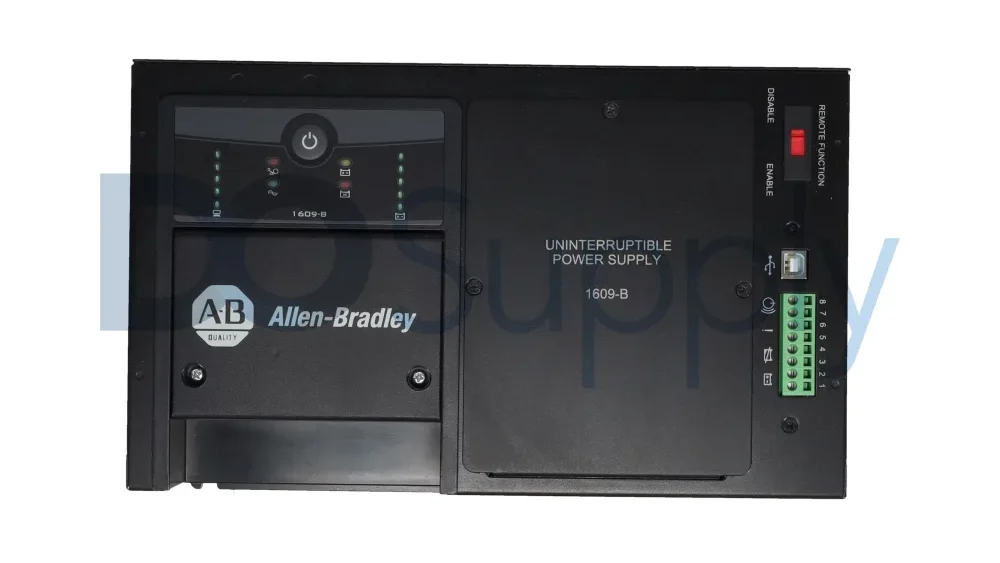
The PLC CPU executes its core logic without errors due to a robust engineering environment that features industrial-grade surge and transient suppression capabilities, proper single-point grounding, online double-conversion UPS (Uninterruptible Power Supply) backups, and galvanic isolation between the PLC logic and field power pathways. Consequently, automation engineers and system integrators can secure hardware integrity and guarantee total process predictability by treating a stable PLC power supply architecture as an indispensable, mission-critical design requirement instead of a secondary detail.
Need help finding a reliable PLC power supply or replacing a failed module? We at DO Supply carry a wide range of industrial power supplies and PLC hardware, all backed by our two-year warranty. Contact our team today to find the right components to keep your automated system running smoothly, stable, and ready for operation.
DO Supply Inc. makes no representations as to the completeness, validity, correctness, suitability, or accuracy of any information on this website and will not be liable for any delays, omissions, or errors in this information or any losses, injuries, or damages arising from its display or use. All the information on this website is provided on an "as-is" basis. It is the reader's responsibility to verify their own facts.