ProfiNet vs EtherNet/IP – Similar, Yet Different
When you talk about industrial communications these days, two terms tend to show up more than others, EtherNet/IP and ProfiNet. The reasons for this familiarity are simple, these two communication protocols are two of the most common in industry. They are two of several Industrial Ethernet based communication protocols and share the market with other Fieldbus protocols as well. As Ethernet based communications are gaining market share each year, these two protocols will become more prevalent.
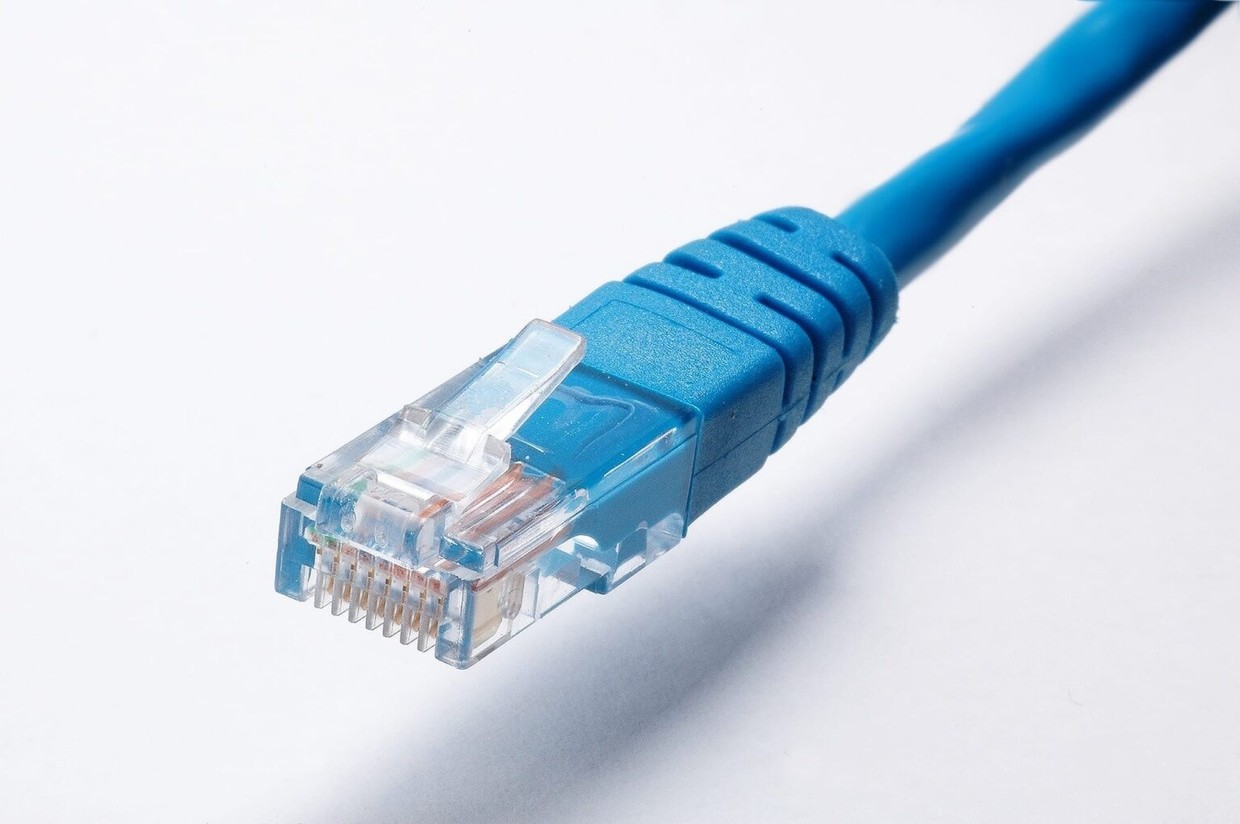
Both protocols utilize and add on to standard Ethernet technology. One benefit to this is that, with some care in selection, Ethernet/IP and ProfiNet networks do not require specialized equipment for their infrastructure. Standard Cat(x) copper cabling or fiber optic cable, network switches, patch panels, and other standard network devices can be used to build the control network. Care does need to be taken in product selection when designing the control network. Higher capability cabling, such as Cat6, or OM(x) rated fiber for higher bandwidths is important when dealing with control systems. Ensuring the switches will pass the data is important also, as the wrong configuration in a switch can cause more headaches than expected. One great example of this is using non-ProfiNet focused switches in a ProfiNet network. If the data is not passing through, ensure the switches are set to pass VOiP data. A quick trick to see if this is the case if you can’t get into the switch configuration is to plug your control components into the downstream port on a VOiP phone (this worked on one of our test beds, the network was set up to allow the phones to pass VOiP, but only the phones were allowed.)
EtherNet/IP, a Rockwell Automation product, is open-source and is based on the Common Industrial Protocol (CIP), something Rockwell Automation has been using as a standard for their control networks over the past few iterations (DeviceNet, ControlNet.) Common Industrial Protocol is a standard managed by ODVA, and gives Ethernet/IP some benefits, such as an object-oriented programming basis, the ability to use off-the-shelf components, and improved interoperability.
ProfiNet, a Siemens product, is also an open source product, and is based on the well-proven Profibus standard (it is not Profibus over Ethernet, however.) ProfiNet is an overall faster protocol than Ethernet/IP but can require special hardware for some applications.
Some design considerations for both protocols include managing bandwidth and verifying determinism on the network, beyond the typical hardware and interoperability issues. Bandwidth management is a critical need, as the increase in data availability can tax even robust network infrastructures. Typical older systems are 100Mbit/s networks, which sounds like a lot of data when you say you’re able to pass up to 100 million bits of data per second, until you start to realize that your 100 digital inputs at a 10 millisecond refresh rate are potentially pushing 10000 bits of data per second each (or 1Mbit/s just in 100 digital IO.) Network loading becomes vital as the control system increases in scale. One important consideration is the other components on the network. If the control network shares infrastructure with non-control components, those components will reduce the available bandwidth for the control network. This bandwidth reduction can manifest itself in extremely interesting ways, from lost product due to lag in the control system to outright machine crashes. Determinism in the network stems from the bandwidth question. A deterministic network is one that operates on a set time base. The network and its components need to be able to transmit and process all the relevant data within the set time period to be considered deterministic. This becomes an important issue when dealing with coordinated applications, especially motion applications. Tools and knowledge for ensuring you have your network set up properly abound in the public space, use them to ensure your network isn’t causing you the headaches you’re troubleshooting.
In all, the difference between Ethernet/IP and ProfiNet come down to how they operate inside a common guideline. Both have advantages over the other, but like today’s arguments over which pickup truck is best, familiarity with the system and commonality with other components will tend to drive which one works best for the application. Each requires some forethought in design, and each has its limitations (and its headaches if you don’t mind those limitations.) With careful design, proper installation, and appropriate maintenance you will find that either of these systems will perform superbly in your control system.
DO Supply Inc. makes no representations as to the completeness, validity, correctness, suitability, or accuracy of any information on this website and will not be liable for any delays, omissions, or errors in this information or any losses, injuries, or damages arising from its display or use. All the information on this website is provided on an "as-is" basis. It is the reader's responsibility to verify their own facts.