An Inside Look at How We Automate Around the World
Automation involves using technology to perform tasks and processes without human involvement. This can include various systems, such as mechanical, hydraulic, pneumatic, electrical, electronic, and computer-based systems, which are often used in combination. Automation is becoming more common in various industries, including manufacturing, transportation, and energy, and can bring benefits such as labor savings, reduced waste, and improved quality and precision. Automation is also being implemented in the banking industry and can range from simple control systems to complex algorithms.
In the manufacturing industry, automation has been implemented through robotics and automation equipment for tasks such as assembly, packaging, and material handling, leading to increased efficiency, productivity, and cost savings. The transportation industry has adopted automation through self-driving vehicles and drones, improving safety and reducing labor costs. The energy industry has implemented automation through intelligent grid technology, allowing for better management and control of energy distribution.
Automation is also increasingly used in the banking sector for fraud detection, customer service, and financial analysis tasks. Other industries, such as retail, healthcare, and agriculture, are also adopting automation. As technology continues to advance, the use of automation is expected to become even more widespread in various industries around the world.
How Automation Can Be Introduced in Different World Tasks
Automation involves the use of various technologies to automate tasks and processes. These technologies include robotic process automation, machine learning, and computer vision, each with unique capabilities and applications. Automation has become an integral part of modern life, changing the way we work and interact with technology. In various industries, automation has led to increased efficiency, reduced costs, and improved quality. The integration of automation in various world tasks can be achieved through these technologies. These technologies can automate repetitive tasks, streamline processes, and provide real-time data analysis, improving productivity and competitiveness in industries such as manufacturing, healthcare, retail, construction, and others. By automating tasks, companies can allocate valuable resources to more strategic initiatives. These are different techniques that can be used to automate our tasks around the globe.
Information Technology (IT) Automation:
IT automation increases efficiency, reduces errors, and lowers costs. IT professionals can focus on more complex tasks while automation performs repetitive tasks more accurately and faster. It also enhances security. IT automation is used in industries such as healthcare, finance, retail, and manufacturing.
Flexible Manufacturing Systems (FMS):
FMS are systems that use NC machines, robots, and automated material handling to manufacture similar products using different machine sequences. They increase efficiency and are ideal for low to medium-demand industries that have changing product mixes and production schedules. An FMS can process new product styles and has a central computer system for precision and accuracy.
Numerically Controlled (NC) Machines:
NC machines with CNC systems increase precision in industries that need high-tolerance parts such as aerospace and medical device manufacturing. NC machines offer flexibility and are good for small to medium-sized production runs.
Industrial Robots:
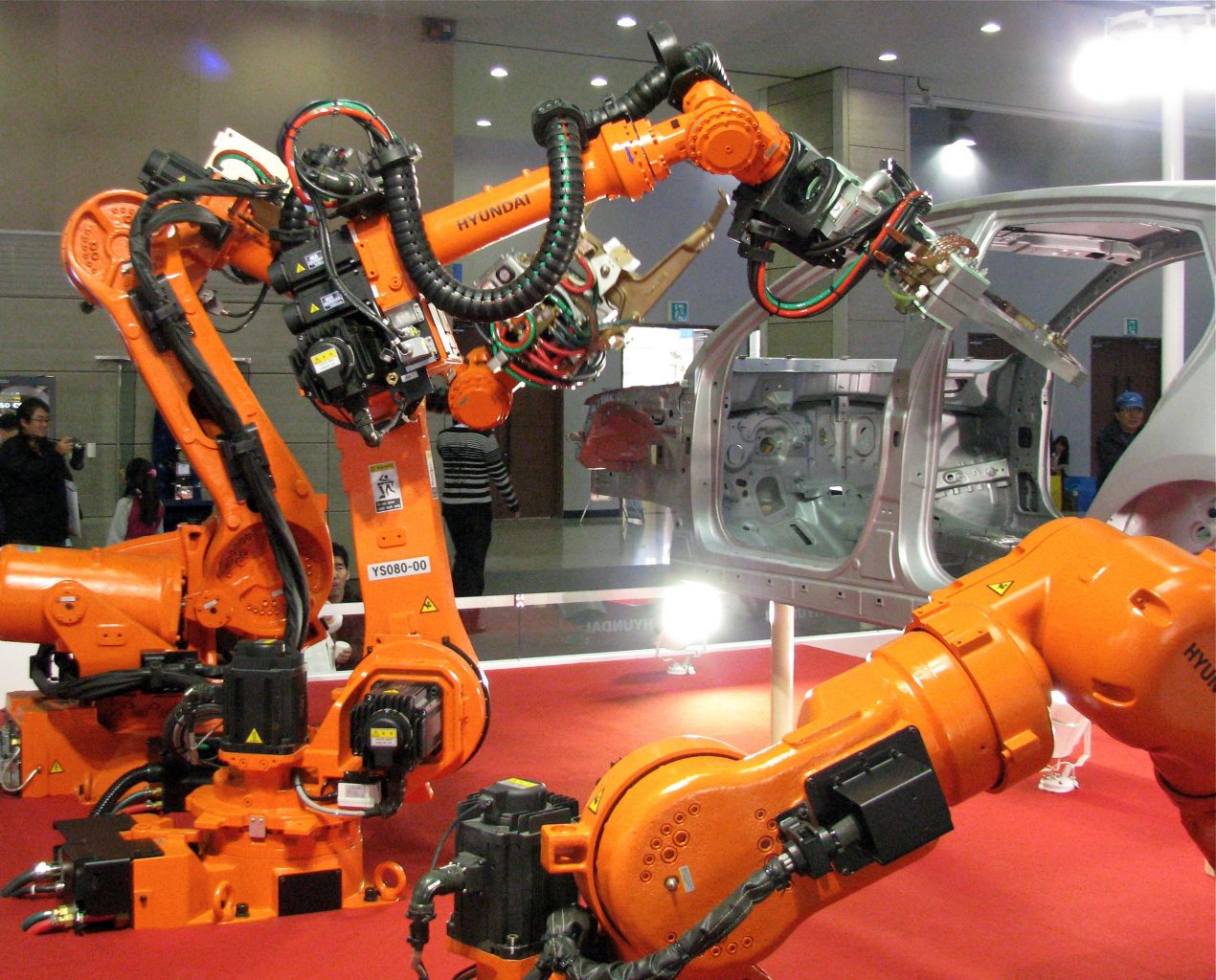
Industrial robots increase accuracy, reduce errors and cycle times, and can operate continuously and in hazardous environments. They are valuable assets for many industries and their use is growing due to the quick return on investment.
Computer-Aided Manufacturing (CAM):
CAM optimizes the entire manufacturing process and increases efficiency and productivity while providing flexibility and adaptability. CAM is used in industries such as aerospace, automotive, and healthcare.
How Can We Automate Our Tasks Around the World?
Businesses can use task automation solutions and applications to automate various tasks across different departments. In the sales department, tasks such as managing sales pipelines, research, and analytics can be automated. For example, advanced customer relationship management platforms can automate the tracking of all the people salespeople interact with and help them map the sales process. In the finance and accounting department, tasks such as invoice follow-ups, payroll, receipt input, and employee expense reimbursement can be automated. In the human resources department, tasks such as recruiting, onboarding, and performance evaluations can be automated.
Companies need to choose the right task automation software to automate tasks effectively. The process of selecting the best Software involves the following:
- Continually refining the search by identifying the specific needs and expectations of the organization.
- Determining the necessary features.
- Considering the number of users and growth plans.
- Setting a timeline for implementation.
- Assessing the level of technical support needed.
When evaluating potential Software, key features include cloud-based technology for convenient access and data security, a user-friendly interface, and the ability to integrate with other tools. Additionally, it is essential to consider the cost and scalability of the Software. By considering these factors, organizations can select the best task automation software to improve efficiency and save on time and labor costs.
To implement task automation in your workflow:
- Start by adopting an automation mindset and breaking down a project or department’s procedures into tasks.
- Review each task and determine if it requires a person.
- Automate the jobs that don’t require human involvement and those that need minimal intervention.
- Make a detailed list of tasks in the process, including the tools needed and how long it currently takes to complete each task.
- Encourage other team members to participate in this analysis.
- Explore which tasks to automate and choose the task automation software best suits your needs.
- Map the new workflow with the latest Software and build the workflow using tutorials and customer support.
- Test the new workflow multiple times with different variables before deploying it.
Tasks Capable of Being Automated Around the World
Automation in Manufacturing:
Automation in manufacturing has become an integral part of the industry, with the use of robots on assembly lines and the implementation of Industry 4.0 driving advancements. Robots can perform a wide range of tasks on assembly lines with minimal downtime and maintenance, increasing efficiency and productivity. Industry 4.0, which integrates advanced technologies such as IoT, big data, and machine learning, allows smart factories to collect and analyze data in real-time to optimize production processes. Additionally, automation includes using computer-controlled machines and equipment, like CNC machines and 3D printers, to perform specific tasks accurately. Overall, industrialization has brought about productivity, efficiency, and precision improvements, while reducing human error and downtime.
Automation in Transportation:
Automation in transportation is revolutionizing the industry, making it more efficient, cost-effective, and safer. Self-driving cars and drones are the most significant advancements, with companies like Tesla, Waymo, and Uber developing self-driving cars and Amazon, UPS, and DHL testing drone deliveries. Industry 4.0 technologies like IoT, big data, and cloud computing are also used to optimize transportation operations, such as predicting maintenance needs, analyzing traffic patterns, and enabling real-time monitoring and control. As automation continues to advance, more changes in transportation, including increased automation of air and sea transport, can be expected.
Automation in Healthcare:
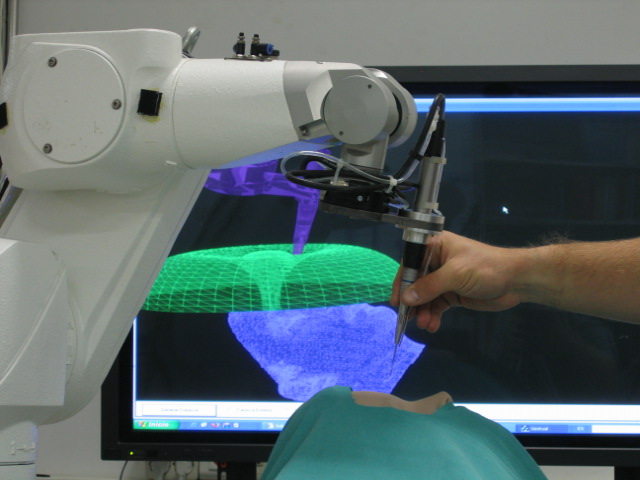
Automation in the healthcare industry is revolutionizing how medical care is delivered by improving efficiency, reducing costs, and increasing patient outcomes. Telemedicine allows remote delivery of healthcare services, reducing the need for in-person visits, especially for those in rural areas and with mobility issues. Robotic surgeries are used for more precise and minimally invasive procedures leading to faster recovery times, less pain, and fewer complications. Automation is also being used to improve laboratory procedures’ efficiency and make the diagnostic process more accurate and efficient. Artificial intelligence and machine learning in healthcare can help doctors make better diagnoses. As technology advances, we can expect to see even more automation in healthcare in the future.
Automation in Finance:
Automation in the finance industry has been gaining momentum in recent years due to technological advances. Automation is used in various finance areas, such as investment, banking, and insurance. Robo-advisory, which uses algorithms to provide financial advice and automate investment management tasks, is one of the most notable areas where automation is used. Trading also uses artificial intelligence and machine learning algorithms to analyze market data and make predictions. In insurance, automation streamlines processes and improves the customer experience by processing claims faster and using predictive analytics to identify and mitigate risks. In banking, automation is used to enhance the customer experience by streamlining the process of opening accounts, applying for loans, and other transactions. Overall, automation is transforming the finance industry by increasing efficiency, reducing costs, and improving the customer experience.
Automation in Energy:
Automation plays a significant role in the energy industry by improving efficiency, reducing costs, and increasing reliability. Smart grids, predictive maintenance, and robotics and automation are critical areas of automation in the energy industry. Smart grids use advanced technology to monitor and control the flow of electricity, allowing for more efficient distribution and energy usage. In contrast, predictive maintenance uses data and analytics to predict when equipment is likely to fail and schedule maintenance before it occurs. Robotics and automation are also used to perform tasks such as inspecting and maintaining power plants, transmission lines, and renewable energy facilities, helping to improve safety, efficiency, and cost-effectiveness. Automation in the energy industry is also being used to control and monitor the distribution of energy across the grid, helping to reduce energy waste and increase the reliability of the power supply. As technology advances, automation will play an even more significant role in the energy industry, supporting the transition to a more sustainable energy system and improving people’s overall quality of life.
Automation in Public Services:
Automation in public services is becoming increasingly prevalent as technology advances and governments strive to improve efficiency and cost-effectiveness. However, there are several challenges and limitations to consider when implementing automation in these services, such as the high cost of implementation, technical challenges, and ethical considerations. Despite these challenges, automation is already being used to improve public services, such as automated customer service in government agencies, autonomous vehicles for waste collection, and Predictive maintenance in power plants. It is essential to carefully consider the ethical implications of automation and design and implement these systems inclusively and equitably for all citizens.
Automation in Construction:
Automation in construction refers to using advanced technologies to improve various aspects of the building process, such as design, planning, scheduling, and quality control. This includes BIM for digital collaboration, UAVs for site surveys and data gathering, robotics for labor-saving tasks, and sensors for real-time monitoring. The goal of automation is to increase efficiency, reduce costs, improve quality, and speed up project completion. Common applications include streamlining processes, improving site safety, enhancing quality control, reducing manual labor, improving efficiency through data automation, enhancing collaboration, and reducing errors through digital tools.
Automation in Supply Chain Management:
Supply chain automation involves utilizing technology to streamline the production and delivery of goods, improving efficiency and competitiveness. Advancements in technology such as warehouse robotics, IoT, AI, machine learning, predictive analytics, digital process automation, OCR, and data entry automation, among others, play a crucial role in supply chain automation. These technologies allow for fast and accurate access to data, enabling companies to make informed decisions, enhance customer service with real-time order information, and have faster delivery times. As customer demands continue to rise, supply chain automation has become crucial for businesses to remain competitive and stay ahead of the competition. The benefits of supply chain automation include reducing manual tasks, improving visibility, transparency and accuracy of data, and better customer service, which can ultimately lead to cost savings and business growth.
Challenges and Limitations of Automation
The challenges and limitations of automation include the following:
- Falling in love with a single technology.
- Trusting that automation will solve all problems.
- Not involving all stakeholders.
- Investing efforts in processes that are too complex or exceptional.
- Treating automation as a simple replication of tasks.
- Ignoring the impact on employees and company culture.
To overcome these challenges, it is recommended to create a toolbox of technologies that provide a more holistic set of capabilities, align automation with business goals, involve all stakeholders in decision-making, focus on standardized processes that generate the most excellent workload, redesign processes from scratch, considering the possibilities of the technology, and anticipate and communicate the changes and roles of each team member in the process.
The Future of Automation
The Future of Automation is quickly becoming a reality as advancements in technologies such as Artificial Intelligence, Machine Learning, Augmented Reality, and Cloud Computing make automation possible in almost every industry. The integration of AI in marketing, known as MarTech AI, is still in its infancy but is expected to transform the industry with advancements in intelligent text generation, customer segmentation, and campaign optimization. Automation is also becoming crucial in network management as logistical complexity increases and businesses realize the benefits of network services automation in speed, efficiency, and predictive skills.
In addition to improving operations, automation is also being leveraged to attract and retain talent by reducing training time and enhancing workplace quality of life through advanced technologies like augmented reality. The shift to Software as a Service (SaaS) is becoming increasingly crucial for businesses to remain competitive as it allows for access to cloud-based programs without needing local installation. As automation advances, it can revolutionize not just individual industries but society as a whole.
DO Supply Inc. makes no representations as to the completeness, validity, correctness, suitability, or accuracy of any information on this website and will not be liable for any delays, omissions, or errors in this information or any losses, injuries, or damages arising from its display or use. All the information on this website is provided on an "as-is" basis. It is the reader's responsibility to verify their own facts.