The Future of Home Automation: How Industrial Robots are Set to Transform Domestic Life
Manufacturing and other sectors have long automated monotonous and physically taxing work with industrial robots. However, as technology develops, these robots are starting to enter homes and have the potential to drastically alter domestic life in several ways. Industrial robots are poised to revolutionize how we live and work in our homes, handling everything from housekeeping and lawn care to cooking and home security. The possibility for higher productivity and efficiency using industrial robots in the house is one of their key benefits. Robots can complete jobs more quickly and consistently than humans, freeing time for other pursuits or enabling people to concentrate on more difficult ones. Robots may work around the clock without taking breaks or receiving extra pay, which can eventually result in cost savings. Industrial robots are projected to become more prevalent in homes worldwide as they increase sophistication and price. Nevertheless, concerns about job loss and the possibility of robots displacing people in specific areas exist. The ramifications of this technology will need to be carefully considered by society as it develops and changes household life.
Accessibility to these robots is still challenging because of global financial crises, especially in underdeveloped and developing countries. Now we will look at some of the niches in which robots can be used in domestic life:
Automated House Cleaning Robots:
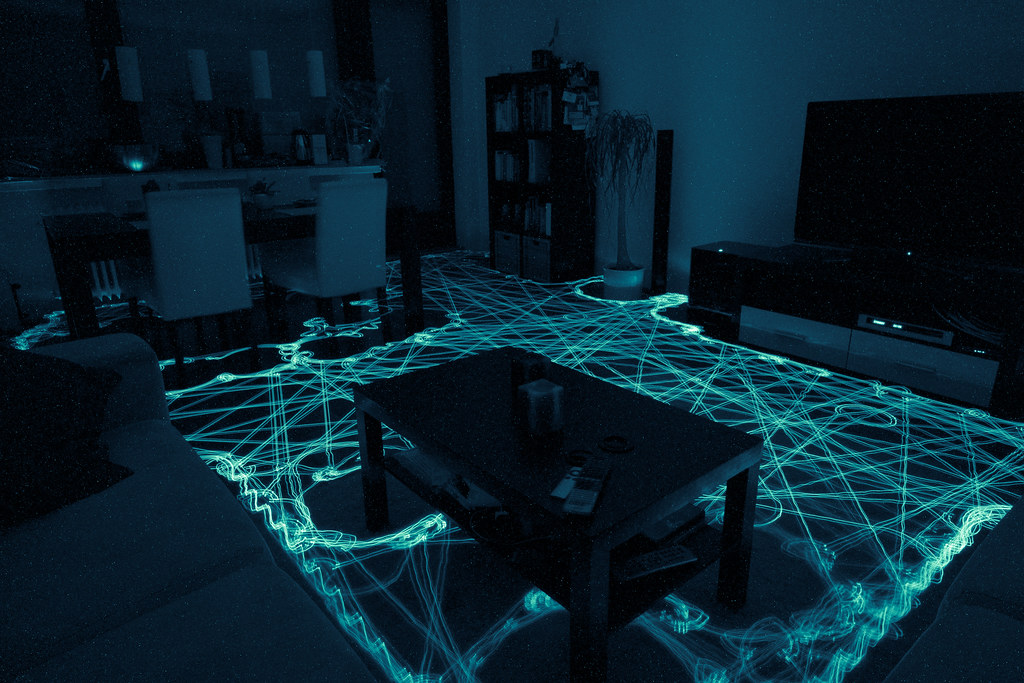
Due to their effectiveness in cleaning floors without the assistance of a person, automated house cleaning robots are becoming a more and more common item in homes worldwide. As these robots develop and grow, their technological requirements likewise become more sophisticated. The ability of automated house cleaning robots to clean is one of its primary features. Most models have strong suction capabilities that make it simple to remove dirt, dust, and debris from floors. Some versions even have sophisticated brush systems that clean nooks and crannies more efficiently. Many models today have mopping features, enabling them to sanitize and clean floors simultaneously.
The ability of autonomous cleaning robots to navigate and avoid obstacles is another crucial feature. To move around rooms and avoid obstacles like furniture and other household items, most models employ a combination of proximity sensors, infrared sensors, cameras, and mapping technology. Some more technical types may even recall a room’s layout and change their cleaning habits accordingly. When choosing an automated home cleaning robot, it’s crucial to consider the battery life and charging time. On a single charge, most models provide run lengths of 60 to 90 minutes, with some more advanced models providing run times of up to 3 hours. Depending on the model, charging time frames might vary; a full charge can be achieved in as little as two hours for specific versions. Due to their value-adding capability, these robots are a hot cake for the future market.
Robotic Lawn Movers for Homes:
Robotic lawnmowers are quickly gaining acceptance as an automated means of maintaining lawns, and they are expected to play a significant role in future home automation. These robots are outfitted with various technical features that allow them to cut grass, navigate lawns, and avoid obstacles with minimal human assistance. The cutting capacity of robotic lawnmowers is one of their primary features. Depending on the user’s requirements, most models include a cutting deck with several blades that can cut grass to a height of 1-4 inches. Additionally, some models have adjustable cutting heights that let owners alter the grass length in various lawn sections.
Robotic lawnmowers can learn from their surroundings over time and adjust to them, which is one of their primary characteristics. Some models have machine learning algorithms built in, allowing them to understand how a lawn is laid out and change their mowing patterns accordingly. For instance, the robot may discover to stay away from shadowed or frequently moist sections of grass. Robotic lawnmowers are a great home automation option for the future because of their distinctive technological characteristics, and as technology develops, we may anticipate seeing increasingly more sophisticated features and capabilities in these devices.
Robotic Chefs for Meal Preparation:
Future home automation possibilities like robotic chefs for food preparation are getting much attention. These robots are outfitted with AI technology that allows them to cook meals fast, precisely, and with the least amount of human assistance. Some versions can cook, grill, and even bake while doing fundamental food preparation chores like chopping, dicing, and stirring. The capacity of robotic chefs to adapt meals to specific dietary needs is one of their distinctive qualities. Users may input their preferences and nutritional requirements, and the robot will modify the dish as necessary. People who follow specific meal plans, have dietary restrictions, or have food allergies will find this option especially helpful. Checking the temperature requirement of a particular food is one of its main features.
The capability of robotic chefs to self-clean is a crucial criterion. This function assures the most significant degree of cleanliness and food safety while saving the user time and effort and keeping up with essential hygienic requirements. Some types have sensors that can tell when the machine needs to be cleaned, while others may be set up to clean themselves after every usage. Connectivity is also another crucial requirement for robotic cooks. Some models provide voice control or smartphone applications that let customers operate the robot from a distance or program it to prepare meals at certain times. This option benefits busy people who want a hot supper ready when they get home from work.
Automated Laundry Folding Robots:
Future home automation technology that promises to lessen the time and effort needed for laundry activities includes automated laundry folding robots. These robots are outfitted with cutting-edge technology that enables them to fold and arrange clothing items precisely and swiftly without human assistance. The capacity of automated laundry folding robots to learn and adjust to various types of clothing is one of its distinctive qualities. Some models have machine learning algorithms installed that let them analyze the size and form of clothing items and modify their folding approach as necessary. This capability guarantees that the robot can handle a variety of clothing articles, including bed sheets, jeans, t-shirts, and many other clothing types.
The speed and efficiency of automated laundry folding robots are crucial features. They ensure that while folding the clothes, they don’t get even the slightest bit of damage. Due to these machines ‘ fast garment folding capabilities, the time and effort needed for washing activities are significantly reduced. For homes with large families or plenty of laundry demands, machines that can fold up to 1,000 articles of clothes each hour are a perfect choice.
Window Cleaning Robots:
Robotic window cleaners are a very inventive and advanced way to clean windows in tall buildings. These robots differ from conventional home automation gadgets in that they have several distinctive technical features. The capacity of window-cleaning robots to clean windows of any size or form, which makes them incredibly versatile and adaptable, is one of its distinguishing characteristics. Robots that clean windows employ cutting-edge sensors and cameras to scan the window’s surface and identify its corners and edges. This makes it possible for the robot to go around and clean the window methodically and effectively. In order to remove dirt and debris, window-cleaning robots often use a mix of water, cleaning solutions, scrubbing brushes, or a vacuum-like suction mechanism.
These robots that clean windows place a high focus on safety, and they have a variety of safeguards in place to guard against mishaps. These attributes include anti-fall sensors, anti-slip wheels, and malfunction-triggered immediate shutoff. Some types even have backup batteries to keep cleaning when the power is off. They can be a vast future prospect, including all the features discussed, and will make life easier for people at home.
Robotic Trash Cans:
Robotic trash cans that can recycle and sort garbage are a creative and sustainable waste management solution. These robots differ from conventional trash cans in several distinctive technological ways. The capability of robotic garbage cans to sort and recycle various sorts of waste is one of its most prominent qualities. Automated trash cans use advanced infrared sensors to identify and sort multiple waste materials, including plastic, paper, glass, and organic waste. Homeowners may recycle and lessen their carbon impact thanks to this. Additionally, the robotic trash cans include integrated compactors that can compress waste and reduce the number of trips needed for rubbish disposal.
These robots might revolutionize rubbish disposal and assist homes in lowering their carbon impact. Many versions have Wi-Fi connectivity and mobile applications that let users monitor trash disposal routines, schedule garbage pickup reminders, and even order fresh trash bags. Some robots can be speech-controlled, allowing people to control them without using their hands. They also contain childproof locks to prevent kids from unintentionally opening the lid and accessing the garbage within.
Pet Feeding Robots for Food and Water Dispensation:
Robotic pet feeders are a growingly popular option for home automation for pet owners who want to streamline their daily routine while ensuring that their furry companions are always well-fed and watered. These robots allow pet owners to automate feeding their animals without being personally there because they are made to administer food and water at regular intervals.

These robots have the unusual capacity to alter feeding regimens by the requirements of various pets. Some robots have IoT-based sensors built in that can tell when a pet is around and change how much food or drink is being delivered in response.
Some models can be controlled remotely via a smartphone app, allowing pet owners to monitor their feeding habits and adjust the feeding schedule as needed. Another innovative feature of pet-feeding robots is their ability to incorporate interactive elements that stimulate a pet’s natural curiosity and playfulness. Some models come equipped with built-in cameras that allow pet owners to interact with their pets while they eat, providing a sense of companionship even when the owner is away from home.
Companion Robot for Elderly or Disabled Individuals:
A bright future for home automation is the creation of robotic companions for older adults or people with disabilities. These robots can offer much-needed support and companionship to those requiring them most. They are intended to support those who might feel lonely or isolated emotionally as well as assist with daily duties like cooking, cleaning, and taking medications. These robotic companions’ capacity to adjust to specific requirements and preferences is one of their distinguishing features. They may be taught a person’s voice and face, their daily routine, and how to act around such information. For instance, the robot may remind someone to eat at a set time and even cook their food if they like.
It uses sensors and artificial intelligence to identify possible health problems or crises. The robot can monitor vital indicators and notify caretakers or emergency personnel if something looks off. For elderly or disabled people, these robots may also offer amusement and cognitive stimulation. They can interact through games, tales, or discussions to dispel feelings of isolation and despair.
Personal Shopping Robots:
Personal shopping robots are one of the most intriguing future possibilities for home automation. They can access online shopping platforms and connect to the internet. This enables the robot to shop for items, evaluate pricing, and purchase on the owner’s behalf. Additionally, the robot should have sophisticated sensors and cameras that can scan and recognize objects in the house to identify goods to add to the shopping list precisely. Over time, they can pick up on and adjust to the homeowner’s preferences. Using machine learning algorithms, personal shopping robots can track past purchases, examine consumer feedback, and offer tailored suggestions based on the homeowner’s interests.
These robots must also have strong security measures to safeguard the financial and personal data of the homeowner. Strong encryption capabilities, safe authentication methods, and the capacity to recognize and notify the homeowner of any questionable behavior are all essential qualities of the robot. Personal shopping robots should also be sleek and small in order to fit through doorways and around other barriers in the house. The robot should also come with a docking station for charging and a long-lasting battery.
Environment-Controlling Robots:
An environmental control robot is a future home automation technology that enhances residents’ comfort and health. The capacity of an environmental control robot to monitor and regulate the home’s temperature, humidity, and air quality would be the main emphasis of its technological specs. An environmental control robot would include sensors that could detect changes in the air quality ( air quality index sensor, temperature sensor, humidity sensor ), and pollutants, including carbon monoxide, nitrogen dioxide, and particulate matter, might all be detected by these sensors. The robot would also be able to see changes in those conditions by using sensors for temperature and humidity.
The robot would also include a control system that could modify the home’s ventilation, heating, and cooling systems. To optimize air circulation and control temperature and humidity, the robot would be able to open and close windows and vents. To keep the house at a reasonable temperature, it could also change the thermostat. Thirdly, a robot that controls the environment could pick up on and adjust to the demands of the people living in the house. It may gather information on preferred humidity and temperature levels and modify the environment accordingly. The surroundings might be optimized for energy efficiency by programming the robot to recognize trends like occupancy and time of day.
DO Supply Inc. makes no representations as to the completeness, validity, correctness, suitability, or accuracy of any information on this website and will not be liable for any delays, omissions, or errors in this information or any losses, injuries, or damages arising from its display or use. All the information on this website is provided on an "as-is" basis. It is the reader's responsibility to verify their own facts.