Human-Centric Design in Human-Robot Collaboration
In the 21st century, the global economy thrives on speed, precision, and efficiency. Industries worldwide depend on automation to meet the demands of a rapidly evolving market. From manufacturing to logistics, automation has proven to be a cornerstone of success, enabling companies to increase output, reduce costs, and maintain a competitive edge. However, what truly sets this era apart is the profound shift towards human-centric automation—a new way of thinking that places humans at the center of technological innovation.
This shift represents a departure from the traditional view of automation, where machines often replaced human labor. Instead, it’s about creating an environment where humans and robots work together, each contributing their unique strengths to achieve remarkable results. The implications of this shift are far-reaching, touching every corner of industry, from automotive to healthcare, agriculture to aerospace.
The Evolution of Automation
Automation has been a constant presence in our industrial landscape, shaping how we work and produce goods. From the early days of assembly lines to the computer-controlled machinery of the late 20th century, we have witnessed the steady march of automation. But it wasn’t until the sudden surge of electric vehicles (EVs) that we saw the boundaries of innovation pushed to new heights. The rise of Tesla, a name synonymous with electric mobility, sent shockwaves through the automotive industry, prompting even industry giants like Chevy and Ford to embrace the EV revolution. The message was clear: innovation is the key to staying relevant in a rapidly changing world.
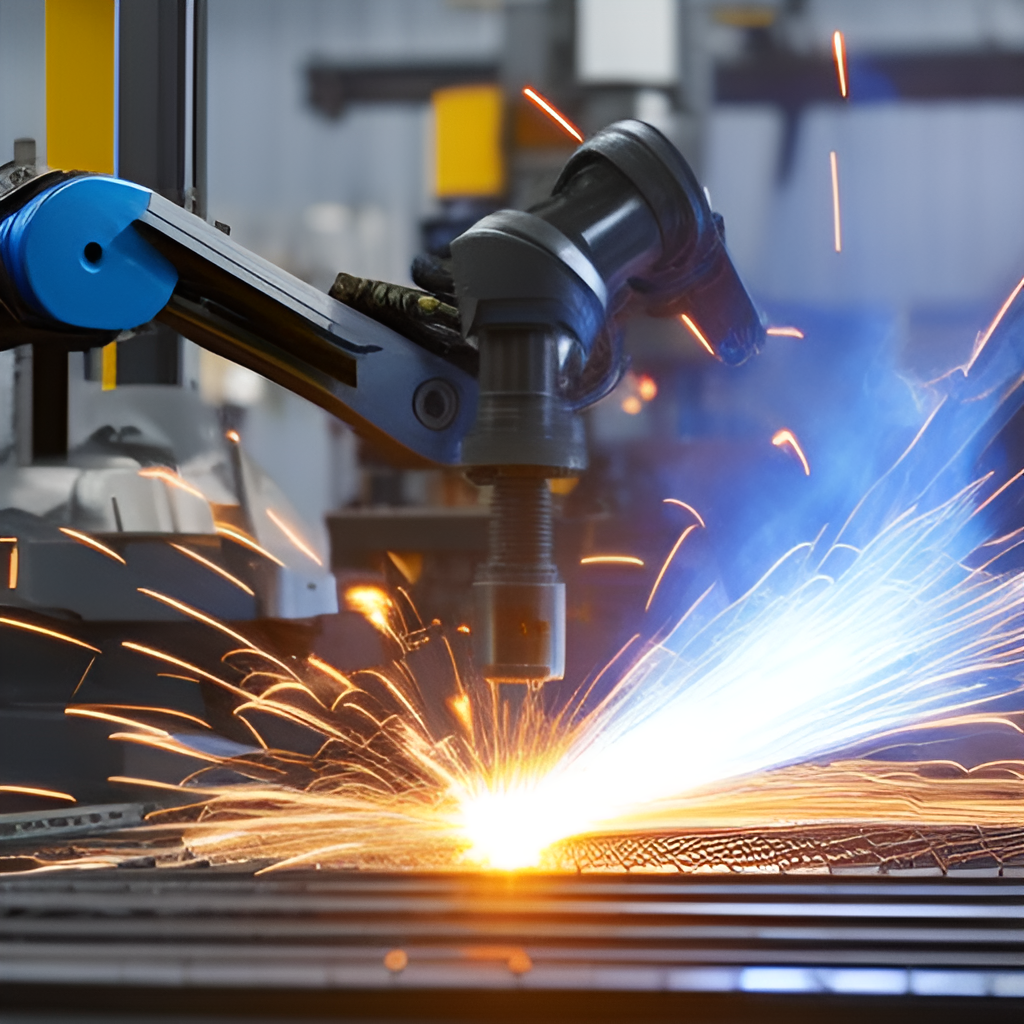
Throughout history, automation has been the driving force behind industrial progress. It started with the advent of assembly lines, revolutionizing manufacturing by increasing production efficiency and reducing costs. As technology advanced, automation entered various industries, from textiles to steel production.
However, it was the 21st century that witnessed a remarkable shift in the automation landscape. The sudden rise of electric vehicles (EVs) reshaped the automotive industry, challenging conventional wisdom and forcing traditional automakers to adapt or risk obsolescence. With its innovative electric cars, Tesla introduced a new era of mobility, attracting attention from consumers and the automotive giants that had dominated the market for decades.
This electrifying revolution posed a fundamental question: Could automation be the key to keeping pace with the EV market’s rapid growth? While EVs gained popularity for their sustainability and efficiency, traditional internal combustion engines (ICEs) faced growing skepticism. Lawmakers even began setting deadlines for states to sell electric vehicles exclusively, leaving car enthusiasts concerned about the future of ICE-powered cars.
What if there were a way to bridge the gap between the tried-and-true ICEs and the cutting-edge EVs? Fortunately, companies like Porsche were up for the challenge. In the face of a transforming automotive landscape, Porsche continued to innovate, seeking ways to improve their lineup of ICE vehicles. Their approach? Embrace additive manufacturing and explore uncharted territories, giving car enthusiasts hope that performance cars have a future in the age of electric mobility.
The Role of Human-Centric Design
In the ever-evolving world of automation, a fundamental shift is taking place—one that places humans back at the center of technological innovation. This shift is encapsulated in the concept of human-centric design. But what exactly is human-centric design in the context of automation, and why is it so crucial to the future of industries?
Human-centric design, in its essence, is about reimagining automation systems to work in harmony with human operators rather than attempting to replace them. It acknowledges that humans possess unique qualities, such as creativity, critical thinking, and problem-solving abilities, which machines cannot replicate. Instead of viewing automation as a means to replace human labor, human-centric design harnesses the strengths of both humans and robots.
The importance of human-centric design becomes evident when we consider the multifaceted benefits it brings to industries. It’s not just about making the workplace more accommodating for humans; it’s about enhancing overall performance. When automation systems are designed with humans in mind, several transformative advantages come into play.
- Improved Efficiency: Human-centric automation streamlines workflows by automating repetitive and physically demanding tasks. This allows human operators to focus their energy and expertise on tasks that require higher-order thinking and creativity. As a result, productivity soars, and the entire operation becomes more efficient.
- Enhanced Safety: Safety has always been a paramount concern in industrial settings. Human-centric design strongly emphasizes safety by minimizing the risk of accidents and ensuring that robots and humans can work alongside each other without compromising well-being. Collaborative robots, or “cobots,” exemplify this approach, as they are designed to interact safely with human workers.
- Increased Productivity: By offloading mundane and physically taxing tasks to automation, human operators can dedicate their time to tasks requiring unique skills. This results in a more productive and engaged workforce better equipped to drive innovation and problem-solving.
Benefits of Human-Centric Automation
Why is human-centric design so crucial in the automation landscape? The answer lies in its abundance of benefits. When automation is designed with humans in mind, it leads to improved efficiency, safety, and productivity. Human operators can focus on tasks that require creativity, problem-solving, and critical thinking, while automation takes care of the repetitive, physically demanding, and often dangerous tasks. This collaborative approach between humans and robots results in a win-win situation, where machines augment our capabilities, making us more effective at what we do.
- Efficiency Amplified: The core of human-centric automation is optimizing workflow. Automating repetitive and physically taxing tasks makes the entire process more efficient. For example, human workers can oversee quality control and process optimization in a manufacturing facility where robots handle heavy lifting. This division of labor leads to higher production rates, fewer errors, and quicker turnaround times.
- Safety Reinforced: Safety is a top priority in any industrial setting. Human-centric automation strongly emphasizes creating a secure work environment where humans and robots can collaborate without risk. Consider the use of collaborative robots (cobots) in healthcare settings. Cobots assist surgeons in delicate procedures, reducing the risk of human error and enhancing overall patient safety.
- Productivity Soars: When automation takes care of repetitive and physically demanding tasks, human operators can dedicate their skills to higher-value activities. In logistics, for instance, autonomous robots can handle routine warehouse tasks like inventory management and material handling, allowing human workers to focus on strategic planning and problem-solving.
In the automotive industry, renowned manufacturers like Porsche have embraced human-centric design principles to enhance their innovation. They recognize that the future of high-performance cars lies in harmonizing human expertise with advanced automation. By automating certain aspects of their production process, such as manufacturing engine pistons through additive manufacturing, they not only enhance efficiency but also ensure that their human workforce can focus on refining and optimizing the final product.
Overcoming Challenges
Of course, this path to human-robot collaboration comes with its fair share of challenges. People worry about job loss and safety concerns. Some fear that machines will take over jobs, leaving workers unemployed. Safety is also critical; when robots and humans work together, ensuring everyone’s safety becomes paramount. However, these challenges can be addressed with the right approach and careful planning.
- Concerns About Job Displacement: Many people are concerned that automation will lead to job losses. However, it’s important to understand that automation can transform jobs rather than replace them. When repetitive tasks are automated, workers can focus on more creative, adaptable, and decision-making roles. To support this transition, companies can provide training and skill development opportunities.
- Safety as a Top Priority: When humans and robots collaborate, safety is crucial. Making sure that human workers stay safe is essential. Collaborative robots (cobots) are designed with safety in mind. They have sensors that detect the presence of humans and stop moving to prevent accidents. Strict safety standards and regulations are vital in ensuring safe working conditions.
- Preparing the Workforce: Successfully integrating automation into existing workflows requires planning. Companies should invest in training and reskilling programs to equip their workforce with the skills needed to work alongside robots. This ensures a smooth transition and empowers employees to take on more complex and fulfilling roles.
- Addressing Cybersecurity: As automation systems become more connected and reliant on data, the risk of cyber threats increases. Protecting these systems from cyberattacks is essential. Strong cybersecurity measures, such as encryption and regular security checks, can help keep them safe from potential threats.
For example, in the logistics industry, companies like Amazon have successfully integrated robots into their warehouses without displacing human workers. These robots work alongside employees, automating the movement of goods while humans focus on tasks that require judgment and creative problem-solving. This approach has increased efficiency and created more rewarding roles for employees.
Emerging Technologies
To truly understand the exciting changes happening in human-centric automation, we need to explore the technologies behind it. Artificial intelligence, robotics, and the Internet of Things (IoT) are leading the way. These innovations are more than just industry jargon; they are the tools reshaping the landscape of automation. They enable machines to adapt, learn, and collaborate with humans seamlessly. The possibilities are vast, and their impact is evident across various industries.
Collaborative Robots (Cobots): These robots, often called “cobots,” are the vanguards of human-robot collaboration. Cobots are designed to work safely alongside human operators, unlike traditional industrial robots. They come in various forms, from compact robotic arms to mobile platforms. Cobots are equipped with advanced sensors, cameras, and sophisticated software that enable them to understand and respond to their environment.
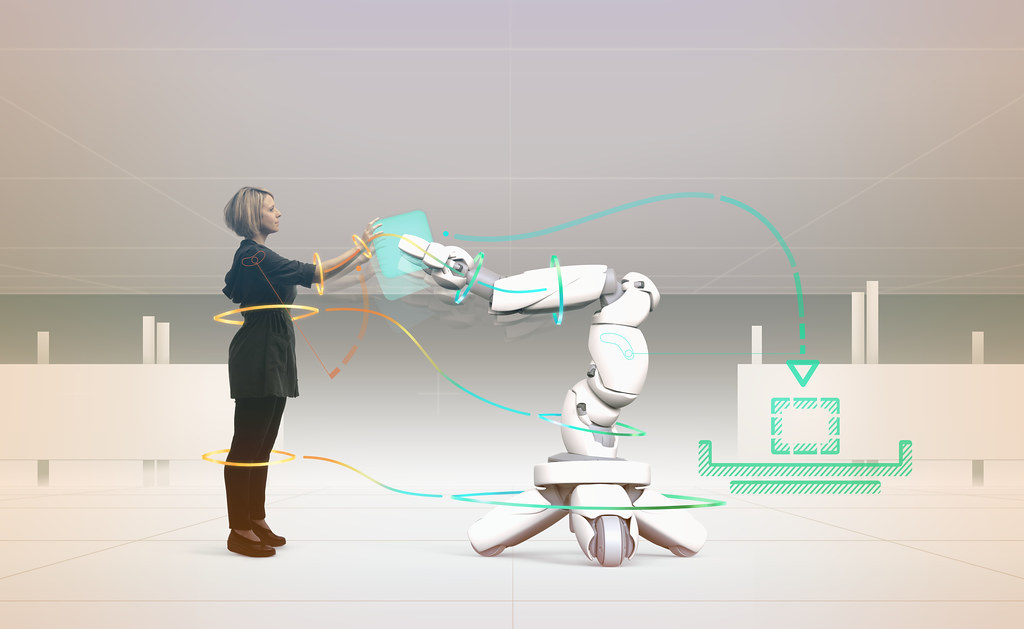
- Types of Cobots: Based on their applications and capabilities, cobots can be categorized into several types. Some are designed for assembly, welding, and material handling tasks. Some are built for precision work in industries like electronics and healthcare. Others are mobile platforms used in logistics and warehousing for tasks like picking and packing.
- How Cobots Work: Cobots are equipped with sensors that detect the presence of humans and obstacles in their vicinity. These sensors enable cobots to slow down or stop when a human operator enters their workspace, ensuring safety. Cobots are often programmed using intuitive interfaces that don’t require extensive technical knowledge. This allows workers to set up and teach cobots new tasks quickly.
- Collaborative Processes: Cobots excel in collaborative processes where they work alongside humans to enhance productivity. In manufacturing, cobots can assist with tasks like part assembly, which holds and positions components, while a human operator performs more intricate tasks. In logistics, they can navigate warehouse shelves, retrieving items for human workers to pack and ship.
Artificial Intelligence (AI): AI is the intelligence that fuels modern automation systems’ adaptability and decision-making capabilities. It plays a pivotal role in shaping human-centric automation.
- AI in Automation: AI allows machines to analyze vast amounts of data, make decisions, and learn from experience. In customer service, AI-powered chatbots are becoming increasingly prevalent. These chatbots interact with customers, answer questions, and provide support 24/7. They continuously learn from interactions, improving their ability to assist customers effectively.
- Learning and Adaptation: AI systems can adapt to changing circumstances. In healthcare, AI-powered diagnostic tools continually update their knowledge base by analyzing medical research and patient data. This ensures that healthcare professionals have access to the most up-to-date information when making critical decisions.
Internet of Things (IoT): The IoT represents a network of interconnected devices communicating and sharing data. It is a critical component of human-centric automation.
- IoT in Agriculture: In agriculture, IoT sensors monitor soil conditions, crop health, and weather patterns in real time. Farmers can make data-driven decisions, optimizing crop yields and resource utilization. The result is sustainable and efficient agriculture that meets the demands of a growing world population.
- IoT in Smart Buildings: In smart buildings, IoT systems regulate energy consumption by adjusting heating, cooling, and lighting based on occupancy and environmental conditions. This not only reduces energy costs but also enhances occupant comfort and sustainability.
The Impact on Industries
Integrating collaborative robots, artificial intelligence, and the Internet of Things into human-centric automation is revolutionizing industries across the board. These technologies are not just reshaping processes but redefining how businesses operate, compete, and innovate.
Collaborative Robots (Cobots):
- Manufacturing: Cobots are transforming manufacturing by enhancing efficiency and precision. In automotive assembly lines, cobots work alongside human workers, performing tasks that demand repetitive precision, such as welding and painting. This collaboration leads to higher-quality products and faster production rates.
- Healthcare: Cobots are used for tasks like medication dispensing and patient assistance. They ensure accuracy and reduce the burden on healthcare professionals, allowing them to focus on patient care and critical decisions.
- Logistics: The logistics industry benefits from cobots in warehousing and distribution centers. Cobots navigate through shelves to retrieve items, streamlining order fulfillment and reducing manual labor. This results in quicker deliveries and improved customer satisfaction.
Artificial Intelligence (AI):
- Customer Service: AI-driven chatbots have become the backbone of customer service in many industries. They provide quick responses to customer inquiries, improving customer satisfaction and freeing up human agents to handle more complex issues.
- Healthcare Diagnostics: AI aids healthcare professionals by providing rapid and accurate diagnostics. AI systems analyze medical images and patient data, assisting in the early detection of diseases and treatment planning.
- Finance: AI is used in the financial sector for fraud detection, risk assessment, and algorithmic trading. Its real-time processing of vast datasets is invaluable in making informed financial decisions.
Internet of Things (IoT):
- Agriculture: IoT sensors in agriculture monitor soil conditions, weather patterns, and crop health. This data-driven approach enables precision agriculture, optimizing crop yields while conserving resources.
- Smart Buildings: IoT systems reduce energy consumption and enhance comfort in smart buildings. Buildings adjust heating, cooling, and lighting based on occupancy and environmental conditions, leading to energy savings and improved sustainability.
- Manufacturing: IoT sensors in manufacturing equipment enable predictive maintenance. Machines can alert operators to potential issues before they lead to costly breakdowns, minimizing downtime and improving overall efficiency.
Final Thoughts
The journey into human-centric automation is a thrilling odyssey that promises to redefine industries, empower the workforce, and elevate our quality of life. This transformation is not a distant future; it is happening now. Collaborative robots are enhancing efficiency in manufacturing, healthcare, and logistics. AI is reshaping customer service and revolutionizing healthcare diagnostics. IoT sensors are optimizing agriculture and creating smarter, more sustainable buildings. The future of automation is not just about machines and processes; it’s about unlocking the full potential of human ingenuity and collaboration. It’s about creating a world where technology serves humanity, making our lives safer, more efficient, and more fulfilling. The possibilities are boundless, and the journey is just beginning.
DO Supply Inc. makes no representations as to the completeness, validity, correctness, suitability, or accuracy of any information on this website and will not be liable for any delays, omissions, or errors in this information or any losses, injuries, or damages arising from its display or use. All the information on this website is provided on an "as-is" basis. It is the reader's responsibility to verify their own facts.