Ethernet vs. Profinet: A Communication Showdown

Industrial automation has revolutionized how industries operate, bringing efficiency and precision to new heights. Central to this transformation are robust communication protocols that ensure seamless data exchange between various devices. Two major players in this field are Ethernet and Profinet, each with its own strengths and unique features. Understanding their differences and applications can help industries choose the best solution for their specific needs.
All About Ethernet
Ethernet is a well-established communication protocol widely used in office and industrial environments. Originally developed in the 1970s, it has evolved significantly to meet the demands of modern data communication. Its popularity stems from its robustness, scalability, and wide acceptance across various industries.
Ethernet operates on the OSI model’s physical and data link layers, providing reliable data transmission through twisted pair cables, fiber optics, or wireless connections. With its ability to support high data transfer rates, Ethernet ensures that devices within a network can communicate quickly and efficiently. Moreover, the widespread adoption of Ethernet means that it benefits from continuous advancements and improvements, making it a future-proof choice for many applications.
Ethernets Specs
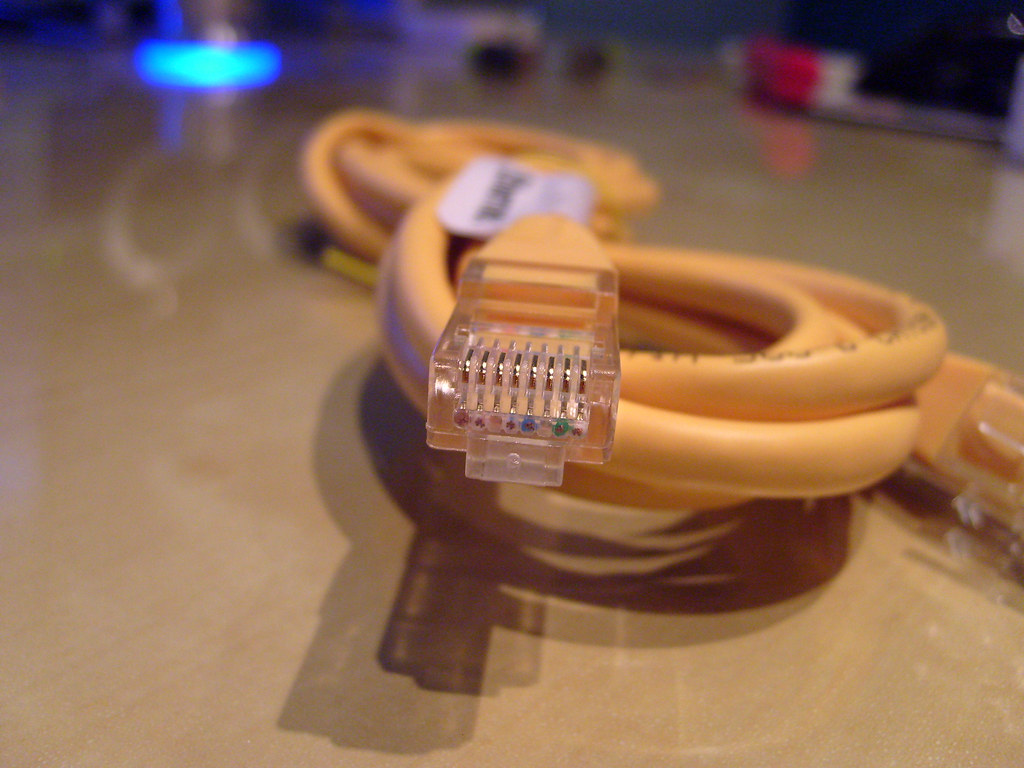
High Speed: Ethernet supports various speed standards, including Fast Ethernet (100 Mbps), Gigabit Ethernet (1 Gbps), and even 10 Gigabit Ethernet. This versatility allows it to handle a wide range of data-intensive applications. For instance, in an Allen-Bradley automation system, high-speed Ethernet ensures that PLCs, HMIs, and other devices communicate seamlessly and in real time, crucial for maintaining the efficiency of industrial operations.
Scalability: Ethernet networks can easily scale from small local area networks (LANs) to extensive wide area networks (WANs). This scalability is vital for industrial setups that may start small but need to expand as production demands increase.
Compatibility: With Ethernet being a global standard, devices from different manufacturers can seamlessly communicate, ensuring interoperability and reducing integration challenges. For example, a Rockwell Automation system using Allen-Bradley controllers can integrate with Ethernet-enabled devices from other vendors like Honeywell or ABB, facilitating a multi-vendor environment that maximizes flexibility and functionality.
Cost-Effectiveness: The widespread use of Ethernet has driven down costs, making it an economical choice for industrial communication needs. The cost-effectiveness of Ethernet is evident in its hardware and infrastructure, where affordable routers, switches, and cabling can be sourced from a variety of suppliers, such as Cisco or Belden. This affordability allows even smaller manufacturers to implement reliable and efficient Ethernet-based communication systems without breaking the bank.
Reliability and Redundancy: Ethernet networks can be configured with redundant pathways to ensure continuous operation even if a part of the network fails. This reliability is critical in industrial environments where downtime can lead to significant financial losses. Solutions from companies like Hirschmann provide industrial-grade Ethernet switches that support redundancy protocols such as Rapid Spanning Tree Protocol (RSTP) and Media Redundancy Protocol (MRP), ensuring robust and resilient network performance.
Security: Modern Ethernet networks incorporate advanced security features to protect against unauthorized access and cyber threats. Industrial Ethernet solutions from vendors like Phoenix Contact include built-in firewalls, VPN capabilities, and intrusion detection systems to safeguard critical industrial communication networks.
By understanding these key features, it’s clear why Ethernet has become a cornerstone of industrial communication. Its high speed, scalability, compatibility, cost-effectiveness, reliability, and security make it an ideal choice for a wide range of industrial applications.
Understanding Profinet
Profinet, short for Process Field Network, is an industrial Ethernet standard developed by Siemens and supported by the Profibus and Profinet International (PI) organization. Profinet combines the best of traditional Ethernet with specific features tailored for industrial automation, providing real-time data communication and deterministic performance.
Profinet operates on the application layer of the OSI model, ensuring that it can manage complex industrial processes with high precision. It supports both cyclic and acyclic communication, allowing for real-time control and diagnostic data exchange. This capability makes Profinet ideal for applications requiring stringent timing and reliability, such as motion control, robotics, and process automation.
Key Features of Profinet
Real-Time Communication: Profinet offers different communication classes, including real-time (RT) and isochronous real-time (IRT), to cater to various industrial requirements. RT ensures timely data exchange, making it suitable for applications like standard factory automation. IRT provides ultra-fast, deterministic communication necessary for high-performance applications such as motion control and robotics. Siemens, a pioneer in Profinet technology, uses IRT in their high-speed automation systems, ensuring precise coordination and synchronization of complex machinery.
Integration with Field Devices: Profinet seamlessly integrates with field devices like sensors, actuators, and controllers, enabling comprehensive automation solutions. This integration is facilitated by standardized profiles and device descriptions, such as the General Station Description (GSD) files.
High Availability: Profinet supports redundancy mechanisms to ensure continuous operation and minimize downtime in critical industrial processes. This feature is vital for applications where reliability is expected for low downtime. For instance, Siemens provides Profinet systems with ring redundancy, which allows for automatic rerouting of data in case of a network failure, ensuring uninterrupted communication.
Flexibility: Profinet supports various topologies, including line, star, and ring, providing flexibility in network design. Understanding these topologies is crucial for designing robust and adaptable network architectures:
- Line Topology: In a line topology, devices are connected in a linear sequence, one after the other. This simple and straightforward setup is easy to implement and is suitable for smaller networks. However, a failure in one device or connection can disrupt communication for the entire line.
- Star Topology: A star topology connects all devices to a central hub or switch. This setup offers better fault tolerance because a failure in one connection does not affect the rest of the network. It is ideal for medium-sized networks where centralized management is advantageous.
- Ring Topology: In a ring topology, devices are connected in a circular sequence, creating a loop. This topology provides redundancy, as data can travel in either direction around the ring if a connection fails. Siemens’ ring redundancy feature enhances this topology by allowing automatic rerouting of data, ensuring continuous communication even in case of a failure.
- Tree Topology: A tree topology combines multiple star topologies into a larger, hierarchical structure. This setup is highly scalable, making it suitable for large and complex networks. It allows for easy expansion and centralized management.
Profinet’s ability to support these diverse topologies makes it highly flexible, allowing network designers to choose the best configuration for their specific application. It can also coexist with existing Ethernet networks, leveraging existing infrastructure while enhancing industrial communication capabilities. This flexibility allows for the creation of robust and adaptable network architectures that can meet the specific needs of different industrial environments.
Advanced Diagnostics and Maintenance: Profinet provides comprehensive diagnostic capabilities that enable proactive maintenance and quick troubleshooting. The ability to monitor network performance and diagnose issues in real-time helps in maintaining optimal operation and reducing downtime.
Safety Integration: Profinet includes safety protocols, such as PROFIsafe, which ensures safe communication in automation systems. This feature is crucial for applications that require stringent safety measures, such as in the automotive or process industries. Siemens and Rockwell Automation incorporate PROFIsafe in their safety-critical applications, ensuring reliable and secure communication for safety devices and systems.
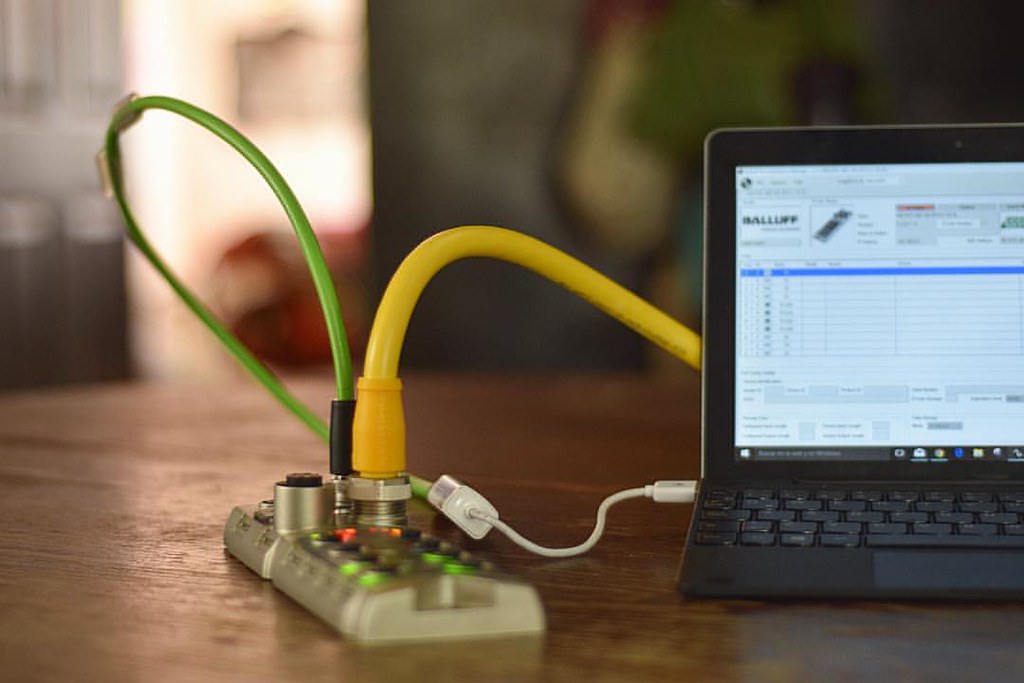
By incorporating these advanced features, Profinet stands out as a powerful communication protocol tailored specifically for industrial automation. Its real-time capabilities, integration ease, high availability, flexibility, advanced diagnostics, and safety integration make it a preferred choice for complex and demanding industrial environments.
Comparing Ethernet and Profinet
When it comes to industrial automation, both Ethernet and Profinet offer significant advantages, but they cater to different needs and applications. Here’s a closer look at their key differences and how they impact industrial communication.
Performance
Speed and Bandwidth: Ethernet supports various speed standards, ranging from Fast Ethernet (100 Mbps) to Gigabit Ethernet (1 Gbps) and even 10 Gigabit Ethernet. These speeds are typically sufficient for most industrial applications, allowing for rapid data exchange and robust network performance. In contrast, Profinet also supports high-speed communication but places a stronger emphasis on deterministic performance and real-time data exchange, which is crucial for applications requiring precise timing and coordination.
Latency and Determinism: Ethernet provides low latency suitable for many industrial applications. However, it is not inherently deterministic, meaning there can be variability in the time it takes for data to travel through the network. Profinet addresses this issue by offering real-time (RT) and isochronous real-time (IRT) communication classes. RT ensures timely data exchange, while IRT provides ultra-fast, deterministic communication necessary for high-performance applications such as motion control and robotics.
Scalability and Network Topology
Network Size and Complexity: Ethernet networks can easily scale from small local area networks (LANs) to extensive wide area networks (WANs), making them suitable for diverse industrial setups. Profinet also offers scalability but is particularly well-suited for complex, large-scale industrial environments where precise control and real-time data exchange are critical.
Topological Flexibility: Both Ethernet and Profinet support various network topologies, including line, star, ring, and tree configurations. However, Profinet’s support for ring topologies with built-in redundancy mechanisms like Media Redundancy Protocol (MRP) offers enhanced reliability and fault tolerance, which is essential for maintaining continuous operation in critical industrial processes.
Compatibility and Integration
Device Interoperability: Ethernet’s status as a global standard ensures compatibility with a wide range of devices from different manufacturers, facilitating seamless integration and reducing challenges associated with multi-vendor environments. Profinet, while also compatible with many devices, excels in integrating with specific industrial field devices such as sensors, actuators, and controllers, thanks to its standardized profiles and device descriptions.
Integration with Existing Systems: Ethernet can easily integrate with existing IT infrastructure, allowing for unified communication across office and industrial environments. Profinet, designed specifically for industrial applications, can coexist with existing Ethernet networks while enhancing their capabilities with features tailored for automation and control.
Cost Considerations
Initial Setup Costs: The widespread adoption of Ethernet has driven down costs, making it an economical choice for industrial communication needs. The hardware, such as routers, switches, and cabling, is readily available and affordable. Profinet, while potentially more expensive to implement initially due to specialized hardware and software, offers benefits in terms of real-time performance and reliability that can justify the investment for certain applications.
Maintenance and Operational Costs: Ethernet’s popularity means that maintenance and operational costs are generally lower due to the availability of affordable replacement parts and widespread technical expertise. Profinet, with its advanced diagnostic capabilities and built-in redundancy, may require a higher initial investment but can reduce long-term operational costs by minimizing downtime and enhancing system reliability.
Typical Applications for Ethernet in Industrial Automation
Ethernet is commonly used in applications where high-speed data transfer and broad compatibility are essential. Examples include:
- Data Acquisition Systems: Ethernet supports the high-speed transfer of large volumes of data from sensors and other devices to centralized data acquisition systems.
- Office and Factory Integration: Ethernet facilitates seamless communication between office IT systems and factory floor devices, enabling integrated business operations and real-time data sharing.
- General Automation: Applications that do not require stringent real-time performance, such as monitoring and basic control systems, can effectively use Ethernet.
Profinet excels in applications requiring real-time performance and deterministic communication. Some examples are:
- Motion Control and Robotics: Profinet’s IRT communication class ensures precise synchronization and control of high-speed machinery and robotic systems.
- Process Automation: Industries such as chemical, pharmaceutical, and food and beverage rely on Profinet for its ability to manage complex processes with high precision and reliability.
- Safety-Critical Applications: Profinet’s integration with safety protocols like PROFIsafe makes it ideal for applications requiring stringent safety measures and reliable communication.
Pros and Cons
Advantages of Ethernet
- Cost-effective: Affordable hardware and widespread availability.
- High speed: Supports various speed standards, suitable for many applications.
- Compatibility: Global standard ensures interoperability across devices from different manufacturers.
- Scalability: Easily scales from small LANs to extensive WANs.
Disadvantages of Ethernet
- Non-deterministic: May experience variable latency, not ideal for real-time applications.
- Potential congestion: High network traffic can lead to congestion and performance issues.
Advantages of Profinet
- Real-time communication: RT and IRT classes provide deterministic performance.
- Integration with field devices: Seamless integration with sensors, actuators, and controllers.
- High availability: Redundancy mechanisms ensure continuous operation.
- Advanced diagnostics: Comprehensive diagnostic capabilities for proactive maintenance.
Disadvantages of Profinet
- Higher initial costs: Specialized hardware and software can be more expensive.
- Complexity: More complex to configure and maintain compared to standard Ethernet.
Final Thoughts
Both Ethernet and Profinet have their unique advantages and are suited to different applications within industrial automation. Ethernet’s affordability, compatibility, and scalability make it a versatile choice for many general automation needs. Profinet, with its real-time capabilities, advanced diagnostics, and integration with field devices, is ideal for high-performance and safety-critical applications. By understanding the specific requirements of their operations, industries can make informed decisions about which protocol best suits their communication needs.
DO Supply Inc. makes no representations as to the completeness, validity, correctness, suitability, or accuracy of any information on this website and will not be liable for any delays, omissions, or errors in this information or any losses, injuries, or damages arising from its display or use. All the information on this website is provided on an "as-is" basis. It is the reader's responsibility to verify their own facts.