Ethernet/IP vs. Profinet in Industrial Networks
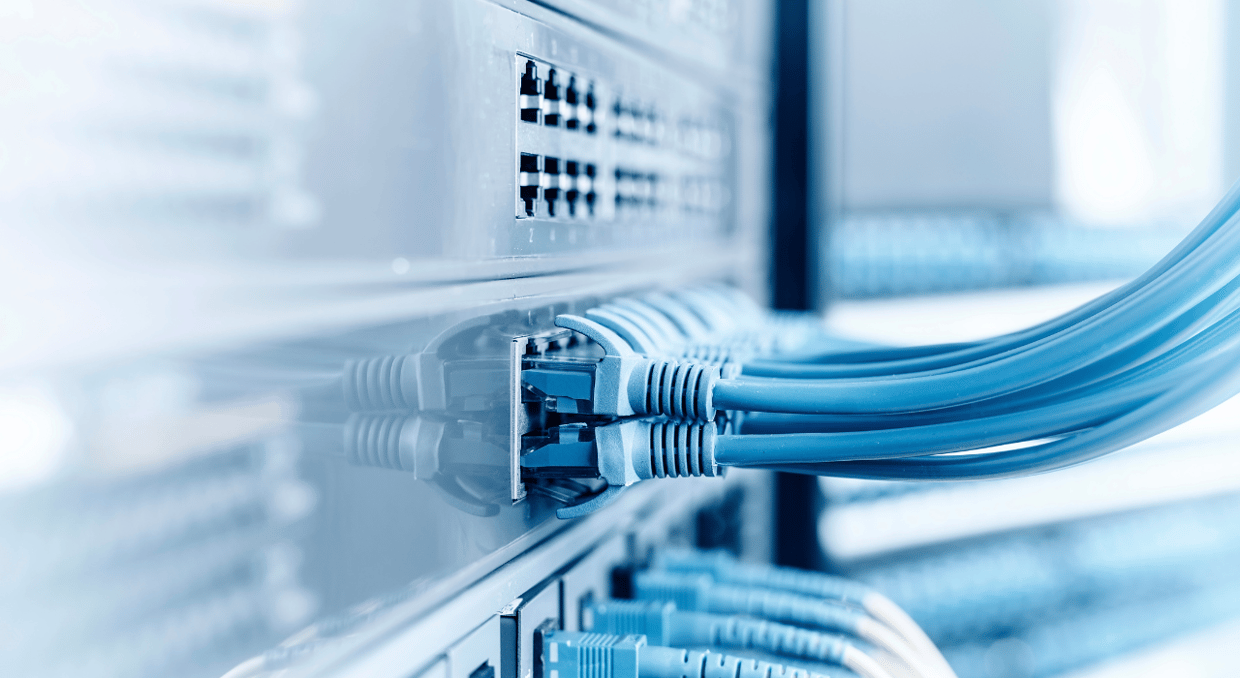
Ethernet has revolutionized the industrial environment by empowering control engineers with greater autonomy and control over industrial processes. Facilitating efficient communication between devices, Ethernet empowers managers to utilize data-driven insights to optimize production processes and decrease operational expenses. The advent of industrial Ethernet has significantly enhanced these capabilities. Among the most prevalent Ethernet-based protocols are EtherNet/IP and PROFINET.
In this article, we will explore Ethernet/IP and PROFINET, examining their characteristics and comparing them for various aspects within industrial networks.
Ethernet/IP
Ethernet/IP, Developed in the late 1990s and officially launched in the early 2000s, is an industrial network protocol that employs the Common Industrial Protocol (CIP) as a top-standard Ethernet infrastructure. It works on the network application layer and facilitates communication between control systems and input-output (I/O) devices. It operates at the uppermost layer of Open Systems Interconnection (OSI) and Transmission Control Protocol/Internet Protocol (TCP/IP) models, enabling data exchange within industrial networks.
The EtherNet/IP standard, or E/IP or EIP, is a protocol used by machines in industries to communicate effectively. The interesting thing about this standard is that it has been developed collaboratively by four different groups: Open DeviceNet Vendor Association (ODVA), the Industrial Open Ethernet Association (IOANA), Control Net International (CI), and the Industrial Ethernet Association (IEA). They aim to make EIP widely accepted as a common set of rules for Ethernet networks used in industrial automation. Their goal is to show how EIP is a reliable and comprehensive standard that many different types of machines can use in factories and other industrial environments.
Flexible Installation and Network Topology
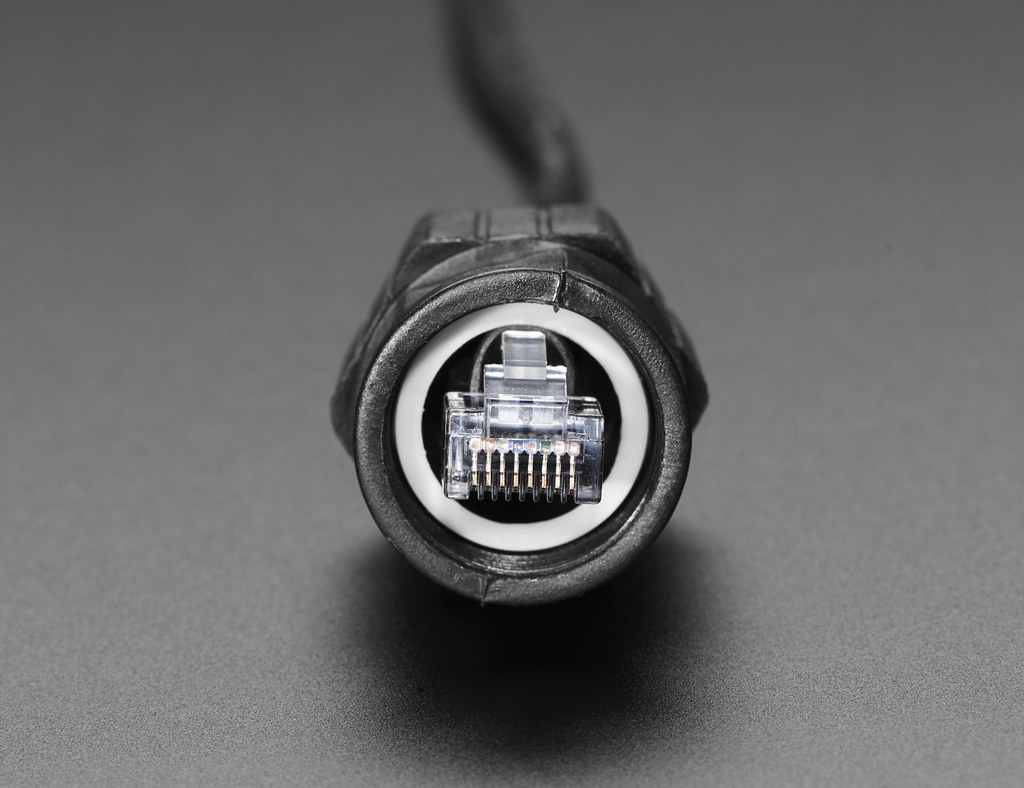
EtherNet/IP operates as an Ethernet network compatible with IEEE standards, adapting to industry scenarios and topology models such as ring, star, linear, and hybrid configurations. It offers installation flexibility with options for both copper cables and optical fibers. EtherNet/IP is versatile, accommodating diverse applications and supporting specialized solutions like Wireless and Bluetooth connectivity.
Compatibility with Standard Internet Protocols
Utilizing the TCP/IP protocol for data exchange, EtherNet/IP integrates with major Internet protocols, including HTTP, FTP, SNMP, and DHCP, as well as standard industry protocols like OPC. This compatibility facilitates effortless data integration with IoT platforms, simplifying communication and enhancing interoperability.
Variety of Equipment and Suppliers
EtherNet/IP combines CIP and Ethernet protocols, enabling device communication without routers or switches. Because Ethernet is broadly adopted in the industry, a wide array of commercial equipment is readily accessible. Moreover, IP and CIP are well-established protocols that foster a diverse ecosystem of products from numerous suppliers. This reduces reliance on EtherNet/IP-specific products and promotes interconnection between suppliers, offering users flexibility regarding delivery times and costs.
Integrated Safety
EtherNet/IP features integrated safety capabilities within the Ethernet network through CIP Safety. Comprising reliable safety services and diagnostics at the application layer, CIP simplifies installation without requiring special communication hardware. CIP security applications allow for smooth integration of security and standard devices on the same network or wire, offering greater flexibility and ensuring comprehensive safety measures.
PROFINET
PROFINET, known as Process Field Network, serves as an Ethernet-based industrial network protocol facilitating efficient data exchange among process devices and controllers. It started in the early 2000s, and since then, it has emerged as the most widely embraced Industrial Ethernet solution. Essentially, controllers like PLCs and DCS manage operations, while process devices include components such as I/O modules, frequency inverters, and vision systems. The protocol was collaboratively developed by PROFIBUS and PROFINET International (PI) in conjunction with various original equipment manufacturers (OEMs) within the automation domain. Aligned with the IEEE 802 Ethernet standard within IEC 61158 and IEC 61784, PROFINET ensures robust interoperability and adherence to industry standards. PROFINET’s key feature is its integrated Ethernet-based communication, which combines numerous features and functionalities into a unified cable infrastructure. Known for its fast data transmission for both inputs and outputs, PROFINET facilitates real-time integration and data exchange, effectively addressing the varied requirements of industrial applications.
Scalable Real-Time Communication
PROFINET boasts remarkable real-time communication capabilities, enabling data exchange at a frequency of 1µs. This facilitates precise motion control in precision applications and integration with Industry 4.0 systems using the same communication cable for data exchange with servers and cloud platforms.
Increased Availability
PROFINET ensures high availability through redundant automatic response mechanisms, allowing programmed actions based on field device diagnostics. Acyclic diagnostic data transmission provides crucial insights into individual device statuses, offering a comprehensive overview of equipment health and significantly enhancing plant availability.
Integrated Safety
PROFINET integrates safety features like PROFIsafe, utilizing the network to exchange safety signals such as emergency buttons and doors. By transmitting safety signals alongside normal process data over the same network cable, PROFIsafe minimizes the need for additional safety devices, cabling, and engineering efforts, enhancing reliability and safety while streamlining installations.
Flexible Installation and Network Topology
As a 100% Ethernet network, PROFINET adheres to IEEE standards, accommodating various industry topologies such as ring and star structures. Its compatibility extends to cable types, including copper and fiber optic cables. PROFINET is versatile enough to accommodate specialized solutions like Wireless and Bluetooth, making it suitable for diverse application scenarios.
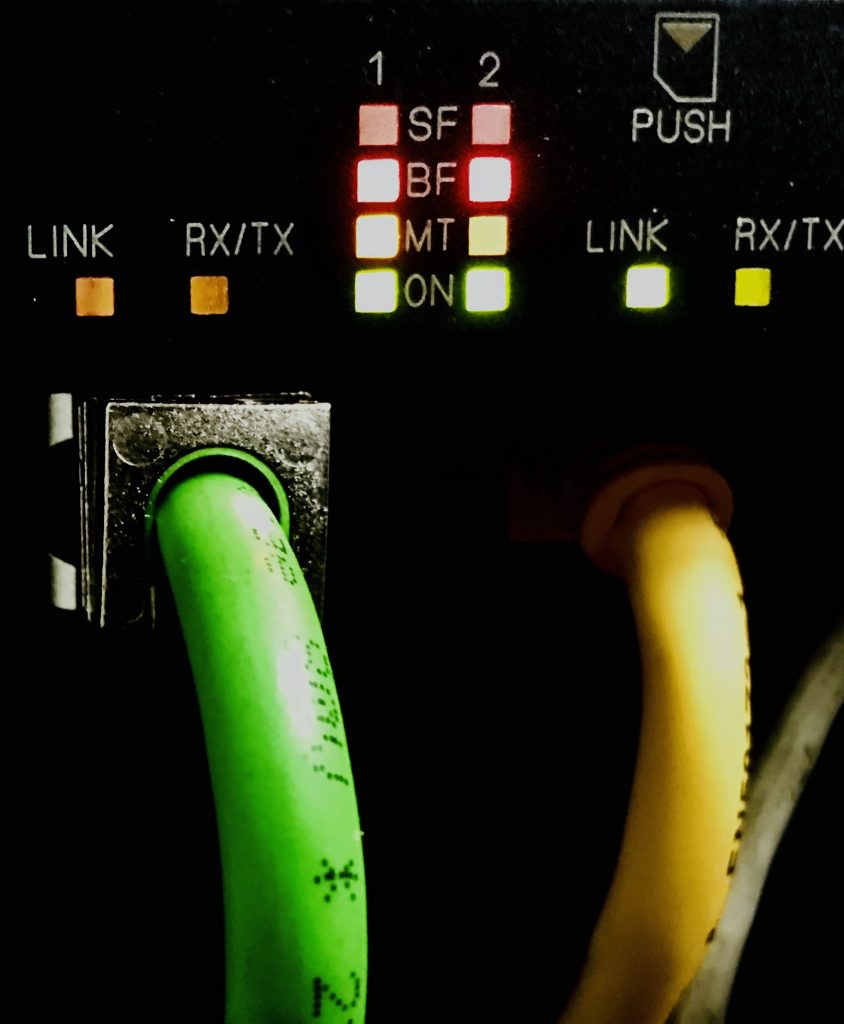
Ethernet/IP vs. Profinet
The comparison between Ethernet/IP and PROFINET is essential for understanding their respective strengths and applications. The detailed comparison is below.
Scalability
Scalability is crucial when comparing Ethernet/IP and PROFINET in industrial networking. Both protocols offer scalability, but their capabilities differ based on network infrastructure, switch capabilities, and network configuration. Ethernet/IP stands out for its ability to support networks with thousands of devices, making it suitable for large-scale deployments. Using standard Ethernet switches, Ethernet/IP enables the creation of expansive and distributed networks with multiple switches and segments. This ability to handle significant data flow boosts its scalability, allowing it to support heavy data applications effectively. As a result, Ethernet/IP has gained widespread adoption across various industries, leading to a diverse ecosystem of compatible devices.
On the other hand, PROFINET demonstrates versatility in catering to both medium and large networks, offering flexibility in network design and architecture. With support for ring and line topologies, PROFINET provides options for optimizing network configurations based on specific use cases. PROFINET’s standout feature is its ability to smoothly integrate with existing PROFIBUS networks, ensuring an efficient transition and enhanced system interoperability. While PROFINET may not match Ethernet/IP’s sheer device scalability, its adaptability and integration capabilities make it a compelling choice for industrial applications. Ethernet/IP supports large networks, while PROFINET integrates with PROFIBUS, suitable for diverse applications.
Industrial Compatibility
Regarding Industrial Compatibility, both EtherNet/IP and PROFINET offer unique features based on existing devices and infrastructure. EtherNet/IP, an open standard protocol, holds significant sway in manufacturing, particularly with Rockwell Automation (previously Allen-Bradley) devices. Given Rockwell Automation’s dominant position as the largest North American vendor of industrial devices and its partnerships with other manufacturers, EtherNet/IP enjoys robust vendor support within this region.
On the other hand, PROFINET boasts backward compatibility with PROFIBUS, enabling a seamless transition from older legacy networks. While EtherNet/IP is prevalent among North American vendors, PROFINET is favored by European manufacturers such as Siemens. PROFINET has gained substantial support from overseas device manufacturers.
Determinism and Real-time Performance
When comparing the determinism and real-time performance of Ethernet/IP and PROFINET, it is essential to analyze their respective capabilities within industrial applications. Ethernet/IP achieves determinism and real-time functionality through Common Industrial Protocol Synchronization (CIP Sync), which ensures accurate timekeeping and coordinated actions among devices. Ethernet/IP prioritizes time-critical traffic using Quality of Service (QoS) mechanisms, minimizing communication delays and enhancing real-time performance. However, it is important to note that Ethernet/IP relies on standard Ethernet infrastructure like routers and switches, meaning the quality and configuration of these network components can impact determinism and real-time performance.
On the other hand, PROFINET boasts Isochronous Real-Time (IRT) communication, ensuring consistent and predictable communication cycles, which makes it particularly suitable for demanding real-time applications. Like Ethernet/IP, PROFINET employs Precision Time Protocol (PTP) for clock synchronization across the network, enabling precise time coordination between devices. PROFINET implements device priority and channel reservations to prioritize critical communication and reserve bandwidth for real-time transmission. This combination of features makes PROFINET an attractive option for applications requiring stringent determinism and real-time performance. Ethernet/IP and PROFINET both support determinism and real-time functionality. PROFINET offers advantages with IRT communication and PTP synchronization, while Ethernet/IP provides strong support through CIP Sync and device priority. The choice depends on application needs.
Interoperability
Considering the interoperability between EtherNet/IP and PROFINET, both protocols exhibit strong compatibility, though they use different approaches. EtherNet/IP relies on being an open standard based on standard Ethernet, allowing integration with IT systems and devices. This broad compatibility extends across various environments and systems. EtherNet/IP utilizes the Common Industrial Protocol (CIP), which fosters a unified communication framework. Devices using CIP can effectively communicate with other protocols like DeviceNet and ControlNet, further enhancing interoperability. Moreover, EtherNet/IP benefits from a diverse vendor ecosystem, offering a wide range of compatible devices from different manufacturers, thereby reinforcing interoperability in multi-vendor scenarios.
In contrast, PROFINET achieves interoperability through distinct mechanisms. Its backward compatibility with PROFIBUS enables smooth integration into existing PROFIBUS installations without requiring a complete overhaul, thereby saving time and resources. PROFINET employs profile-based communication, where device profiles define functionality and communication requirements, ensuring consistent behavior across devices from different manufacturers. This standardized approach enhances interoperability and simplifies integration efforts. PROFINET supports PROFIsafe integration, a safety communication protocol facilitating effortless integration of safety devices into the network. This feature is particularly advantageous for operations with numerous safety-critical devices, ensuring efficient and reliable communication. Both EtherNet/IP and PROFINET offer strong interoperability but through different means. EtherNet/IP benefits from its open standard and wide vendor support, while PROFINET stands out with backward compatibility, profile-based communication, and PROFIsafe integration.
Security
In terms of security, both EtherNet/IP and PROFINET come equipped with features to ensure the safety of the network. EtherNet/IP offers port security, which prevents unauthorized devices from accessing valuable data. It also allows devices to establish their identities using digital certificates, enhancing trust and preventing man-in-the-middle attacks. Another crucial security feature of EtherNet/IP is CIP Security, a comprehensive protocol ensuring data confidentiality, integrity, and authenticity through authentication and encryption.
Comparatively, PROFINET provides PROFIsafe, specifically designed to protect against safety-related malfunctions and failures and meet stringent safety requirements. It also offers topology-based security, allowing access privileges to be configured based on network topology, thereby restricting access to certain devices in specific segments. PROFINET supports Access Control Lists (ACLs), enabling the implementation of access controls to regulate communication with specific PROFINET devices. These security features ensure that both protocols prioritize network safety while addressing the unique security needs of industrial environments.
Cost Factor
Several factors come into play when considering the cost implications of implementing either EtherNet/IP or PROFINET. For EtherNet/IP, its seamless integration with IT infrastructure minimizes the need for additional device investment, thus reducing overall costs. Moreover, the wide range of manufacturers producing compatible devices allows for price comparison and the selection of cost-effective equipment, further enhancing affordability. Standard Ethernet components like switches, cables, and network interface cards are readily available and competitively priced, contributing to cost efficiency.
Similarly, PROFINET offers cost advantages through various avenues. The global network of device vendors providing comprehensive support helps keep overall costs low. The presence of numerous device manufacturers supporting PROFINET fosters healthy competition, leading to competitive pricing and ensuring high-quality devices. Hardware costs associated with PROFINET are comparable to EtherNet/IP, with readily available and inexpensive components.
Data transfer rates
Both Ethernet/IP and PROFINET offer capabilities tailored to specific application requirements when evaluating data transfer rates. Ethernet/IP supports Gigabit Ethernet and higher speeds, making it suitable for large networks with high communication demands. This facilitates exceptionally high data transfer rates and real-time data communications, enabling clock synchronization and coordinated actions between devices. Newer implementations may even support speeds up to 10 Gbps, further enhancing its suitability for data-intensive applications.
The PROFINET operates over Fast Ethernet (100 Mbps) and Gigabit Ethernet (1 Gbps) speeds, catering to various industrial applications with diverse communication needs. In addition to supporting high-speed data transfer, PROFINET offers Isochronous Real Time (IRT) communication, ensuring consistent and predictable communication cycles for time-critical data transfer. Ethernet/IP and PROFINET provide robust data transfer capabilities for different industrial applications. Ethernet/IP excels in high-speed networks, and PROFINET is compatible with various communication requirements, including real-time data transfer. The choice between the two protocols depends on the application’s specific communication needs and performance requirements.
Conclusion
The comparison between Ethernet/IP and PROFINET reveals their respective strengths and suitability for various industrial applications. Ethernet/IP, with its wide adoption and robust interoperability, offers integration with existing IT infrastructure and a diverse ecosystem of compatible devices. On the other hand, PROFINET stands out for its scalable real-time communication, integrated safety features, and flexible installation options. Both protocols provide secure and cost-effective solutions for industrial networking, addressing the diverse communication needs of different applications. Ultimately, the choice between Ethernet/IP and PROFINET depends on specific application requirements, network scalability, interoperability needs, and performance criteria. While Ethernet/IP excels in high-speed networks and interoperability, PROFINET offers versatility in network design, real-time communication, and safety integration. By carefully evaluating these factors, industrial users can select the most suitable protocol to optimize their network performance and meet their industrial automation needs.
DO Supply Inc. makes no representations as to the completeness, validity, correctness, suitability, or accuracy of any information on this website and will not be liable for any delays, omissions, or errors in this information or any losses, injuries, or damages arising from its display or use. All the information on this website is provided on an "as-is" basis. It is the reader's responsibility to verify their own facts.