From Robotics to CNC: The Versatile World of Servo Drives
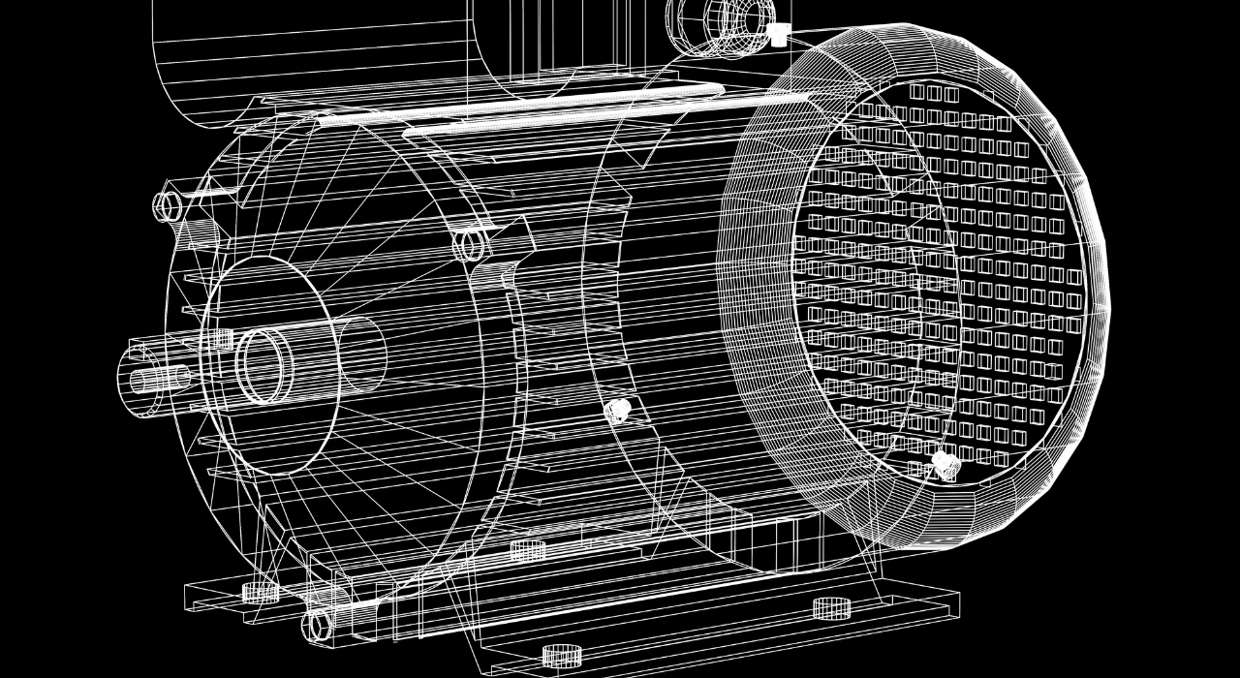
Servo drives have revolutionized the industries by enabling precise control over motion and positioning. Whether it is for making simple to complex, smooth robotic arm movements or placing CNC operations with precision, servo drives are the enablers. Beyond robotics and CNC, these drives empower sophisticated motor control systems in automatic manufacturing processes, renewable energy production, the recreation industry, health care institutions such as hospitals, the farming sector, and transportation and space explorations, among many others.
This article will introduce you to servo drives in detail, including how they work, where they are used, and technological advancements. It also aims to stimulate thought on their capacity to enhance creativity and efficiency across various industries, thus promoting further invention and progress.
What is Servo Drive?
A servo drive is an electronic amplifier used to power electric servomechanisms. It monitors the feedback signal from the servomechanism and continually adjusts it for deviation from expected behavior. Servo drives are a critical component within motion control systems, providing accurate control over electrical motors’ velocity, position, and torque. Traditional motor control systems often rely on open-loop control methods, while servo drives work on a closed-loop system. The closed-loop control systems incorporate feedback mechanisms that help them monitor and adjust motor performance in real time. As a result, servo drives have unmatched preciseness and are highly responsive. This makes them ideal for devices requiring accurate motion control, such as robotics and CNC machining.
A servo drive typically consists of the following basic components:
- Power Amplifier: It converts low-power control signals from the controller into high-power signals that drive the motor.
- Feedback Mechanism: A sensor or encoder usually provides feedback on the motor’s position, speed, and torque in real time. It stands as the most important component of the entire system. Without the critical information about the motor’s actual performance, servo drives won’t be able to make accurate real-time adjustments. This would result in losing control over the motor’s position, speed, and torque, reducing accuracy and unreliability. Robotics and CNC machining demands high levels of accuracy and responsiveness, which are provided by the feedback mechanisms of servo drives.
- Controller: It interprets the signals received from the feedback device and produces the proper control signals to achieve the required motion profile.
- Motor: It’s a typical brushless DC motor or AC servo motor that converts electrical energy into the required mechanical motion.
How are servo drives impacting various industries?
In this section, we will explore how servo drives are revolutionizing various important sectors with their precision and flexibility.
Robotics
Servo drives are important parts of robotic systems that provide accurate control over the motors that run the robot’s movement. They enable dynamic control of speed, position, and torque, allowing the robots to perform complex tasks accurately and efficiently. They also ensure smooth, coordinated motion and seamless operations of robotic arms and manipulators in various applications.
Servo drives offer control and precision that are not comparable to any other present technology. This ensures that the robots perform their assigned tasks with micron-level accuracy. The feedback provided by encoders is very high resolution. This ensures the servo drives adjust motor performance in real time, ensuring precise positioning and accurate trajectory tracking. They also provide motion flexibility, which allows the robots to perform a wide range of movements. The robots can perform delicate assembly tasks to high-speed pick-and-place operations.
Case Studies in Real-World Applications
Industrial Automation
Servo drives are extensively used in industrial automation applications, including, but not limited to, assembly lines, material handling, and packaging. During the assembly process, a servo-driven robot can accurately position parts, improving productivity and quality.
Medical Robotics
Servo drives enable precise control over robotic surgical instruments in medical robots. This facilitates minimally invasive medical procedures with high precision and dexterity. For example, a surgical robot equipped with servo drives can perform delicate procedures with sub-millimeter precision, reducing the patient’s trauma and recovery time.
Collaborative Robots (Cobots)
Servo drives are an important part of collaborative robots that work with humans in shared workspaces. These robots need accurate motion control to ensure their safety and efficiency. Servo drives help cobots adjust their movements dynamically based on human interactions, improving safety and productivity in collaborative manufacturing environments.
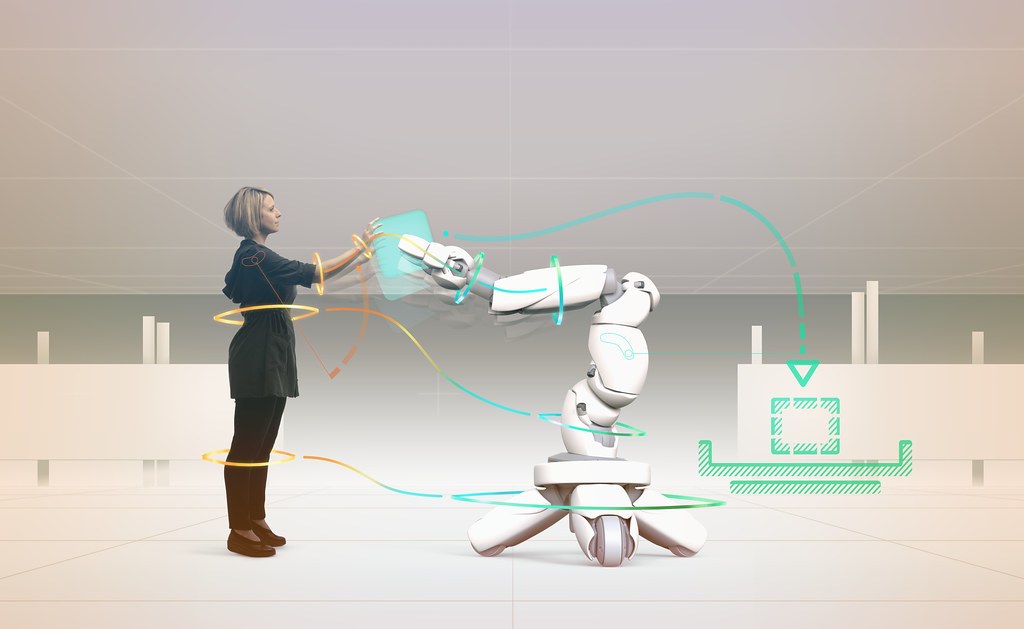
The role of servo drives is critical in ensuring the performance and versatility of robotic systems. Servo drives contribute to improved productivity, quality, and safety in various fields, ranging from industrial automation to medical robots to collaborative robots.
CNC Machining
In CNC (Computer Numerical Control) machining, precise positioning and motor control are necessary to produce high-quality and accurately machined parts. Servo drives offer precision and control, which is needed for the precise placement of cutting tools and work pieces. They guarantee consistent and repeatable motion control, which enables CNC machines to carry out intricate machining operations with exact tolerances. Servo drives also enable CNC machines to perform high-speed machining without compromising accuracy, increasing output and reducing cycle times.
Integration of Servo Drives with CNC Controllers and Software
CNC controllers and software are integrated with servo drives to provide smooth operation and synchronization of CNC machines. CNC controllers communicate with servo drives, specifying the desired motion profiles and machining parameters. Encoders and other feedback devices send feedback signals to servo drives, which accurately track axes’ position and speed during machining. Advanced CNC software and algorithms enhance servo drive performance by instantly modifying feed rates and tool paths in order to improve machining efficiency and surface finish. Hence, integrating servo drives with CNC controllers and software allows operators to program complicated machining operations and stimulate tool trajectories before actual machining. This reduces setup time and minimizes errors.
Case Studies in CNC Manufacturing:
High-Speed Machining
A notable case study in aerospace component manufacturing showcases the prowess of CNC machining centers equipped with servo drives for high-speed machining. In this context, servo drives facilitate rapid acceleration and deceleration of axes, resulting in reduced cycle times and enhanced productivity. The superior surface finish and dimensional accuracy achieved through precise tool positioning and motion control provided by servo drives underscore their significance in high-speed machining applications.
Multi-Axis Milling
Another compelling case study pertains to automotive mold making, where CNC milling machines with servo drives are employed for multi-axis milling complex molds. Here, servo drives play a crucial role in enabling the simultaneous movement of multiple axes, facilitating efficient machining of intricate 3D contours and cavities. The synchronization capabilities of servo drives minimize vibration, ensuring high-quality mold surfaces and precise dimensions, thus enhancing the manufacturing process.
Complex Part Production
In medical implant manufacturing, CNC turning and milling centers equipped with servo drives are utilized to produce complex medical implants. Servo drives play a pivotal role in ensuring precise control over machining processes, thereby meeting tight tolerances and surface finish requirements. The flexibility of servo drive configurations allows for customization and small batch production, effectively addressing diverse medical implant needs.
Hybrid Machining
In another innovative application, CNC machining centers equipped with servo drives integrate laser or ultrasonic cutting heads for hybrid machining, especially in aerospace component manufacturing. Servo drives dynamically control cutting parameters, ensuring optimal process conditions for both traditional and non-traditional machining operations. Hybrid machining processes enabled by servo drives enhance productivity, reduce material waste, and achieve superior surface finish, highlighting their multifaceted utility in modern manufacturing.
Agriculture
Among the other sectors that servo drives can undertake, agriculture has benefited from them the most in terms of amplifying efficiency, accuracy, and mechanization. Using servo-drive technology, precision farming appliances such as GPS-guided tractors are made possible. Such a system enables precise control over planting and harvesting mechanisms, improving their performance, and this increases the productivity per unit area (resource utilization).
In irrigation, water flow can be regulated using servo drives, which saves water resources while adjusting applications to suit soil moisture content, hence increasing crop yields.
Greenhouse automation is another area where the use of servo drives can provide benefits. These drives ensure ideal growth conditions are maintained with minimum energy consumption and labor.
Again, servo drives for harvesting and sorting equipment facilitate efficient processing and packaging of agricultural produce, thereby enhancing product quality and marketability. Besides, field operations are optimized by self-driven farm vehicles equipped with servo gears, which makes them more productive while saving costs. Although it minimizes environmental impacts and, at the same time, ensures sustainability, modern farming cannot take place without these devices, which play a key role in the industry.
Space Exploration
Servo drives are crucial for space exploration. They allow precise control and manipulation of spacecraft systems. These drives are key in keeping spacecraft oriented, deploying solar panels, operating robotic arms, pointing scientific instruments, and stabilizing reaction wheels. They ensure accurate and responsive control in the harsh conditions of space, contributing to space missions’ success, reliability, and efficiency. Servo drives enhance scientific observations, sample collection, and maintenance during space missions by enabling precise positioning and handling of spacecraft parts. Overall, servo drives are essential tools that advance our understanding of the universe and pave the way for future exploration beyond Earth.
Renewable Energy
Servo drives help renewable energy systems generate and use energy efficiently. For example, servo drives are used in solar tracking systems to adjust panel angles to capture more sunlight, enhancing solar energy harvesting efficiency.
In wind turbines, servo drives regulate blade angles. This optimizes wind energy capture and ensures reliable operation and maximum power output. Servo drives are also employed in hydroelectric dam control. They regulate water flow through turbines, matching energy demand and optimizing power generation. Overall, servo drives play a crucial role in enhancing renewable energy technologies’ efficiency, reliability, and sustainability. They contribute to the global transition towards cleaner, more sustainable energy.Top of Form
Entertainment and Amusement
Servo drives play key roles in the entertainment and amusement industry, enhancing various attractions’ immersive experience and safety. Some Examples are:
Theme Park Rides
Servo drives are used in theme park rides to control the movement of ride elements, such as roller coaster cars, simulators, and animatronics figures. They enable precise and dynamic motion, creating thrilling and immersive experiences for park visitors while ensuring safety and reliability.
Animatronics
In animatronics displays and attractions, servo drives control the movement of lifelike characters and creatures. They provide realistic and fluid motion to animatronic figures, enhancing the entertainment value and creating engaging experiences for audiences in museums, theme parks, and entertainment venues.
Simulation Systems
Servo drives are utilized in simulation systems for flight simulators, driving simulators, and virtual reality experiences. They enable accurate and responsive motion simulation, replicating realistic movements and sensations for users. Servo drives enhance the realism and immersion of simulation experiences, providing training and entertainment opportunities across various industries.Top of Form
Modern Transport Systems
Servo drives are very important in transportation today. They help with safety, efficiency, and comfort. Here are some examples:
Autonomous Vehicles
Self-driving cars, trucks, and drones use servo drives, which control steering, propulsion, and braking systems. Servo drives help autonomous vehicles navigate accurately and detect obstacles, ensuring safe and reliable operation.
High-Speed Trains
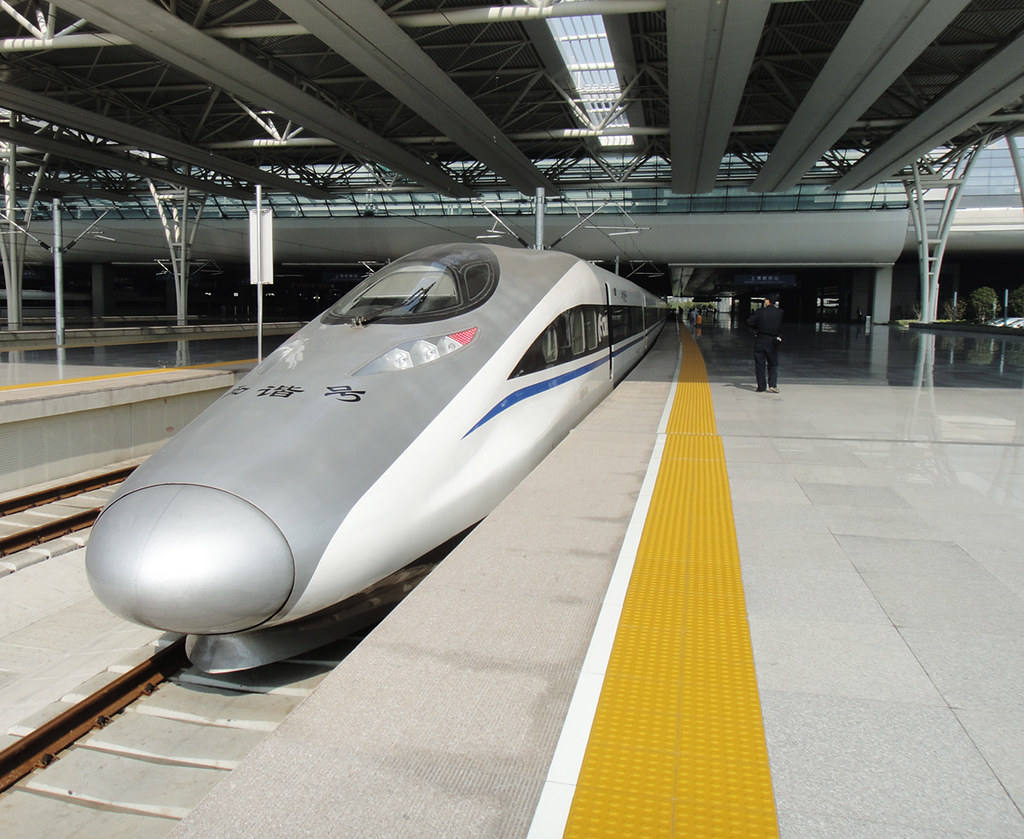
High-speed trains rely on servo drives. These drives regulate the traction and braking systems, allowing for smooth acceleration and deceleration. Servo drives provide precise control over train speed and stability, enhancing passenger comfort and safety during high-speed travel.
Marine Applications
Servo drives control ship parts, including propulsion, steering, and stabilizers. They allow precise control of speed, direction, and steadiness, which ensures secure sailing and operation in different sea conditions.
Urban Mobility
Servo drives help with urban transport, such as e-scooters, bikes, and shared mobility. They regulate motors, brakes, and steel rings. This ensures smooth and responsive control for city commuters.
In short, servo drives provide precise control and reliable function across various transport modes. Whether in autonomous cars, high-speed trains, planes, ships, or urban mobility solutions, servo drives contribute to safe, efficient, and comfortable passenger travel.
Challenges and Considerations
As we explore the diverse applications and benefits of servo drives, it’s essential to consider several challenges and considerations:
Cost Implications
While servo drives offer significant advantages in terms of precision and control, they can also come with higher upfront costs compared to traditional control systems. The initial investment in servo-drive technology needs to be weighed against the potential long-term benefits of improved productivity, efficiency, and performance.
Maintenance Requirements
Servo drives require regular maintenance to ensure optimal performance and reliability. This includes routine inspections, lubrication, and calibration of components to prevent wear and tear over time. Additionally, any malfunction or breakdown in servo drive systems can lead to costly downtime, emphasizing the importance of proactive maintenance strategies.
Compatibility with Existing Systems
Integrating servo drives into existing systems can pose challenges, particularly in older or legacy machinery where compatibility issues may arise. Retrofitting servo drive technology into existing equipment may require modifications or upgrades to other system components to ensure seamless integration and compatibility.
Addressing these challenges and considerations requires careful planning, investment, and expertise. By understanding and mitigating these factors, businesses can fully leverage the benefits of servo-drive technology to enhance productivity, efficiency, and competitiveness across various industries.
Future Trends and Innovations
Looking ahead, several exciting trends and innovations are shaping the future of servo drive technology:
Advances in Servo Drive Technology
Continuous research and development efforts drive advancements in servo drive technology, leading to more compact, efficient, and high-performance systems. Innovations such as higher torque density, improved energy efficiency, and enhanced communication protocols are expected to optimize servo drive performance across various applications further.
Integration with AI and Machine Learning
Integrating servo drives with artificial intelligence (AI) and machine learning technologies is poised to revolutionize predictive maintenance strategies. By analyzing real-time operational data and performance metrics, AI-powered algorithms can anticipate potential faults or failures in servo drive systems, enabling proactive maintenance interventions to prevent downtime and optimize performance.
Potential Impact on Various Industries
The adoption of advanced servo drive technology, coupled with AI integration, is anticipated to have a significant impact across various industries. From manufacturing and robotics to transportation and renewable energy, improved servo drive capabilities promise to enhance productivity, efficiency, and innovation, driving competitiveness and sustainability in the global market.
These future trends and innovations underscore the transformation potential of servo drive technology in shaping the future of industrial automation and driving continued advancements across diverse industries. As businesses embrace these developments, they can unlock new opportunities for growth, efficiency, and technological innovation in the years to come.
Conclusion
In conclusion, servo drives have become essential in many engineering applications. They are also transforming industries thanks to precise motion control, accurate positioning, and dynamic adjustments, enhancing productivity, efficiency, and quality.
As we continue to harness their potential, servo drives will continue to drive invention and progress, paving the way for a future where creativity and efficiency thrive in countless industries.
DO Supply Inc. makes no representations as to the completeness, validity, correctness, suitability, or accuracy of any information on this website and will not be liable for any delays, omissions, or errors in this information or any losses, injuries, or damages arising from its display or use. All the information on this website is provided on an "as-is" basis. It is the reader's responsibility to verify their own facts.