Safety Protocols and Standards in Automated Manufacturing Environments
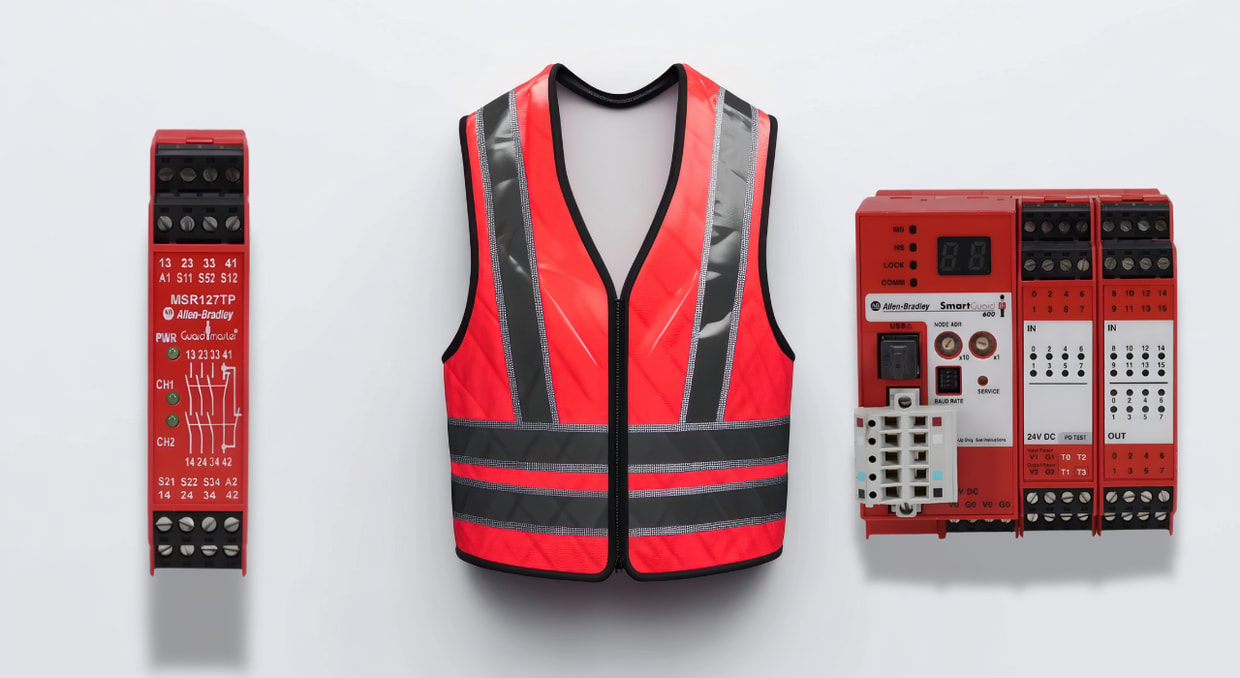
The fundamental components of automated manufacturing define its landscape. This includes industrial robots, collaborative systems, and autonomous machines. As technological strides propel these systems, the necessity for robust safety protocols becomes increasingly evident. Human-machine interaction (HMI) adds another layer of complexity. Seamless communication between people and automated systems requires intuitive interfaces and ergonomic designs to minimize operator stress. Yet, amidst the promises of enhanced efficiency, potential hazards loom—exposure to chemicals, risks of explosions, noise-related pollution, and much more. As the sector progresses, a delicate balance between innovation and safety must be maintained, ensuring that the future of manufacturing remains not only efficient but also secure.
Key Components of Automated Manufacturing Environments
Automated manufacturing environments can be defined by their comprehensive web of robotics, automation systems, and human-machine interaction. While these essential elements promote productivity and efficiency, they also pose specific safety risks. It is vital to know these components to create safety protocols that work.
Robotics and Automation Systems
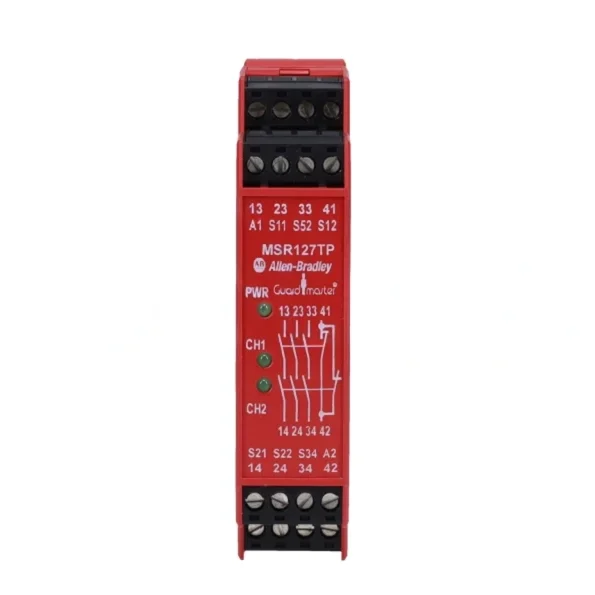
The application of computers, controls, and digital technology to manage manufacturing operations and machines, reducing labor costs and boosting efficiency, quality, speed, and performance, is known as industrial automation and robotics.
Procedures for manufacturing assembly lines, space exploration, and surgery are all examples of automated industrial uses. Early technological advances focused on improving productivity (since these machines do not require rest), but the emphasis is increasingly shifting to enhanced flexibility and quality across production and other areas.
Types of Robotics used:
- Industrial robots: Precision and strength in manufacturing tasks.
- Collaborative robots (cobots): Designed to work alongside people, requiring specialized safety considerations.
- Autonomous mobile robots: Enhancing flexibility in material handling and logistics.
Human-Machine Interaction
HMI concerns how people and automated systems communicate with one another. This is no longer limited to typical industrial machinery and increasingly includes computers, electronic systems, and “Internet of Things (IoT) “devices.
Role of operators and technicians
- Training and expertise required for efficient operation and maintenance.
- Collaboration between people and machines in complex decision-making processes.
Interface design and usability
- Intuitive and user-friendly interfaces to enhance communication.
- Ergonomic considerations to minimize the risk of operator errors.
It is clear from dissecting these elements that a delicate balance is required when integrating automation and robots with worker involvement. Safety protocols need to take into account the specific challenges each component presents, as well as any potential risks associated with its operation.
Potential Hazards in Automated Manufacturing Environments
Automated manufacturing has become important because manufacturing is an integral component of almost every industry. However, there are several risks associated with the manufacturing process that put both the environment and the safety of the workforce in danger.
Exposure to Chemicals
Chemical exposure is one of the most significant risks in the manufacturing industry. Numerous dangerous chemicals, including resins, solvents, and adhesives, are used throughout the manufacturing process and may harm employees if not treated properly. Serious health concerns, including irritation of the skin, respiratory difficulties, and possibly cancer, may result from exposure to these harmful substances.
Risks of Explosion and Fire
Sometimes, an automated manufacturing process involves the use of chemicals; if they are not properly controlled, they can catch fire and cause disasters. Sparks or static charges may also ignite fires in locations with flammable materials. Regions associated with the storage or transportation of chemicals have a particularly high risk of explosion.
Noise-related pollution
During automated manufacturing, large, noisy equipment is used. Long-term exposure to high decibel levels may cause hearing loss, tinnitus, and other medical problems.
Thermal Burns
Using hot machinery and potentially harmful materials is another aspect of the manufacturing process. If workers come into contact with molten metal, hot surfaces, or hot liquids, they could get seriously injured.
Physical Damage
Heavy equipment and machinery are used in the production process, which increases the risk of bodily harm, such as bruises, fractures, and cuts. Slips and falls, as well as improper material handling, may result in worker injuries.
Environmental Risks
Environmental risks associated with manufacturing may potentially be quite serious. Numerous waste products, including hazardous materials that may harm the environment, are generated throughout the manufacturing process. Air pollution, contaminated soil, and water, and other environmental issues may result from the faulty treatment of this waste.
Dangers Related to Ergonomics
Workers in factories often perform repetitive tasks that can lead to musculoskeletal conditions such as carpal tunnel syndrome, tendinitis, and back discomfort. Injuries may result from forcing employees to work in tight quarters or uncomfortable postures throughout the manufacturing process.
Electrical Hazards
Within automated manufacturing environments, electrical hazards pose a significant risk to both personnel and equipment. Exposure to high voltages and currents can result in severe consequences, including electric shock. To mitigate these risks, stringent safety measures must be implemented. When it comes to power systems and electrical components, it is critical to establish grounding, insulation, and thorough electrical safety training. This not only safeguards individuals from potential harm but also ensures the integrity of the equipment. The risk of electric shock is particularly heightened when insulation is inadequate or equipment is faulty. To counter this, strict adherence to electrical codes, regular inspections, and the consistent use of personal protective equipment (PPE) are essential. By prioritizing these safety measures, organizations can create a secure environment.
Current Safety Standards in Automated Manufacturing
Standards are essential to Industrial Automation because they guarantee credibility, economy, and efficiency. Numerous standards covering several facets of industrial automation, such as communication networks and system integration, have been produced by the “International Electrotechnical Commission (IEC)” and the “International Organization for Standardization (ISO)”. Fieldbus specifications and industrial communication network profiles are covered by IEC standards that place strong emphasis on network communications. These standards, developed by ISO and IEC, promote interoperability, serve as industry guidelines for system development, and enhance reliability and efficiency. The persistent initiatives, such as the U.S. TAG to ISO TC 184, run by the ECCMA, highlight the industry’s dedication to developing standards for further advances in industrial automation. Some other safety standards serve as guidelines for creating and implementing a safer workspace.
ISO TC 127 Earth-Moving Machinery
ISO TC 127’s mandate is to standardize terminology, use grouping, ratings, technical specifications, test procedures, safety standards, maintenance, and the format of operation manuals for surface-moving and associated equipment.
- ISO 16001 sets performance requirements for object recognition systems and visibility utilities in surface-moving machines.
- ISO 19014-1 focuses on functional safety methodology for control systems in surface-moving machinery.
ISO TC 82 Mining
Standardization of requirements pertaining to specialized mining gear and equipment is the purview of “ISO TC 82”.
- ISO 18758-2 outlines safety requirements for reinforcement rigs and stone drill rigs.
- ISO 17757 addresses safety criteria for semi-autonomous and autonomous machine systems (AMS) in mining operations.
ISO TC 110 Heavy Duty Industrial trucks
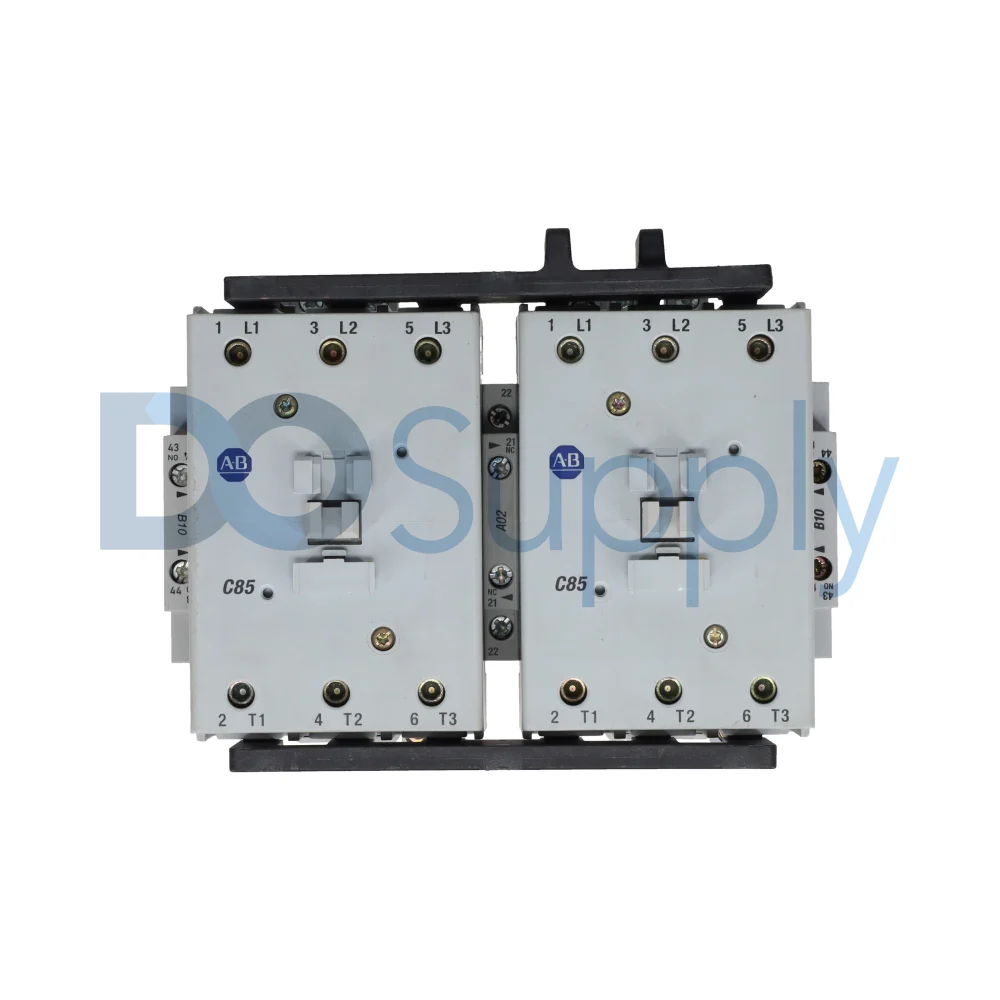
The goal of “ISO TC 110” is to standardize the following areas: all wheels and castors (except those with rubberized tires for pneumatic rims and pneumatic tires), and industrial trucks, including power-operated and hand-operated industrial trucks (such as handcarts, trailers, and sack trucks). ISO 3691-4 establishes safety requirements for driverless heavy-duty industrial trucks and their systems, defining three access zones with varying requirements.
ISO TC 23 forestry and agriculture machinery
The goal of “ISO TC 23” is to standardize the use of machines, systems, implements, tractors, and related tools in forestry, farming, gardening, planting, water supply, and various related fields. This includes electronic and electrical components.
- ISO 10975 sets safety necessities for auto-guidance methods in farming tractors and self-operated machines.
- ISO 25119 provides functional safety standards for machinery and tractors in agriculture.
IEC TC 44 Safety of equipment – Electro-technical aspects
“IEC TC 44” is dedicated to standardizing the area of electro-technical devices and their application to machines. It includes a collection of machines operating in unison, except for elements of more advanced systems. It could also include portable devices. The equipment covered begins when the machinery is connected to the power supply.
- IEC TS 62998-1 focuses on safety-related sensors utilized for the shelter of people.
- The revision of IEC 62061 addresses the functional safety of safety-related electrical, electronic, and programmable electronic control systems.
IEC TC 9 Electrical apparatus for railways
Rolling stock, permanent installations, management structures (such as communication, communications, and computerized processing equipment) for railway functioning, the interfaces between them, and their ecological surroundings are all included in the authority of TC 9, which provides standardization for the railway industry.
- IEC 62267 provides safety requirements for automated urban guided transport systems, emphasizing hazard analysis.
- IEC 62278 outlines specifications for availability, reliability, maintainability, and safety in railway applications.
ISO TC 299 Automation and Robotics
With the exception of toys and military uses, TC 299’s purview includes robotics standardization. It lays forth specifications for the intrinsic safety of healthcare robots, including standards for their design, safety precautions, and use instructions. It specifically addresses the three categories of personalized care robots: person transporter, movable servant, and physical helper.
- ISO 13482:2014 defines safety desires for personal care robotics, categorizing spaces and setting distinct requirements for each.
- ISO 18646-2 sets navigation requirements for service robots.
ISO TC 204 Smart and Intelligent transport systems
The purpose of TC 204 is to standardize communication, information, and regulation mechanisms in the area of surface travel, including inter- & multi-modal aspects, traveler data, mass transit, commercial transportation, rescue services, and business operations in the area of intelligent transportation systems.
Conclusion
Safety in automated manufacturing depends on recognizing how people, machines, and advanced systems all move within the same space. Robotics, autonomous vehicles, and human-machine interfaces bring incredible efficiency, but they also introduce risks that must be managed with clear, updated standards. International guidelines from groups like ISO and IEC already provide a strong framework, yet the rapid pace of automation means these standards must continue to evolve. By maintaining collaboration between industry leaders, safety organizations, and researchers, automated manufacturing can stay productive while protecting both workers and the environment.
We at DOSupply carry safety equipment such as relays, PLCs, and drive accessories from popular automation brands that help ensure your automation solution is up to code while, most importantly, keeping your workers safe. Visit our site to see what works for you, and if you can’t find what you’re looking for, give us a call and we will be more than happy to assist you! We also offer equipment repair services with a 2-year warranty if you would rather not replace your existing hardware.
DO Supply Inc. makes no representations as to the completeness, validity, correctness, suitability, or accuracy of any information on this website and will not be liable for any delays, omissions, or errors in this information or any losses, injuries, or damages arising from its display or use. All the information on this website is provided on an "as-is" basis. It is the reader's responsibility to verify their own facts.