Beyond the PanelView: Modern HMIs That Improve Operator Workflow
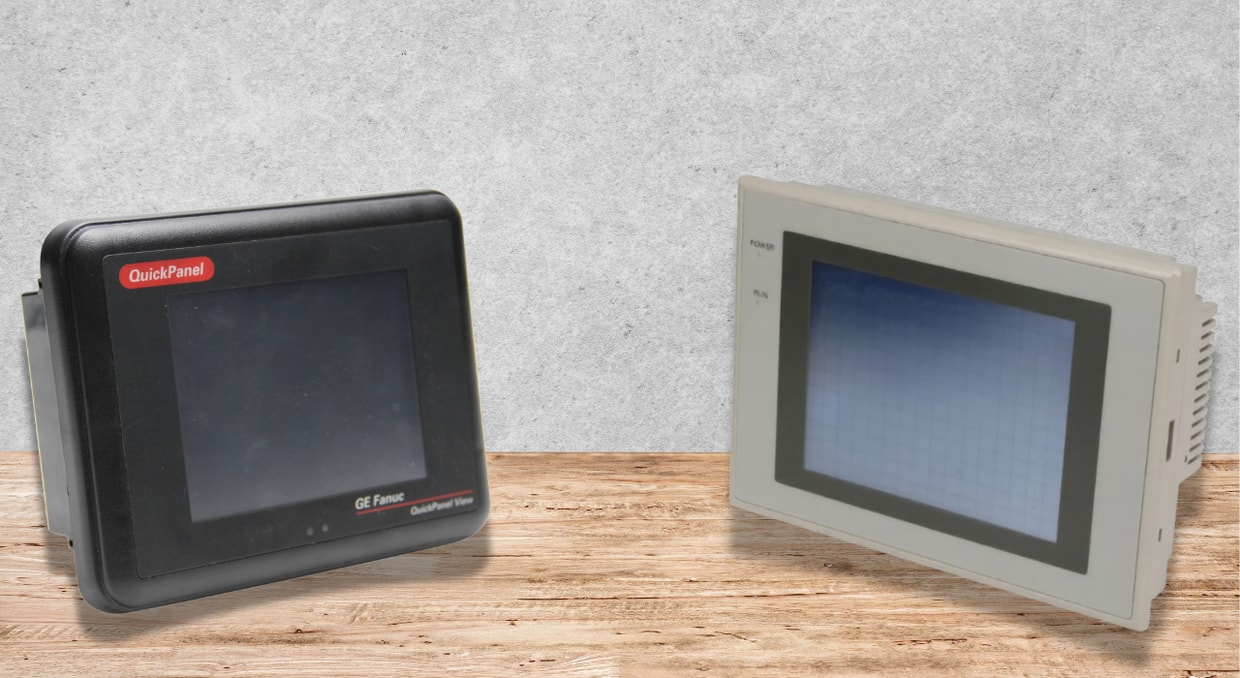
Contemporary industrial automation systems operate in environments characterized by increasingly stringent safety requirements, greater system complexity, a profound reliance on data-driven decision-making, and higher production demands. In this context, the Human-Machine Interface has evolved from a basic visualization endpoint into a critical operational component that directly impacts system efficiency, reliability, and safety. Standard panel-based operator interfaces, including earlier Allen-Bradley PanelView terminals, were designed for isolated machine control; however, they are insufficient for modern data-intensive, distributed industrial processes.
Modern HMI designs have significantly transformed from simple push-button emulations and tag displays to intelligent, high-performance graphic terminals. They now integrate human-centered design principles, including human cognitive behavior, enhanced situational awareness, and streamlined operator workflow. By leveraging advanced technologies such as contextual data modeling, high-performance visualization techniques, enhanced mobility, and analytics integration, contemporary HMIs have fundamentally changed how operators engage with industrial processes. They provide context-sensitive operational data, insights, and integrated analytics in real time, enabling proactive, data-driven decision making.
This article explores the shift toward post-PanelView HMIs, providing a comprehensive technical overview of notable modern HMIs and highlighting how they enhance operator workflow, data visualization, and system efficiency.
Architectural Evolution of Modern HMIs Beyond PanelView
The transition from conventional PanelView-style operator interfaces to contemporary HMIs began at the architectural level. Legacy HMIs were tightly coupled to specific PLC tag structures and hardware platforms, limiting their flexibility and scalability. Modern HMIs adopt modular, open architectures that promote reliable lifecycle management and enterprise-wide deployment. Key architectural evolutions in HMI design include:
- Platform-Independent Runtime Environments: Modern HMIs are typically deployed on thin clients, virtualized servers, and industrial PCs rather than on fixed-function hardware panels. This software-defined deployment enables a single HMI application to run across diverse operator stations, mobile devices, industrial PCs, and control centers without reconstruction, ensuring a coherent operator workflow beyond all access points.
- Centralized Application Hosting and Version Control: Modern HMIs are increasingly adopting centralized hosting architectures that enable consistent configuration, streamlined control, and standardized firmware/software updates. Centralized HMI hosting helps operators minimize faults and programming inconsistencies caused by obsolete panel firmware by ensuring they always interact with the most current, approved HMI interface.
- Standard Data Integration Frameworks: Modern HMIs leverage standard, vendor-neutral, and secure communication protocols, such as MQTT, UA, and OPC, to integrate data from enterprise-scale platforms, historians, safety systems, and PLCs. This approach mitigates compatibility issues with proprietary drivers, enabling seamless data exchange.
- Support for Virtualization and Redundancy: Most modern HMIs are designed for high-availability systems through failover mechanisms, redundant servers, and virtual machines. This design approach ensures continuous operator workflows even in the event of unexpected hardware breakdowns or during planned maintenance.
High-Performance HMI Design and Cognitive Load Reduction
Principles of high-performance HMI (HPHMI) models underpin modern HMI designs. These principles focus on improving operator performance and safety, reducing faults, and enabling rapid perception and situational awareness. They are based on human factors engineering and regulated by industry standards such as ISA-101. They include:
- Grayscale-based Visual Environments: Normal operating states are displayed using pale grayscale tones on HMI terminals, significantly minimizing visual exhaustion during extended process monitoring. This creates a stable visual baseline against which deviations stand out clearly.
- Strategic Colors for Abnormal Conditions: Beaming colors in HMIs are reserved exclusively for abnormal states, alarms, and unsafe conditions. This restricts bright colors in HMIs to functional communication rather than aesthetics, ensuring anomalies are spotted instantly.
- Consistent Symbols, Fonts, and Layouts: Modern HMIs use standard layout frameworks and graphic libraries to maintain consistent fonts, navigation tools, and symbols across all screens. This allows operators to quickly assess equipment conditions and effectively control process variables without relearning screen layouts, significantly reducing cognitive load.
- Contextual Information Hierarchy and Layering: Overview HMI screens (Level 1) display high-level process conditions, while in-depth, actionable process data is accessed via intelligent drill-downs (Levels 2-4 HMIs). This information hierarchy supports how human operators naturally analyze and assess problems in real time.
Pattern-Driven Data Visualization
Modern HMIs prioritize contextual, trend-based visualization over fixed numeric displays. By monitoring equipment condition and performance data in real time, operators can better predict, diagnose, and resolve potential technical issues before they become critical failures. Key aspects of trend-centric visualization include:
- Embedded Real-time and Historical Trending: Real-time and historical data trends are directly integrated into the detail and summary HMI screens, eliminating the need to open separate analytics tools. Operators acquire instant temporal context without interrupting any workflow.
- Visualization of Limits, Setpoints, and Baselines: Trends present historical performance, alarm thresholds, and operating envelopes, allowing operators to detect subtle abnormalities before an alarm occurs.
- High-resolution Data Handling: Modern HMIs utilize advanced processing power to produce high-frequency, smooth trends, enabling the identification of oscillatory behavior and fast transients.
- Pattern Recognition: Operators develop pattern recognition skills by monitoring real-time and historical data trends, which enables them to identify abnormal patterns proactively. This, in turn, helps reduce unplanned system downtime through early intervention and mitigation.
Intelligent Alarm Management and Embedded Decision Support
The operator workflow is significantly affected by alarm management. Poorly engineered HMI alarm systems generate high volumes of low-priority and false alerts, causing operator fatigue from alarm overload. This often increases the risk of misinterpreting or missing critical events. Modern HMIs address such issues through performance-based, intelligent alarm handling systems that often incorporate Artificial Intelligence and advanced analytics.
Key aspects of intelligent HMI alarm systems include:
- Alarm Rationalization and Prioritization: Alarms are categorized by required operator response and consequence severity, ensuring that operators tackle the most urgent events first.
- Dynamic Alarm Behavior: Alarm relevance varies depending on maintenance activity, process environment, and operating mode. Modern HMIs naturally prevent alarm flooding and eliminate nuisance alarms.
- Contextual Alarm Presentation: Alarms are shown within the context of process flows and impacted equipment, eliminating the need for human operators to cross-reference process displays with alarm lists.
- Embedded Response Guidance: Modern HMIs provide recommended corrective actions, interlock status, and probable causes directly within the alarm views, thereby converting active alarms into actionable, operator-guided responses.
Integration with IIoT and Predictive Analytics
Modern HMIs serve as convergence platforms for information technology (IT) and operational technology (OT), integrating enhanced enterprise intelligence with real-time control data. By bridging IT analytics platforms, MES, SCADA systems, and PLCs, HMIs provide a unified operational view that enables faster, data-driven decision-making across the industrial value chain. HMIs extend operator visibility beyond simple process variables and fundamental discrete I/O by integrating IIoT sensors. Information from edge computing platforms, thermal and vibration sensors, and smart field devices is normalized and collected within the HMI layer, enabling operators to monitor process stability, environmental factors, and asset health in close.
Closed-loop resolution support incorporates analytical performance into control workflows. Modern HMIs integrate procedural guidance, setpoint adjustments, and recommendations into a single interface, enabling operators to respond quickly without switching between disparate systems.
Mobility, Remote Operations, and Distributed Workflows
Modern industrial operations depend heavily on mobile personnel, and enhanced HMIs are engineered to enable multi-location, secure access to operational information. Mobile and web-based HMIs use centralized authentication, encrypted communication channels, and thin-client architectures to deliver real-time process diagnostics, alarms, and values across heterogeneous devices. This architecture enables engineers and operators to maintain coherent control logic and visualization while establishing high accessibility, cybersecurity compliance, and system integrity in critical mission settings.
Contemporary HMIs enhance situational awareness by providing maintenance personnel with immediate access to live process data on the device. Real-time visibility into historical trends, alarm states, and sensor values enables swift root-cause analysis and reduces reliance on verbal communication with the control center. HMIs advance the precision of on-site decision-making and reduce misinterpretation through contextualizing information at the asset level. Shared HMI connections also enhance collaboration between supervisors, field technicians, and control center operators. A typical operational view optimizes recovery, coordinated shutdowns, and troubleshooting procedures. This instant access to contextual data significantly minimizes mean time to repair (MTTR), optimizes overall asset accessibility, and lowers incidental downtime.
Operator-Focused Workflow Design Approach
A defining feature of modern HMIs is the transformation from monitor-centric engineering to operation-centric system design. Conventional HMIs were often structured around I/O groupings, control modules, or PLC tag databases, forcing operators to cognitively map system performance across numerous displays. Contemporary HMIs position interaction and visualization with cognitive workload, decision paths, and operator tasks, enhancing operational safety and efficiency.
This modern HMI workflow design approach entails:
- Task-oriented Interface Organization: Modern HMIs group displays based on operational phases such as maintenance preparation, abnormal situation handling, steady-state monitoring, and equipment startup. Every phase presents exclusively the data needed to perform the task efficiently. This task-based formulation reduces decision response time and minimizes navigation complexity during critical events by guiding operators through predefined performance workflows rather than static monitor trees.
- Context-aware Information Delivery: Modern HMIs adjust the content displayed according to alarm states, equipment accessibility, operating mode, and process condition. In abnormal conditions, noncritical indicators are suppressed immediately, while recovery actions, interlocks, and diagnostics are prioritized. This context awareness ensures that operators can effectively manage the active state without being overwhelmed by irrelevant information.
- Role-based Interface Personalization: Modern HMIs aid role-specific envision layers that adjust data to the responsibilities of engineers, supervisors, maintenance personnel, and operators. Operators see instantaneous alarm data and process control, while repair technicians access asset data, health indicators, and diagnostics. This disconnection prevents data overload, enhances usability, and maintains a unified data model.
- Reduction of Unnecessary Operator Actions: Enhanced HMIs reduce manual navigation by utilizing contextual prompts, automated focus shifts, and intelligent monitor linking. In the event of an alarm, operators are instructed directly to the relevant process data and the affected equipment. This minimizes the number of interpretation steps, screen changes, and clicks, enhancing overall workflow reliability, consistency, and response time.
Final Thoughts
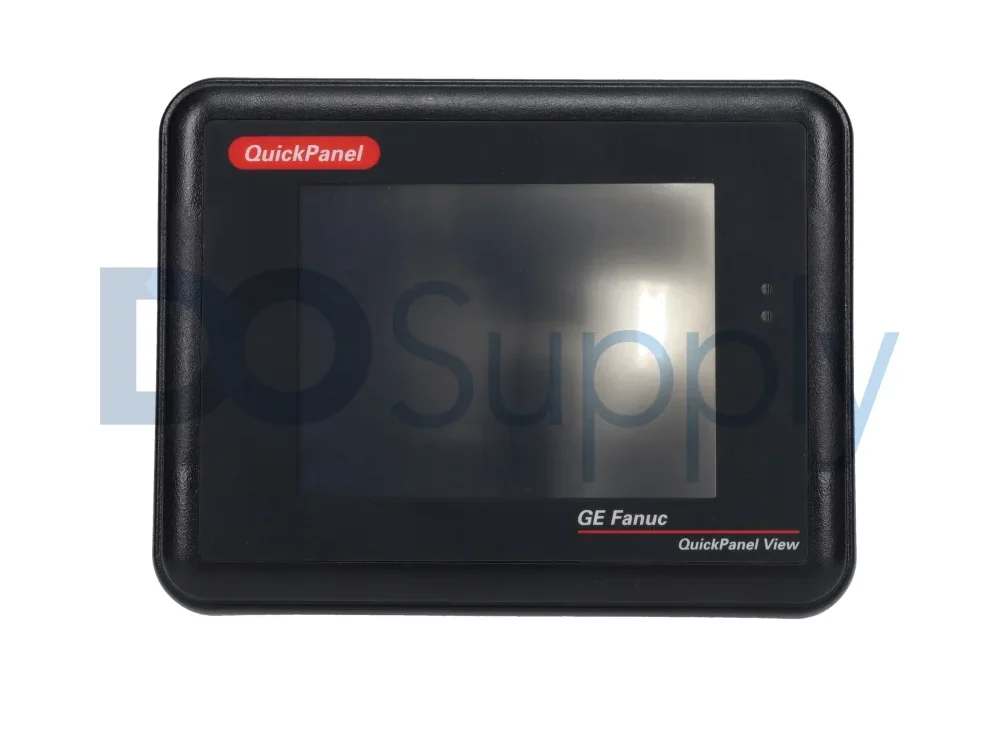
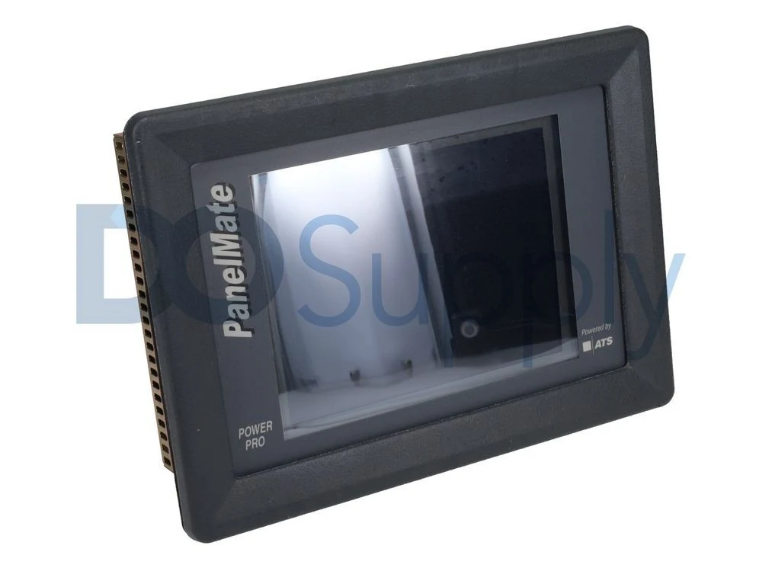
Modern HMIs have been shown to help operators save time, reduce downtime, and improve efficiency, leading to widespread adoption across industrial complexes worldwide. As a result, there are many HMIs brands, including PanelView, VersaView, Quickpanel, F900GOT, Panelmates, and more. All of which could be found here at DO Supply with free ground shipping and our two-year warranty. though if you are picking up a new HMI, we have some blogs that might help, such as our Mitsubishi A900GOT selection guide and our PanelView Maintenance Tips!
DO Supply Inc. makes no representations as to the completeness, validity, correctness, suitability, or accuracy of any information on this website and will not be liable for any delays, omissions, or errors in this information or any losses, injuries, or damages arising from its display or use. All the information on this website is provided on an "as-is" basis. It is the reader's responsibility to verify their own facts.