We found 317 posts about Drives & Motors from DO Supply, a global automation parts
reseller focused on hard-to-find and obsolete industrial automation products.
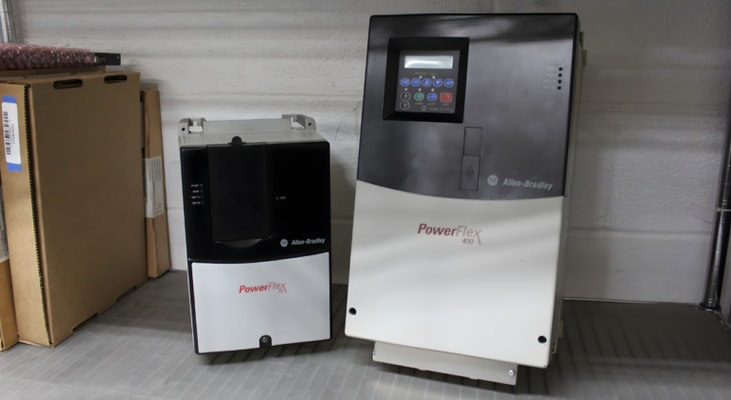
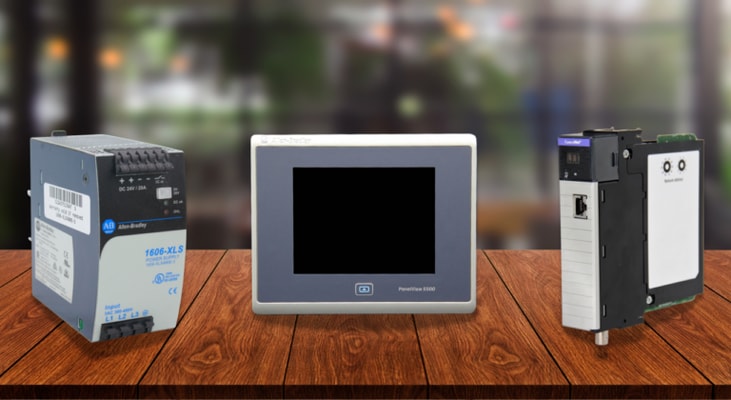
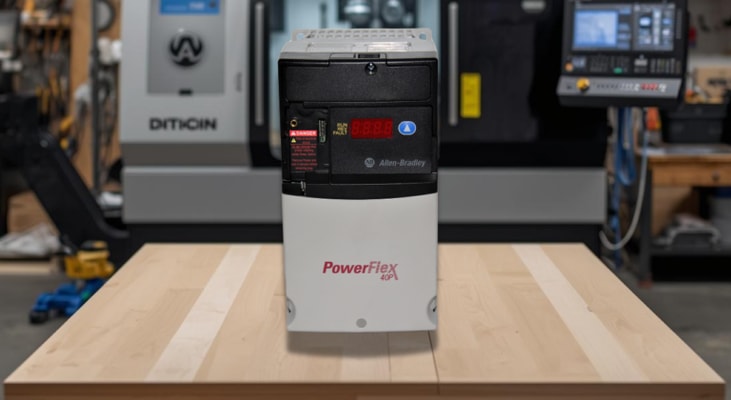
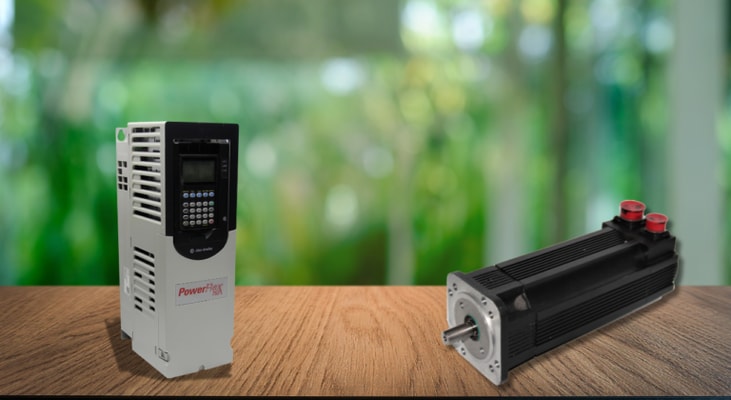
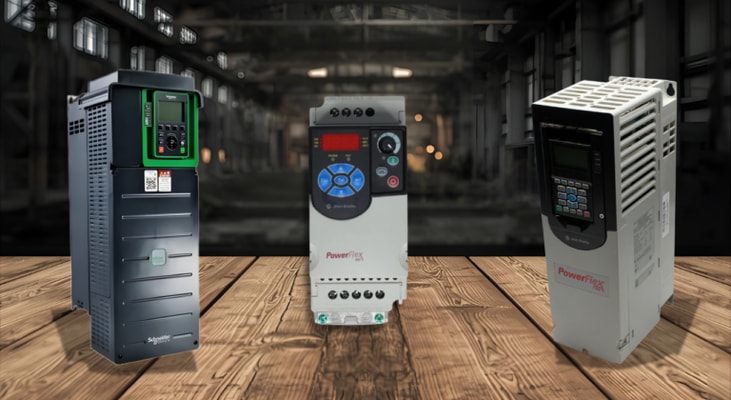
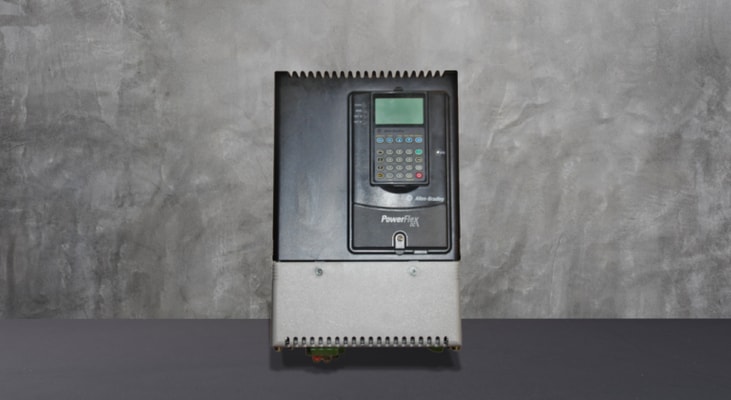
Rockwell Automation offers a comprehensive portfolio of industrial automation products under the Allen-Bradley brand name. The product lines range from motion control solutions, motor drives, power supplies, sensors and switches, Human Machine Interfaces (HMIs), motor controls, circuit and load protection devices, Input/Output (I/O) modules, relays and timers, and safety modules to programmable controllers and networking infrastructure. Allen-Bradley products have a long-standing reputation for robust design, premier integration, exceptional reliability, and advanced features, making them a perfect fit for a wide range of industrial applications. This article features the most commonly used Allen-Bradley products. The Allen-Bradley lineup of PowerFlex Variable Frequency Drives (VFDs)/AC drives provides cutting-edge motor control technology. These drives enable precise control of motor speed and torque, resulting in significant energy savings, reduced mechanical stress, and enhanced...
Allen-Bradley is a renowned brand of industrial automation technologies owned by Rockwell Automation, a company that offers a wide variety of digital transformation and factory automation solutions. The Allen-Bradley product line features a broad portfolio of industrial automation and control products like Human-Machine Interfaces (HMIs), Programmable Logic Controllers (PLCs), sensors, DC drives, Variable Frequency Drives (VFDs), and safety devices. All these products are designed for optimal performance, robust, and reliable operation in harsh industrial settings. They enable real-time system monitoring, precise control over machinery, and improved safety within manufacturing and other industrial environments. The PowerFlex DC drive family is a complete collection of high-performance DC motor control technologies. It includes Allen-Bradley PowerFlex DC field controllers, PowerFlex DC drives, and PowerFlex DC stand-alone regulators (SARs). PowerFlex DC drives provide cost-effective...
Spindle motors are the main components of any CNC system. The spinning motion of the spindle motors (how fast, how smooth, how steady) determines whether the final workpiece is perfect or flawed. In modern machining, as tolerances shrink and the output expectation rises, you can’t leave your motor control on just the motor and its variable frequency drive. You need smart drives, feedback loops, and precise integration, and that is where Allen-Bradley drives really shine. In this article, I’ll walk you through: Shop for PowerFlex 525 Drives Here! What a spindle motor really does in a CNC setup Why basic drives fall short The Allen Bradley Drive families you should know What advantages do you get with smart drive integration Real-world use cases Tips for selecting and deploying the right spindle drive Now, let’s discuss the role of spindle motors in the CNC Precision with a little detail. Spindle Motor Automation uses a variable-frequency drive to control the motor’s speed and a CNC...
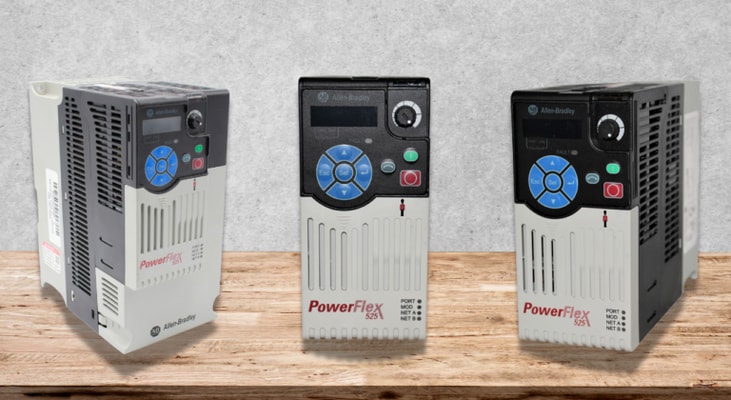
The PowerFlex 525 drive is a dependable workhorse found in many control panels worldwide. It keeps motors moving at the right speed, delivers the torque that you expect, and plays nicely with Allen-Bradley PLCs or just about any SCADA system you have. Though, like any other VFD, it can be temperamental at times. Though when that happens, it does so through a well-thought-out fault and diagnostic system. Understanding what these faults mean and what to do about them turns occasional alarms from stressful surprises to quick fixes. Today, we are here to help walk you through what the more common faults really mean and how to get your drive back on track. Shop for Allen-Bradley PowerFlex 525 Drives Here First of all, let’s discuss the diagnostic framework of the drive series and how it identifies the problem using specific PowerFlex 525 Fault Codes. • The drive maintains a fault history buffer for up to 10 past faults. The three most recent fault codes are usually grouped and can be read...
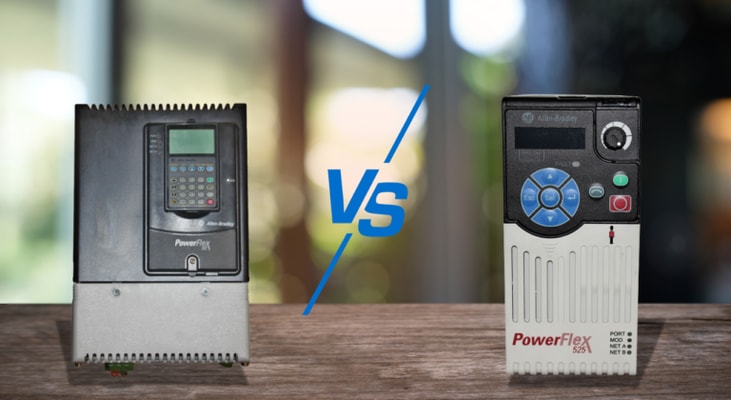
The global industry recognizes the pivotal role that electric drives, namely PowerFlex AC and DC drives, play in maximizing motor control and ensuring operational effectiveness. The need for these drives has increased significantly as new developments in industrial automation continue to emerge. PowerFlex DC and AC drives are necessary for controlling control signals, but they are not the same in a few important ways. To assist you in selecting the PowerFlex AC or DC drive that best meets your needs, this article examines the differences between the two drive types. It also covers the advantages, composition, operation, prices, and usability of each drive. Each PowerFlex AC and DC drive has distinct performance qualities that make them suitable for a variety of uses. With a maximum speed of 10,000 RPM and accurate 1% speed control, along with fast dynamic response, PowerFlex AC drives perform well. Because of how they are made, they also perform well in corrosive and moist...
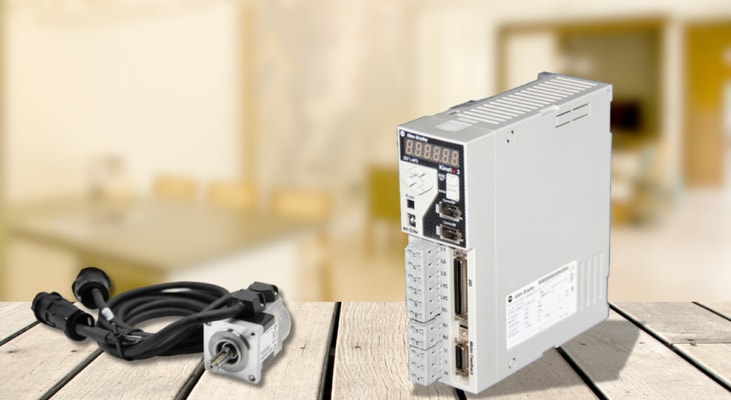
The Allen-Bradley Kinetix 3 (Bulletin 2071) is a series of component servo drives designed for simple, low-axis count industrial applications. These drives provide a cost-efficient motion control solution for applications with output power ranging from 50 to 1500 W and current ratings of 0.6 to 9.9 A rms. They can be integrated into a larger motion control system or utilized as stand-alone servo drives. Kinetix 3 servo drives operate on either three-phase, dual-phase, or single-phase AC input power, typically 220 to 240 Volts AC. Standard power specifications of the Kinetix 3 servo drive series include: AC input voltage:170 to 264 Volts rms AC input frequency: 47 to 63 Hz Control power (input current): 0.1 Amps (nominal rms), 31 Amps (maximum inrush (0-pk)) Continuous output current (rms): 0.61 to 9.90 Amps Control power (input AC voltage): 170 to 264 Volts rms Continuous output power: 50 Watts to 1.5 kilowatts Continuous output current (0-pk): 0.85 to 13.99 Amps Shop for Kinetix 3...
Accuracy, efficiency, and reliability are the keys in the CNC machining arena. The Spindle Motors—the power that drives the rotation of the cutting tool and performs the material removal—lie behind this accuracy-based arena. Even with the finest Spindle Motors, though, they cannot do the job on their own. Their application is, understandably, coupled with the drive electronics that power them. Drive-motor interfacing isn’t a technical nicety; it is the key driver that determines a CNC machine’s ability and has a direct impact on everything from surface finish quality and dimensional tolerances to tool life and uptime. This article is a detailed examination of the critical process of selecting and matching Spindle Motors to their corresponding drives to achieve the best machining performance. Spindle Motors are CNC machinery’s rotating workhorses that transform electrical power to the exact mechanical motion needed for cutting, drilling, and milling. Spindle Motors, unlike conventional...
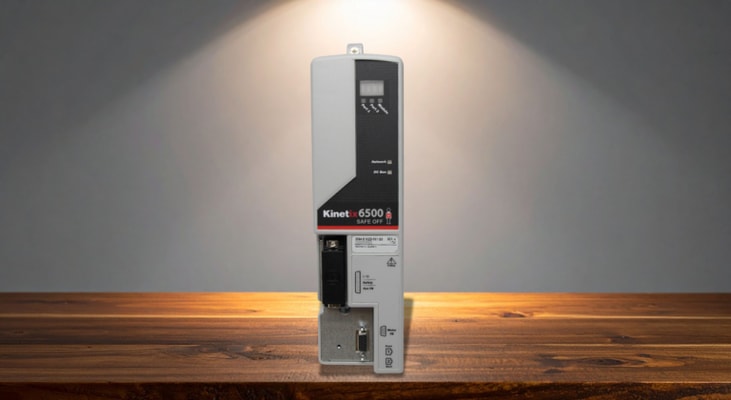
Allen-Bradley Kinetix 6500 (Bulletin 2094) are high-performance, multi-axis servo drives fitted with advanced safety features that help increase system productivity and protect personnel. They also feature an innovative modular design that allows for interchangeable control of drive axes, enabling users to easily transition the axes to different networks (e.g., from SERCOS connectivity to EtherNet/IP networking) or safety functions (e.g., from Safe Torque-Off (STO) to Safe Speed-Monitoring (SSM)). This interchangeability provides greater application flexibility and ease of maintenance. Kinetix 6500 servo drives are optimized to handle a wide range of low and high axis-count motion control applications, where high performance, machine efficiency, and enhanced operator safety are crucial. A standard Kinetix 6500 modular servo drive system can be configured to support 1 to 8 drive axes. Target applications for these servo drives include material handling, packaging, converting, printing...
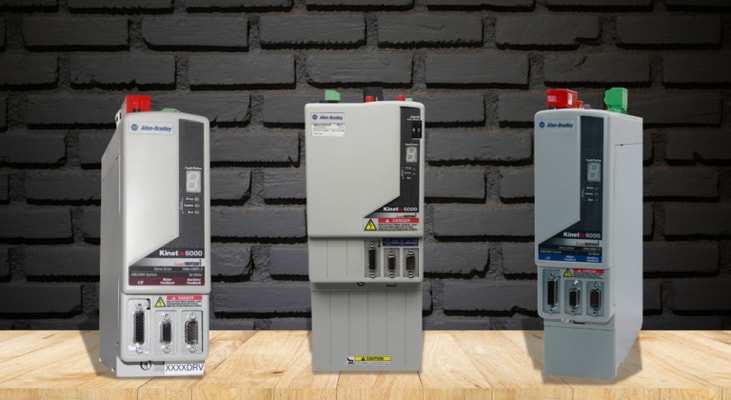
Retrofitting legacy machines with modern motion control systems is a cost-effective way to extend equipment life, enhance performance, and meet today’s industrial demands. The Allen-Bradley Kinetix 6000 multi-axis servo drive family provides a powerful solution for such upgrades, combining advanced control features, integrated safety, and flexible configuration options in a compact design. These drives simplify programming, wiring, and diagnostics, improving motion precision, machine responsiveness, and operational efficiency. With seamless integration into the Logix platform and support for Sercos Integrated Motion, the Kinetix 6000 series enables manufacturers to modernize older equipment without costly redesigns. Featuring models like the 2094-AC05-MP5-S, 2094-AC32-M05-S, and 2094-AMP5-S, the Kinetix 6000 is retrofit-ready for demanding motion applications across diverse industrial environments. Shop for Kinetix 6000 Drives Here The Kinetix 6000 offers an instant performance and...
PLCs are the foundation of industrial automation systems. Smart technologies in Industry 4.0 are reshaping the production criteria, and different PLC brands are in this race. These controllers now provide real-time data analytics, monitoring, control, predictive maintenance, different in-built alarms and trends, and smooth machine communication by integrating with cloud, AI systems, and IOT devices. There is severe rivalry between these PLC brands, and market captivity is based on features, innovation, dependability, and scalability. Selecting the best PLC brand is essential for businesses to keep their smart factory journey on the right track. Here, we will discuss different PLC brands and how they come up with their solutions and features. Siemens is among the most well-known PLC brands worldwide, particularly in Europe and the Middle East. Because of its reliable performance and compatibility with PROFINET and OPC UA protocols, the Simatic S7 series is extensively used in various...
CNC is an incredible feat to reach in fabrication and the general industry. It brings unmatched precision and speed to products that demand tight tolerance or repetitive machining. While the software side is very impressive, the heart of the machine lies in the spindle motor. After all, it’s what brings the cutting tool to life, transforms a block of raw material into a finished part, and makes automation in machining more than programmed movements. But just what makes a good spindle motor, and more importantly, how does it bring a CNC machine from G-code to finished parts? Let’s find out! At its simplest, the spindle is the carrier of the cutting tool. When you see a CNC machine boring a hole, milling a pocket, or cutting a contour, the spindle is what’s physically holding that tool in place and delivering the rotational motion needed to cut. Bearings inside the spindle assembly allow it to spin freely, while housings and supports keep it aligned and rigid. But the spindle itself...
AC drives, often referred to as variable frequency drives or VFDs, are essential for regulating motor speed, increasing energy economy, and facilitating better process control in industrial environments. Their lifespan may be shortened or they may fail when utilized in severe situations, such as outdoor spaces, humid industrial facilities, or dusty plants. When installing AC drives in these situations, cooling systems and Ingress Protection (IP) ratings are two important considerations. Any industrial setting where environmental factors have the potential to harm or interfere with electronic equipment is considered a hostile environment. Examples include caustic chemical facilities, humid food industries, dusty cement plants, and outdoor sites subjected to severe weather conditions. Drive dependability might even be impacted by vibrations from heavy machinery, like mining. Drives must be safeguarded in these circumstances to prevent problems and expensive downtime. Ingress Protection...
Choosing the right DC drive in industrial automation can significantly impact performance, efficiency, and long-term scalability. This article explores how Rockwell Automation’s PowerFlex DC Drives stand out against leading competitors—Siemens SINAMICS DCM, Schneider Electric’s Altivar DC, and ABB’s DCS800. While all offer robust capabilities and wide application ranges, PowerFlex DC Drives distinguish themselves with their broad voltage compatibility, advanced DPI connectivity, flexible I/O options, and seamless integration with Allen-Bradley’s Logix platform. Designed for both retrofits and new installations, they provide unmatched scalability, intelligent control, and global compliance. Read on to discover what truly sets PowerFlex apart in a highly competitive landscape. Buy PowerFlex DC Drives Here PowerFlex DC Drives are engineered to support a wide range of power and voltage requirements, making them ideal for both standard and heavy-duty industrial applications. These drives...
The SMC Dialog Plus soft starter is a reliable solution for motor control, but improper configuration or oversight can compromise performance and equipment safety. This article outlines eight common mistakes users make—from incorrect motor FLA settings and misconfigured start modes to overlooked communication parameters and fault code monitoring. Each error is explained in detail, along with actionable guidance to prevent them. Whether you’re commissioning, operating, or maintaining the SMC Dialog Plus, understanding and addressing these mistakes will help you enhance system reliability, extend motor life, and maintain safe, efficient operations in industrial environments. Some of the common mistakes are listed below, along with how you can avoid them from occurring. Shop for SMC Dialog Plus Starters Here One of the most common errors customers make when configuring the SMC Dialog Plus starter is to set the Full Load Amperes (FLA) number incorrectly. This value is essential for the...
The Modicon by Schneider Electric brand carries a significant legacy in the automation world. From inventing the first PLC in 1968 that revolutionized industrial automation to creating the legendary Modbus protocol in 1979, Modicon has left a permanent mark and remains a significant pioneer in industrial automation. While today the Modicon band might not be as popular as Allen-Bradley’s offerings, there is still a significant amount of history and development that went into this line of PLCs. Join us today as we uncover not only the generational improvements from Modicon controllers but also the passion and dedication that went into shaping automation as we know it today. Invented by a gentleman by the name Dick Morley in 1968, the Modicon 084 was the first PLC to become commercially available. Morley wanted an intuitive, programmable unit that could reduce the amount of programming and debugging time required to launch mini-computer systems. With the help of his engineering firm...