From Start to Stop: Why Smart Motor Controllers Are a Game-Changer for Your Equipment
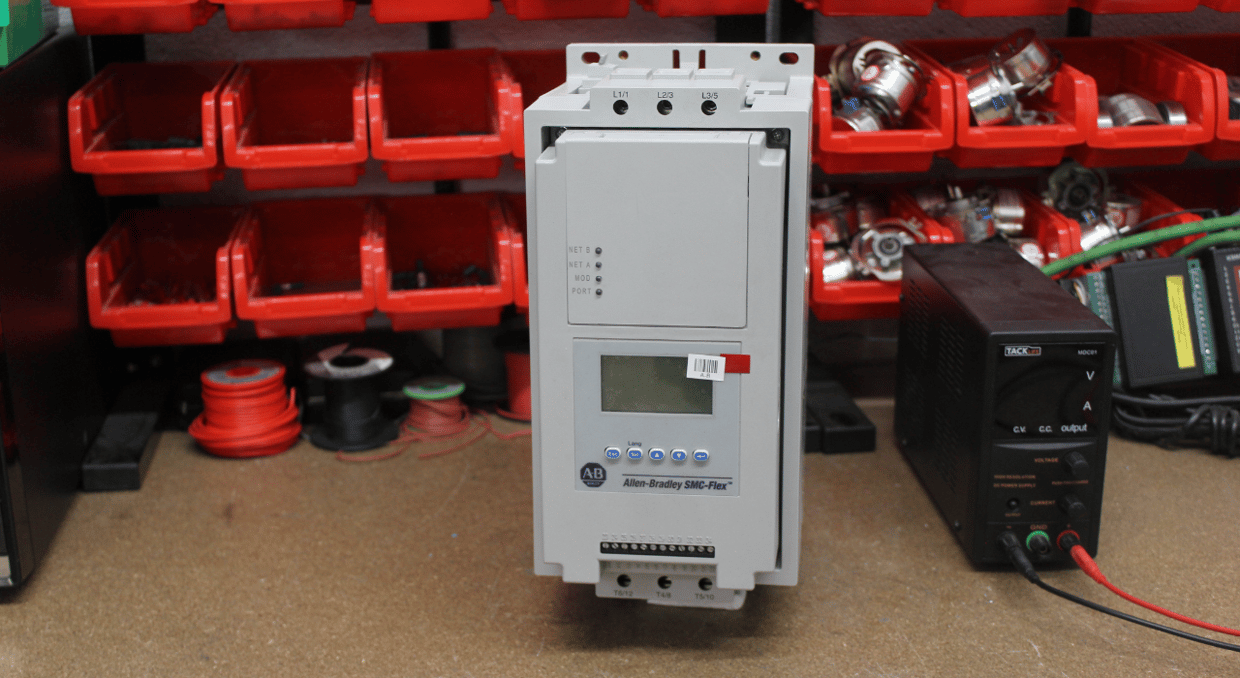
Reliability, efficiency, and accuracy are necessary in today’s rapidly changing industrial environment. With intelligent control that improves all facets of operation, smart motor controllers, or SMCs, are revolutionizing the management of motors from initial energization to total shutdown. SMCs offer unparalleled versatility and protection, whether your goal is tighter energy efficiency, more seamless starting, or real-time diagnostics. To provide better performance and higher cost savings across the whole equipment lifespan, this article examines how SMCs transform motor control by increasing safety, lowering maintenance, ad seamlessly integrating with contemporary automation systems.
Smooth Start-Up and Shutdown
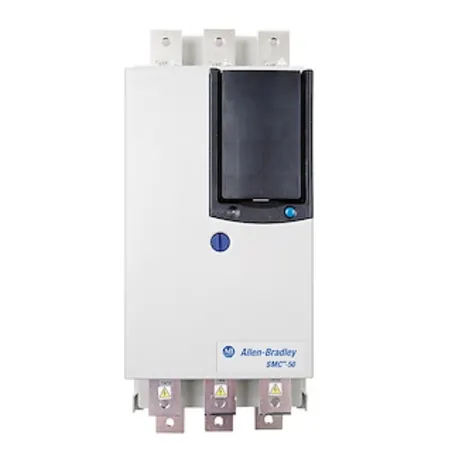
Conventional motor starters instantaneously give full voltage, which sometimes causes excessive wear and mechanical stress. Soft start and soft stop capabilities of SMCs transform this procedure. These lessen the strain on mechanical parts like gears, belts, and pumps by enabling motors to progressively ramp up to operational speed and power down gently. The motor lifespan is increased, maintenance frequency is decreased, and the regulated acceleration and deceleration improve overall system dependability. SMCs also reduce inrush current at starting, preventing electrical surges and voltage dips that might interfere with adjacent equipment. Because they guarantee steady and effective performance from beginning energization to total stop, SMCs are particularly useful in facilities with delicate electronics or several motors operating concurrently.
Energy Efficiency
Modern industrial processes must take energy economy into account, and SMCs offer significant benefits in this regard. SMCs keep the motor from overloading by regulating power output in response to current load needs. A smaller carbon footprint, lower energy use, and cheaper utility bills are the results of this dynamic control. By automatically shutting down or lowering motor speed when loads are light or inactive, SMCs also save idle operating time. Operators may make well-informed judgments about load balancing or equipment improvements by using power use monitoring technologies to find inefficiencies in system performance. Over time, these improvements lead to considerable cost savings, better process control, and environmental sustainability.
Advanced Protection Features
Advanced protective features are included in SMCs to shield motors and related systems from a range of operating dangers. These include safeguards against overheating, which reduces motor life; overloads, which can harm windings; phase loss or imbalance, which can interfere with torque; and short circuits, which present safety risks. Thanks to real-time diagnostics, SMCs can identify irregularities early and set off alerts or stop operations before faults happen. Production losses, expensive repairs, and unplanned downtime are avoided with this proactive strategy. Additionally, SMCs record operating conditions and fault histories, facilitating root cause investigation and ongoing maintenance practice improvement. SMCs guarantee that machinery runs securely and dependably in all circumstances by serving as both a controller and a guardian.
Remote Monitoring and Control
One innovative advantage SMCs provide in the smart manufacturing age is the ability to monitor and regulate motor performance remotely. These gadgets’ integrated Internet of Things features enable them to easily connect to cloud systems, giving consumers access to real-time data via smartphones, tablets, and PCs. Thanks to this remote access, operators and maintenance crews may make prompt choices without physically being there. By warning teams before issues worsen, predictive maintenance tools reduce unscheduled downtime. Historical data logging facilitates performance benchmarking and safety regulatory compliance. This connection makes a smarter, more responsive industrial environment possible, which also lessens the need for human inspections and speeds up reaction times in urgent circumstances. These developments are consistent with Industry 4.0 ideals.
Seamless Integration
The ease with which SMCs may be incorporated into current automation ecosystems is one of their best qualities. To ensure interoperability with a variety of PLCs and SCADA systems, modern SMCs handle common industrial communication protocols including Ethernet/IP, Modbus, and DeviceNet. This allows centralized monitoring, coordinated control, and real-time data interchange. SMCs improve system intelligence without needing significant rewiring or reprogramming, whether they are utilized in utility operations, process industries, or discrete manufacturing. Their plug-and-play capability cuts down on commissioning time and engineering effort. This degree of integration supports predictive maintenance, centralized diagnostics, and adaptive control strategies, all important Industry 4.0 enablers. To put it briefly, SMCs make it simple to update outdated systems and create infrastructure that is ready for the future.
Reduced Maintenance Costs
By facilitating early defect diagnosis and continuous motor monitoring, SMCs greatly reduce maintenance costs. By monitoring vital health indicators like vibration, temperature, and current irregularities, these controllers may spot problems like bearing wear or insulation degradation long before a failure happens. This makes replacing costly, reactive repairs with planned, proactive maintenance possible. Businesses may reduce unscheduled downtime and save money on emergency repairs and lost productivity. Additionally, maintenance personnel may better understand wear patterns and optimize service intervals using the diagnostic data. With time, this predictive strategy not only increases the lifespan of motors and equipment but also lowers labor costs, inventory of spare parts, and operational disturbances, resulting in more strategic, economical, and efficient maintenance.
Customizable Control Parameters
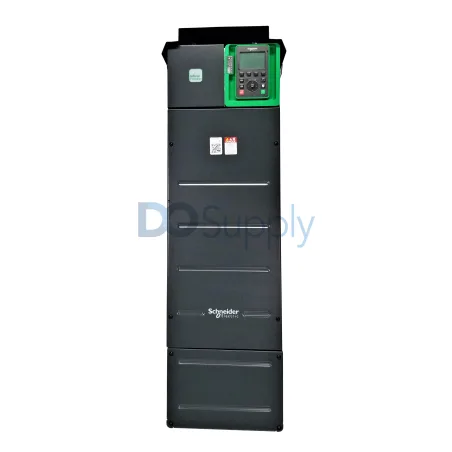
The highly adjustable control settings of SMCs are among their most useful characteristics. In order to save wear on gear-driven systems, users can adjust acceleration and deceleration timings to fit mechanical load characteristics. Options for torque control ensure that motors run within safe bounds, safeguarding the motor and any associated equipment. Furthermore, SMCs frequently come with application-specific presets, which are customized setups for fans, compressors, conveyors, and pumps that speed up and improve deployment. By modifying motor behavior to meet the particular requirements of each application, these programmable parameters improve system performance as a whole. Whether managing a heavy-duty pump or a sensitive material handling system, SMCs have the adaptability to deliver efficient, secure, and optimal performance consistently.
Compact and Modular Design
The design of modern SMCs prioritizes ease of installation and space. They help manufacturers save critical cabinet space because of their small size, which makes them perfect for congested control panels. Furthermore, specific parts—like control options, safety features, or communication modules—can be added, deleted, or changed without completely redesigning the system, thanks to modular designs. This flexibility makes both the initial deployment and subsequent updates easier. Many SMCs are made to be plug-and-play, which cuts down on installation time and wiring mistakes. Additionally, its flexibility facilitates scalable system architectures, which enable plants to modify or grow their motor control systems without requiring intricate redesigns. Ultimately, SMCs’ small size and modular design make them affordable and future-ready options for changing industrial settings.
Compliance and Reporting
The importance of adhering to safety and energy efficiency regulations is growing, and SMCs facilitate this process with integrated data logging and reporting features. Reports for audits or certifications like ISO, OSHA, or LEED may be produced using the operating parameters these controllers continually record, such as energy consumption, start/stop cycles, and fault occurrences. Additionally, certain SMCs have automated reporting capabilities, making regulatory inspection paperwork easier. They help efforts to lessen their impact on the environment and accomplish company sustainability objectives by offering both historical and real-time data. SMCs give facilities concentrating on energy-saving initiatives or green manufacturing the transparency and analytics required to confirm advancements and establish adherence to changing industry requirements.
Final Thoughts
In conclusion, SMCs redefine how industrial motors are managed from start to stop, offering a powerful blend of precision, protection, and performance. Their ability to ensure smooth startups, reduce energy consumption, enable predictive maintenance, and integrate seamlessly with modern automation systems makes them indispensable in today’s smart manufacturing environments. With built-in diagnostics, remote monitoring, and customizable control features, SMCs minimize downtime and extend equipment lifespan—all while maintaining regulatory compliance. Whether you’re upgrading legacy systems or designing new infrastructure, SMCs deliver intelligent, future-ready control that transforms operational efficiency and reliability across the entire motor lifecycle. We have an article about their energy efficiency here.
When purchasing an SMC, you must consider many different options, from brands like Allen-Bradley to features and size. We at DO Supply carry hundreds of different SMCs fit for many different roles. We even offer top-of-the-line customer support to help you find exactly what you need! All it takes is a phone call or email, and we can help take your automation solution to the next level.
DO Supply Inc. makes no representations as to the completeness, validity, correctness, suitability, or accuracy of any information on this website and will not be liable for any delays, omissions, or errors in this information or any losses, injuries, or damages arising from its display or use. All the information on this website is provided on an "as-is" basis. It is the reader's responsibility to verify their own facts.