The SMC Dialog Plus Advantage: How to Minimise Wear and Tear On Your Motors
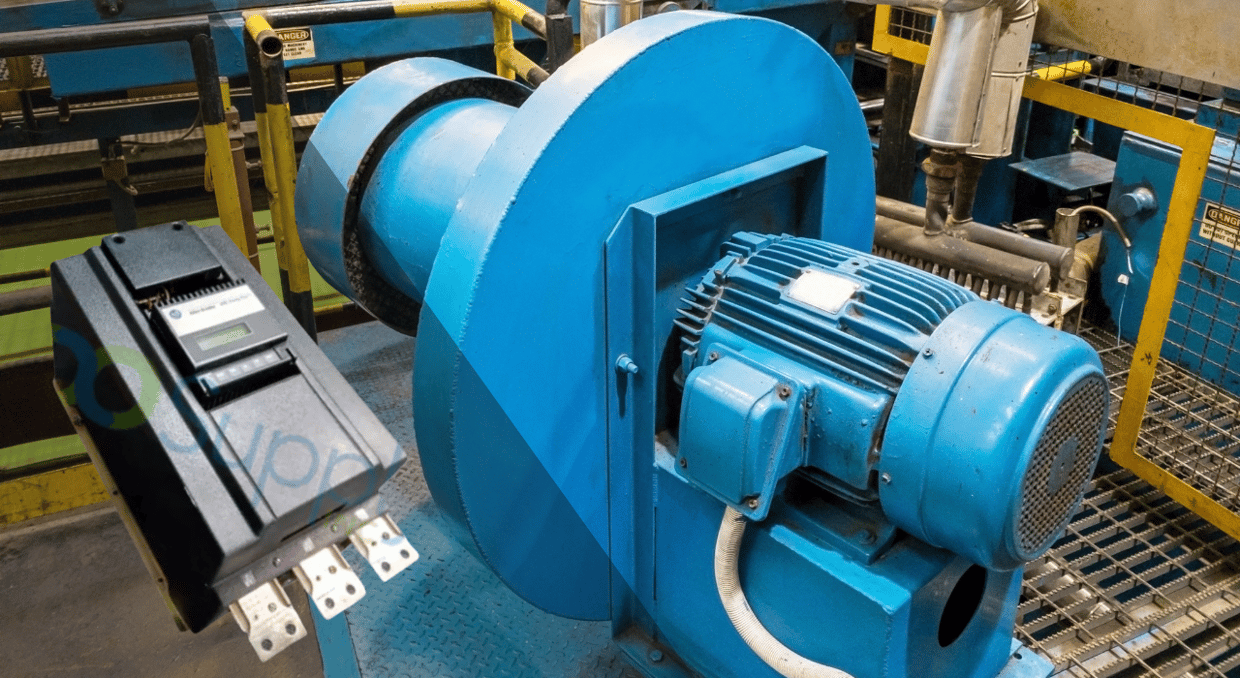
Motor protection is more than just maintenance—it involves optimizing operations that reduce wear and tear even in small tasks like motor starts and stops. The SMC Dialog Plus controllers are designed with various operational modes and features to minimize wear and tear on the motors. Protection, if rightly done, can significantly extend the life of your motor. Let’s dig into how motor protection is enhanced using the SMC Dialog Plus.
SMC Dialog Plus’ Start Options To Protect Motor
With the following starting options, the SMC Dialog Plus allows you to minimize stress on your motor.
Soft Start
The standard Soft Start method has a programmable time (0 to 0.5 minutes) over which it slowly increases the motor voltage to ensure a smooth start. This controls the sudden torque spikes and reduces mechanical stress on bearings and other components.
Soft Start with Kickstart
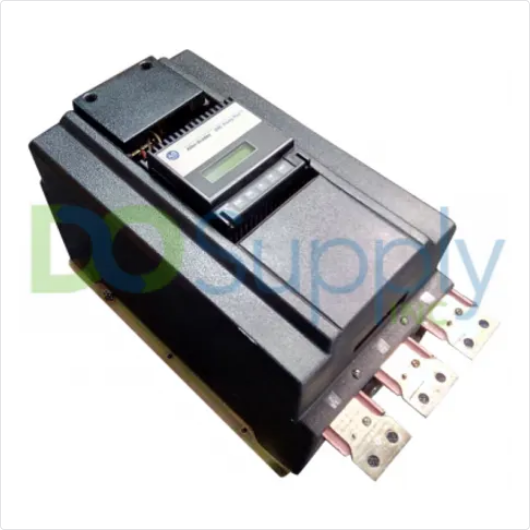
A kickstart or a short current burst can also be added to the Soft Start. This brief pulse is approximately 550% of the current at full load and lasts for 0.0 to 2.0 seconds. It helps overcome the initial inertia without the prolonged stress of a high torque start. This feature is helpful for situations where additional torque is required for proper start-up.
Current Limit Start
The Current Limit Start is a starting mode for applications that need to limit the starting current. This mode caps the current between 50-600% of the full load current to prevent excessive inrush currents which can lead to thermal and mechanical burden. This controlled start is suitable for applications that require delicately ramping up and avoiding sudden strains.
Dual Ramp Start
Dual Ramp Start mode allows setting up two different Soft Start profiles, each with ramp times and initial torque settings that can be separately programmed. This option accommodates varying load conditions and ensures that the motor always has optimal starting conditions. The ramp times for acceleration are programmable between 0 and 0.5 minutes, whereas the starting torque may be set at 0 to 90% of the torque during the blocked rotor state.
Full Voltage Start
The Full Voltage Start is suitable for across-the-line conditions. This starting mode is limited to situations where immediate torque is not a problem for the motor and is less protective than the soft start method. The ramp time is around 0.25 seconds.
Stopping Options to Reduce Motor Wear
Sudden stops can often result in severe mechanical shock. Hence, it is important to control and smoothen the stopping.
The SMC Dialog Plus offers the following stopping options:
Soft Stop
The Soft Stop slowly decreases the motor voltage over a programmable interval of up to 1 minute. This method is employed in applications like frictional loads where speed is needed to reduce slowly.
Pump Control
The pump control is an option for the centrifugal pump applications in particular. It helps control the surges in the system during start-ups and shutdowns. The start time may be set between 0 and 0.5 minutes and the stop time between 0 and 2 minutes.
Smart Motor Braking (SMB)
SMB can rapidly stop the motor without needing additional equipment like resistors and braking contactors. The controller has Braking control with zero speed shut off. The braking current may be adjusted between 150 and 400% of the full load current.
Accu-Stop
For position-based stopping, the braking torque may be programmed using the Accu-Stop option. It decelerates the motor speed to a defined low speed, between 7% and 15% of its rated speed, and maintains this speed until a stop command is sent. The braking current may be adjusted up to 400% of the current at full load, and the current at the slow speed is adjustable between 0 and 450%. Additionally, in Soft Speed Start mode, the motor can operate at this preset slow speed, reducing the need for jogging during load positioning. When ready, a start command is sent to ramp the motor from this slow speed up to full speed.
Protection against Common Motor Hazards
In addition to starting and stopping options, the SMC Dialog Plus has protective features against common hazards. These features include overload protection, stall protection, jam detection, and phase rebalance.
Overload and Underload Protection
The controller has a built-in I2t algorithm that enables programmable overload protection against excessive currents and overheating. The overload trip may be adjusted as 10, 15, 20, or 30 to tailor the protection level for a specific application. This feature safeguards against premature motor failure.
The SMC Dialog Plus controller stops the motor when it detects a decrease in current. The underload trip setting can be adjusted between 0% and 99% of the programmed full load current, and the trip delay time is customizable from 0 to 99 seconds.
Protection against a stall or a jam
Stalls and jams could lead to blocked rotor currents and extremely high torques. This could cause insulation damage in the winding. The SMC Dialog Plus has programmable delay times (0 to 10 seconds) for stall protection. On the other hand, jam detection provides jam erection levels (compared to the rated full load current). The Jam detection delay time can be programmed between 0.0 and 10.0 seconds for appropriate tripping. This keeps the motor current above the jam detection threshold throughout the delay period.
Energy Saver
The Energy Saver reduces the motor energy consumption in light applications or idle for prolonged periods. This saves energy and minimizes the wear and tear associated with running a motor at full load ratings unnecessarily.
Phase Rebalance
The Phase Rebalance in the SMC Dialog Plus dynamically adjusts the voltage input of the motor and balances the three-phase currents. This solves the problem of uneven voltages and extends the motor life.
Advanced Monitoring and Communication Features
Beyond basic motor control, monitoring and communication features provide real-time data and diagnostics. This proactive maintenance further reduces wear and tear.
Metering and Power Monitoring
The controller provides detailed insights into critical motor parameters such as 3-phase currents, 3-phase voltage, time elapsed, power, power usage, power factor, and motor thermal capacity usage. Appropriate monitoring of these metrics can help with pre-fault detection and timely maintenance.
Built-in SCANport Communication
The SMC Dialog has a serial interface port for easy integration with remote systems for continuous monitoring and oversight of motor performance. This connectivity helps with timely adjustments and interventions and reduces the risk of damage.
Final Thoughts
From operation-related features like start and stop, to protection and monitoring features, the SMC Dialog Plus controller is also equipped with protection options to manage health and longevity and other benefits like reduced maintenance costs. The full range of features can significantly reduce the wear and tear on your motors and extend motor life. All these benefits make the SMC Dialog Plus a powerful tool for optimizing motor performance with minimum stress on the equipment.
If you would like to learn more about the SMC Dialog Plus and how to properly set it up, we have the perfect article for you HERE. Otherwise feel free to browse our selection of SMC Dialog Plus Drives or even give us a call if you would like help selecting the perfect one for your needs. We at DOSupply are here to ensure you get the best product with the best support.
DO Supply Inc. makes no representations as to the completeness, validity, correctness, suitability, or accuracy of any information on this website and will not be liable for any delays, omissions, or errors in this information or any losses, injuries, or damages arising from its display or use. All the information on this website is provided on an "as-is" basis. It is the reader's responsibility to verify their own facts.