Avoid These Common Mistakes When Implementing Kinetix 6200 Drives
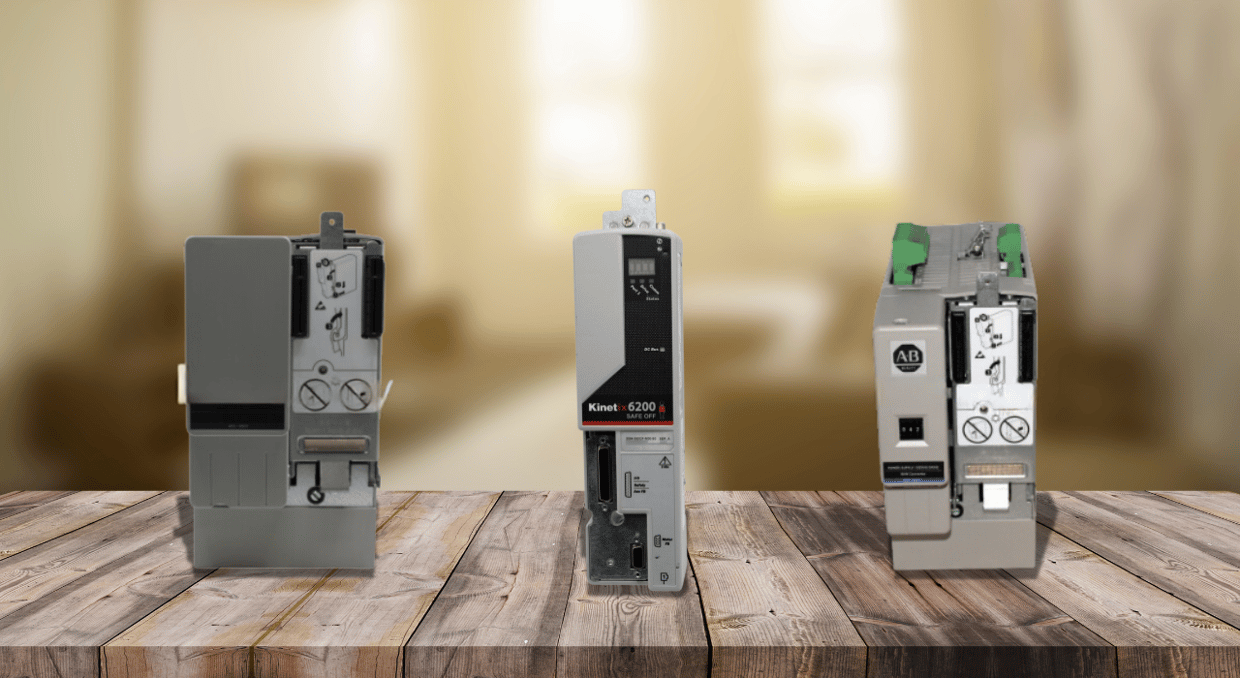
When implementing Kinetix 6200 drives, different complex challenges can arise, leading to operational inefficiencies and potential system failures. This article lists typical mistakes that should be avoided when installing and configuring equipment, highlighting the significance of accurate parameter settings, efficient heat management, and appropriate feedback device integration. By resolving problems like incorrectly configured settings, insufficient safety precautions, and delayed communication, companies may greatly improve the efficiency and dependability of their automation systems. Optimizing drive functioning necessitates having a solid grasp of dynamic load needs and putting strong power loss ride-through mechanisms into place. By avoiding these mistakes, you may create an automated environment that is more reliable and effective. All these mistakes have been discussed below in further detail.
Failure to Account for Dynamic Load Requirements
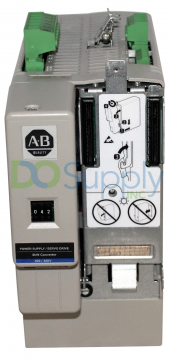
When implementing Kinetix 6200 drives, failing to account for dynamic load requirements is a common mistake. Using static load data neglects critical factors like inertia, friction, and variable external forces, resulting in improper torque and speed control. This can lead to oscillations, inefficient operation, or mechanical failure due to poor system tuning. To avoid these issues, it is crucial to perform a dynamic load analysis, factoring in real-time system behavior. Utilize tools like Motion Analyzer software to simulate varying load conditions, and adjust the tuning parameters for acceleration, deceleration, and speed to ensure optimal performance under changing loads. This provides more precise control and prolongs equipment life.
Inadequate Thermal Management
One of the most typical mistakes made when adopting Kinetix 6200 drives is inadequate heat management, especially when the drives are densely housed in control cabinets. When a system’s capacity to disperse heat is overestimated, it may overheat and induce thermal excursions, shorten the drive’s lifespan, or even result in catastrophic failure. It is crucial to use efficient cooling techniques, including forced air ventilation, making sure there is enough space between drives, and installing heat sinks, to prevent this. Furthermore, proactive power setting modifications are made possible by the Kinetix 6200’s integrated thermal sensors, which continually monitor temperature. This reduces heat generation and guarantees that the system operates well without experiencing thermal stress.
Improper Integration of Feedback Devices
Inadequate integration of feedback devices, such as encoders or resolvers, is a frequent error made while implementing Kinetix 6200 drives. Inconsistent signals from improperly configured or incompatible components can cause jitter, lost synchronization in multi-axis systems, and poor positioning precision. It’s crucial to make sure the feedback devices are correctly designed and matched to the drive system to prevent these problems. Real-time synchronization is made possible by Kinetix Integrated Motion over EtherNet/IP, and this is essential for high-precision applications. Using auto-tuning tools also assures signal quality and aids in the verification of feedback device alignment, enhancing system performance and stability overall.
Lack of Regular Firmware Updates and Drive Diagnostics
When deploying Kinetix 6200 drives, frequent faults include not using drive diagnostics and not performing regular firmware upgrades. Older firmware can lead to incompatibilities, reveal security flaws, and make it impossible to implement speed enhancements. Disregarding diagnostic tools also results in lost chances for mistake prevention and real-time monitoring, which raises the possibility of unplanned drive failures. It is crucial to use Rockwell Automation’s firmware revision tools to update the firmware regularly to avoid these problems. To ensure optimal uptime and system efficiency, make use of the diagnostic features of the Kinetix 6200, which include fault codes, alarm logs, and real-time performance statistics. These features allow you to continually monitor system health and rectify possible problems before they become failures.
Overlooking Communication Latency in High-Speed Networks
In high-speed EtherNet/IP networks, ignoring communication delay is a crucial error to make while integrating Kinetix 6200 drives, particularly in applications where time is of the essence. Tiny communication lags can cause axes to not coordinate their motion, which can impair system performance, cause synchronization problems, and lower throughput. The use of switches and network topologies designed for real-time control, guaranteeing low latency and jitter, is crucial to mitigating this. Diagnostic tools should be used to assess network performance to find and fix problems early on. Utilizing the Integrated Motion over EtherNet/IP feature ensures seamless operation and synchronization across all axes for maximum performance in demanding applications by reducing transmission delay in motion instructions.
Incorrect Wiring and Grounding
When utilizing Kinetix 6200 drives, incorrect wiring and grounding are frequent errors that must be corrected. Electromagnetic interference (EMI) and noise problems can be caused by improperly routed motor power cables or improperly grounded systems. EMI can create unpredictable drive behavior and interfere with the system’s overall performance. For instance, insufficient cable shielding makes the system more vulnerable to electromagnetic interference (EMI), which can cause instability and even damage. Make sure that all wiring complies with electrical standards, that motor cables are appropriately insulated, and that grounding is done according to the manufacturer’s instructions to avoid these problems. Furthermore, to reduce interference and guarantee dependable drive performance in difficult conditions, it is imperative to keep communication and power connections apart. The likelihood of operational disturbances is greatly decreased by proper wiring and grounding.
Neglecting Safe Torque-Off (STO) and Safe-Speed Monitoring (SSM)
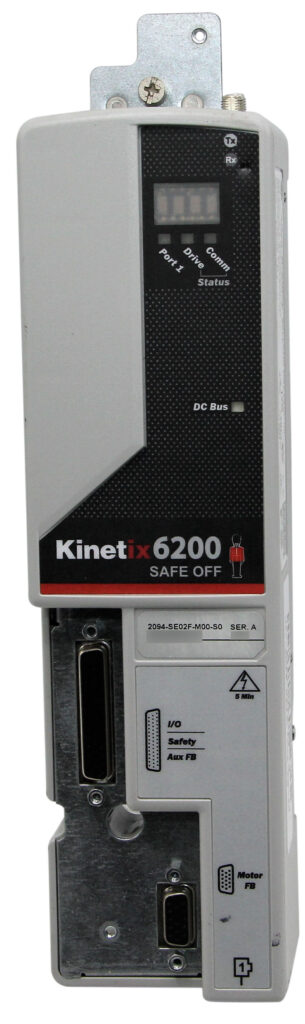
One crucial error that puts automation system safety in danger is to ignore Safe Torque-Off (STO) and Safe-Speed Monitoring (SSM). The Kinetix 6200 drives are designed with these characteristics in mind, which guarantee that speed limitations are followed when operating and that power is safely separated during maintenance. Nevertheless, a lot of customers either forget about these features or don’t set them up properly. If sufficient precautions are not taken, disabling STO and SSM may result in dangerous outcomes including unintentional motor activation and loss of control. Always make sure that STO and SSM are correctly integrated and tested in your system, using best practices for risk management and safety compliance, to improve operational safety.
Failure to Implement Power Loss Ride-Through
During power outages, one major error that can cause unplanned downtime is the neglect of a power loss ride-through strategy. Unexpected power outages can disrupt operations and can result in expensive delays. They can also cause erroneous motor shutdowns, data corruption, and loss of synchronization in multi-axis systems. It’s critical to set up the Kinetix 6200 drive to take advantage of its power loss ride-through capabilities, which let the system continue operating during brief power outages, to reduce these hazards. Regenerative modules can also be used to store and recycle extra energy during these occurrences, strengthening system resilience and guaranteeing smooth operation even in the face of unforeseen power fluctuations.
Misconfiguration of Parameters
Erroneous parameter setup is a common mistake that can seriously impair Kinetix 6200 drives’ performance. Although it sometimes goes unnoticed, setting the wrong drive settings appropriate to a certain application might result in serious problems. Inappropriate feedback device selection or mismatched motor types in the system’s software, for example, can lead to less-than-ideal performance or, in severe situations, total drive failure. Spend some time carefully configuring settings based on application needs to steer clear of these dangers. To guarantee compatibility with the chosen components and improve overall system efficiency and reliability, regularly examine and validate settings. It takes proper configuration to get the most out of Kinetix 6200 drives.
Conclusion
In conclusion, the effective use of Kinetix 6200 drives depends on careful attention to detail in several technical areas. Engineers may greatly improve system performance and reliability by proactively addressing typical issues like dynamic load analysis, thermal management, and feedback device integration. While correct wiring and grounding are necessary to reduce the danger of electromagnetic interference, regular firmware upgrades and efficient diagnostics are crucial for preserving operational integrity. Adherence to safety requirements is ensured by using Safe Torque-Off (STO) and Safe-Speed Monitoring (SSM), and system resilience is increased by utilizing power loss ride-through capabilities. Kinetix 6200 drive potential must be fully realized through careful parameter setup based on application requirements to optimize automation efficiency and system durability in complicated operating contexts.
If you are interested in a new kinetix 6200, we at Do Supply have a large catalog of 6200s, from safety modules to line interface modules. Feel free to check them out at Dosupply.com or reach out to our sales department and we will help find the perfect drive for your needs. If you would like to read more about the 6200, we have an article here that you might enjoy.
DO Supply Inc. makes no representations as to the completeness, validity, correctness, suitability, or accuracy of any information on this website and will not be liable for any delays, omissions, or errors in this information or any losses, injuries, or damages arising from its display or use. All the information on this website is provided on an "as-is" basis. It is the reader's responsibility to verify their own facts.