We found 260 posts about Automation Technologies from DO Supply, a global automation parts
reseller focused on hard-to-find and obsolete industrial automation products.
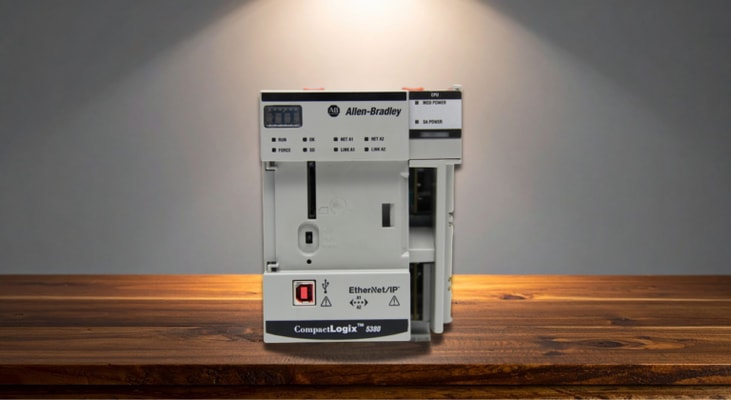
If you open a PLC rack and point to the CPU, most people will tell you it’s “the brain of the system” and then immediately stop talking. Not because that explanation is wrong, but because it usually leads straight into computer science terms that don’t help much when you’re trying to understand what the PLC is actually doing. Really, the CPU is more like a little worker instead of a brain. His main task is to ensure nothing is on fire, read and understand the instructions given to him, tell the rest of the system what to do based on them, and record the results. This happens thousands of times a second without our little worker getting distracted or tired. Once you look at it that way, the CPU no longer feels abstract, and you can follow its thought process step by step to see why timing matters. Though there is more to it than that, so let’s decipher what the CPU does inside of a PLC, all in plain English. You’ll often see the terms CPU and processor used interchangeably, especially...
One of the core designs of any product, whether it be a video game menu, your phone’s operating system, an HMI, or the laptop used to program it, is its User Interface. The UI, by definition, is the space where interactions between humans and machines occur, and is especially important to get right as it’s what stands between you and the task at hand. If executed poorly, this will lead to user frustration, anger, and reduced willingness to use it. After all, would you still use a phone if you had to jump through five menus every time just to unlock it? Of course not. The same human-centric design principle applies to industrial Human-Machine Interfaces as well. So let’s get into what makes an HMI design great and why it matters to the operator using it! A bad HMI UI design is easier to recognize because it stands out much more. This can lead to operator error, misinterpreted information, or downtime if it is severe enough. Some of the more common poor UI choices for HMIs are: Shop for...
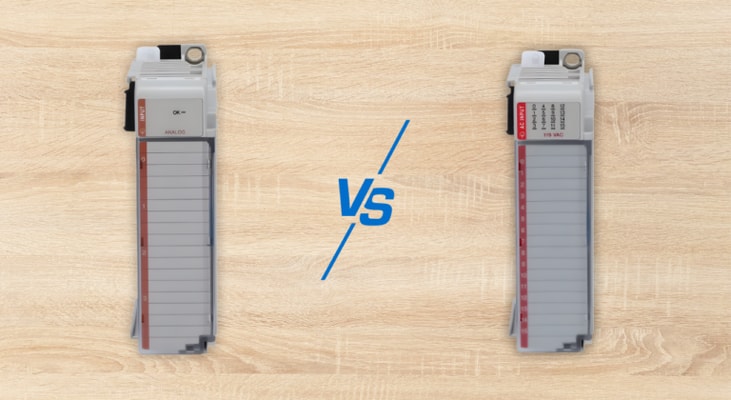
Analog and digital inputs are the primary mechanisms by which automation systems interpret and sense the physical world. Each industrial automation system relies on input signals to measure process variables, monitor states, and provide feedback to the connected controller. Originating from field input devices such as transmitters, switches, pushbuttons, and sensors, these signals are transmitted to input modules and serve as the foundation for all subsequent decision-making and control logic. Input modules in automation systems are engineered to reliably convert electrical signals into usable data while maintaining high accuracy, effective electrical isolation, and immunity to noise. The key distinction between digital and analog inputs lies in how information is represented: digital inputs communicate information in discrete, non-continuous steps, typically representing binary states such as ON/OFF or True/False, while analog inputs utilize continuously varying measurements to...
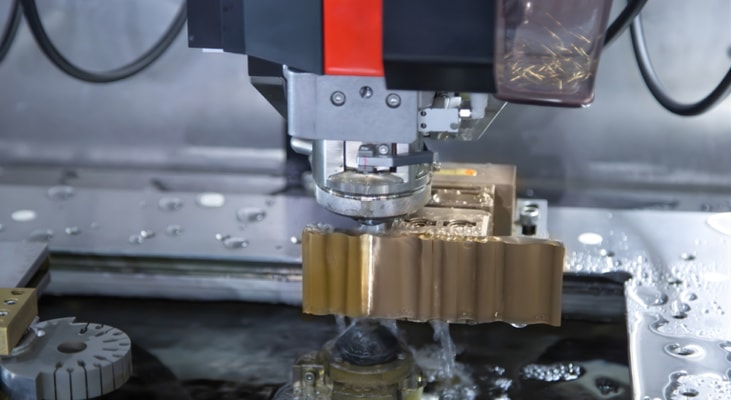
Have you ever come across a video where a solid block of metal, with no visible seams, suddenly has a perfectly formed part pushed out of it? Or watched two separate pieces slide together so cleanly that they appear to be a single solid component? As tempting as it may be to chalk that up to black magic, the reality is far more interesting. These parts are often produced using a process called wire electrical discharge machining. Wire EDM is responsible for achieving micron-level tolerances, producing components that fit together with extraordinary precision. The basic concept is similar to cutting a block of foam or cheese with a thin wire. Still, instead of mechanical force, the process relies on controlled electrical discharges and carefully coordinated CNC components to remove material without ever making contact. To understand how wire EDM achieves this level of accuracy, it helps to start with the fundamentals of the process. Wire electrical discharge machining, or wire EDM, is...
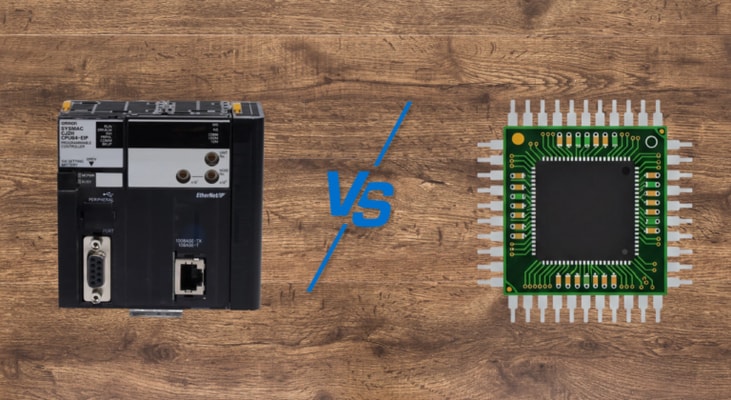
The words CPU and Processor are among the basic terms in modern computing architecture, yet the subtle association between them has been neglected. The accurate definition of the CPU vs. Processor dynamic is not only an academic tool but also a very important one for engineers, system architects, and automation specialists who must make the most of their systems’ performance. This in-depth exploration of the CPU vs Processor will break down the two functions, discuss the performance characteristics that distinguish them, and explain how they directly affect the two pillars of current computing: automation speed and deterministic logic execution. The Central Processing Unit (CPU) is clearly the brain of the computer system. It is a dedicated element for the flow of instructions and data up and down the system and is subject to the fetch-decode-execute cycle. Since it is the computer component that fetches and executes instructions, its architecture comprises an Arithmetic Logic Unit...
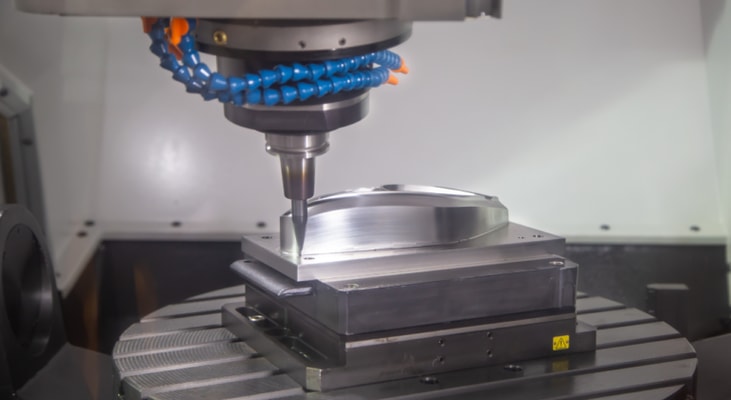
Computer Numerical Control (CNC) machines have revolutionized modern manufacturing, delivering the top-notch accuracy, productivity, and consistency that conventional machining cannot achieve. When applied to different industrial equipment, CNC systems rely on a highly integrated blend of mechanical and electronic components operating together. Understanding the various components of CNC machines is very important for anyone who wants to increase machining efficiency or diagnose problems. This article outlines the key components of a CNC machine, describes their roles, and explains why each component is important for overall machine reliability and production quality. The frame or base forms the backbone of the CNC machine. The structure keeps different parts intact by enclosing them, such as the spindle, table, and axes. Mainly made from cast iron, steel, or a polymer composite, the frame provides hardness and reduces vibration intensity during operation. A solid frame guarantees...
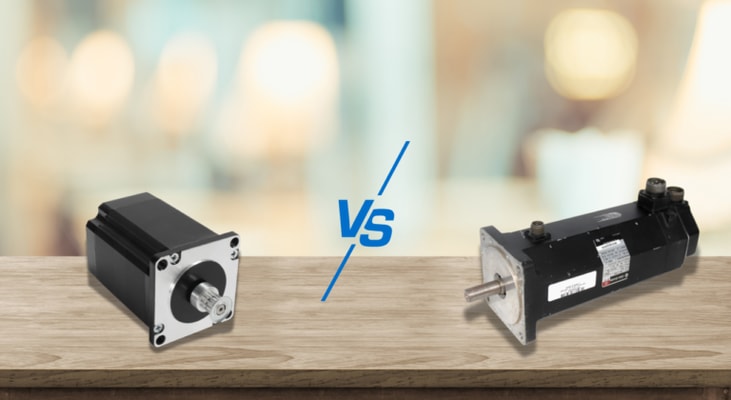
Your core CNC Machine Parts choices are among the most critical factors to determine, from a performance, precision, and cost perspective, for engineers, machinists, and procurement specialists alike. Drive motors are among the most essential CNC Machine Parts. The choice between servo and stepper motors has always been a discussion in the design and selection of a CNC system. Today, we will go over each one and see what applications allow one to shine over the other. Buy Allen-Bradley VPL Servo Motors Here Before delving into the specifics of stepper and servo systems, it is essential to understand their role. These motors are the prime movers, the components that translate digital commands into precise physical motion. The choice between a stepper motor and a servo motor influences every aspect of a machine’s capabilities, from its maximum speed and cutting torque to its positioning accuracy and operating cost. Selecting the correct motor from the vast array of CNC machine parts is...
Over the years, spindle motors have come a long way, from brute-force systems to finely tuned systems that balance torque, speed, and feedback with almost surgical precision. The trio leading this charge is stepper motors, servo motors, and variable frequency drives (VFDs). Each represents a different philosophy of motion: one steps with mechanical certainty, one reacts with sensory feedback, and the last bends AC power to its will. Choosing between these different motors isn’t about picking the latest and most expensive, but rather about what would fit the job at hand. After all, milling aluminum molds, engraving circuit boards, or turning precision shafts all place different demands on torque stability, acceleration, and accuracy. Understanding how each control method meets those demands separates a good CNC build from a great one. Before encoders, feedback loops, and tuning parameters even came into light, stepper spindle motors provided dependable and accurate motion that you...
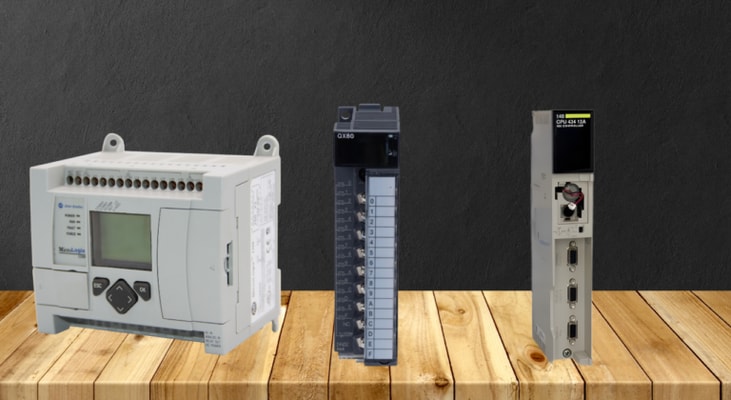
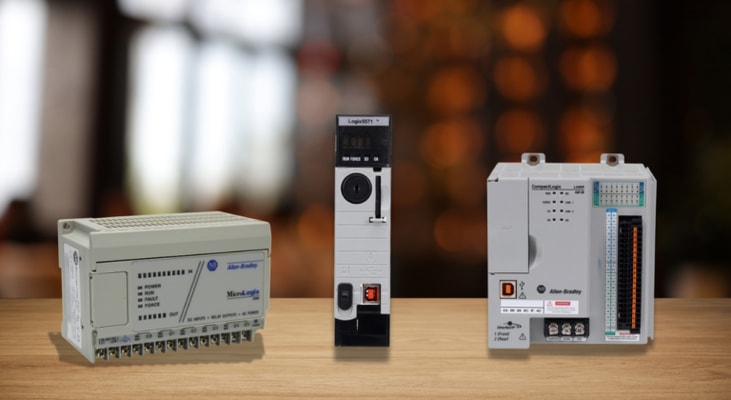
Given the diverse and constantly advancing landscape of PLC brands, a strategic comparison of each brand’s unique features and capabilities is essential to choosing the best PLC for your application. Evaluating factors such as performance, design, safety, connectivity, scalability, and cost against your specific application needs will lead to the right decision. This article provides a detailed comparison of leading PLC brands:Allen-Bradley, Siemens, Mitsubishi, and Schneider PLCs. Developed through a long history of technological advancements, Allen-Bradley PLC brands, by Rockwell Automation, are smart, high-performance, multi-disciplined control solutions. They leverage robust design and advanced technology to enable more operational efficiency, reliability, scalability, and application flexibility. Shop for Allen-Bradley PLCs Here ControlLogix Series: A high-performance Allen-Bradley PLC brand that offers a powerful combination of integrated safety, high-speed processing, and...
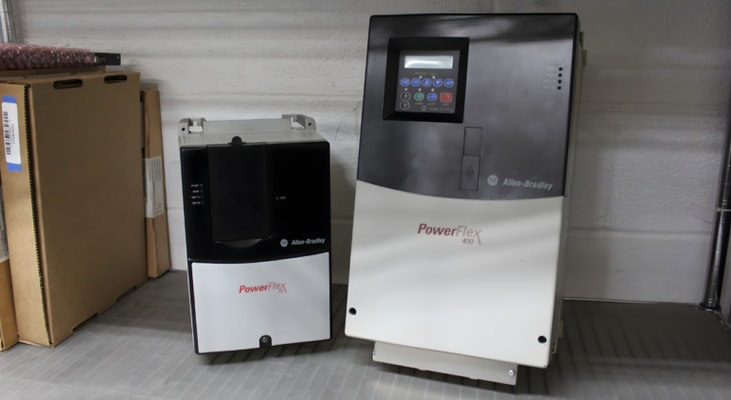
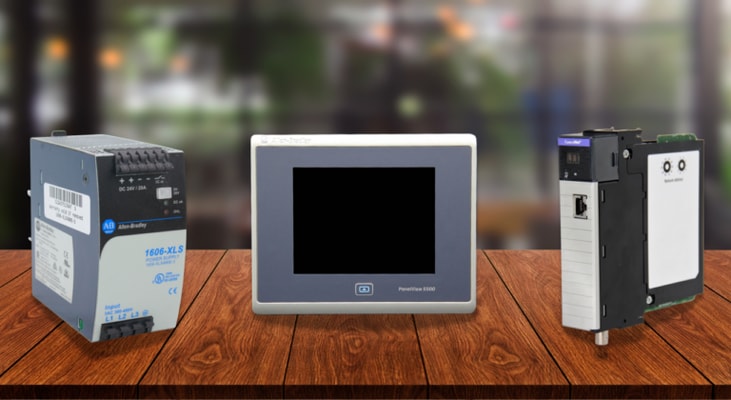
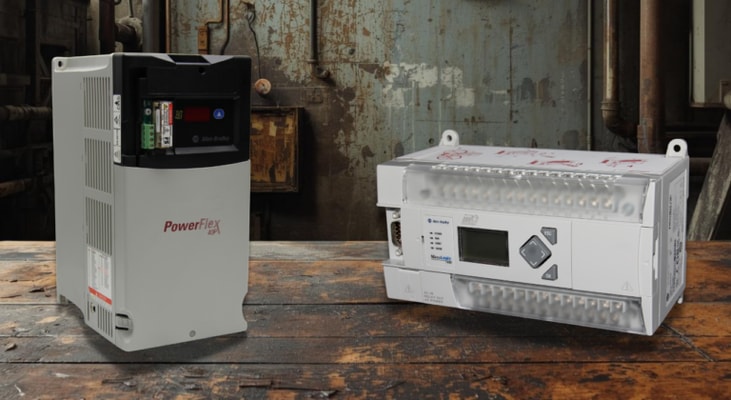
Rockwell Automation offers a comprehensive portfolio of industrial automation products under the Allen-Bradley brand name. The product lines range from motion control solutions, motor drives, power supplies, sensors and switches, Human Machine Interfaces (HMIs), motor controls, circuit and load protection devices, Input/Output (I/O) modules, relays and timers, and safety modules to programmable controllers and networking infrastructure. Allen-Bradley products have a long-standing reputation for robust design, premier integration, exceptional reliability, and advanced features, making them a perfect fit for a wide range of industrial applications. This article features the most commonly used Allen-Bradley products. The Allen-Bradley lineup of PowerFlex Variable Frequency Drives (VFDs)/AC drives provides cutting-edge motor control technology. These drives enable precise control of motor speed and torque, resulting in significant energy savings, reduced mechanical stress, and enhanced...
Allen-Bradley is a renowned brand of industrial automation technologies owned by Rockwell Automation, a company that offers a wide variety of digital transformation and factory automation solutions. The Allen-Bradley product line features a broad portfolio of industrial automation and control products like Human-Machine Interfaces (HMIs), Programmable Logic Controllers (PLCs), sensors, DC drives, Variable Frequency Drives (VFDs), and safety devices. All these products are designed for optimal performance, robust, and reliable operation in harsh industrial settings. They enable real-time system monitoring, precise control over machinery, and improved safety within manufacturing and other industrial environments. The PowerFlex DC drive family is a complete collection of high-performance DC motor control technologies. It includes Allen-Bradley PowerFlex DC field controllers, PowerFlex DC drives, and PowerFlex DC stand-alone regulators (SARs). PowerFlex DC drives provide cost-effective...
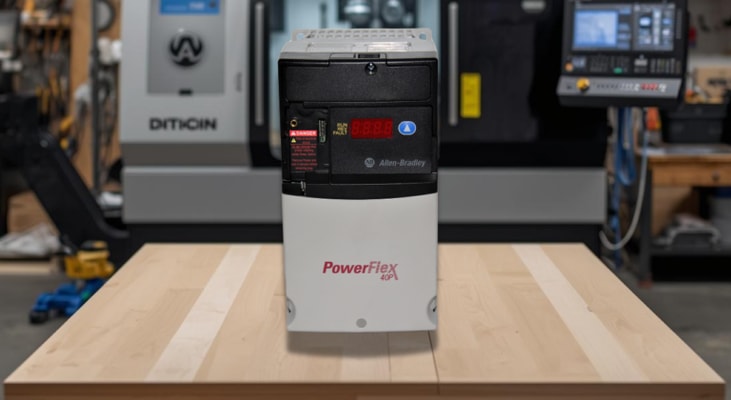
Spindle motors are the main components of any CNC system. The spinning motion of the spindle motors (how fast, how smooth, how steady) determines whether the final workpiece is perfect or flawed. In modern machining, as tolerances shrink and the output expectation rises, you can’t leave your motor control on just the motor and its variable frequency drive. You need smart drives, feedback loops, and precise integration, and that is where Allen-Bradley drives really shine. In this article, I’ll walk you through: Shop for PowerFlex 525 Drives Here! What a spindle motor really does in a CNC setup Why basic drives fall short The Allen Bradley Drive families you should know What advantages do you get with smart drive integration Real-world use cases Tips for selecting and deploying the right spindle drive Now, let’s discuss the role of spindle motors in the CNC Precision with a little detail. Spindle Motor Automation uses a variable-frequency drive to control the motor’s speed and a CNC...
Factories aren’t always clean, calm, or predictable. Some are built beside saltwater ports, where humidity clings to every surface. Others hum deep inside steel plants, where air shimmers with heat and fine metal dust. A few spend their days being blasted with water and cleaning agents strong enough to strip paint. Yet, through all of this, the automation keeps running, or at least, it should. Allen-Bradley has built a reputation on not only control, but for endurance and reliability. These three key qualities is exactly what you need to have equipment that not only works in harsh environments but also thrives and can withstand what you throw at it. But what exactly constitutes a “harsh environment” and how does Allen-Bradley hardware combat it? Today we will be going over that and more. Shop for Allen-Bradley PLCs Here! “Harsh” is a relatively broad word. It could describe the feeling of flying down a dirt path in an old sedan, or maybe even the unrelenting sun in a desert. In...
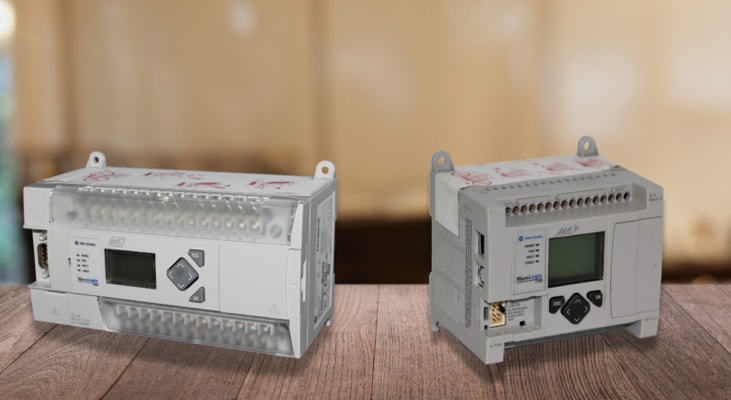
Designing an OEM system can be quite an ambitious endeavor. Every wire, sensor, and relay has to serve a purpose. For smaller systems, an additional challenge comes into play. Not only does the machine have to work, obviously, but it must do it without inflating the cost, complexity, or footprint of the control hardware. This is where Allen-Bradley’s MicroLogix PLC family steps in. These controllers are built with the realities of small machine automation in mind: limited space, tight budgets, and the constant demand for reliability. Whether it’s a packaging line tucked in a corner of a factory floor or a self-contained water treatment skid running in a remote facility, MicroLogix controllers simplify control design by combining power, communication, and flexibility in a single, easy-to-integrate package. Let’s get into how the MicroLogix fits the demands of compact OEM designs and tight spaces within machine automation. We can’t start an article about small automation and MicroLogix...
Only a few names have the universal respect and recognition of Allen-Bradley for their reliability, innovation, and solid performance. In a very competitive market, what has made Allen-Bradley PLCs the lasting reference point? It stems from a unique blend of original innovation, a complete and integrated ecosystem, visionary hardware design, and a commitment to fulfilling the industry’s needs. The foresight has allowed Allen-Bradley PLCs to provide industrial control applications uninterrupted to this day, making them the reference point all others are measured against. The historical heritage of Allen-Bradley PLCs would be worthless without a contemporary hardware Portfolio that addresses today’s challenging industrial needs. Rockwell Automation has diversified its products into three separate but cohesive lines of Allen-Bradley PLCs. The ControlLogix family represents the pinnacle of the Allen-Bradley PLC platform. The latest variant, the ControlLogix 5580 (or L8x series), witnesses...