CNC Machine Parts Explained: What Each Component Does and Why It Matters
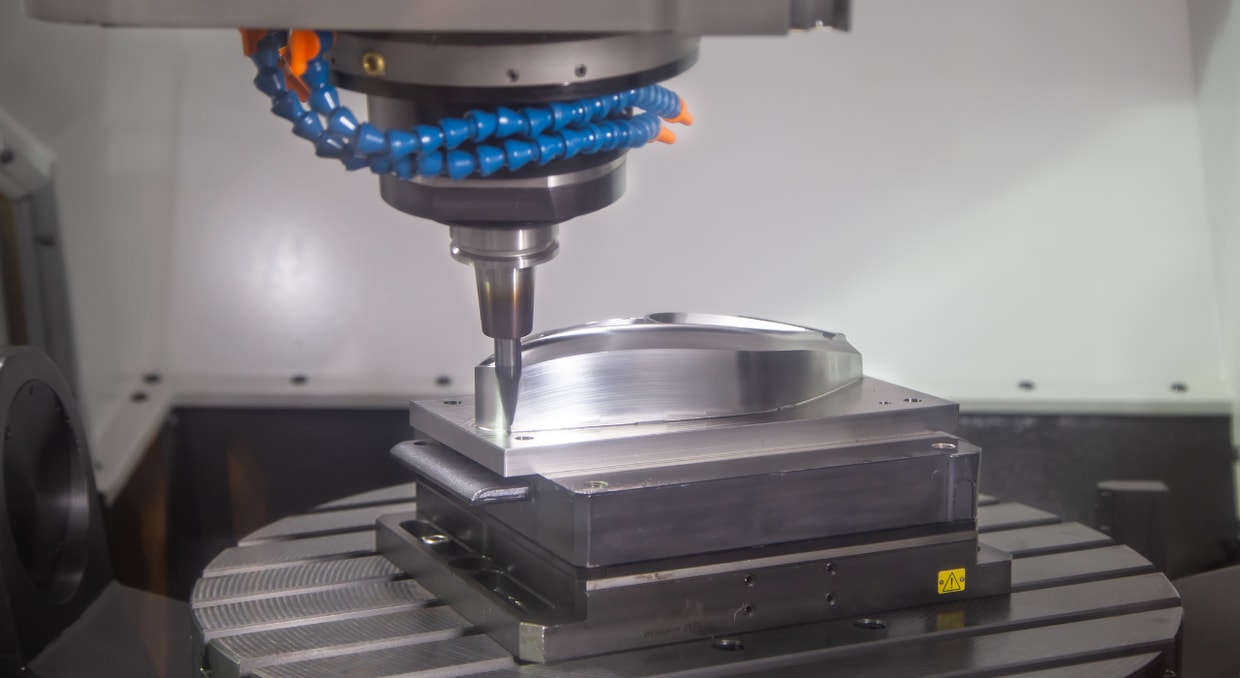
Computer Numerical Control (CNC) machines have revolutionized modern manufacturing, delivering the top-notch accuracy, productivity, and consistency that conventional machining cannot achieve. When applied to different industrial equipment, CNC systems rely on a highly integrated blend of mechanical and electronic components operating together. Understanding the various components of CNC machines is very important for anyone who wants to increase machining efficiency or diagnose problems.
This article outlines the key components of a CNC machine, describes their roles, and explains why each component is important for overall machine reliability and production quality.
Structure and Foundation
The frame or base forms the backbone of the CNC machine. The structure keeps different parts intact by enclosing them, such as the spindle, table, and axes. Mainly made from cast iron, steel, or a polymer composite, the frame provides hardness and reduces vibration intensity during operation.
Why It Is Important
A solid frame guarantees accuracy. Even minute vibrations can produce chatter marks, errors, and a subpar surface texture. A sturdy foundation dampens the cutting forces, keeping all moving components aligned. This translates to uniform machining tolerances, reduced abrasion on linear guides and bearings, and improved durability across the entire machine.
CNC control unit
The CNC controller functions as the machine’s brain. It interprets G‑code or M‑code commands and converts them into exact electrical signals that control the motors and drives.
A standard controller includes:
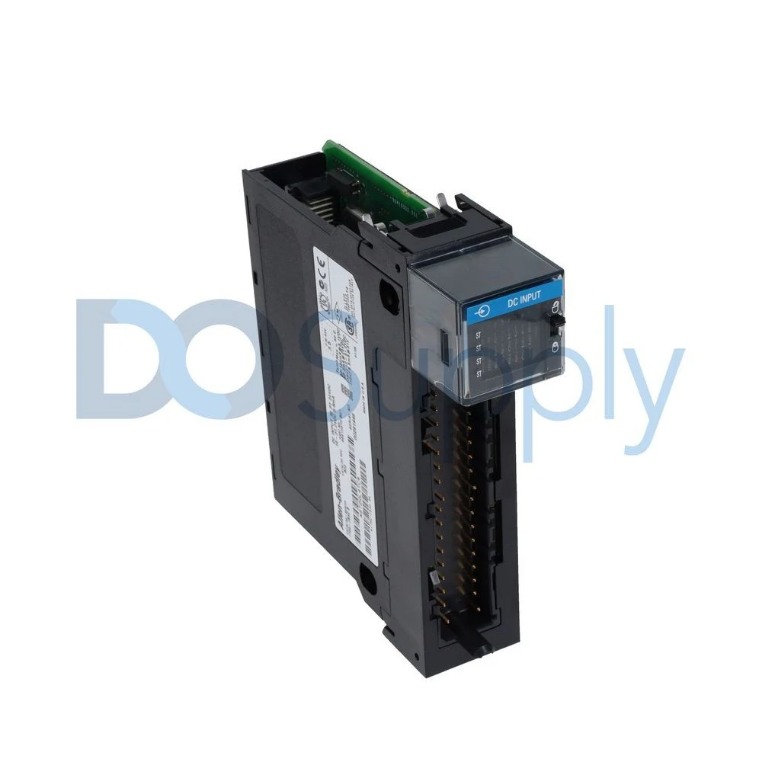
- processor
- IO Modules
- Human Machine Interfaces
- Communication and Data Storage Modules
Why This Is Important
Even the most well-built CNC machine can be held back by a weak controller. Since the controller coordinates every axis and movement, its performance directly impacts both productivity and machining accuracy. A capable controller delivers precise motion control, smoothly interpolates complex linear, circular, and helical moves, and manages tool paths exactly as intended. At the same time, it compensates for real-world factors such as backlash and temperature variations while continuously monitoring safety conditions and system faults. When the controller does its job well, the rest of the machine can perform at its full potential.
Rotating shaft
The shaft is responsible for turning the cutting tool (in case of milling) or the workpiece and is one of the most important CNC Machine Parts. It comprises the motor, bearings, taper, and drawbar mechanism. Spindle speeds may vary from several hundred to more than 40,000 RPM, depending on the machine type. These can be belt-operated, direct-drive, or with integral/built-in motors.
Why This Is Important
The spindle’s performance dictates cutting capability. Speed, torque, stiffness, and heat control all influence the quality of CNC Machine Parts.
An excellent spindle provides:
- Polished surface treatments
- Increased feed rates
- Lowered tool wear
- Steady precision throughout extended cycles
Due to its pivotal role, the spindle is frequently among the costliest CNC machine components to repair or replace.
Linear Motion Systems:
Linear motion systems enable a CNC machine to move accurately along the X, Y, and Z axes, positioning the table or spindle exactly where it needs to be. These systems are built around components such as linear guide rails or box ways for support and alignment, along with ball screws or lead screws that convert the servo motor’s rotational motion into precise linear motion. Together, the guides and screws provide smooth, low-friction movement while keeping everything properly constrained.
Because these components directly control how the machine moves, they have a clear impact on the accuracy of the finished workpiece. A well-designed linear motion system maintains consistent precision under high loads, delivers smooth and steady motion across the entire work envelope, and minimizes backlash and noise. When ball screws or guides are low-quality or begin to wear, precision quickly degrades, leading to vibration, positioning errors, and uneven machining.
Servo Motors and Drive Units
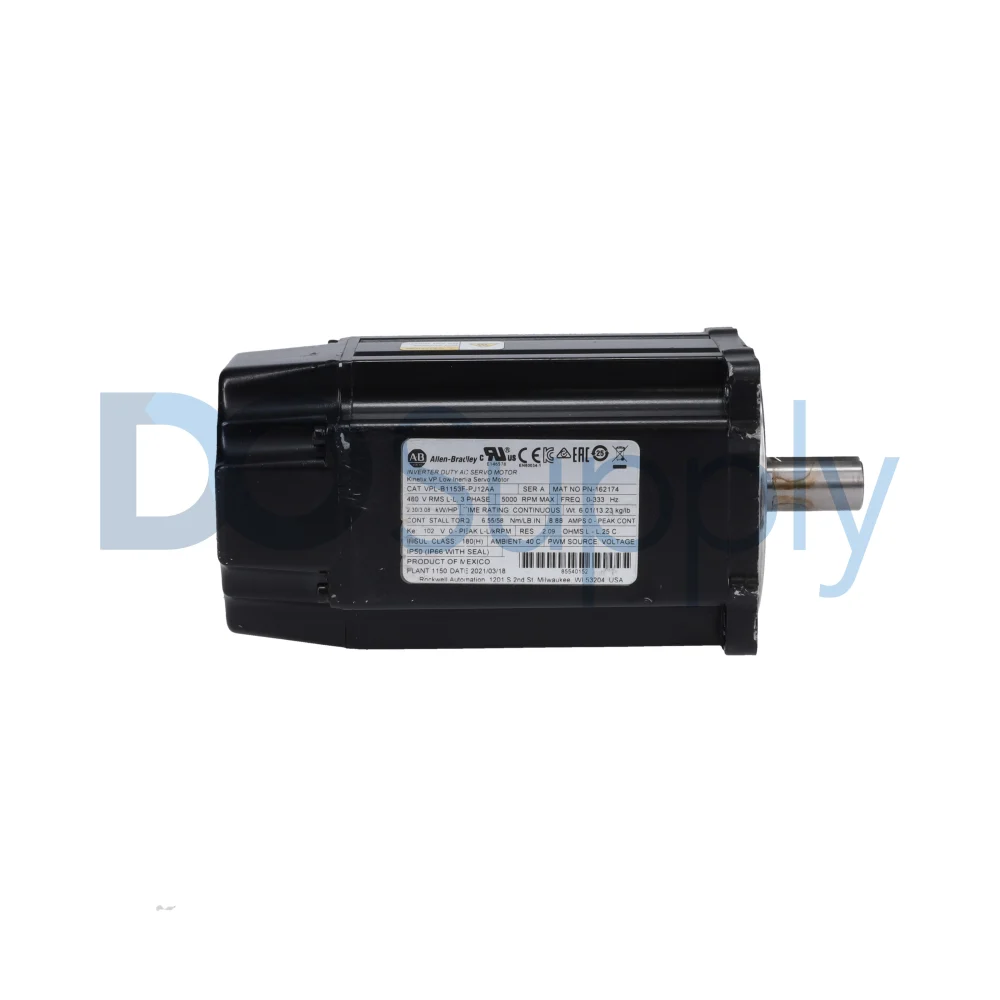
Servo motors control the movement of the machine’s axes and spindle, taking commands from the CNC controller through servo drives that regulate speed, torque, and position. These systems operate in a closed-loop configuration, using feedback devices such as encoders to verify and correct motion continuously. This feedback enables servo systems to accelerate and decelerate quickly, deliver the torque needed for demanding cuts, and hold precise positions without drifting. Without reliable servo motors and drives, the level of accuracy and responsiveness required for precision machining simply would not be possible.
Tool Exchanger / Automatic Tool Exchanger
The automatic tool changer allows the CNC machine to change tools without human effort. ATCs usually keep tools in a carousel or a chain‑type magazine and swap them out during different stages of the machining process, rather than relying on the operator to change them. By automating tool changes, CNC Machine Parts keep running continuously, cutting cycle time and minimizing human error.
Advantages of ATCs:
- Enhanced productivity
- Enhanced equipment versatility
- Enhanced consistency in multi-stage machining
- Reduced downtime
For shops that run long machining cycles or complex parts, a high‑quality ATC is indispensable.
Cooling System
The coolant system delivers lubricating fluid to the cutting area. It lowers the temperature, removes chips, and extends the lifespan of CNC Machine Parts.
Elements include:
- Coolant reservoir
- Pressurizer
- Discharge tips
- Screenings
Why This Is Important
Too much heat may result in:
- Equipment failure
- Unsatisfactory surface finish
- Incorrect measurements
- Workpiece deformation
Chip Administration System
The chip management system removes machining chips from the cutting area to keep the workspace clear and protect both the tools and the workpiece. Components like chip conveyors, augers, screens, and collection bins work together to move debris away as it is generated. When chips accumulate, they can obstruct the cutting zone, damage the surface finish, and trap heat at the tool, increasing the risk of overheating and premature wear.
Sensors and Feedback Systems
Sensors and feedback systems keep the CNC machine aware of what is happening in real time, continuously monitoring operating conditions and feeding that information back to the controller. Devices such as limit switches, proximity sensors, encoders, thermal sensors, and spindle load monitors work behind the scenes to detect positioning errors, prevent axis over travel, monitor tool wear or breakage, and protect the spindle from overload. This constant feedback is what allows the machine to run accurately and safely without relying on assumptions.
All of that sensing and control depends on electronics that are sensitive to heat, dust, and electrical interference. A clean, well-designed electrical cabinet helps protect these components, supporting long-term reliability, maintaining safe operation, reducing electrical noise, and keeping machine performance stable over time.
Software and Programming Interface
CNC software includes:
- CAD/CAM software
- Machine control software
- Simulation tools
It generates the tool paths and controls machine parameters.
Why It Matters
Software connects the digital design to physical machining.
Benefits include:
- Fewer programming errors
- Faster prototyping
- Optimized tool paths
- Simulation for crash prevention
Modern software also supports digital twin technology and real-time machine analytics.
Why Understanding CNC Machine Parts Matters
Some of the reasons why you should understand the CNC Machine Parts are listed below:
- Lessens downtime: You will only be able to understand troubleshooting techniques properly if you know the machine parts.
- Improve machining accuracy: Different parts you can use to fine-tune your machine. Fine-tuning components such as ball screws, servo motors, and the spindle leads to tighter tolerances.
- Select the right machine: Understanding the importance of each part helps in comparing machine models and brands.
- Extend machine life: Having a proper check of the different CNC Machine parts is crucial, as it extends the machine’s life.
Final Thoughts
In conclusion, every CNC Machine Part has different properties. Each CNC Machine Part, from the hard frame to the main controller, contributes to its ability to deliver excellent, consistent outcomes. Having a good technical understanding of CNC machine parts is more than just an exercise; it’s the basis for improving efficiency, quickly solving problems, and ensuring the equipment’s longevity.
We at DO Supply carry parts suitable for CNC machines, such as Allen Bradley servo motors, controllers, and drives. We also carry automation equipment from other popular brands, such as Mitsubishi, Omron, Siemens, and more. We also offer a repair service and will even buy your unused automation equipment! So stop on by our site or give us a call today to see what we can do for you!
DO Supply Inc. makes no representations as to the completeness, validity, correctness, suitability, or accuracy of any information on this website and will not be liable for any delays, omissions, or errors in this information or any losses, injuries, or damages arising from its display or use. All the information on this website is provided on an "as-is" basis. It is the reader's responsibility to verify their own facts.