We found 171 posts about Comparison Guides from DO Supply, a global automation parts
reseller focused on hard-to-find and obsolete industrial automation products.
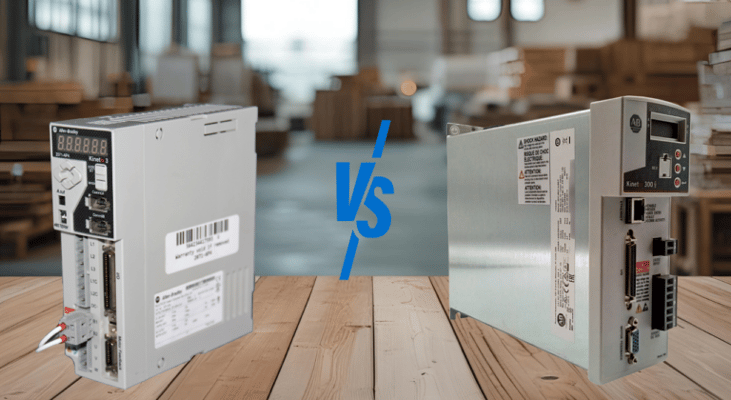
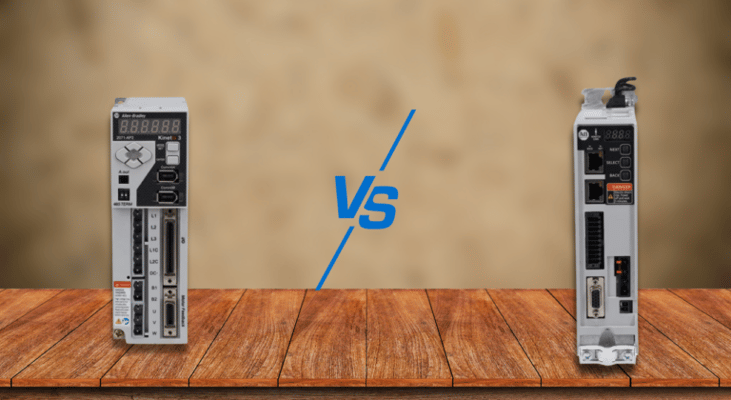
Let’s talk entry motion control, specifically the Kinetix 3 and 300. When designing a smaller automation task, it’s easy to assume that the Kinetix 3 and 300 are basically the same. After all, they’re both marketed as entry-level, low-axis drives to run small motors, but there’s more to it than that. One thrives as a standalone drive while the other belongs in coordinated motion with Logix integration and Ethernet/IP. So, which one would best fit your machine or budget? That’s the question we’re looking to resolve today, so let’s break down the differences between these brother drives and help you answer that question. The Kinetix 3 is a lightweight drive designed for simpler automation tasks that require a single axis of motion. Its main selling points are that you don’t need a full PLC network to run it and that it is plug-and-play, with automatic motor recognition for L-Series rotary motors, TL-Series linear actuators, and LDL-Series and LDC-Series linear motors. This makes it very...
Electric drives are employed in industrial automation, robotics, and motor control systems. They are responsible for regulating the speed and torque characteristics of motors. The drives are majorly categorized as AC drives (Alternating Current drives) and DC drives (Direct Current drives). The choice of drive for your application depends on various factors, mainly motor type, speed requirements, efficiency, maintenance demands, and cost consideration. An AC drive is also referred to as a VFD (Variable Frequency Drive) and is used to control the speed of AC motors, 3-phase induction motors, in particular. There are two stages for an AC drive operation: Rectification of incoming AC supply into DC using a rectifier circuit. Inversion of the DC back to AC using an inverter circuit at a frequency desired for speed control. Shop for PowerFlex AC Drives Here AC drives are used to control Induction and Synchronous Motors, which are commonly used in the industry. These drives are available to...
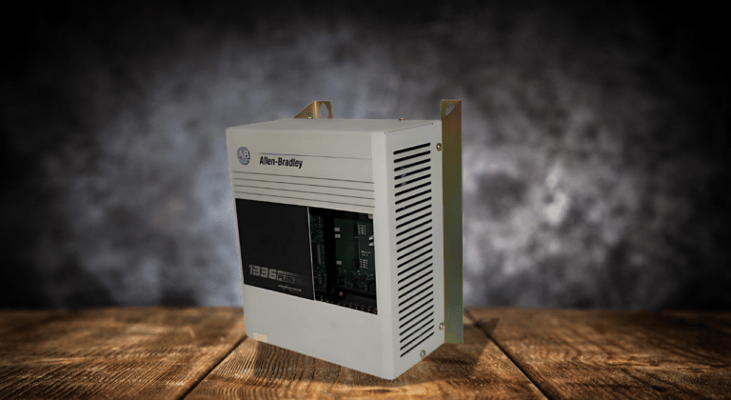
Selecting the right adjustable frequency drive is crucial for optimizing industrial automation and motor control efficiency. The Allen-Bradley 1336 Plus II series offers a diverse range of drives with varied power ratings, voltage ranges, and advanced features to meet specific application requirements. Whether you need sensorless vector control, programmable interfaces, multilingual HMIs, or enhanced protection, these drives provide high performance, reliability, and flexibility. This guide explores various 1336 Plus II models, highlighting their key specifications and applications to help you choose the perfect drive for your industrial automation needs. Buy 1336 Plus II Drives Here The Allen-Bradley 1336F-A007-AA-DE is a powerful, microprocessor-based adjustable frequency PWM AC drive designed for various industrial applications. With ratings from 0.37 kW to 448 kW (0.5-600 HP) across multiple voltage ranges, it offers precision control, high torque, and seamless integration with...
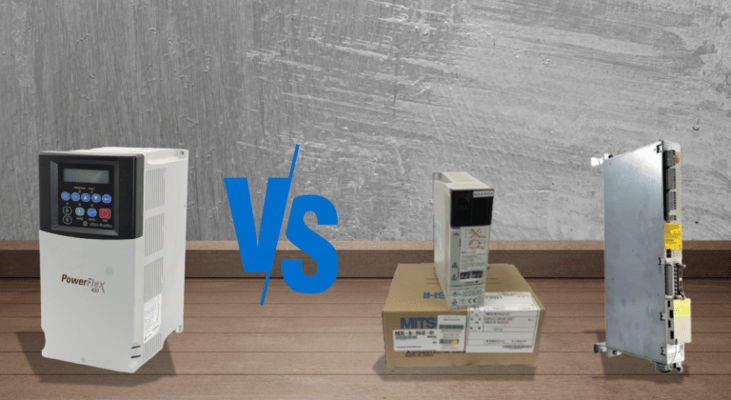
In the highly competitive world of industrial automation, selecting the most appropriate motion control solution for your application is critical. Variable Frequency Drives and DC drives are an integral part of modern industrial automation, providing precise control over motor speed and torque. These motion control solutions help improve energy efficiency, optimize process performance, and increase the service life of the equipment. Allen-Bradley (Rockwell Automation), Danfoss, Delta Electronics, Fuji Electric, Mitsubishi Electric, ABB, and Siemens are some of the leading manufacturers of AC and DC drives. Each brand offers distinct motion control characteristics and capabilities geared to specific industrial automation applications. This article provides a technical comparison of the AC drives offered by some of the aforementioned manufacturers, with the aim of assisting users in identifying the best solution for their specific automation requirements. The Allen-Bradley PowerFlex...
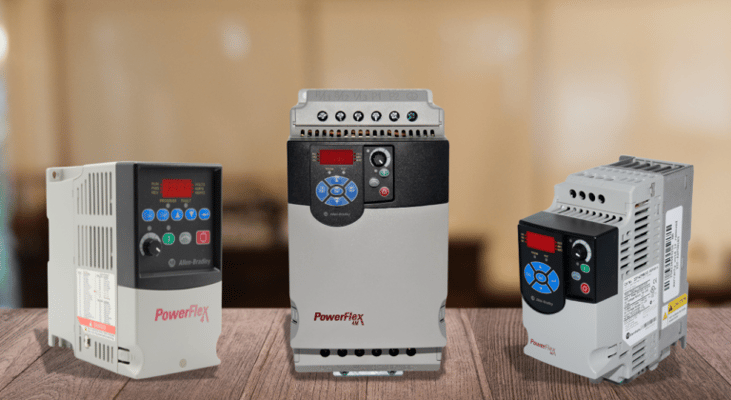
In harsh industrial environments, selecting the right PowerFlex drive is essential for ensuring reliable motor control, efficiency, and durability. Allen-Bradley’s PowerFlex series offers a range of high-performance drives, each designed to meet specific application needs, from compact, space-saving options to heavy-duty, high-power solutions. Whether you require rugged enclosures for dust and moisture protection, advanced networking capabilities, or precise motor control, there is a PowerFlex drive suited for your operation. This guide explores the top PowerFlex models, highlighting their features, and helping you determine which drive is best suited for your harsh industrial environment. Find Your Next PowerFlex 40 Drive Here The PowerFlex 40 series is a reliable choice for demanding industrial environments, offering robust performance in machine tools, conveyors, fans, and pumps. With voltage classes ranging from 120V to 600V AC and power ratings up to 15 HP, it supports vector...
When selecting a servo drive for your application, it’s crucial to consider factors such as power range, integration capabilities, and flexibility. Allen-Bradley offers a variety of servo drives, with the Kinetix 3 and Kinetix 5300 standing out as two key options. While both are designed to deliver precision and efficiency, they cater to different needs. Below is a detailed comparison to help you determine the right choice for your application. The power range of a servo drive determines its suitability for different applications. The Kinetix 3 operates within a power range of 50 to 1500W, making it ideal for small-scale automation tasks. On the other hand, the Kinetix 5300 offers a much broader power range, spanning from 0.05 to 7.5 kW, making it capable of handling both small and large automation applications. If your project requires higher power and scalability, the Kinetix 5300 is the better option, whereas the Kinetix 3 is a cost-effective choice for low-power applications...
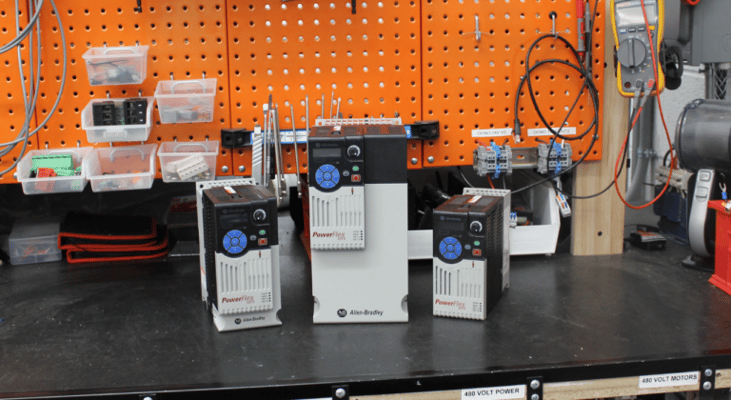
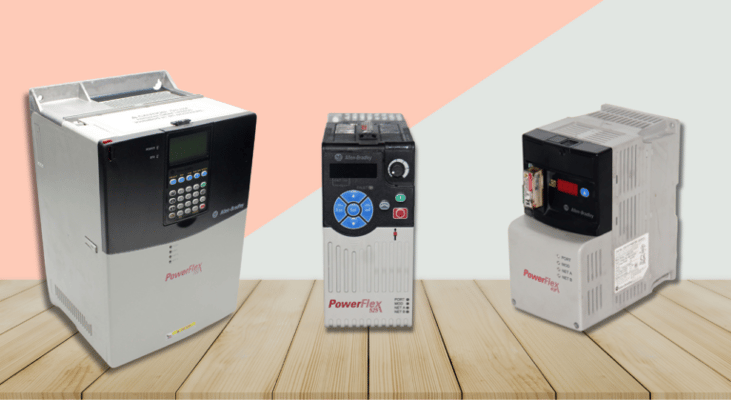
As a leader in industrial automation, Rockwell Automation, under the Allen-Bradley brand, is one of the most recognized names in the field, offering a full line of industrial automation solutions and Variable Frequency Drives (VFDs) suited for various industrial applications. The Rockwell Automation PowerFlex family of VFDs showcases innovative, flexible, and high-performing products. As such, this article will cover the PowerFlex VFDs, which come in three main product categories: Low Voltage VFDs, Medium Voltage VFDs, and DC Drives. The PowerFlex family of Low Voltage VFDs is designed with flexibility in mind to provide a wide variety of control modes, features, options, packaging, global voltages, and power ranges. This agile portfolio is designed to ensure that operations stay connected while enhancing productivity. The Low Voltage VFDs are divided into three sub-categories: Standard VFDs, Compact VFDs, and On-Machine Drives. Shop for PowerFlex 753 Drives Here The PowerFlex 755TS...
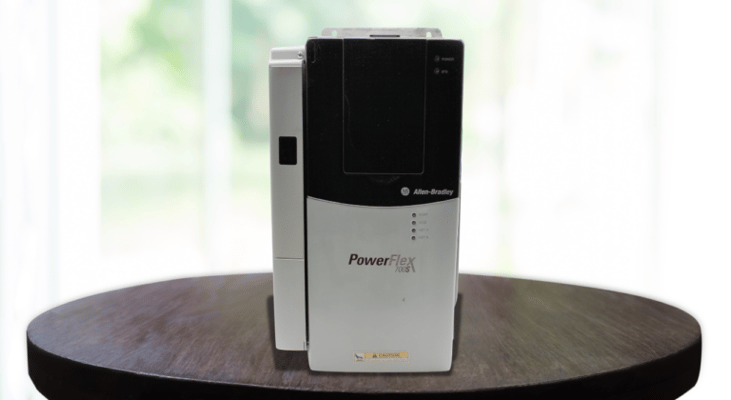
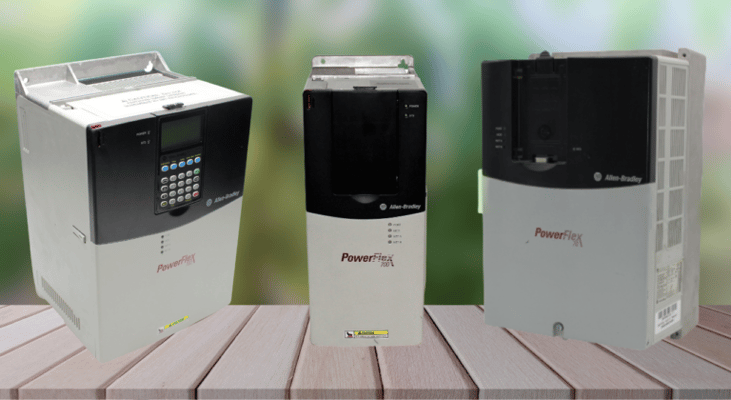
With most of the present-day industries adopting advanced industrial automation technologies, selecting the right Variable Frequency Drive (VFD) or AC drive for a given application is critical. A well-matched AC drive helps improve system performance, reduce power consumption, minimize unplanned downtime, and extend the service life of the equipment. The Rockwell Automation PowerFlex Series offers a wide variety of flexible, reliable, and user-friendly AC drives designed to control AC motors in a range of industrial automation applications. In this article, we’ll compare the PowerFlex 700H vs PowerFlex 700S AC drives, focusing on their key features, motor control capabilities, application suitability, power ratings, communication options, and safety features. Understanding these aspects will help you determine which of the two PowerFlex AC drive series is ideal for your specific motor control needs. The Allen-Bradley PowerFlex 700H AC drives are designed for automation applications...
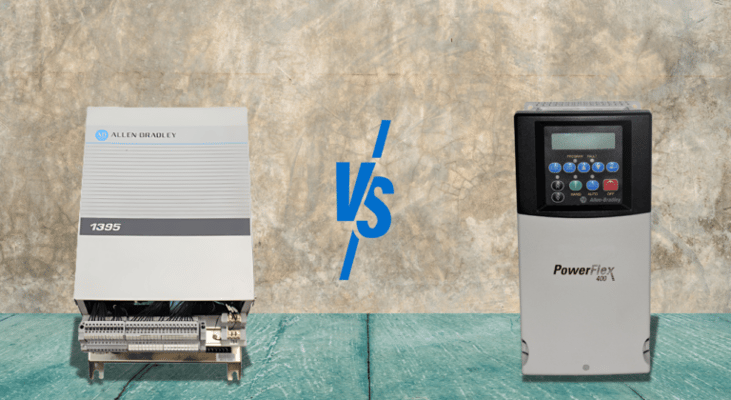
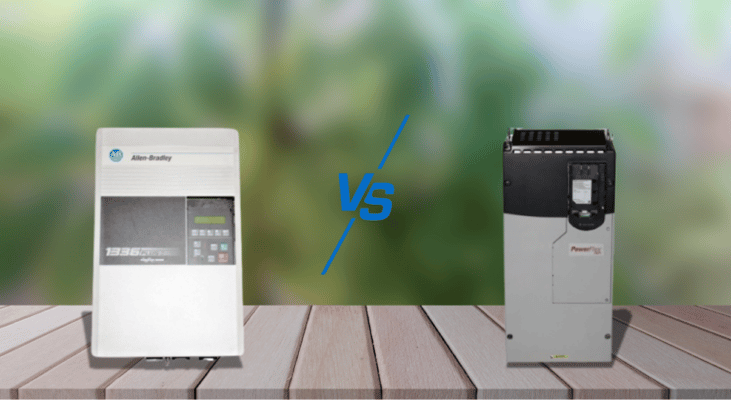
When deciding between the 1336 Plus II and PowerFlex series for industrial drive upgrades, understanding the specific needs of your application is crucial. The 1336 Plus II offers a reliable, cost-effective solution for updating legacy systems, providing robust performance in existing setups with minimal disruption. On the other hand, the PowerFlex series is designed for modern, high-tech industrial environments, featuring advanced control, communication, and safety features that cater to the demands of automation, scalability, and smart manufacturing. This article compares their voltage range, control capabilities, communication protocols, safety features, and environmental characteristics, helping industries determine whether to opt for a legacy drive or invest in future-ready solutions for industrial applications. System requirements, compatibility, and long-term efficiency all play a role in the decision between the PowerFlex and 1336 Plus II series when thinking about upgrading...
Allen Bradley is one of the big players in the market when it comes to industrial automation. They offer a big number of drives, each of which is tailored for specific applications. One of these offerings is the Liquiflo drive. This article walks you through the technical specifications of the Liquiflo drives as to what makes this drive different, or similar to other Allen Bradley drives. Technical specifications of any drive can be broken down into various subsections. Each of which can be separately examined for comparison with other drives or one’s needs. For Liquiflo drives features are focused on precision and reliability. We will be focusing on the original Reliance Electric LiquiFlo drives, not the LiquiFlo 2.0. Shop for Allen-Bradley Drives Here The Liquiflo drives have a maximum AC line distribution system capacity of as much as 85,000 amps symmetrical fault current for 460 VAC units. However, in cases where circuit breakers are used in place of fuses, the short circuit...
The choice between smart motor controllers and traditional starters is becoming increasingly clear in today’s industrial landscape. While traditional starters primarily serve to start and stop motors, smart motor controllers offer advanced features that enhance motor performance, energy efficiency, and overall system health. These controllers are equipped with integrated communication, real-time monitoring, voltage protection, adaptive control, fault logging, and remote firmware updates, providing far superior capabilities compared to conventional starters. By continuously analyzing and optimizing motor performance, smart motor controllers help prevent costly downtime, extend equipment life, and improve energy management. So why should we go smart? Shop PowerFlex 40 Series Drives Here Smart motor controllers with remote firmware updates offer a technical advantage over conventional starters, which are not upgradeable and frequently need human maintenance. Conventional starters are...
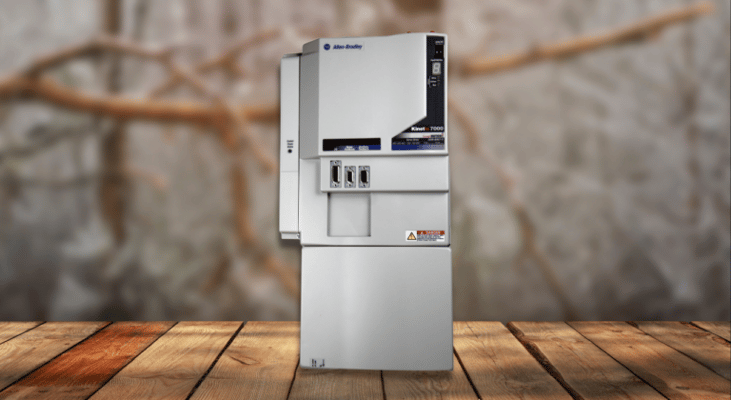
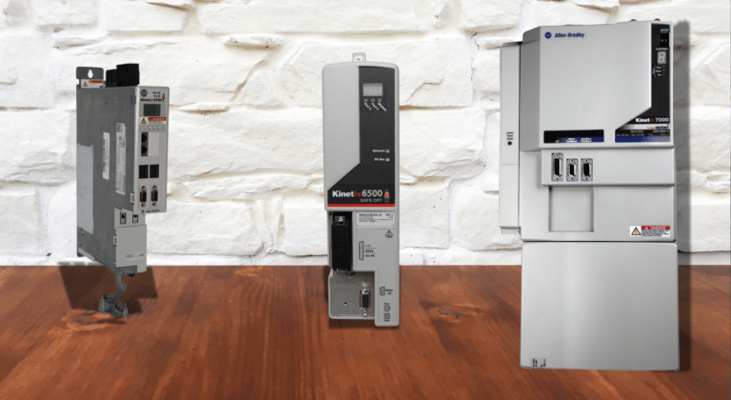
The Kinetix 7000 servo drives from Allen-Bradley stand out in industrial automation due to their exceptional power, performance, and integration capabilities, particularly in high-power, single-axis applications. Compared to competitors like Siemens’ SINAMICS S120 and Allen-Bradley’s own Kinetix 6000 , the Kinetix 7000 excels in several key areas, including motor compatibility, control dynamics, communication integration, and safety features. This article explores what makes the Kinetix 7000 the ideal choice for industries requiring high-speed, high-torque motion control. It also examines how it compares to other series regarding flexibility and overall system performance. Allen-Bradley’s Kinetix 7000 servo drive’s power and voltage capabilities set it apart from other models, such as the Siemens SINAMICS S120 and Kinetix 6000, making it an excellent option for high-demand applications. Conveyors, presses, and heavy machinery are just a few of the challenging industrial settings where...
Precise control over motion is an inexcusable requirement for countless modern industries. The use of servo drives for industrial automation meets this requirement. Allen Bradley, a global leader in automation solutions, offers a number of servo drives for various industries. These include everything from single-axis solutions to multi-axis scalability. This is a 101 guide for various Allen-Bradley servo drives. With industrial processes becoming more intricate, the demand for efficient and flexible motion control is skyrocketing. Multi-axis servo drives simplify these complexities by taking care of the machine design, diagnostics, and energy consumption. Easy integration and scalability tools are some other offerings that enhance overall productivity. The integration with Logix controllers results in elevated, centralized control and real-time data exchange. This synergy also supports predictive maintenance and smart manufacturing initiatives, which gives a competitive edge in the...
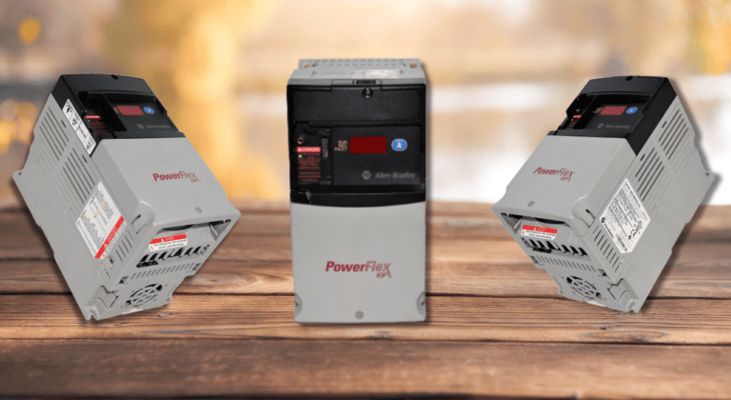
The Allen-Bradley PowerFlex 40P series offers a cost-effective and versatile solution for various industrial applications, delivering reliable performance across various power and voltage requirements. With options for both small and medium-scale operations, the series supports flexible input/output capabilities, advanced communication features, and energy-efficient performance. Its robust design, environmental adaptability, and comprehensive control abilities make it an ideal choice for diverse applications, from basic motor control to complex system integrations. This article explores the key features of the PowerFlex 40P series, highlighting its scalability, reliability, and affordability for industrial environments. We will also discuss some of the example modules at the end. Shop PowerFlex 40P Series Drives Here The PowerFlex 40P series is an affordable solution for various industrial requirements since it offers flexible power options across several voltage classes. Its...
The PowerFlex 7 series from Allen-Bradley offers a diverse range of drives designed to meet varying industrial automation and control needs. This article explores the PowerFlex 700 , 700S , 70 , 750 , 755 , 753 , and 700H models’ key features, power configurations, programming software, temperature ranges, control topologies, and communication protocols. Each model in the PowerFlex 7 series is tailored for different applications, from heavy-duty industrial environments to more compact, low-power operations. By comparing the specifications and capabilities across these models, the article provides a clear understanding for a person who wants to utilize this product line. Shop for PowerFlex 755 Series Drives Here Various voltage choices catered to various industrial demands are available in the PowerFlex architecture-7 product line. For heavy-duty applications, the PowerFlex 700H has the maximum voltage capacity, supporting up to 2400 HP with outputs up to 690V AC. With a maximum...