4 Reasons Why Every Factory Needs a Soft Starter

Picture this: It’s a Monday morning, and your alarm screams to life at full volume to slap you awake instantly. Rather than starting your morning abruptly and off to a bad start, gradually increasing the volume of that alarm clock will mitigate that sudden jolt of stress. This same principle works with soft starters, though instead of waking up for work, it’s protecting a motor from a sudden surge of power. This not only extends the life of your equipment but also enhances operational efficiency. Though soft starters are not a one-trick pony, they offer quite a lot of benefits that can improve your automation processes. Here are the top 4 reasons why you need a soft starter for your industrial application.
What is a Soft Starter?
Before diving head first into why you should consider purchasing one of these devices, it’s best to know what they are and how they operate.
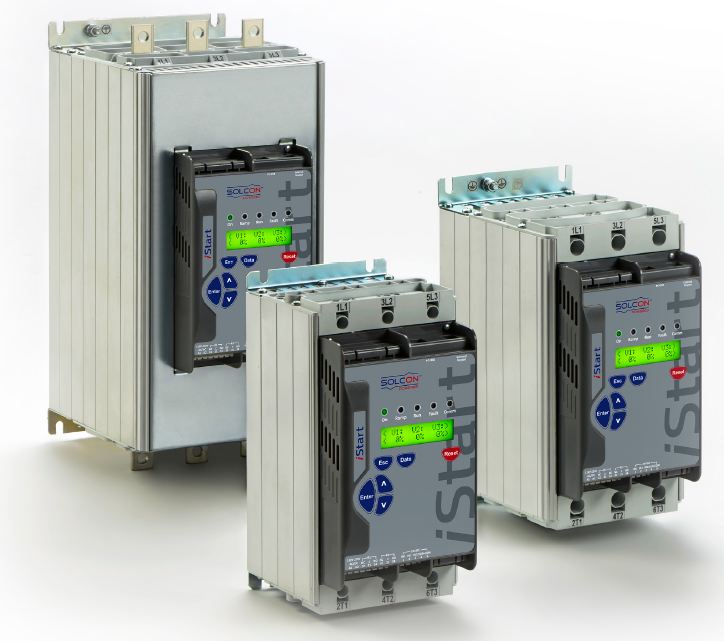
A soft starter is an electrical device used with AC motors to reduce the load and torque during startup. It is essentially a controller that helps manage the initial surge of current, ensuring a smooth and gradual increase in motor speed. Unlike traditional starters, which can cause a sudden rush of power that may lead to mechanical stress and electrical issues, soft starters provide a controlled voltage ramp-up.
Initial Voltage Control
When an AC motor starts, it requires a high amount of current, known as inrush current. A soft starter mitigates this by initially supplying a lower voltage to the motor. This reduced voltage limits the inrush current, preventing the high electrical stress typically seen during direct starts. By controlling the initial voltage, the soft starter helps protect both the motor and the electrical network from potential damage and undue wear and tear.
Ramp-Up Process
After the initial voltage is applied, the soft starter gradually increases the voltage over a set period. This ramp-up period can be adjusted based on the motor’s requirements and the specific application. The gradual increase in voltage allows the motor to gain speed smoothly, reducing mechanical stress on the system. This controlled acceleration is crucial for applications where a sudden startup could lead to mechanical failure or operational issues.
Phase Angle Control
Soft starters use a method called phase angle control to manage the voltage supplied to the motor. This technique involves adjusting the point in the AC power cycle at which the voltage is applied to the motor. By finely tuning this phase angle, the soft starter can ensure that the voltage increases in a controlled manner. This precise control over the voltage not only protects the motor but also enhances its performance and efficiency during startup.
Bypassing and Steady-State Operation
Once the motor reaches its operating speed, the soft starter typically employs a bypass mechanism. This bypass allows the motor to receive full voltage directly from the power supply, bypassing the soft starter components. This transition ensures that the motor operates at maximum efficiency during steady-state operation while the soft starter remains ready to control the next startup sequence. This combination of controlled startup and efficient steady-state operation makes soft starters an essential tool for managing motor-driven systems.
Now that the foundation is laid, we can discuss why soft starters should be implemented in factories worldwide.
1: Improve Motor Performance
Soft starters significantly enhance motor performance through various mechanisms that ensure smooth operation and extend the lifespan of the motor. Key aspects of this improvement include reducing inrush current, preserving motor components, and providing protection from irregular loads.
Reducing Inrush Current
One of the primary benefits of a soft starter is its ability to reduce inrush current during motor startup. Inrush current refers to the initial surge of electrical current that flows into the motor when it is first turned on. This sudden influx can be several times higher than the motor’s normal operating current, leading to potential damage and unnecessary wear on the motor windings and other components. Soft starters address this issue by gradually increasing the voltage supplied to the motor. This controlled ramp-up reduces the inrush current to manageable levels, minimizing the risk of electrical and mechanical stress. Consequently, the motor experiences a smoother startup, which translates into improved overall performance and reliability.
Preserving Motor Components
The reduction in mechanical stress during startup has a direct impact on the preservation of motor components. Traditional direct-on-line starters subject the motor to abrupt torque and speed changes, which can cause significant wear and tear on bearings, gears, and other mechanical parts. By contrast, soft starters allow for a gradual increase in speed and torque, ensuring that the motor components are not subjected to sudden shocks. This gentle acceleration helps maintain the integrity of the motor’s internal parts, reducing the frequency of maintenance and repairs. Over time, this leads to a longer operational life for the motor, providing substantial cost savings and reducing downtime for maintenance.
Protection from Irregular Loads
Motors often encounter irregular loads that can cause fluctuations in performance and potentially lead to damage. Soft starters offer protection against these irregular loads by maintaining a controlled and steady increase in motor speed and torque. This capability is particularly beneficial in applications where load conditions vary significantly, such as conveyor systems, pumps, and fans. Soft starters help prevent sudden load changes from causing operational disruptions or damage by ensuring that the motor accelerates smoothly even under varying load conditions. This protection ensures consistent performance and enhances the reliability of the entire system.
Enhanced Operational Control
In addition to the primary benefits, soft starters provide enhanced operational control that further improves motor performance. Many soft starters come equipped with advanced features such as adjustable start and stop times, current limit settings, and diagnostic capabilities. These features allow operators to fine-tune the motor’s startup and operational parameters to match the specific requirements of their applications. For instance, adjustable start and stop times can be set to ensure that the motor accelerates and decelerates at optimal rates, preventing unnecessary stress on the system. Current limit settings can be used to protect the motor from overcurrent situations, adding an extra layer of safety and reliability.
2: Reduced Energy Consumption
Soft starters play a vital role in enhancing energy efficiency in motor-driven systems. They achieve this through several mechanisms, including reducing heat generation, minimizing power consumption when full power is not required, saving on operational costs, and contributing to ecological sustainability.
Reducing Heat Generation
One of the significant ways soft starters contribute to energy efficiency is by reducing heat generation during motor startup. Traditional starters can cause a substantial inrush current, producing excessive heat in motor windings and associated components. This heat represents wasted energy and places additional stress on the motor, potentially shortening its lifespan. Soft starters mitigate this issue by gradually ramping up the voltage, ensuring a controlled and smooth increase in motor speed. This process significantly reduces the initial current surge, leading to lower heat generation and more efficient energy use/
Minimizing Power Consumption
Soft starters are designed to minimize power consumption by providing only the necessary amount of power required during different phases of motor operation. During startup, the gradual increase in voltage means that the motor only draws the power it needs to reach its operating speed, avoiding the excessive power draw associated with direct-on-line starters. Furthermore, many soft starters have features that allow for the reduction of power during periods of lower demand. For instance, in applications where the motor does not need to run at full capacity continuously, the soft starter can adjust the power supply to match the actual load requirements. This adaptability ensures that energy is not wasted, leading to more efficient operations.
Saving on Operational Costs
The energy efficiency provided by soft starters translates directly into cost savings. By reducing the initial surge of power and optimizing energy use during operation, companies can lower their electricity bills. Over time, these savings can be substantial, particularly in industrial settings where multiple motors are in use. Additionally, the reduced wear and tear on motor components due to lower heat generation and mechanical stress means that maintenance and repair costs are also minimized. The combination of lower energy costs and reduced maintenance expenses makes soft starters a financially sound investment.
Ecological Benefits
The ecological benefits of using soft starters are an increasingly important consideration for companies looking to enhance their sustainability efforts. By improving energy efficiency, soft starters help reduce the overall carbon footprint of motor operations. Lower energy consumption means fewer greenhouse gas emissions from power plants, particularly if the electricity is generated from fossil fuels. Moreover, the reduced need for frequent maintenance and component replacements leads to less industrial waste. These ecological benefits align with global sustainability goals and can enhance a company’s reputation as an environmentally responsible organization.
3: Increase Productivity
Soft starters are instrumental in enhancing productivity within industrial operations. By reducing downtime, optimizing motor performance, and ensuring smoother operations, they contribute to a more efficient and reliable production process.
Reducing Downtime
One of the most significant ways soft starters increase productivity is by reducing downtime. Motors that start abruptly with traditional starters are prone to frequent mechanical failures and electrical issues. These problems often result in unexpected downtime, disrupting production schedules and leading to costly delays. Soft starters mitigate these risks by providing a controlled and gradual increase in motor speed, which minimizes mechanical stress and reduces the likelihood of failures. This reliability ensures that production lines can operate continuously without interruption, maintaining consistent output and meeting deadlines more effectively.
Improving Process Control
Soft starters contribute to increased productivity by providing better control over the motor’s startup and operational parameters. Many soft starters offer adjustable settings that allow operators to fine-tune the startup process to match the specific needs of their application. This level of control ensures that motors start in a manner that is most conducive to the operational requirements, reducing the risk of errors and inefficiencies. Improved process control helps maintain optimal production speeds and reduces the likelihood of operational hiccups, ensuring a smooth and uninterrupted workflow.
Beneficial Applications
Soft starters are beneficial across a wide range of industrial systems, each with unique requirements and challenges. Here are a few examples of how soft starters can enhance productivity in specific applications:
- Conveyor Systems: In industries such as manufacturing and logistics, conveyor systems are critical for moving materials efficiently. Soft starters ensure smooth acceleration and deceleration of conveyor motors, reducing the risk of mechanical jams and maintaining consistent flow, which boosts overall productivity.
- Pumping Stations: In water treatment, mining, and agriculture, pumps are essential for moving liquids and slurries. Soft starters protect pumps from sudden pressure surges and cavitation by providing gradual motor startup, which extends pump life and reduces maintenance needs, ensuring continuous operation.
- HVAC Systems: Heating, ventilation, and air conditioning systems in large buildings and industrial facilities benefit from soft starters by avoiding sudden electrical and mechanical stress on fans and compressors. This leads to more reliable climate control and lower energy consumption.
- Crushing and Milling Equipment: In the mining and materials processing industries, crushers and mills are subject to high starting torques and loads. Soft starters provide controlled acceleration, reducing wear on equipment and minimizing the risk of breakdowns, which helps maintain steady production rates.
- Industrial Mixers: In food processing, pharmaceuticals, and chemical manufacturing, mixers must start and stop smoothly to avoid damaging sensitive products and equipment. Soft starters ensure gentle operation, improving product quality and reducing downtime.

4: Space Savings
Finally, soft starters offer significant benefits beyond enhancing motor performance and energy efficiency; they also contribute to space savings in industrial settings. By requiring less physical space for installation, these devices help optimize the layout and functionality of production environments.
Compact Design
Soft starters are designed with a compact form factor that allows them to fit into tighter spaces compared to traditional motor starters. This compact design is particularly advantageous in facilities where space is at a premium. By taking up less room in control panels and electrical enclosures, soft starters enable better utilization of available space, allowing for more streamlined and organized setups. This efficient use of space can be critical in maximizing a facility’s operational capacity.
Simplified Installation
The smaller size and modular design of soft starters simplify the installation process. They can be easily integrated into existing systems without the need for extensive modifications or additional infrastructure. This ease of installation not only saves physical space but also reduces installation time and labor costs. In many cases, soft starters can be installed directly onto the motor or in close proximity, further reducing the need for long cable runs and additional mounting hardware. This streamlined installation contributes to a more efficient and cost-effective setup.
Enhanced Layout Flexibility
The reduced footprint of soft starters provides greater flexibility in designing and arranging control rooms and electrical panels. With more space available, engineers and technicians can optimize the layout for better accessibility and maintenance. This flexibility is particularly beneficial in complex industrial environments where multiple pieces of equipment need to be organized efficiently. The ability to fit more control equipment into a smaller area can also lead to reduced building costs and more efficient use of overall plant space.
Integration with Advanced Control Systems
Many soft starters are designed to integrate seamlessly with advanced control systems and automation solutions. Their compact size and modular nature make them ideal for use in modern, automated facilities where space efficiency and integration capabilities are crucial. By incorporating soft starters into these systems, companies can achieve a higher level of automation and control without sacrificing valuable space. This integration supports the implementation of Industry 4.0 principles, promoting smarter and more efficient production processes.
Soft Starters to Consider
Now that we know why soft starters are quite sought after, we can begin looking at a selection from the many models out there. Among the top choices are Allen-Bradley products, which are known for their innovation and performance. Here are some of the best soft starters available in the market:
Allen-Bradley Soft Starters
Allen-Bradley, a brand of Rockwell Automation, is renowned for its reliable and high-performance industrial automation products. Their soft starters are no exception, offering a range of features that enhance motor performance and efficiency.
- SMC-3 Smart Motor Controllers: The Allen-Bradley SMC-3 series provides basic soft start and stop functions with compact design and easy installation. These controllers are ideal for applications where space is limited, and cost-efficiency is essential. The SMC-3 series supports a range of motor protection features, ensuring safe and reliable operation.
- SMC-50 Smart Motor Controllers: For more advanced applications, the SMC-50 series offers comprehensive motor control solutions. These controllers feature adjustable starting and stopping profiles, built-in diagnostics, and communication capabilities. The SMC-50 series is designed to handle demanding industrial environments, providing robust performance and enhanced motor protection.
- SMC Flex Soft Starters: The SMC Flex series combines flexibility and advanced functionality, supporting various motor control and protection options. These soft starters are equipped with multiple starting and stopping modes, extensive diagnostic capabilities, and seamless integration with industrial networks. The SMC Flex series is suitable for a wide range of applications, from simple to complex motor control requirements.
Siemens Soft Starters
Siemens is another leading manufacturer known for its innovative and reliable industrial solutions. Their soft starters are designed to provide efficient motor control and protection.
- 3RW30 Basic Soft Starters: Siemens 3RW30 series offers a cost-effective solution for basic motor control applications. These soft starters provide smooth motor starts and stops, reducing mechanical stress and extending motor lifespan. The compact design and easy integration make them an excellent choice for various industrial settings.
- 3RW40 Advanced Soft Starters: For more demanding applications, the 3RW40 series delivers advanced motor control and protection features. These soft starters support adjustable starting and stopping times, comprehensive diagnostics, and overload protection. The 3RW40 series is ideal for applications that require precise motor control and enhanced safety.
Schneider Electric Soft Starters
Schneider Electric is a global leader in energy management and automation. It offers a wide range of soft starters designed to improve motor performance and efficiency.
- Altistart 01 Soft Starters: The Altistart 01 series is designed for simple and cost-effective motor control. These soft starters provide reliable performance with easy installation and minimal maintenance. The Altistart 01 series is suitable for small to medium-sized motors, making it ideal for a variety of industrial applications.
- Altistart 48 Soft Starters: For more advanced motor control needs, the Altistart 48 series offers a comprehensive range of features. These soft starters support various starting and stopping modes, motor protection functions, and communication options. The Altistart 48 series is designed to handle complex motor control requirements, providing robust performance and reliability.
Final Thoughts
Clearly, soft starters are useful not only in factory applications but also in environments that require smooth motor operation. Companies can ensure smooth and reliable motor operations by investing in high-quality soft starters from reputable manufacturers such as Allen-Bradley, Siemens, and Schneider Electric.
DO Supply Inc. makes no representations as to the completeness, validity, correctness, suitability, or accuracy of any information on this website and will not be liable for any delays, omissions, or errors in this information or any losses, injuries, or damages arising from its display or use. All the information on this website is provided on an "as-is" basis. It is the reader's responsibility to verify their own facts.