Maintenance Tips to Extend the Lifespan of Your Servo Drives
Ever feel like your industrial servo drives have a secret pact to explode right when you need them most? Well, maybe not explode, but you’re not alone. It’s almost as if they know the exact moment when a breakdown will cause maximum chaos. But here’s the good news: extending the lifespan of these vital components isn’t reserved for those with a PhD in engineering or a magical toolbox. With some practical steps, you can keep your servo drives running smoothly and avoid those untimely surprises.
So, whether you’re a seasoned engineer who’s wrestled with more servo drives than you’d care to admit, or a novice just stepping into the world of industrial machinery, there’s something here for you.
Understanding the Basics
Before we start diving into all the ways you can keep your servo drive running smoothly for years, it’s worth taking a moment to understand what you’re working with. After all, you wouldn’t expect to perform surgery without knowing your way around a scalpel, right? While servo drives are far less terrifying than surgery (unless you’re the one doing the fixing), getting familiar with the basics will help make the following tips even more effective.
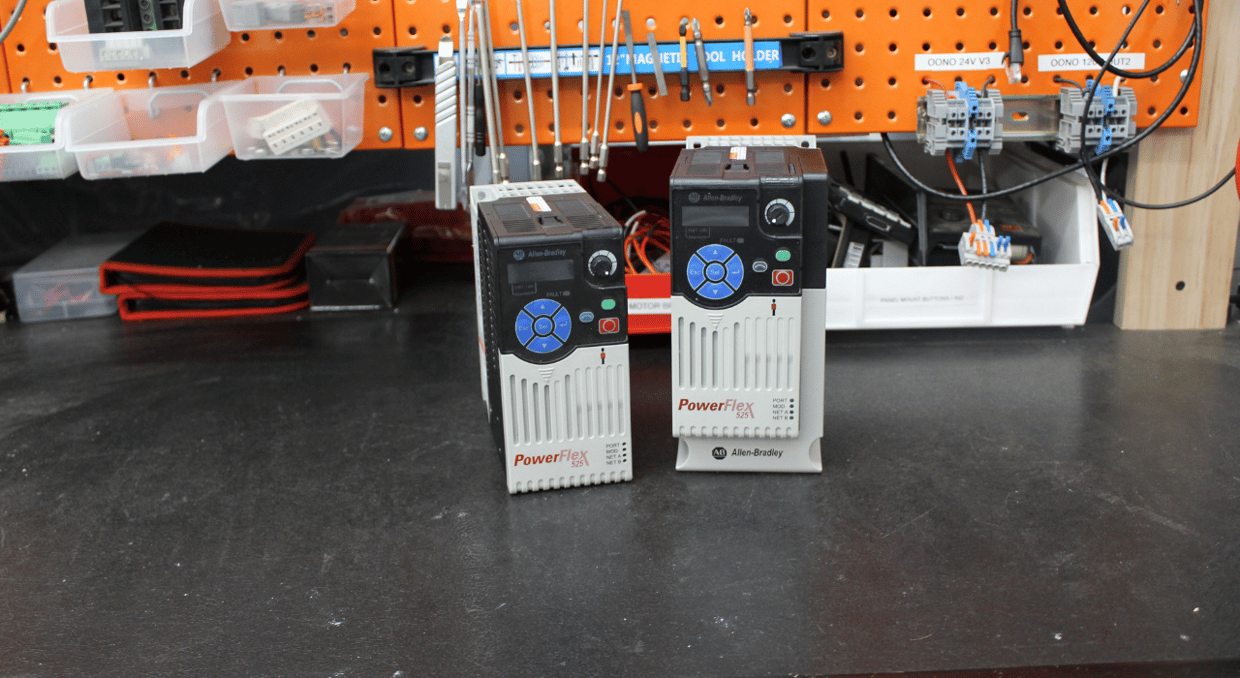
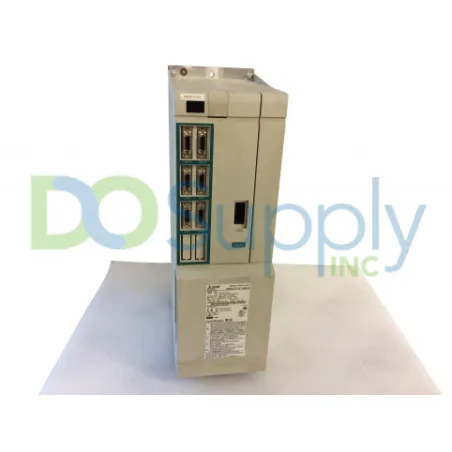
So, what exactly is a servo drive, and why does it matter so much? Simply put, the servo drive is the brains behind your servo motor. It takes input signals from a control system and translates them into precise movement, controlling torque, speed, and position. Imagine trying to steer a car without power steering, that’s what a servo motor would feel like without its drive. While the motor gets all the glory for turning gears and moving components, the drive is working tirelessly in the background, making sure everything moves exactly how it’s supposed to. We do offer quite an extensive range of drives here at DOsupply.com, from Allen Bradley to Mitsubishi. Feel free to check them out here!
A typical servo drive consists of power electronics, control circuits, feedback systems, and various sensors. All these components work in harmony to ensure that the motor does exactly what you need, with pinpoint accuracy and efficiency. And while modern servo drives are designed to withstand a good deal of wear and tear, like any piece of machinery, they benefit from regular TLC.
Now that we’ve given the run down on servo drives, let’s talk about how to keep it in optimal shape. First up is the silent killer that’s often overlooked until it’s too late: heat.
Temperature Control
If there’s one thing that can sneak up on your servo drive like a ninja in the night, it’s heat. It’s quiet, it’s relentless, and if you don’t keep it in check, it will slowly sap the life out of your equipment. Heat is often the number one culprit behind early servo drive failures, and while your drive is built to handle high temperatures to a degree, pushing those limits can reduce its lifespan significantly.
Let’s talk numbers: according to studies on electronics reliability, every 10°C increase in operating temperature can cut the lifespan of electronic components in half. Now, that’s not exactly a stat you want to see when you’re running high-performance machinery. Heat wears down components, breaks down insulation, and can lead to thermal runaway, which is essentially your system heating itself into oblivion.
But what causes your servo drive to overheat? More often than not, it’s a combination of poor ventilation, dirty filters, high ambient temperatures, or simply overworking the drive. Servo drives are designed with a maximum operating temperature range and running them too hot too often can shorten their life span without you even realizing it.
How to Keep Your Drive Cool
- Ventilation is key: Make sure your servo drive is installed in a well-ventilated area. Crowded control cabinets and poor airflow will trap heat, turning your drive into a miniature oven.
- Clean those filters: Dust and debris clogging up your cooling system are just as bad as putting a blanket over a radiator. Regular cleaning of air filters and fans will keep airflow unrestricted.
- Watch the ambient temperature: Keep the surrounding environment within the recommended temperature range. If your plant floor runs hot, invest in cooling solutions like external fans or HVAC systems to regulate the heat.
- Heat sinks and thermal management: Consider installing heat sinks or improving the thermal management of your system to help dissipate heat more effectively.
By being mindful of temperature, you’re not just extending the life of your servo drive but also keeping performance levels high and preventing costly downtime.
Routine Maintenance and Inspection
If there’s one thing that can give you an edge in the battle for your servo drive’s longevity, it’s consistent, routine maintenance. We all know that machinery, like people, tends to perform better when it’s cared for. So, when it comes to keeping your servo drive in fighting shape, sweating the small stuff can pay off big time.
Most servo drives are built to last, but that doesn’t mean they’re invincible. Over time, dust accumulates, connections loosen, and components wear down. Ignoring these seemingly minor issues may not cause immediate failure, but it’ll slowly chip away at your drive’s performance, and before you know it, you’re dealing with an avoidable breakdown.
Routine inspections will help you spot any potential problems before they escalate. For instance, loose wiring connections can lead to intermittent power issues or even short circuits, while dust build-up inside the drive can cause overheating or even block airflow entirely.
Key Maintenance Practices
- Inspect wiring connections: Over time, vibrations or regular use can cause terminals to loosen, leading to poor electrical contact. Periodically check for loose or frayed wires and tighten connections to prevent energy loss or malfunction.
- Keep things clean: Dust and dirt can accumulate on heat sinks, fans, and other components. A quick cleaning every few months can prevent dust from becoming a heat trap.
- Check for worn components: Things like capacitors, resistors, and other internal parts can degrade over time. Regular inspections will help you catch any signs of wear, such as discolored or leaking components, before they cause bigger problems.
- Monitor for abnormal noises or smells: Your servo drive should be running quietly and efficiently. Strange sounds or burning smells are red flags that something’s wrong internally, and early detection is crucial to preventing a breakdown.
Establishing a routine inspection schedule helps to spot problems early. It’s far better to deal with a loose wire than a complete motor failure because you didn’t take the time to check it out.
Vibration Management
When you think of things that shorten a servo drive’s lifespan, vibration might not be the first thing that comes to mind. Yet, it’s one of those subtle, slow-burning issues that can wreak havoc on your drive if left unchecked. Think of it like the persistent tap of a leaky faucet: it might not seem like a big deal at first, but given enough time, that vibration can shake your system into early retirement.
Vibration typically comes from several sources: misalignment in the mechanical components, an unbalanced load, or even poor installation of the servo drive itself. These small tremors can cause wear on internal components, loosen connections, and ultimately reduce both performance and lifespan.
Why Vibration Matters
- Component Fatigue: Excessive vibration puts undue stress on the electronic components within the drive, leading to fatigue and eventual failure. Capacitors, for instance, are particularly sensitive to this.
- Loosening of Connections: Over time, even a small amount of vibration can cause screws and connectors to loosen, creating intermittent faults or total disconnection.
- Bearing Damage: If the drive is connected to a motor with bearings, excessive vibration can wear down the bearings faster, causing motor failure and placing additional strain on the drive.
How to Keep Vibration in Check
- Align components properly: Misalignment is one of the most common causes of vibration. Make sure shafts, motors, and drives are all perfectly aligned during installation. Even small misalignments can create significant vibration over time.
- Use vibration dampeners: Installing vibration-damping mounts or pads under your servo drive can help absorb some of the vibrations from the environment or connected machinery, reducing their impact on the drive.
- Ensure a stable installation: Make sure the drive is securely mounted and that no external forces (like nearby equipment) are creating additional vibrations.
- Balance your loads: If your system has rotating elements, ensure that they are properly balanced. An unbalanced load can introduce cyclical forces that will rattle both your motor and servo drive.
Managing vibration is often about preventing long-term damage rather than fixing immediate problems. It’s one of those things that, when caught early, saves a world of trouble down the line.
Power Supply Stability
Just like your morning coffee needs a steady drip from the machine to get it right, your servo drive needs a stable, clean power supply to operate at its best. And let’s be honest: power surges, dips, or noisy electricity aren’t just annoying, they can seriously mess with your equipment. When it comes to servo drives, unstable power can cause all sorts of issues, from minor performance blips to catastrophic failures that’ll have you wishing you’d invested in better protection.
Servo drives, by design, require a consistent and reliable source of power. Voltage fluctuations, power surges, or even harmonic distortion can lead to overheating, component damage, or, worst of all, drive failure.
With a few well-placed protections, you can safeguard your drives from the unpredictable nature of industrial power grids. Speaking of which, we carry some products that can do just that.
Keeping Power Clean with the Right Tools
One of the most reliable ways to protect your servo drive is by installing a high-quality power filter or line reactor. For instance, Allen Bradley offers the 160-B110NBD, a line reactor specifically designed to help filter out electrical noise and protect your drives from power fluctuations. This kind of tool acts as a buffer between your servo drive and the potentially erratic power source, reducing the chance of damage.
In addition to line reactors, surge protection is critical. The Allen Bradley 1492-SPM1D060 surge protector can help guard against sudden spikes in voltage that could fry sensitive components in your drive. Surge protection is often the unsung hero of power management, preventing damage you might not even realize is happening until it’s too late.
Practical Tips for Power Supply Stability
- Use a line reactor: Install a line reactor, such as the Allen Bradley 160-B110NBD, to smooth out voltage spikes and minimize harmonic distortion that can wreak havoc on sensitive components.
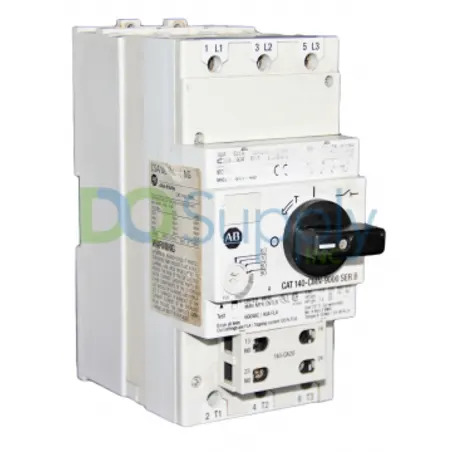
- Surge protection is key: Add a surge protection device, like the Allen Bradley 140-CMN-9000 to shield your drives from unpredictable power spikes.
- Stable power supply: Ensure that your drives are connected to a stable power source. If you’re dealing with an unpredictable grid, consider using uninterruptible power supplies (UPS) to maintain steady voltage, especially in critical applications.
- Proper grounding: Don’t overlook the importance of grounding. A poorly grounded system can introduce electrical noise that disrupts your servo drive’s performance.
By implementing these safeguards, you’re not just protecting the drive; you’re also boosting performance and preventing costly downtime.
Final Thoughts
At the end of the day, your servo drive is like any other hardworking part of your system, it thrives on care and attention. While it may not demand constant praise or regular standing ovations, keeping it running smoothly is a team effort between you and the machine.
The goal here is simple: give your drive what it needs to stay cool, shake off the vibrations, and operate with clean power, and it’ll reward you with years of reliable service. After all, isn’t it better to take a little extra time today to prevent a costly breakdown tomorrow?
Keep your servo drives running like new with the right care and tools. At DO Supply, we offer expert advice, top-tier products, and the support you need to maintain your industrial equipment. From line reactors and surge protectors to a full range of servo drives, we’ve got what it takes to keep your operations smooth and reliable. Visit DO Supply today and let us help you maximize your uptime and peace of mind. If you would like to keep reading, we think that you will enjoy this article next.
DO Supply Inc. makes no representations as to the completeness, validity, correctness, suitability, or accuracy of any information on this website and will not be liable for any delays, omissions, or errors in this information or any losses, injuries, or damages arising from its display or use. All the information on this website is provided on an "as-is" basis. It is the reader's responsibility to verify their own facts.