Allen-Bradley Drive Failures: Most Common Issues and How to Prevent Them
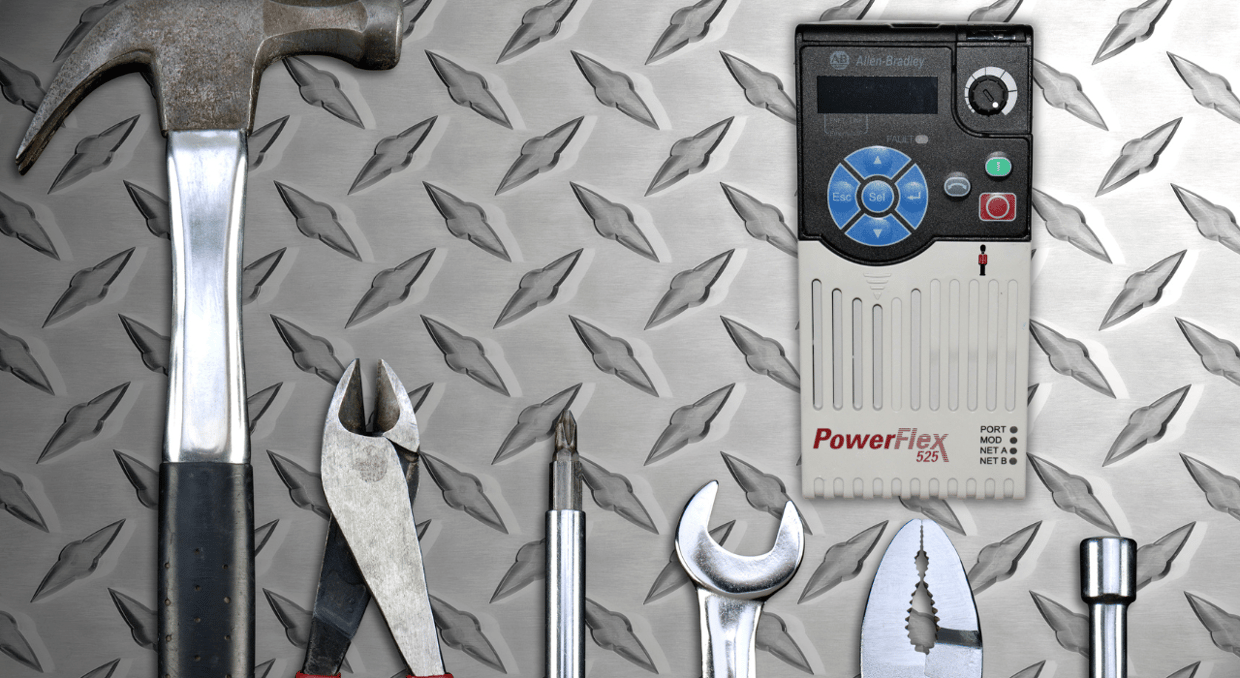
Allen-Bradley Drives play a critical role in modern automation by improving efficiency, controlling motor performance, and reducing energy costs. However, like all advanced equipment, they are susceptible to faults if not properly maintained or configured. Common issues range from overvoltage and ground faults to communication errors and thermal derating. Each of these faults can disrupt production, damage equipment, or compromise safety if left unchecked. Fortunately, with the right preventive measures and strict adherence to manufacturer guidelines, most problems can be minimized or avoided entirely. Allen-Bradley drives, widely trusted across industries, provide built-in protections and diagnostic tools, but their effectiveness depends heavily on proper installation, monitoring, and maintenance practices. Let’s take a look at some of the most common issues and how to prevent them from showing up.
Overvoltage Faults and How To Overcome Them
Overvoltage faults typically occur when the DC bus voltage exceeds safe limits due to regenerative energy during motor deceleration. Dynamic braking resistors and line reactors are often used to manage this excess energy effectively. Careful adjustment of deceleration ramps and load inertia settings within the software can also prevent repeated trips. Monitoring input line voltage ensures that fluctuations do not trigger nuisance shutdowns. Regular inspections and preventive measures help extend drive life while improving operational safety. Allen-Bradley recommends these practices to reduce overvoltage risks, and many industries trust Allen-Bradley solutions for reliable drive performance.
To prevent overvoltage faults, operators should install dynamic braking resistors or regenerative units to handle excess energy. Allen-Bradley offers configuration settings that help tune deceleration ramps for safe operation. By regularly inspecting input power quality and following Allen-Bradley guidelines, plants can minimize nuisance trips and enhance drive longevity.
Ground Fault Detection and Proper Grounding Practices
Ground faults happen when current leaks to ground due to damaged insulation or wiring errors. The Allen-Bradley drives feature protective detection circuits that shut down the drive before damage occurs. To reduce the risk, users should install shielded cables and follow proper grounding practices in all installations. Regular insulation resistance tests and inspections of motor leads make it easier to identify potential breakdowns early. During servicing, isolating drive inputs and outputs further reduces hazards. In its drives, Allen-Bradley includes advanced detection technologies for safe operation, and technicians working with Allen-Bradley drives can rely on clear guidelines to minimize downtime.
Proper installation methods, such as using shielded cables and adhering to grounding standards, are one of the best ways to keep ground faults away. Allen-Bradley documentation clearly outlines safe grounding methods. By incorporating insulation testing and following Allen-Bradley recommendations, operators can ensure reliable protection against leakage currents.
Combating Motor Phase Loss with Connection Inspections
Phase loss occurs when one motor phase is disconnected or presents excessive resistance, creating unbalanced currents. The Allen-Bradley Drives are equipped to detect this fault quickly and shut down to protect the motor. Preventive measures include tightening all terminal connections and using approved motor cabling that meets electrical standards. Thermal imaging and torque checks provide early warning of loose or corroded connections that could lead to phase imbalance. Configuring fault responses also helps reduce production delays. Allen-Bradley drives are engineered to detect such issues rapidly, and Allen-Bradley advises consistent inspections to ensure long-term reliability.
Routine inspection of terminal connections is highly encouraged to help with this. Allen-Bradley recommends torque checks to ensure proper electrical contact. Engineers can prevent costly interruptions by monitoring connections with thermal imaging and adhering to Allen-Bradley’s standards.
Encoder Feedback Errors and Shielding Practices
Servo performance relies heavily on accurate encoder feedback, and any errors can disrupt precise motion control. Misalignment, electrical interference, or damaged cables are common sources of error in encoder systems. Many Allen-Bradley drives include diagnostic tools allowing operators to quickly identify feedback issues. Shielded twisted-pair cabling, proper grounding, and differential signaling greatly reduce susceptibility to noise. Regular calibration and mechanical inspections maintain accuracy for critical operations. Allen-Bradley provides configuration settings to optimize resolution, while maintenance teams using Allen-Bradley systems rely on these tools to achieve consistent precision and dependable servo motion control.
Shielded cables, proper grounding, and regular calibration protect encoder systems from errors. Allen-Bradley advises mechanical alignment checks to maintain servo accuracy. By implementing these practices and using Allen-Bradley’s diagnostic tools, operators can sustain reliable motion performance.
Communication Timeouts in EtherNet/IP Networks
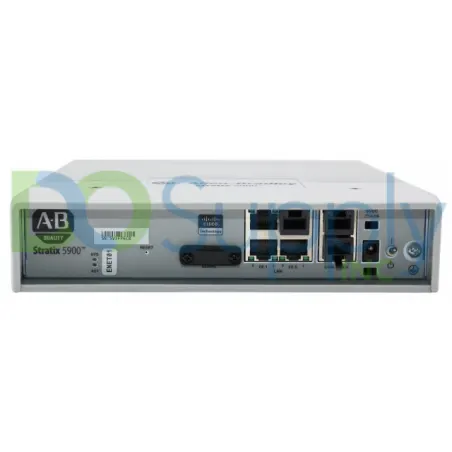
Drives operating on EtherNet/IP networks depend on effective communication with controllers. Timeouts can occur due to congestion, poor cabling, or misconfigured IP settings. Managed switches with IGMP snooping reduce traffic and improve network stability, while proper RPI settings ensure timely data exchange. Firmware compatibility across devices also helps prevent conflicts and dropped packets. Diagnostic utilities allow operators to trace bottlenecks and improve system performance. Allen-Bradley recommends strict adherence to network design best practices, and engineers deploying Allen-Bradley devices can rely on consistent communication across industrial automation environments.
Implementing managed switches, monitoring IP settings, and maintaining firmware compatibility reduces communication errors. Allen-Bradley provides guidelines for EtherNet/IP performance tuning. Following Allen-Bradley’s network design recommendations ensures reliable drive-to-controller communication.
Preventing Drive Overload Conditions with Motor and System Matching
Overload occurs when the drive delivers current beyond its safe limits for an extended period, often due to mechanical binding or incorrect motor sizing. Many AB (Allen-Bradley) drives include built-in thermal models that monitor operating conditions and trigger protective trips when necessary. Auto-tuning functions ensure the drive matches the connected motor correctly. Routine inspection of mechanical systems prevents unnecessary stress on the drive. Fault history logs provide valuable data to identify recurring problems. Allen-Bradley offers features to protect against overload risks, and operators using Allen-Bradley equipment benefit from enhanced durability and efficiency.
Proper motor sizing and mechanical system inspection prevent overload trips. Allen-Bradley advises using auto-tuning functions to optimize drive-to-motor matching. By analyzing fault history within Allen-Bradley systems, operators can quickly identify recurring overload patterns.
Mitigating Parameter Corruption with Backups
Parameter corruption may occur when a configuration is interrupted by power loss or firmware conflicts. Several series of AB drives support backup and restore functions that allow quick recovery in such events. Using surge protection equipment and isolating drives during electrical work reduces the chance of corruption. Allen-Bradley provides clear tools for managing parameter integrity, while maintenance teams handling Allen-Bradley drives rely on these safeguards to avoid downtime and maintain operational stability.
Maintaining backups and documenting parameter changes reduces downtime during corruption events. Allen-Bradley offers tools for safe parameter storage and recovery. Applying surge protection and following Allen-Bradley update procedures prevents corruption risks.
Correcting Input Phase Imbalance
Phase imbalance results when supply voltages are unequal across input lines, causing overheating and reduced drive efficiency. Almost all Allen-Bradley drives can detect such imbalances and may derate performance or shut down. Regular voltage checks, wire tightness inspection, and transformer inspections are crucial to maintaining balanced supply conditions. Line reactors or isolation transformers help smooth input fluctuations and protect sensitive electronics. Logging input voltage trends can reveal recurring issues in upstream equipment. Consistent monitoring reduces the likelihood of major failures. Allen-Bradley advises corrective actions for sustained balance, and users of Allen-Bradley drives depend on this guidance for reliability.
Routine supply checks and transformer inspections maintain voltage balance. Allen-Bradley suggests using line reactors to protect electronics from imbalances. Following Allen-Bradley recommendations ensures stable drive performance.
EMI Interference in Allen-Bradley ArmorStart Drives:
Electromagnetic interference can disrupt signals, feedback loops, and network communication. ArmorStart drives are vulnerable in environments with poor cable shielding and improper routing. Best practices include shielded cables, ferrite cores, and adherence to grounding standards that eliminate loops. Fiber-optic communication provides an alternative in high-noise conditions. Routine EMI testing ensures compliance with industrial standards and minimizes disruptions. Isolating sensitive circuits during installation prevents additional interference. Allen-Bradley recommends following strict guidelines to control EMI, and engineers integrating Allen-Bradley solutions apply these practices to achieve dependable performance in noisy industrial areas.
Shielding, grounding, and EMI testing maintain signal integrity. Allen-Bradley suggests ferrite cores and fiber optics for noise-prone areas. Adhering to Allen-Bradley’s EMI guidelines ensures reliable network performance.
PID Loop Instability and Tuning
PID loops are widely used for process control applications such as speed, pressure, or temperature regulation. Poorly tuned settings can cause instability, resulting in oscillations or tripped drives. Advanced models feature autotune and simulation functions that simplify setup. Accurate sensors and proper scaling are essential to stable loop performance. Reviewing tuning parameters regularly helps maintain smooth operation. Filtering feedback signals reduces process noise. Allen-Bradley provides built-in PID optimization tools, and technicians deploying Allen-Bradley drives trust in these features to maintain control stability in dynamic industrial environments.
Accurate sensor scaling and feedback filtering maintain PID stability. Allen-Bradley autotune functions simplify adjustments for reliable performance. Operators reduce oscillations and trips by using Allen-Bradley tuning tools.
Extinguishing Thermal Derating with Ventilation and Spacing
When ambient heat levels rise beyond safe limits, thermal derating reduces drive output capacity. Compact models are particularly sensitive to airflow restrictions. Ensuring proper spacing, avoiding installation near heat sources, and adding external cooling fans helps maintain capacity. Drive diagnostics monitor internal temperature and issue warnings before performance is reduced. Operators should also perform regular cleaning of ventilation paths. Preventing excess heat ensures reliable operation and minimizes derating impacts. Allen-Bradley publishes clear derating curves for reference, and users of Allen-Bradley drives rely on these standards to optimize thermal performance.
Adequate spacing, airflow management, and cooling fans minimize derating effects. Allen-Bradley provides thermal derating curves for installation reference. Following Allen-Bradley ventilation standards helps sustain safe drive output.
Final Thoughts
In conclusion, Allen-Bradley drives deliver reliable performance when properly applied, maintained, and protected against common faults. Operators can extend equipment life and reduce downtime by addressing issues such as overvoltage, grounding, communication errors, and thermal stress. Consistently following Allen-Bradley guidelines ensures safe, efficient, and long-lasting drive operation in industrial environments.
While there are many different ways drives can fail or have issue, we at DO Supply offer a repair service to make sure your drives are back to excellent operating condition. We also have a large selection of VFDs available to ship out same day, all backed by our two year warranty. So come stop by and see what we have today or check in with our repair team to get your damaged equipment squared away! If you would like to learn more about how to protect your drives, we have an article on AC drive harmonics here!
DO Supply Inc. makes no representations as to the completeness, validity, correctness, suitability, or accuracy of any information on this website and will not be liable for any delays, omissions, or errors in this information or any losses, injuries, or damages arising from its display or use. All the information on this website is provided on an "as-is" basis. It is the reader's responsibility to verify their own facts.