What Happens When a PLC Brand Discontinues a Product Line?
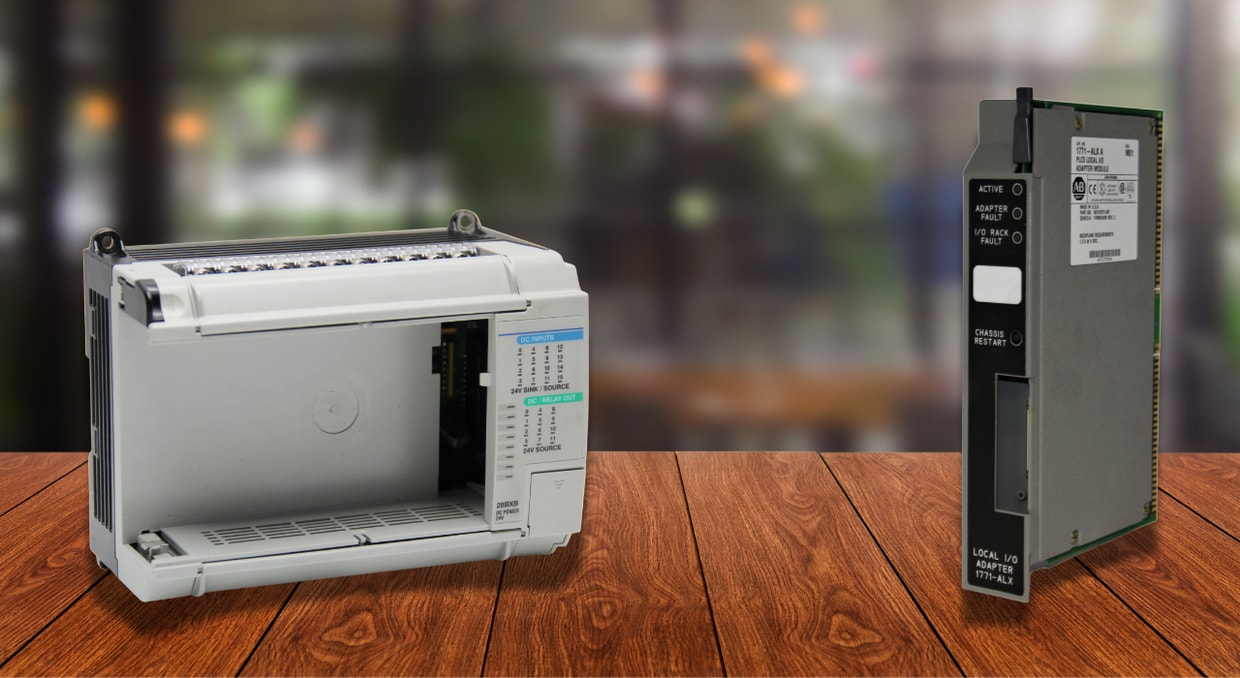
When a PLC product you rely on to keep your operations running is discontinued, it brings a special kind of unease. Sure, the PLCs won’t quit working that night, but the uncertainty begins to creep in. Will the entire system need to be upgraded? How long will replacement parts be available? Do firmware updates still happen? And what does “end of support” actually mean for a machine that still runs every day?
While a discontinued PLC line isn’t ideal, it also isn’t an end-all to a system currently running its hardware. In fact, with larger brands, it’s a lot less of a headache. Today, we are going to go over why that is, what you can do in this situation, and how you can prepare for the inevitable.
What “Discontinued” Actually Means
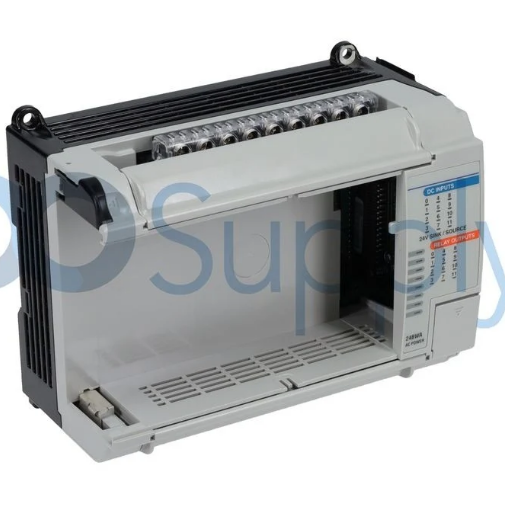
When a PLC brand discontinues a product line, it does not mean that your system is suddenly obsolete or unsafe to run. In most cases, when a PLC brand’s discontinuation is a formal lifecycle milestone rather than a complete emergency shutdown.
When a PLC brand discontinues its product line, it typically means:
- New units are no longer being manufactured
- The product enters a defined support window
- Firmware development slows or stops
- Official replacement recommendations begin
Because of this, you won’t be able to buy brand-new hardware directly from the OEM, but third-party retailers, such as us here at DO Supply, might have exactly what you need in new, open-box, or used but tested condition.
Thankfully, most PLC brands will continue their technical support, documentation access, and repair services for a set number of years after discontinuation. Though expect to be steered to a new product line designed to take over.
And What it Doesn’t
It’s easy to get caught up in the negatives when it comes to anything that threatens your livelihood. Thankfully, we have some misconceptions to clear up:
- Your PLC does not stop functioning
- You are not forced into an immediate upgrade
- Spare parts won’t vanish overnight
You can rest assured that there will be no shutdown or malicious downgrade to your system overnight due to the line being discontinued. In fact, many factories still use discontinued systems well after their date.
Post Discontinuation Support
Support doesn’t completely disappear when a PLC brand discontinues its line, but it does change how it’s delivered. During this period:
- Phone, chat, and email support are usually still available
- Existing forums, FAQs, manuals, and troubleshooting guides remain accessible
- Engineers can usually help with configuration, faults, and known issues
- Support teams stop testing new faults
Repair Services
Repair and exchange services often stay, but they come with a few caveats:
- OEM repair services may continue for a limited time after discontinuation
- Repairs are usually limited to component-level fixes using remaining stock
- Turnaround times can increase as parts become harder to source
As time passes, manufacturers may officially end their repair services, making third-party repair providers, such as us here at DO Supply, critical to keeping legacy systems going.
Documentation
Documentation, as one would expect, will usually stop being updated by the PLC brand. Manuals, wiring diagrams, and programming references are typically archived instead of deleted. Firmware files and configuration tools may stop receiving updates but remain downloadable. The concern here is not that the documentation will vanish, but that it might become increasingly hard to find; though downloading it to a flash drive is a pretty easy task to prevent future headaches.
When a Legacy PLC Becomes a Liability
Keeping a system running with discontinued PLCs doesn’t become a problem because it’s old. In fact, in many facilities, older controllers are among the most reliable pieces of equipment on the floor. Though the shift to them becoming a liability doesn’t come from their performance.
Indicators to Look Out For
There are a few indicators that maintaining a legacy PLC is no longer a cost-saving decision, but an operational risk:
- Replacement parts are unavailable
- Repair options are limited
- Internal expertise is shrinking
- Integration becomes difficult
- Downtime costs outweigh upgrade costs
When the spare parts pool dries up, the experience retires, repair options run out, and the increasing risk of downtime looms overhead, it might just be time to bite the bullet and upgrade. This becomes increasingly true as the system expands, output increases, and the downtime repair cost exceeds the cost of replacing the discontinued PLCs. Thankfully, PLC brands tend to make switching easy by providing guides and documentation.
Planning a Controlled Upgrade
When a PLC brand decides to discontinue the product you use every day, scheduling an upgrade doesn’t have to be painful. A forced upgrade happens after a failure, under pressure, with limited options. A controlled upgrade happens on your terms, with planning, testing, and budget alignment.
What a Controlled Upgrade Looks Like
Migrating to a new PLC system doesn’t mean ripping out all the hardware in one go; rather, it means understanding what actually needs to change and what can stay. Some helpful tips are:
- Document your existing system while it’s still running
- Secure critical spares ahead of time
- Evaluate your upgrade path instead of assuming
- Test and simulate off the production floor
By doing these, you can save time by having your system fully documented by the time it’s ready to be replaced and by keeping critical spares in case hardware breaks unexpectedly. This helps to create a transition period rather than a sudden change.
Phased Upgrades Reduce Risk
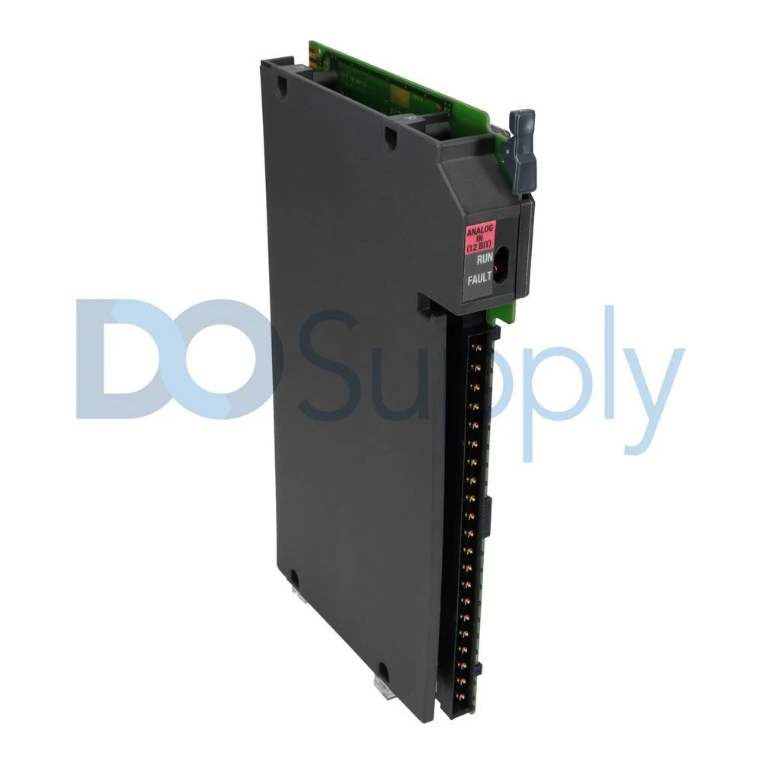
As we mentioned, transitioning to a new system over time rather than all at once makes the process less stressful. In fact, most facilities do not replace everything at once, nor do they need to.
- Controllers can be upgraded while retaining existing I/O
- HMIs and networking can be modernized independently
- Legacy systems can coexist with newer platforms during transition periods
This approach will help spread the cost, minimize downtime, and allow the team to learn about the new system if needed. In the end, the goal shouldn’t be to replace everything as fast as possible, but rather to do it once, correctly, and on your own terms.
Supporting Legacy Hardware instead of Replacing
For many operations, when a PLC brand discontinues its line, it’s not realistic or necessary to upgrade immediately. Instead, finding a reputable source for parts, accessories, and repairs might be the better option. After all, some legacy systems are just pure workhorses, and we can guarantee you will still find older hardware, like Allen-Bradley PLC5s, still running like champs. Though it is necessary to maintain your legacy devices, that’s why we have an article here for those MicroLogix users looking to keep their PLCs running nicely.
Why Third-Party Support Matters
When a PLC brand ceases production of the products you use day in and out, finding a source for parts and accessories will quickly become a necessity. That is exactly where third-party support comes into play. A third-party supplier will typically:
- Repair or replace broken PLCs
- Source replacements and parts
- Test used equipment to sell
- Carry spares in various conditions
What to Look for in a Third-Party Retailer
Not all surplus or repair providers offer the same level of reliability, security, or after-sales support. When picking a third-party supplier, there are some helpful qualities to check for:
- Products should be fully tested, not just visually inspected
- Repairs should include functional verification, not component swaps alone
- Clear warranty coverage should be provided on both repairs and replacement units
- Technical support should be available from people who understand the hardware, not just the SKU
This level of support turns second-source hardware from a gamble into a planning tool.
How We Support Legacy PLC Systems
At DO Supply, we specialize in keeping discontinued and legacy automation running when OEM options are limited or gone. When shopping with us, you can expect:
- Fully tested replacement PLCs and modules for discontinued and current platforms
- Professional repair services backed by functional testing
- Knowledgeable technical support from people who work with legacy systems daily
- A 2-year warranty that provides confidence and stress-free transactions
We don’t stop at legacy hardware or PLCs. We carry current equipment, from drives to HMIs, to pair with your existing or dream system. Give us a call today, and we can help keep your legacy system moving along or modernize it to keep up with the current times.
DO Supply Inc. makes no representations as to the completeness, validity, correctness, suitability, or accuracy of any information on this website and will not be liable for any delays, omissions, or errors in this information or any losses, injuries, or damages arising from its display or use. All the information on this website is provided on an "as-is" basis. It is the reader's responsibility to verify their own facts.