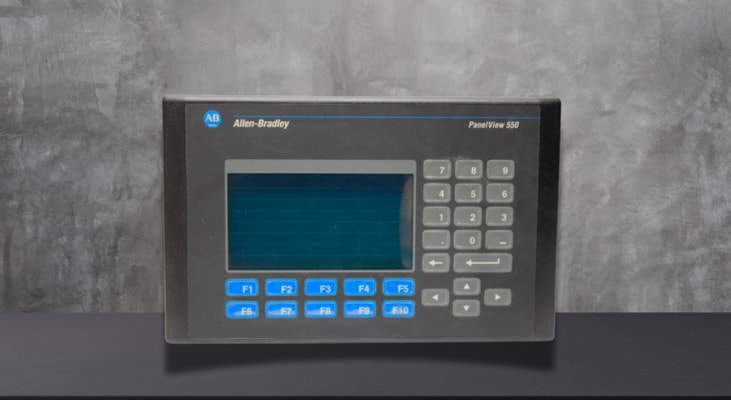
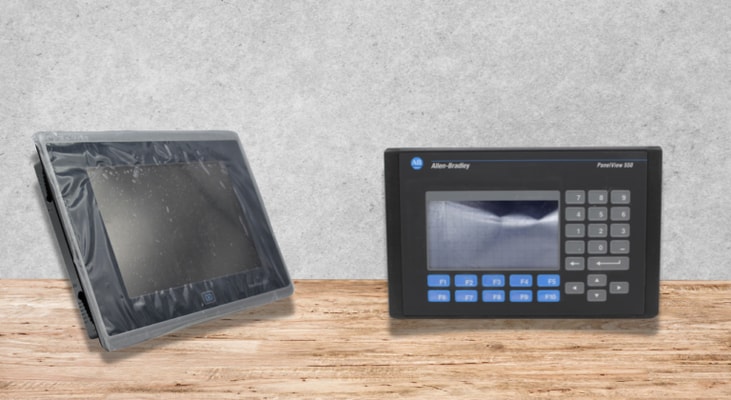
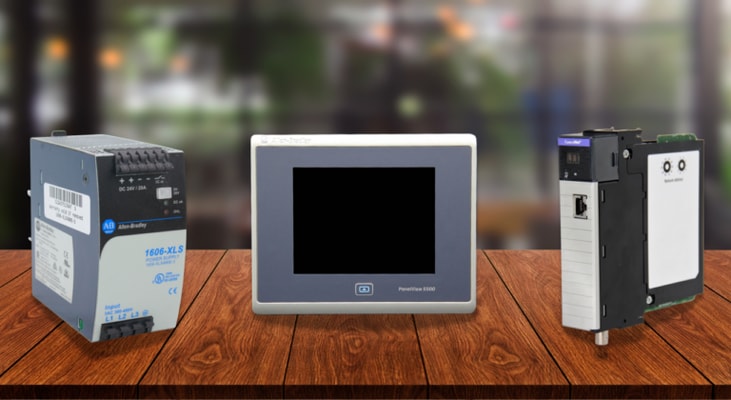
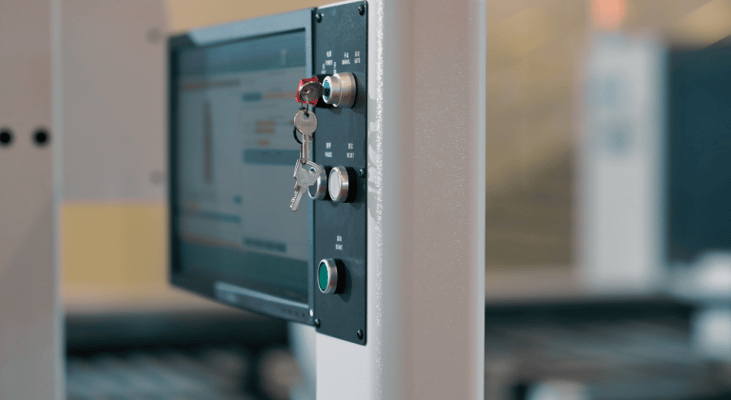
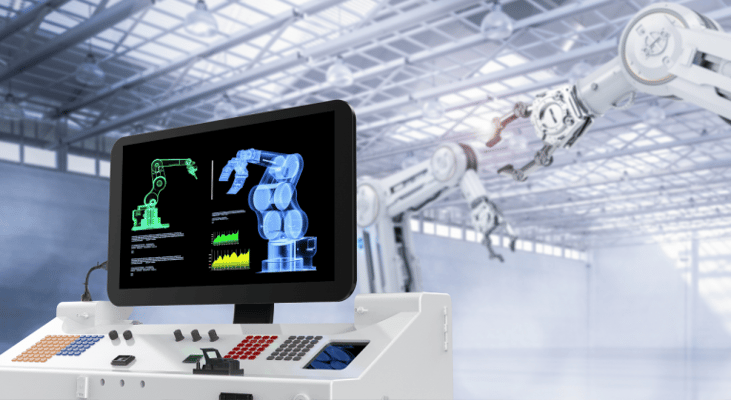
The technical and visual interaction between industrial processes and the operators who are working on them is provided by Human Machine Interfaces (HMIs). HMIs are crucial for maintaining productivity and process reliability because they provide real-time data, alerts, help in control, and diagnostics. However, HMIs always face issues that can significantly shorten their service life if they are not protected in harsh industrial environments, such as manufacturing plants, oil and gas facilities, fertilizer plants, mining sites, water-treatment plants, and outdoor installations. Allen‑Bradley PanelView HMIs, commonly used in industrial automation, serve as a solid reference for understanding both the challenges and optimal approaches to HMI safety. PanelView deployments provide valuable insights into how environmental conditions affect HMIs and which design, installation, and maintenance strategies are most effective. This article examines the environmental hazards affecting HMIs...
One of the core designs of any product, whether it be a video game menu, your phone’s operating system, an HMI, or the laptop used to program it, is its User Interface. The UI, by definition, is the space where interactions between humans and machines occur, and is especially important to get right as it’s what stands between you and the task at hand. If executed poorly, this will lead to user frustration, anger, and reduced willingness to use it. After all, would you still use a phone if you had to jump through five menus every time just to unlock it? Of course not. The same human-centric design principle applies to industrial Human-Machine Interfaces as well. So let’s get into what makes an HMI design great and why it matters to the operator using it! A bad HMI UI design is easier to recognize because it stands out much more. This can lead to operator error, misinterpreted information, or downtime if it is severe enough. Some of the more common poor UI choices for HMIs are: Shop for...
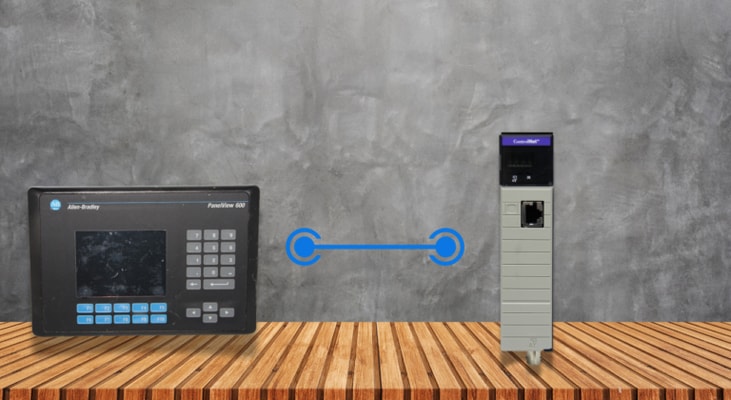
Within industrial automation frameworks, HMIs (Human–Machine Interfaces) serve as the essential link between human operators and the control logic executed by PLCs (Programmable Logic Controllers). Although PLCs handle deterministic, real‑time regulation of equipment and processes, HMIs deliver visual displays, operational command, alarm handling, and system diagnostics. Reliable and sturdy HMI–PLC communication isn’t a matter of chance. It demands thoughtful network layout design, prudent protocol selection, effective tag handling, fine‑tuned update intervals, and solid error‑management techniques. This piece examines tested communication suggestions and best‑practice guidelines that automation engineers can use to achieve lasting stability when linking HMIs and PLCs in industrial settings. HMIs act as the operator‑oriented interface of an automation system. They convert intricate control logic and live process data into user‑friendly graphical displays that operators can readily...
In the architecture of modern industrial automation, the common thread that ties everything together is synchronization. This ensures everything operates in real time. The regular and consistent exchange of data among the main control elements, namely Programmable Logic Controllers (PLCs), Human-Machine Interfaces (HMIs), and motor drives, is the nervous system of any automation system. The communication efficiency of the manufacturing, energy, and transport systems determines their impact on intelligence, safety, and efficiency. This article explains the technical nature of this interaction by examining the role of each device, the language they speak, and the physical and logical paths that must be in place for it to work properly. At the center of any control system is the PLC, which is undoubtedly the brain of the operation. These are computer systems that are designed for industrial use. The main task of these devices is to run logic control and deterministic logic control. The...
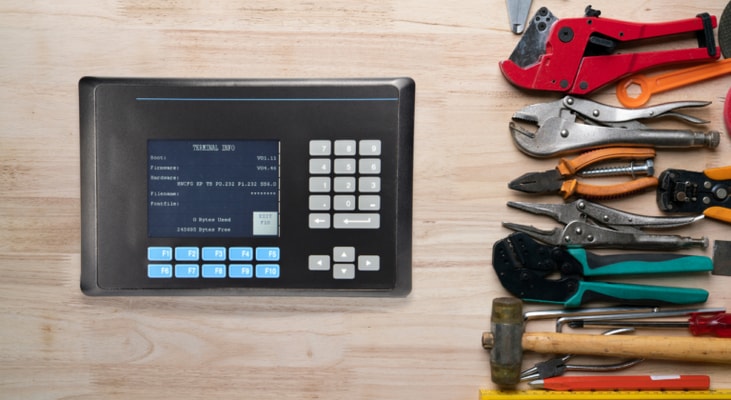
Human-machine interface (HMI) equipment is constantly challenged in industrial settings. Even the most robust components may be affected by dust, temperature changes, electrical noise, and constant use. For operators who rely on Rockwell Automation panel view terminals, a proactive, informed maintenance plan is not merely a suggestion but also a significant factor in ensuring the greatest availability of operational time and the security of a substantial automation investment. This overall manual provides step-by-step technical guidance and best practices to greatly extend the functional life of your PanelView displays, from daily cleaning to end-of-life component maintenance. The main interaction point on every PanelView terminal is the display window, and thus its responsiveness and readability are of paramount importance. A very important though seemingly quite simple maintenance activity is proper cleaning. The wrong method may cause irreparable damage, whereas a responsible...
In industrial automation, few changes have been as apparent or as influential as the evolution of operator interfaces. What started as basic, rugged keypads mounted on control cabinets has grown into robust, networked solutions with dynamic touchscreen Human‑Machine Interfaces (HMIs). These interfaces, including well‑known platforms such as HMIs and PanelViews, have not only altered how operators interact with machines but also reshaped plant‑floor efficiency, safety, and the overall approach to process control. The move from physical buttons to user‑friendly digital interfaces reflects broader tech trends. Nevertheless, industrial settings impose distinct limitations, severe conditions, safety mandates, a demand for uninterrupted operation, and a reluctance to modify mission‑critical systems. Consequently, HMIs and PanelViews have developed slowly but with a highly strategic approach. Now, the progression from keypads to touchscreens illustrates a broader narrative of digital...
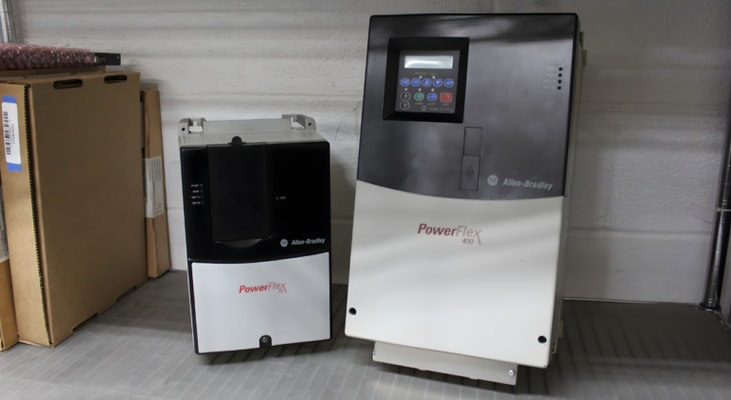
Rockwell Automation offers a comprehensive portfolio of industrial automation products under the Allen-Bradley brand name. The product lines range from motion control solutions, motor drives, power supplies, sensors and switches, Human Machine Interfaces (HMIs), motor controls, circuit and load protection devices, Input/Output (I/O) modules, relays and timers, and safety modules to programmable controllers and networking infrastructure. Allen-Bradley products have a long-standing reputation for robust design, premier integration, exceptional reliability, and advanced features, making them a perfect fit for a wide range of industrial applications. This article features the most commonly used Allen-Bradley products. The Allen-Bradley lineup of PowerFlex Variable Frequency Drives (VFDs)/AC drives provides cutting-edge motor control technology. These drives enable precise control of motor speed and torque, resulting in significant energy savings, reduced mechanical stress, and enhanced...
Allen-Bradley is a renowned brand of industrial automation technologies owned by Rockwell Automation, a company that offers a wide variety of digital transformation and factory automation solutions. The Allen-Bradley product line features a broad portfolio of industrial automation and control products like Human-Machine Interfaces (HMIs), Programmable Logic Controllers (PLCs), sensors, DC drives, Variable Frequency Drives (VFDs), and safety devices. All these products are designed for optimal performance, robust, and reliable operation in harsh industrial settings. They enable real-time system monitoring, precise control over machinery, and improved safety within manufacturing and other industrial environments. The PowerFlex DC drive family is a complete collection of high-performance DC motor control technologies. It includes Allen-Bradley PowerFlex DC field controllers, PowerFlex DC drives, and PowerFlex DC stand-alone regulators (SARs). PowerFlex DC drives provide cost-effective...
Human-machine interface (HMI) devices are tools or interfaces that enable users to interact with electrical, mechanical, and electromechanical systems. They also allow the users to log data and monitor and control systems. HMI devices typically include user interfaces such as touchscreen, control panels, switches, indicators, and other I/O devices. They serve a variety of purposes, including troubleshooting in power distribution, industrial automation, process control, and machinery operation. Beijer Electric QTERM HMI devices offer a suite of advanced features designed to serve various technical purposes in modern industrial environments. This blog aims to share insights on some of these devices’ features. From very compact displays to larger screens, the Beijer QTERM HMI devices line offers a device that meets various requirements. The devices vary in resolution, screen size, and communication capabilities, while some can have additional features suited for certain applications...
Mitsubishi’s A900GOT series brings a new level of interaction and efficiency to the forefront with its versatile lineup of human-machine interfaces (HMIs). Offering models from the streamlined A951GOT-SBD to the feature-rich A9GT-QFNB4M, this series is crafted to meet the nuanced demands of modern operational environments. Each model, including the A951GOT-SBD, A970GOT-LBA, A9GT-FNB, A9GT-FNB1M, A9GT-J71E71-T, A9GT-QBUSS, and A9GT-QFNB4M, stands out for its unique blend of features, making the A900GOT series a pivotal choice for those aiming to boost efficiency and productivity. Mitsubishi A951GOT-SBD The Mitsubishi A951GOT-SBD Input Module is a testament to efficient and versatile control within compact automation solutions. This module, part of the advanced A900GOT series, offers precision and adaptability in managing input functions across various industrial applications. Its compatibility with AC and DC inputs and inclusion in the MELSEC network exemplifies Mitsubishi’s dedication...
Mitsubishi Electric’s GOT2000 series is the evolution of operator control, offering a lineup of advanced human-machine interface (HMI) terminals that cater to a wide array of industrial needs. From the compact and efficient GS2107-WTBD to the expansive and feature-rich GT2510-VTBD, the GOT2000 series provides a range of options to fit any application. With enhanced functionality, superior graphics, and intuitive operation, these HMIs are designed to streamline complex processes and improve user interaction. Each model, including the GS2107-WTBD, GS2110-WTBD, GT2308-VTBD, GT2310-VTBD, GT2505-VTBD, GT2508-VTBD, GT2508-VTBA, and GT2510-VTBD, is crafted to offer exceptional performance and connectivity, bringing seamless integration and effortless control right to the fingertips of operators. Embrace the power of innovation with the GOT2000 series and experience the pinnacle of automation excellence. The Mitsubishi GS2107-WTBD is an integral component for any industrial setting that...
The year 1999 witnessed a significant shift in the world of Human-Machine Interfaces (HMIs) with the introduction of the GOT 1000 series by Mitsubishi Electric. These revolutionary touch-panel HMIs replaced the intricate button layouts of earlier systems with a user-friendly interface. Operators were empowered to monitor and control industrial processes with unprecedented ease and efficiency, thanks to intuitive menu navigation, captivating graphical displays, and data logging capabilities. The GOT 1000 series marked a turning point in HMI development, paving the way for a new era of user-centric interaction in industrial automation. Mitsubishi Electric’s GOT1000 series is a game-changer in the industrial automation industry, offering a competitive edge through its revolutionary control interfaces. This series caters to a wide range of applications with diverse models tailored to specific system requirements and budgets. Renowned for its exceptional speed, performance, and...
The Omron NT series represents a collection of advanced human-machine interfaces that serve critical functions in industrial automation systems. These interfaces are designed to optimize the interaction between operators and complex machinery, ensuring precise and intuitive control. This series includes a range of models, each tailored to meet specific operational needs with robust functionality and reliability at the forefront. The Omron NT series stands out in the industrial automation landscape for its comprehensive range of Human-Machine Interface (HMI) panels. Known for their robust construction, these interfaces are certified to meet international standards, including CE marking for European conformity, UL listing for safety in the US and Canada, and adherence to the IP (Ingress Protection) rating system, ensuring they are safeguarded against various environmental conditions. Reliability and Certification: Certifications: The NT series HMIs have industry-recognized...
Industrial automation is a harmonious symphony where each machine contributes to efficiency and productivity. The human-machine interface (HMI) is at the helm, the maestro directing this mechanical ensemble in real-time. HMIs are our windows into the automated world, translating cryptic machine language into a dialogue we can engage with. The charm of HMI lies in its ability to keep the human element central, even in highly automated settings. Beyond mere operational control, it ventures into safety, data analytics, and adapting to evolving technologies. As we move forward, we’ll uncover the myriad ways HMIs have become indispensable in the story of industrial automation, making it a tale of innovation and human ingenuity. Industrial automation has come a long way since the days of manual control. In the early stages, operators were greeted with basic control panels adorned with push buttons, lights, dial and panel gauges, and first-out annunciators. These were the primitive forms of...
Human Machine Interface, often known as HMI, refers to a dashboard or screen that controls machinery. The industry’s line operators, managers, and supervisors rely on HMIs to translate complex data into useful information. “I-PRESS FORGE Press & Automation Control ” by Sam D. Wilbur is licensed under CC BY-SA 4.0 . The Omron NS Series of Human-Machine Interfaces (HMIs) exemplifies design and build quality excellence. Characterized by a sleek and robust construction, these HMIs prioritize durability, making them well-suited for deployment in challenging industrial environments. These are available in different sizes, 4 to 15 inches, including the versatile handheld NSH Series, all equipped with vibrant color TFT screens. This ensures adaptability to various display requirements and operational settings. The emphasis on connectivity shines through with features like RS-232C, RS-422A, USB Slave and Master, Ethernet, and Controller Link, connecting with other Omron devices and industrial...