We found 67 posts about Technology Insights from DO Supply, a global automation parts
reseller focused on hard-to-find and obsolete industrial automation products.
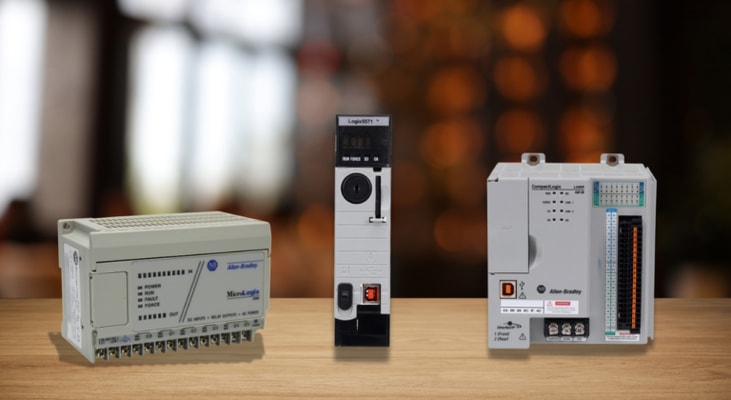
Only a few names have the universal respect and recognition of Allen-Bradley for their reliability, innovation, and solid performance. In a very competitive market, what has made Allen-Bradley PLCs the lasting reference point? It stems from a unique blend of original innovation, a complete and integrated ecosystem, visionary hardware design, and a commitment to fulfilling the industry’s needs. The foresight has allowed Allen-Bradley PLCs to provide industrial control applications uninterrupted to this day, making them the reference point all others are measured against. The historical heritage of Allen-Bradley PLCs would be worthless without a contemporary hardware Portfolio that addresses today’s challenging industrial needs. Rockwell Automation has diversified its products into three separate but cohesive lines of Allen-Bradley PLCs. The ControlLogix family represents the pinnacle of the Allen-Bradley PLC platform. The latest variant, the ControlLogix 5580 (or L8x series), witnesses...
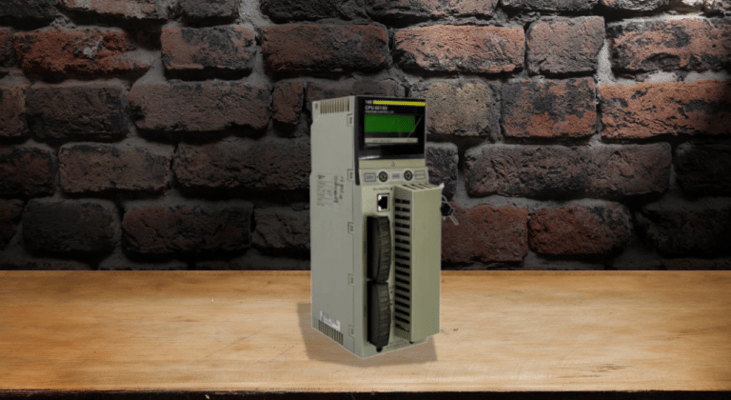
The industrial complex of our world is always evolving, from steamboats and turbines to assembly lines at Ford. We are now at an age where the industry is shifting to a more connected and digital format. Whether AI is being implemented in our systems, the Internet of Things, where everything is controlled via Ethernet or Wi-fi, or having a system where drives can reliably predict the life cycle of the components it controls. Modicon understood this technological shift when they were developing the first PLC. Decades later, they still hold strong under Schneider Electric, boasting a range from HVAC controllers to safety and networking. Let’s take a look at how they’re contributing to the Industry 4.0 movement! Buy Modicon PLCs Here While we did set the stage of a digitized world filled with online computing and AI, the truth of the matter is that without a robust hardware foundation, this new age of technology simply cannot progress. The new silicon quietly running at the edge that...
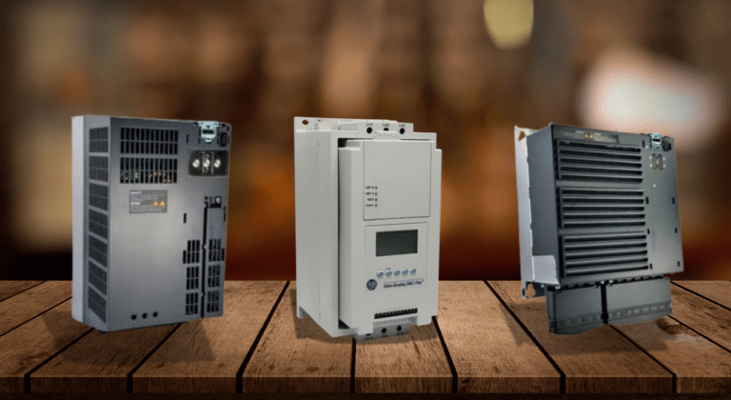
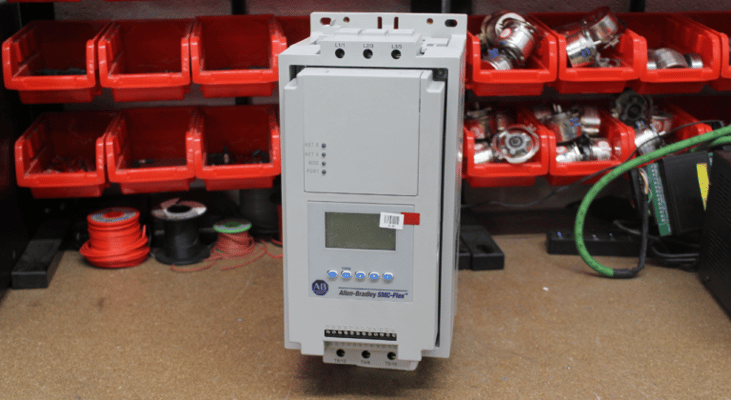
Smart motor controllers (SMCs) are advanced, microprocessor-based soft starters designed to manage and protect AC motors in a variety of industrial applications. They offer a wide array of advanced functionalities beyond solely starting and stopping motors efficiently. These functionalities include comprehensive monitoring, precise speed control, integrated diagnostics, communication and networking capabilities, and advanced motor protection. Prominent smart motor controller brands include Allen-Bradley (from Rockwell Automation), Mitsubishi Electric, Siemens, ABB, Honeywell, Schneider Electric, and Eaton. SMC controllers use diverse operating modes to precisely control motor starting & stopping characteristics, speed, and torque. Common modes of operation include Current Limit Start, Soft Start, Soft Stop, Full Voltage Start, and Selectable Kickstart, alongside specialized control options such as Dual Ramp Start, Preset Slow Speed, Accu-Stop, Smart Motor Braking, Pump Control, and...
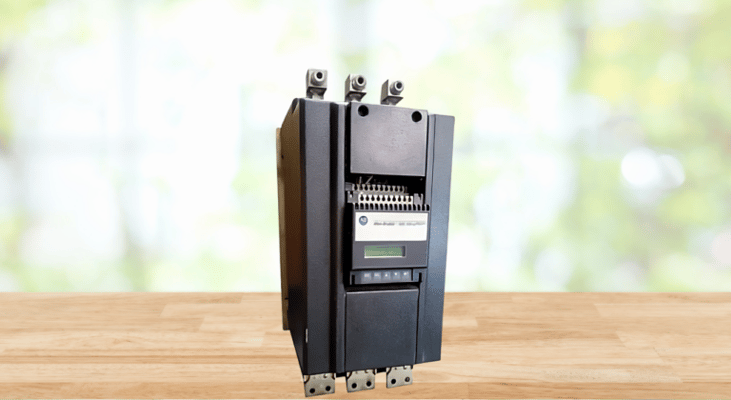
The Allen-Bradley SMC Dialog Plus is an advanced, microprocessor-controlled soft starter designed to monitor, control, and protect three-phase, squirrel-cage AC induction motors with current ratings in the range of 1 to 1000 A(Amperes) and AC input voltage ratings of 200 to 600V at 50 or 60 Hertz. It is essentially a simple and cost-effective motor control solution that’s intended to offer higher productivity, shorter system downtimes, and help minimize costs by reducing wear & tear on equipment as well as the overall system power requirements. Each SMC Dialog Plus motor controller is available with the following modes of operation as standard: Buy SMC Dialog Plus Controllers Here Soft Start Mode: In this mode, the torque of the connected AC induction motor is set to a specific initial value, which is user-modifiable from 0 to 90% of the recommended locked-rotor torque. From the initial torque setting, the output voltage of the SMC Dialog Plus controller to the motor is continuously...
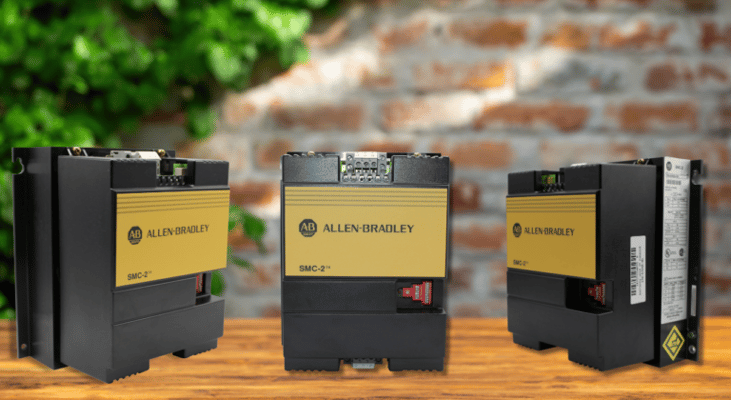
Optimizing motor control is key to reducing costs and improving efficiency in today’s energy-conscious world. The Allen-Bradley SMC-2 series of smart motor controllers offers a versatile, energy-efficient solution for industrial applications. Supporting multiple voltage classes, flexible configurations, and intelligent energy-saving features, the SMC-2 minimizes power waste while ensuring seamless motor performance. With protective modules, advanced starting modes, and compliance with international standards, it enhances both reliability and sustainability. This article explores different features of the SMC-2 series, including models like 150-A05FA, 150-A05NB, and 150-A05JA, simplifies energy savings, and delivers cost-effective motor control solutions. Order Your Next SMC-2 Here Multiple voltage classes, such as 200–230V AC, 380–460V AC, and 500–575V AC, are supported by the SMC-2. Its versatility ensures interoperability with diverse power systems around the globe, making it...
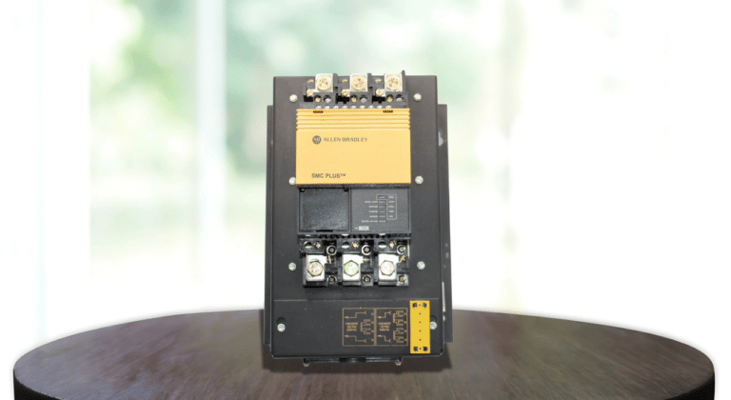
The SMC Plus motor controllers offer advanced features that ensure reliable, energy-efficient, and safe operation across various industrial applications. Designed to meet the demanding requirements of sectors such as mining, petrochemical, food processing, and machine tools, the SMC Plus provides optimal performance in various environmental conditions. With a focus on flexibility, these controllers support multiple starting modes, including Full Voltage, Current Limit, and Soft Start, allowing users to select the best solution for their specific needs. The SMC Plus also incorporates energy-saving capabilities and robust motor protection features to enhance operational efficiency and prolong equipment life. Additionally, its versatile control options, including Soft Stop, Smart Motor Braking, and Pump Control, ensure precise speed management and reliable braking for automation systems. Whether it’s handling high loads, preventing motor damage, or reducing energy consumption, the SMC...
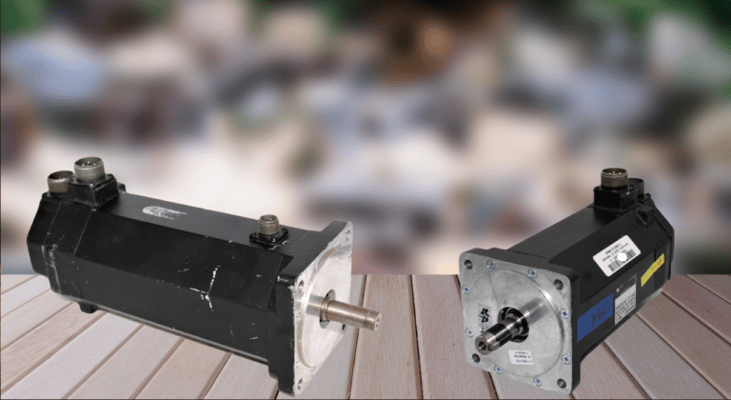
Allen-Bradley servo drives are integral to modern automation systems, offering precision control over motor performance. In this article, we break down the key components inside these drives, detailing their functionalities and technical features. From the Power Supply Unit (PSU), which ensures reliable power conversion and protection, to the Control Board, which handles signal processing and command execution, each element is critical in maintaining performance and reliability. Additionally, we explore the Cooling System, Communication Interfaces, and Protective Mechanisms, which enhance the drive’s efficiency and durability in demanding industrial environments. Understanding these components helps optimize their use in automation applications. In Allen-Bradley servo drives, the Power Supply Unit (PSU) is an essential part that guarantees the dependable operation of the drive and the servo motor it is attached to. It provides the exact electrical energy needed for flawless operation...
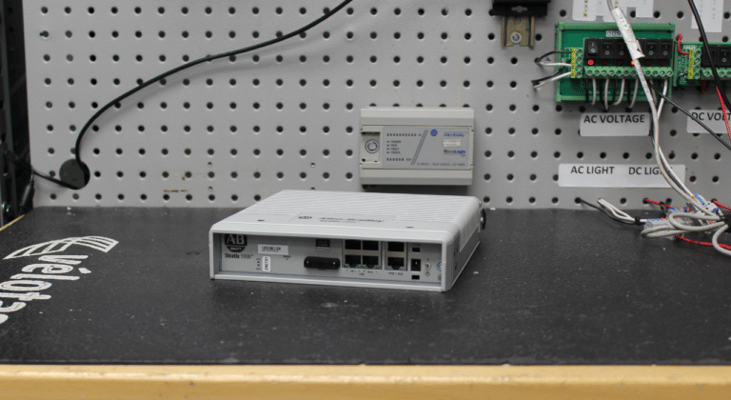
Modern network devices must secure, protect, and ensure operational continuity while simply facilitating the network. Cybersecurity is paramount, even in industrial environments. The Stratix 5900 from Allen-Bradley is one such drive that answers these questions. It is not just another managed switch—it’s a secure and intelligent network device for protecting and optimizing the industrial automation system. This article provides a brief summary of this product’s potential role in industrial networks. The Stratix 5900 is an industrial-grade router for secure and reliable data transmission. The router supports various Ethernet protocols and can bridge or route multiple protocols into local area networks (LANs) and wide area networks (WANs). The device has increased network connectivity with several Fast Ethernet (10/100) and Gigabit Ethernet ports. However, the ultimate selling point of the Stratix 5900 is its emphasis on security. It has integrated VPN (Virtual Private Network) and...
For a guy who swore he’d seen it all, Mark was baffled. His plant ran like clockwork; at least, that’s what he thought. Yet somehow, his energy bills kept climbing, his motors weren’t lasting as long as they should, and maintenance crews were spending more time reacting to breakdowns than preventing them. He’d thrown money at the problem, replacing parts, upgrading motors, and even tightening maintenance schedules, but nothing made a dent. That’s when someone finally asked him: What kind of motor controllers are you using? Turns out, the culprit wasn’t the motors themselves, but the outdated motor controllers running them. Fortunately for Mark, replacing those archaic controllers with more advanced smart motor controllers had extinguished the fires and put money right back in his pocket with the savings from lower energy bills. By adjusting power delivery, monitoring performance in real-time, and predicting failures before they happen, smart motor controllers give businesses like...
Wireless Sensor Networks, or WSNs, are infrastructure-less wireless networks that use thousands of spatially distributed sensors to monitor environmental and physical parameters, like temperature, motion, pressure, etc. Each sensor node collects data and transmits it to a sink node or a central hub using radio frequency. At this main location, it is processed, stored, and analyzed by a computer or a human. These smart sensors are self-configured, meaning that they can automatically supervise processes without any manual intervention. WSNs have several key components: A sensor node comprises of a sensing unit (or a transducer) that measures physical parameters, a micro-controller that processes the data, an ADC, a transceiver for wireless communication, and a power source which is usually a battery. WSNs come in three main structures for radio communication. Radio Telescopes In Star Topology, the sink node can send or receive information from various remote sensors. However...
Allen Bradley is a leading brand under Rockwell Automation, and is renowned for its extensive range of automation equipment which includes PLCs, HMIs, sensors, safety equipment, software, drives, and motor control systems. With all these products, various management and training, services and support are needed for optimum, reliable and sustainable user experience. This article covers various customer support and services offered by Allen-Bradley. Buy Allen-Bradley Drives, PLCs, and more from DO Supply A good Asset Management Strategy helps better asset availability, boosts Overall Equipment Effectiveness (OEE), and saves Maintenance, Repair, and Operations (MRO) expenses. Following are some of the Key Benefits of the Industrial Asset Management services provided by Allen-Bradley: Lower MRO costs, yet enhanced storeroom processes. Access to essential spares for minimizing downtime. Mitigation of obsolescence risks. Technology upgrades with modernization projects. Proper management of...
Efficiency and versatility are key components of industrial automation, which are incorporated into the design of the Allen-Bradley PowerFlex 525 AC Drive. The drive is equipped with features that deliver precise motor control while also conserving energy. As a result, the PowerFlex 525 drive plays a crucial role in many industrial operations by helping businesses save money and streamline their processes. In this review, we will cover the drive’s features and capabilities as well as explore its applications across various industries. The Allen-Bradley PowerFlex 525 AC Drive is part of the PowerFlex 520 series from Rockwell Automation, designed for diverse industrial applications. Developed to provide advanced motor control and improved energy efficiency, the PowerFlex 525 quickly became a favorite among engineers and facility managers. Here is a quick look at just what they could do: The STO feature enables the drive to be safely switched off, preventing unintended operation of...
The Stratix 5900 is a service router developed by Rockwell Automation. The Stratix 5900 simplifies configuration with embedded software and offers robust connectivity for industrial networks. To assist manufacturers in establishing a safe and cohesive environment from the enterprise level down to end devices, it plays a critical role in industrial automation control systems. In this article, we will discuss some of the security-related features of Stratix 5900 that will show us how it protects industrial automation systems from harm. These features include One Step Router Lock-down, Firewall (Zone Based and CBAC), Security Audit of the Router, VPN and Advanced VPN Functions, Intrusion Prevention System, Content Filtering, Port Security and MAC Address Filtering, Role-Based Access Control, and Intellectual Property Protection. Network administrators may quickly and easily protect a service router against possible security risks or unauthorized access using the “One-step router...
Adaptive manufacturing is a noteworthy development in the industrial landscape because of its dynamic capacity to adjust to changing conditions and client requirements. Artificial Intelligence (AI) is at the vanguard of this revolution, a force that is transforming product design, production, and distribution. This overview of AI and adaptive manufacturing aims to lay out the whole process and possibilities brought forth by this creative combination. High efficiency and homogeneity were prioritized in the linear mass-production paradigm that characterized manufacturing in the past. However, digitization and customer desire for customization have sparked a move toward more adaptable and responsive production techniques. The answer is adaptive manufacturing, which combines advanced AI technology with conventional manufacturing techniques to create a more flexible, customer-focused production environment. AI plays a variety of roles in this paradigm change. The first step is using...
A new era is beginning in the field of construction, where human labour has long been the engine of advancement. The building sector will undergo a dramatic transition in the future because of industrial automation. Robotics, artificial intelligence, and machine learning developments are driving the inexorable march of technology, which is set to transform the construction industry completely. The days of labour-intensive physical labour activities and inefficiencies that plagued conventional construction techniques are long gone. Instead, a surge of innovative automation technologies is expected to change the landscape by bringing in previously unheard-of levels of productivity, safety, and efficiency. It becomes more and clearer as we look forward to this bright future that the building sector is about to undergo a significant paradigm shift. The future building site will be a highly coordinated and digitally choreographed environment with autonomous construction trucks, intelligent...