The Smart Way to Smart Motors: How Smart Motor Controllers Improve Efficiency and Reduce Costs
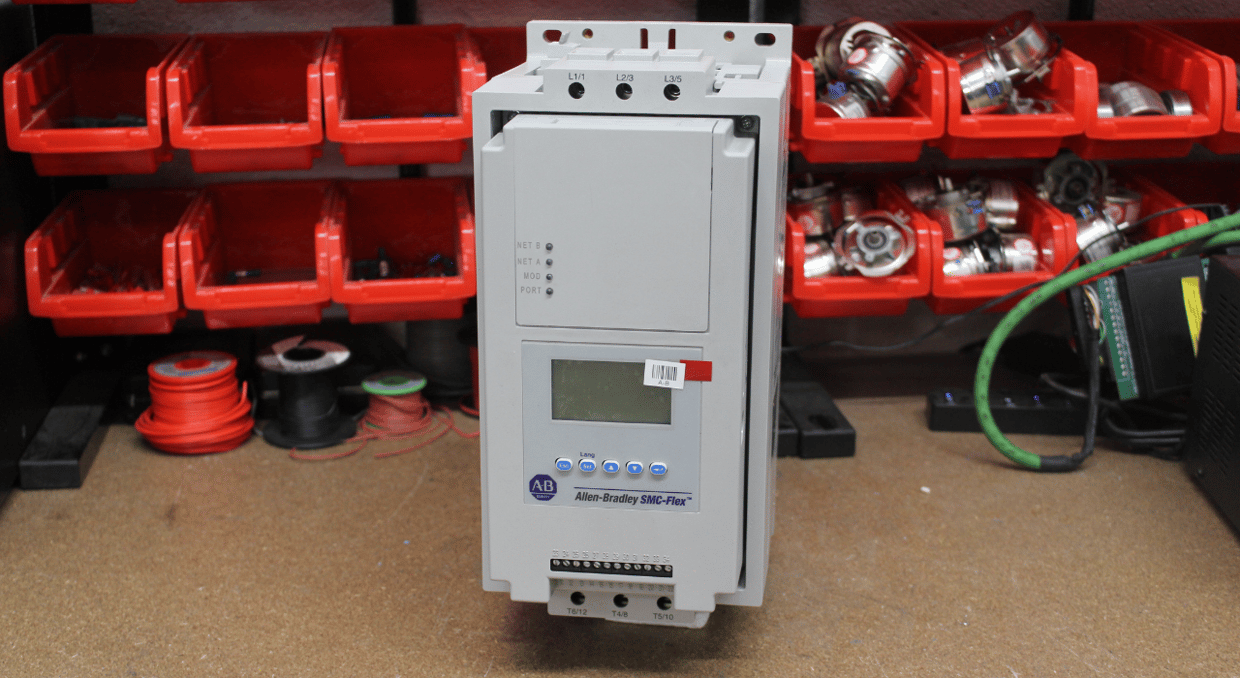
For a guy who swore he’d seen it all, Mark was baffled. His plant ran like clockwork; at least, that’s what he thought. Yet somehow, his energy bills kept climbing, his motors weren’t lasting as long as they should, and maintenance crews were spending more time reacting to breakdowns than preventing them. He’d thrown money at the problem, replacing parts, upgrading motors, and even tightening maintenance schedules, but nothing made a dent.
That’s when someone finally asked him: What kind of motor controllers are you using?
Turns out, the culprit wasn’t the motors themselves, but the outdated motor controllers running them. Fortunately for Mark, replacing those archaic controllers with more advanced smart motor controllers had extinguished the fires and put money right back in his pocket with the savings from lower energy bills.
By adjusting power delivery, monitoring performance in real-time, and predicting failures before they happen, smart motor controllers give businesses like Mark’s a way to cut costs without cutting corners. And the best part? They work with the motors you already have.
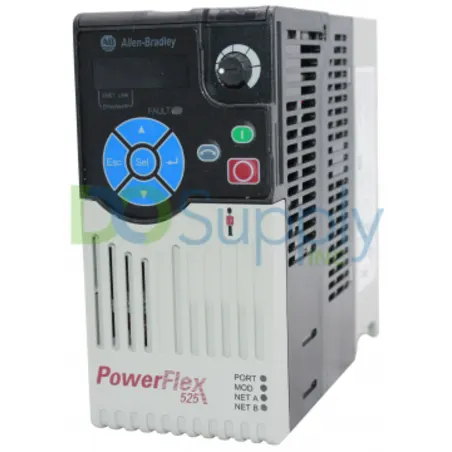
Let’s take a closer look at what makes a motor controller smart, how they improve efficiency, and, most importantly, how they pay for themselves in savings.
What Makes a Motor Controller ‘Smart’?
At their core, motor controllers regulate how a motor starts, stops, and runs. That much hasn’t changed. What has changed is the intelligence behind them. Traditional controllers are binary in how they run their motors: on or off. Where the ‘smart’ comes in is the ability to adjust power flow in real-time based on demand, efficiency, and system conditions. They actually ‘communicate’ with the motor by constantly monitoring its voltage, current, temperature, and load conditions, all to send this data back to the operators running the show. It also adjusts or sends warnings whenever a motor runs hotter than usual or pulls too much current.
Another key feature is adaptive load control. Rather than running a motor at full tilt when it’s unnecessary, smart controllers adjust power delivery based on what’s actually needed. Think of a conveyor belt that doesn’t need the same power level when it’s half-empty as it does when fully loaded. Traditional controllers will run the motor the same way regardless. A smart controller, however, recognizes the difference and scales power accordingly, saving energy in the process.
And then there’s predictive maintenance, which is arguably one of the most significant advantages. Unlike older controllers that operate blindly until something fails, smart motor controllers log wear patterns, detect anomalies, and can even forecast potential failures before they happen. Instead of waiting for a bearing to seize or insulation to break down, maintenance teams get a heads-up, allowing them to fix small problems before they become expensive ones.
So with that in mind, let’s break down exactly how these controllers translate intelligence into real-world efficiency gains.
Efficiency Gains with Smart Motor Controllers
Motors account for nearly half of all industrial electricity consumption, and much of that energy gets wasted through unnecessary overuse, excessive heat generation, or simply running at full speed when they don’t need to.
Smart motor controllers change the game by optimizing power usage in real-time. Instead of treating every task like a full-throttle sprint, these controllers adjust motor performance based on actual workload. Take a pump system, for example. A traditional controller would run the pump at the same speed regardless of demand, even if only a fraction of the capacity were needed. A smart controller would be able to run the motor at an optimal speed to maintain the required flow, saving on electricity and preventing wear.
Rapid starts and stops are also a cause for concern and are hard on a motor’s components, causing mechanical wear, electrical surges, and excessive heat buildup. A smart motor controller smooths out these transitions using soft-start and soft-stop technology, gradually ramping up power instead of slamming the pedal to the metal from zero to full speed. This not only extends the lifespan of the motor but also reduces maintenance frequency.
So what does this mean in numbers? Studies show that variable speed control alone, a common feature in smart motor controllers, can reduce energy consumption by up to 50% in specific applications. Multiply that across dozens (or hundreds) of motors in a facility, and the savings become significant.
Cutting Costs Beyond Just Energy Savings
Energy efficiency alone is enough to justify switching to smart motor controllers, but the savings go beyond just a smaller electric bill. The worst ways industrial facilities bleed money are unplanned downtime, premature motor failure, and excessive maintenance costs, all of which smart motor controllers help mitigate.
Take unplanned downtime, for example. A failed motor can bring an entire production line to a halt, leading to lost output, missed deadlines, and costly emergency repairs. Traditional motor controllers don’t offer much help here since they either work or they don’t. This is where all of that data collected from the smart motor controller we mentioned before comes into play. It lets the operators know when motors are beginning to struggle or if there are any. This means instead of scrambling to fix a failed motor at the worst possible time, maintenance teams can schedule repairs during planned downtime, which could mean saving thousands in lost production.
Then there’s motor lifespan. Replacing a burned-out motor isn’t just about the cost of the motor itself but the labor, installation, and potential disruptions that come with it. Smart motor controllers reduce wear and tear by smoothing out voltage delivery, preventing electrical spikes, and optimizing operation based on real-world demand. The result? Motors last longer, reducing the need for replacements and keeping operations running smoothly.
Smart Motor Controllers Available at DO Supply
Not all smart motor controllers are created equal. Some excel at precision speed control, while others focus on energy savings or advanced fault detection. The good news? We at DO Supply carry a range of Allen-Bradley PowerFlex smart motor controllers designed to improve efficiency and cut costs across various applications.
PowerFlex 525: Compact, Smart, and Versatile
If you need a cost-effective smart motor controller with significant capabilities in a small footprint, the PowerFlex 525 is a solid choice. With built-in Ethernet/IP connectivity, this controller makes integration seamless, allowing real-time monitoring and remote adjustments. It also includes sensorless vector control, improving torque and efficiency while reducing unnecessary energy use.
This controller is ideal for conveyors, pumps, and fans, where precise motor speed control can significantly cut energy costs. Its NEMA 4X-rated enclosures also make it an excellent fit for washdown environments like food and beverage production.
PowerFlex 753: Reliable and Built for Heavy Loads
For industries requiring more power and flexibility, the PowerFlex 753 delivers. This drive is perfect for mid-range motor applications, offering adaptive control algorithms that adjust motor performance in real time. It also supports predictive maintenance diagnostics, meaning it can detect potential issues before they escalate into costly failures.
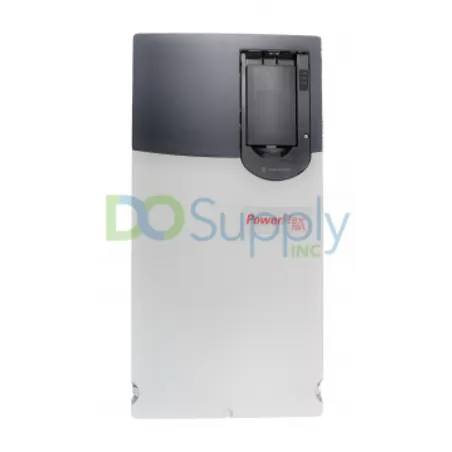
Commonly found in material handling, machine automation, and processing plants, the PowerFlex 753 is a go-to for facilities looking to cut downtime while optimizing motor performance.
PowerFlex 755: High Performance, Maximum Efficiency
Need something even more advanced? The PowerFlex 755 is engineered for high-performance applications, featuring integrated safety options, real-time diagnostics, and energy optimization features. One of its standout abilities is positioning control, making it a preferred choice for precision applications like printing, packaging, and robotics.
Beyond its control capabilities, the PowerFlex 755 is also designed for harsh industrial environments, offering enhanced cooling options and conformal coating to protect against dust, moisture, and chemical exposure.
PowerFlex 755TS: The Next Gen Ultimate Smart Controller
If top-tier efficiency and motor protection are your priorities, the PowerFlex 755TS is the answer. Built for demanding applications like oil & gas, mining, and steel production, this drive takes predictive analytics to the next level. These drives are updated with the latest Allen Bradley has to offer along with a very appealing design update. These drives are the best of the best and can be found right here at DO Supply.
With TotalFORCE technology, the 755TS constantly monitors system conditions and adapts motor performance to minimize wear, reduce energy costs, and prevent premature failure. It’s essentially a self-optimizing drive, making it a must-have for industries looking to minimize downtime
Final Thoughts
Smart motors are an essential part of automation, and systems that underutilize them are at a distinct disadvantage. The data and research are out there, and the efficiency and savings one can achieve when switching to smart motor controllers are nothing to scoff at. We at Do Supply carry a long list of smart motor controllers that are available to be shipped on the same day and are backed by our two-year Do Supply warranty. Come check us out and see just how you can take your automation solution to the next level!
DO Supply Inc. makes no representations as to the completeness, validity, correctness, suitability, or accuracy of any information on this website and will not be liable for any delays, omissions, or errors in this information or any losses, injuries, or damages arising from its display or use. All the information on this website is provided on an "as-is" basis. It is the reader's responsibility to verify their own facts.