We found 67 posts about Technology Insights from DO Supply, a global automation parts
reseller focused on hard-to-find and obsolete industrial automation products.
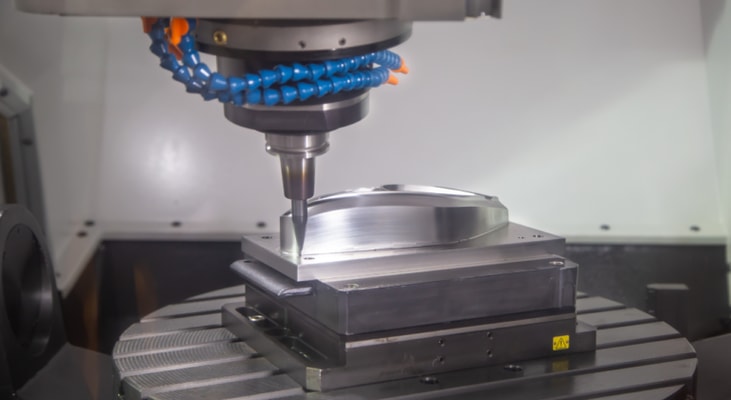
The accuracy of CNC machining is not a characteristic in itself but rather an overall system that emerges from the interaction and functioning of the machine’s core systems. The micron-level precision and repeatability achieved by the machining system derive directly from design decisions within the core components of a CNC system. The machining system’s accuracy is built into its robust mechanical design, feedback control, and compensation for natural forces such as vibration, friction, and thermal expansion. This analysis will review the core components of a CNC system and identify the specific details within each component. The MCU is the processing hub where the digital model is developed into executable physics. This is the CNC part that, rather than simply executing G-code commands, is responsible for real-time kinematic calculations, which account for simultaneous movements of multiple axes while adhering to correctly programmed feed rates and trajectories. The accuracy aspect...
Automated manufacturing depends on the accuracy and reliability of computer numerical control (CNC) technology. The operation of a CNC depends on the optimal integration of various CNC machine parts. Each part of a CNC machine has a specific function in translating design codes into a physical product with minimal human intervention. This article explains the operational framework of a CNC machine by describing the specific functions of each key part in the automated manufacturing process. The command and monitoring center of the system comprises several major machine components. In a CNC machine, the machine control unit (MCU) serves as the centralized processor. It understands the G-code and M-code programming, determining the movement path and the function of operating all other components in the machine. It converts the data from the programming into electrical signals to actuate the machine’s drive system. The control panel represents the main human-machine interface. The control...
When working on industrial equipment, whether it’s a PLC, a motor starter, or a full control cabinet, integrators almost inevitably encounter 24V DC. It shows up everywhere, quietly powering sensors, I/O, safety circuits, and control logic. What makes this curious is that most of us don’t use 24V DC in everyday life. In the United States, homes are wired for 120V AC, while many consumer devices run on anything from 5 to 12 volts DC through built-in power supplies. That contrast raises an obvious question. If so many voltages already exist and work perfectly well in other environments, why has industrial automation settled so firmly on 24V DC? At first glance, this answer may seem too simple. After all, when compared to 120V AC or even 480V, 24V DC is a lot less scary to work with. Accidental contact is far less likely to result in serious injury, which immediately lowers risk during installation, troubleshooting, and maintenance. In environments where panels are opened daily and...
Analog and digital inputs are the primary mechanisms by which automation systems interpret and sense the physical world. Each industrial automation system relies on input signals to measure process variables, monitor states, and provide feedback to the connected controller. Originating from field input devices such as transmitters, switches, pushbuttons, and sensors, these signals are transmitted to input modules and serve as the foundation for all subsequent decision-making and control logic. Input modules in automation systems are engineered to reliably convert electrical signals into usable data while maintaining high accuracy, effective electrical isolation, and immunity to noise. The key distinction between digital and analog inputs lies in how information is represented: digital inputs communicate information in discrete, non-continuous steps, typically representing binary states such as ON/OFF or True/False, while analog inputs utilize continuously varying measurements to...
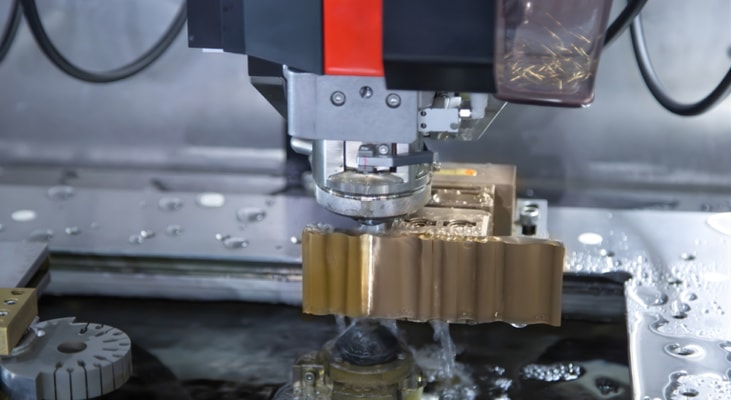
Have you ever come across a video where a solid block of metal, with no visible seams, suddenly has a perfectly formed part pushed out of it? Or watched two separate pieces slide together so cleanly that they appear to be a single solid component? As tempting as it may be to chalk that up to black magic, the reality is far more interesting. These parts are often produced using a process called wire electrical discharge machining. Wire EDM is responsible for achieving micron-level tolerances, producing components that fit together with extraordinary precision. The basic concept is similar to cutting a block of foam or cheese with a thin wire. Still, instead of mechanical force, the process relies on controlled electrical discharges and carefully coordinated CNC components to remove material without ever making contact. To understand how wire EDM achieves this level of accuracy, it helps to start with the fundamentals of the process. Wire electrical discharge machining, or wire EDM, is...
Computer Numerical Control (CNC) machines have revolutionized modern manufacturing, delivering the top-notch accuracy, productivity, and consistency that conventional machining cannot achieve. When applied to different industrial equipment, CNC systems rely on a highly integrated blend of mechanical and electronic components operating together. Understanding the various components of CNC machines is very important for anyone who wants to increase machining efficiency or diagnose problems. This article outlines the key components of a CNC machine, describes their roles, and explains why each component is important for overall machine reliability and production quality. The frame or base forms the backbone of the CNC machine. The structure keeps different parts intact by enclosing them, such as the spindle, table, and axes. Mainly made from cast iron, steel, or a polymer composite, the frame provides hardness and reduces vibration intensity during operation. A solid frame guarantees...
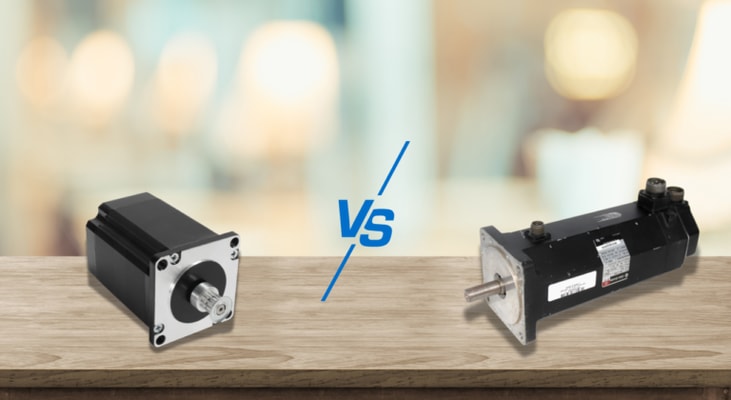
Your core CNC Machine Parts choices are among the most critical factors to determine, from a performance, precision, and cost perspective, for engineers, machinists, and procurement specialists alike. Drive motors are among the most essential CNC Machine Parts. The choice between servo and stepper motors has always been a discussion in the design and selection of a CNC system. Today, we will go over each one and see what applications allow one to shine over the other. Buy Allen-Bradley VPL Servo Motors Here Before delving into the specifics of stepper and servo systems, it is essential to understand their role. These motors are the prime movers, the components that translate digital commands into precise physical motion. The choice between a stepper motor and a servo motor influences every aspect of a machine’s capabilities, from its maximum speed and cutting torque to its positioning accuracy and operating cost. Selecting the correct motor from the vast array of CNC machine parts is...
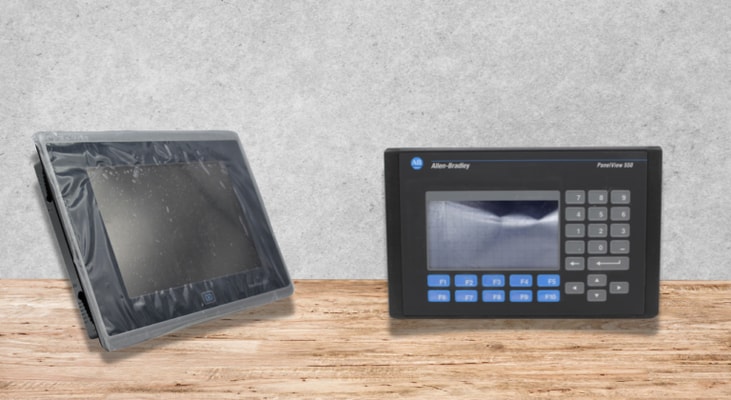
In industrial automation, few changes have been as apparent or as influential as the evolution of operator interfaces. What started as basic, rugged keypads mounted on control cabinets has grown into robust, networked solutions with dynamic touchscreen Human‑Machine Interfaces (HMIs). These interfaces, including well‑known platforms such as HMIs and PanelViews, have not only altered how operators interact with machines but also reshaped plant‑floor efficiency, safety, and the overall approach to process control. The move from physical buttons to user‑friendly digital interfaces reflects broader tech trends. Nevertheless, industrial settings impose distinct limitations, severe conditions, safety mandates, a demand for uninterrupted operation, and a reluctance to modify mission‑critical systems. Consequently, HMIs and PanelViews have developed slowly but with a highly strategic approach. Now, the progression from keypads to touchscreens illustrates a broader narrative of digital...
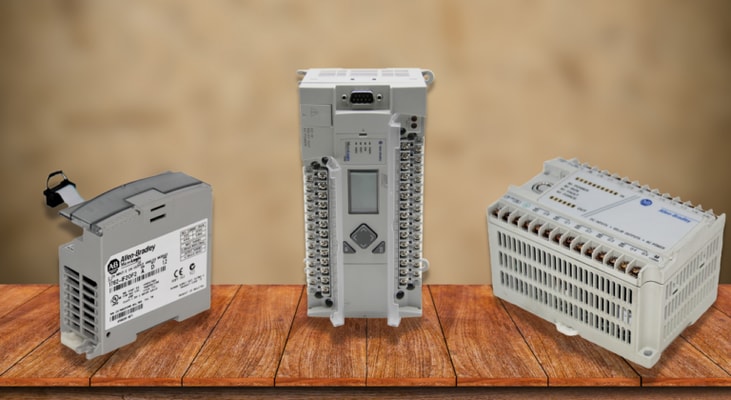
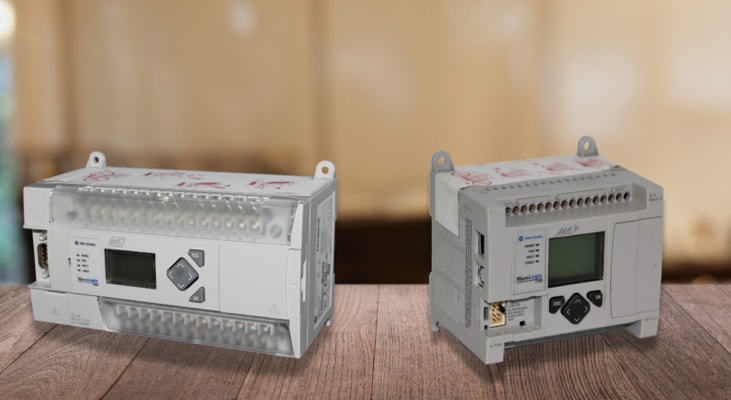
To provide reliable control for small automation systems, Rockwell Automation created the MicroLogix family of compact programmable logic controllers (PLCs). MicroLogix features flexible input/output (I/O) expansion, communication options, and core control functionality in a compact, affordable package that is designed for simplicity and dependability. MicroLogix controllers are designed to perform automation functions for either standalone or networked equipment, including data handling, counting, sequencing, and network communication. With a consistent workflow compatible with other Rockwell Automation platforms, users can effectively manage I/O operations and design ladder logic. MicroLogix also gives engineers the means to automate smaller machines or subsystems without excess hardware or complexity. It fills the space between basic relay logic and large-scale control systems, delivering an ideal mix of performance and simplicity. Now, let’s discuss some of the parameters that...
Over the years, spindle motors have come a long way, from brute-force systems to finely tuned systems that balance torque, speed, and feedback with almost surgical precision. The trio leading this charge is stepper motors, servo motors, and variable frequency drives (VFDs). Each represents a different philosophy of motion: one steps with mechanical certainty, one reacts with sensory feedback, and the last bends AC power to its will. Choosing between these different motors isn’t about picking the latest and most expensive, but rather about what would fit the job at hand. After all, milling aluminum molds, engraving circuit boards, or turning precision shafts all place different demands on torque stability, acceleration, and accuracy. Understanding how each control method meets those demands separates a good CNC build from a great one. Before encoders, feedback loops, and tuning parameters even came into light, stepper spindle motors provided dependable and accurate motion that you...
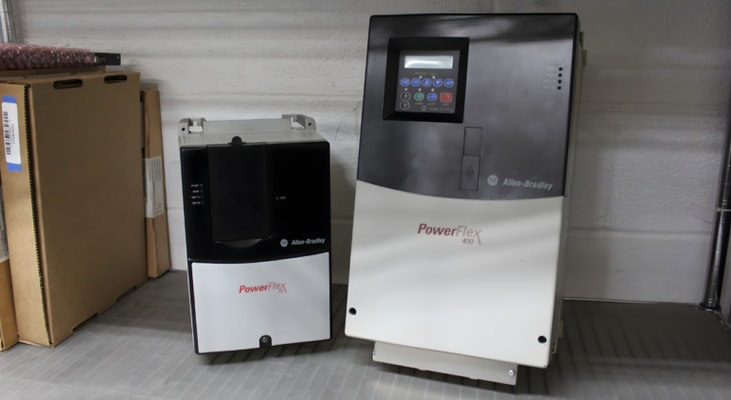
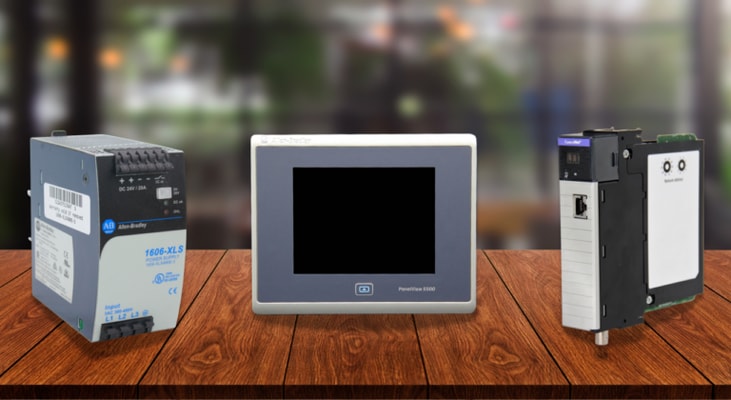
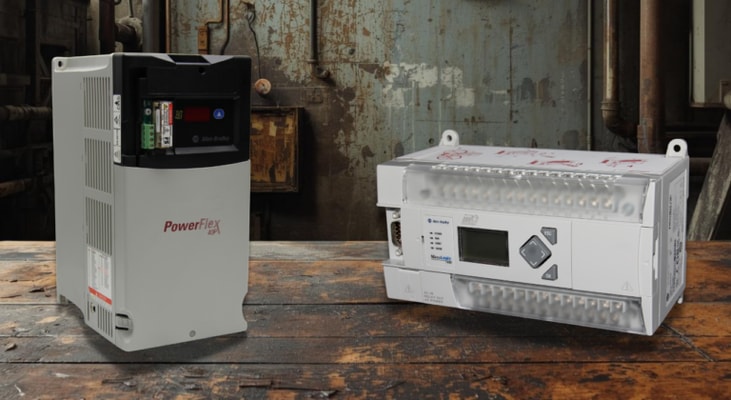
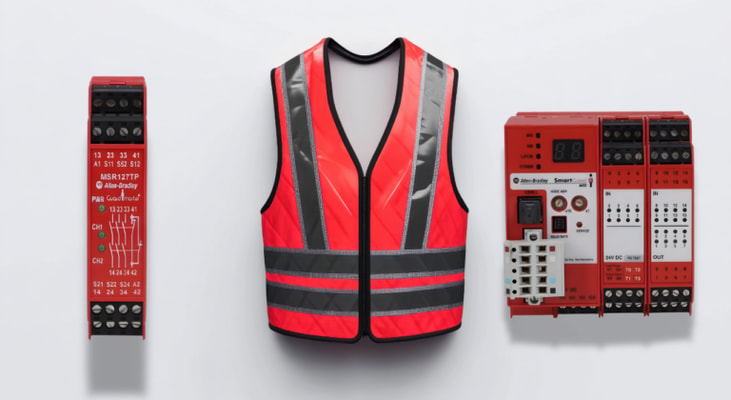
Rockwell Automation offers a comprehensive portfolio of industrial automation products under the Allen-Bradley brand name. The product lines range from motion control solutions, motor drives, power supplies, sensors and switches, Human Machine Interfaces (HMIs), motor controls, circuit and load protection devices, Input/Output (I/O) modules, relays and timers, and safety modules to programmable controllers and networking infrastructure. Allen-Bradley products have a long-standing reputation for robust design, premier integration, exceptional reliability, and advanced features, making them a perfect fit for a wide range of industrial applications. This article features the most commonly used Allen-Bradley products. The Allen-Bradley lineup of PowerFlex Variable Frequency Drives (VFDs)/AC drives provides cutting-edge motor control technology. These drives enable precise control of motor speed and torque, resulting in significant energy savings, reduced mechanical stress, and enhanced...
Allen-Bradley is a renowned brand of industrial automation technologies owned by Rockwell Automation, a company that offers a wide variety of digital transformation and factory automation solutions. The Allen-Bradley product line features a broad portfolio of industrial automation and control products like Human-Machine Interfaces (HMIs), Programmable Logic Controllers (PLCs), sensors, DC drives, Variable Frequency Drives (VFDs), and safety devices. All these products are designed for optimal performance, robust, and reliable operation in harsh industrial settings. They enable real-time system monitoring, precise control over machinery, and improved safety within manufacturing and other industrial environments. The PowerFlex DC drive family is a complete collection of high-performance DC motor control technologies. It includes Allen-Bradley PowerFlex DC field controllers, PowerFlex DC drives, and PowerFlex DC stand-alone regulators (SARs). PowerFlex DC drives provide cost-effective...
Factories aren’t always clean, calm, or predictable. Some are built beside saltwater ports, where humidity clings to every surface. Others hum deep inside steel plants, where air shimmers with heat and fine metal dust. A few spend their days being blasted with water and cleaning agents strong enough to strip paint. Yet, through all of this, the automation keeps running, or at least, it should. Allen-Bradley has built a reputation on not only control, but for endurance and reliability. These three key qualities is exactly what you need to have equipment that not only works in harsh environments but also thrives and can withstand what you throw at it. But what exactly constitutes a “harsh environment” and how does Allen-Bradley hardware combat it? Today we will be going over that and more. Shop for Allen-Bradley PLCs Here! “Harsh” is a relatively broad word. It could describe the feeling of flying down a dirt path in an old sedan, or maybe even the unrelenting sun in a desert. In...
The fundamental components of automated manufacturing define its landscape. This includes industrial robots, collaborative systems, and autonomous machines. As technological strides propel these systems, the necessity for robust safety protocols becomes increasingly evident. Human-machine interaction (HMI) adds another layer of complexity. Seamless communication between people and automated systems requires intuitive interfaces and ergonomic designs to minimize operator stress. Yet, amidst the promises of enhanced efficiency, potential hazards loom—exposure to chemicals, risks of explosions, noise-related pollution, and much more. As the sector progresses, a delicate balance between innovation and safety must be maintained, ensuring that the future of manufacturing remains not only efficient but also secure. Automated manufacturing environments can be defined by their comprehensive web of robotics, automation systems, and human-machine interaction. While these essential elements...
Designing an OEM system can be quite an ambitious endeavor. Every wire, sensor, and relay has to serve a purpose. For smaller systems, an additional challenge comes into play. Not only does the machine have to work, obviously, but it must do it without inflating the cost, complexity, or footprint of the control hardware. This is where Allen-Bradley’s MicroLogix PLC family steps in. These controllers are built with the realities of small machine automation in mind: limited space, tight budgets, and the constant demand for reliability. Whether it’s a packaging line tucked in a corner of a factory floor or a self-contained water treatment skid running in a remote facility, MicroLogix controllers simplify control design by combining power, communication, and flexibility in a single, easy-to-integrate package. Let’s get into how the MicroLogix fits the demands of compact OEM designs and tight spaces within machine automation. We can’t start an article about small automation and MicroLogix...