The Basics of Lathing
A fundamental technique called lathing is utilized in metallurgy, woodworking, and other industries to create materials with smooth surfaces or cylindrical forms. Its versatility and worth are advantageous to both experts and amateurs. Several objects, such as bowls, spindles, shafts, bolts, and gears are made using lathes.
The basics of lathing are covered in Lathing 101. It covers everything you need to know to get started, such as how to choose the best sort of lathe, what equipment you’ll need, and how to set up your business.
How to Get Started
1) Selecting the Proper Lathe
Choosing the best kind of lathe for your needs is the first step in learning how to lathe. Lathes come in various forms, each with unique characteristics and advantages.
Wooden Lathes
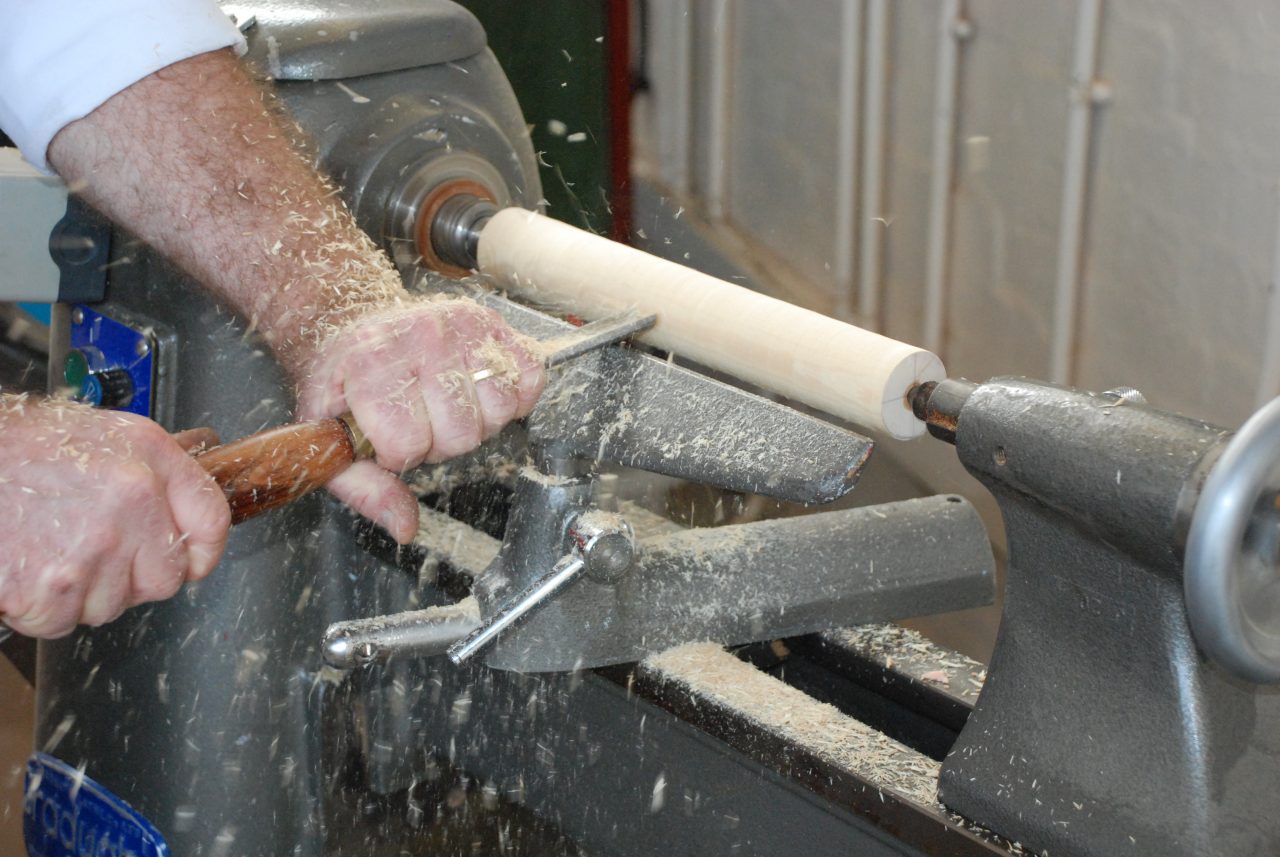
Wooden artifacts like bowls, spindles, and furniture legs are turned on wood lathes. From small bench-top devices to big floor-standing variants, they are available in various sizes. The swing, the space between centers, and the motor size are the primary factors to consider while selecting a wood lathe.
The largest diameter of a workpiece that can be spun on a lathe is known as the swing. Larger parts can be turned with a larger swing, but the lathe gets bigger and more expensive. The longest workpiece that can be turned on a lathe is the distance between centers. Longer items can be turned when the centers are farther apart, but the lathe gets bigger and more expensive.
The lathe’s power is dependent on the motor size. A motor with more power can handle larger and harder pieces of wood. Yet a more potent motor also makes the lathe bigger and more expensive.
Metal Turnings
Metal things, like shafts, bolts, and gears are turned on metal lathes. From little bench-top devices to enormous floor-standing variants, they are available in various sizes. Swing, center-to-center distance, and horsepower are the key factors to consider when selecting a metal lathe.
Like wood lathes, the swing and the space between centers are the same. Yet, because metal requires more horsepower to spin, metal lathes often have bigger motors than wood lathes. A coolant system and a quick-change tool post are two other characteristics that metal lathes frequently include.
CNC Lathes (Automated Lathes)
Automated lathes, known as CNC (computer numerical control) lathes, employ computer programming to regulate the movement of the cutting tool. They are used to machine metal and other materials with extreme accuracy. The size range of CNC lathes allows for both small- and large-scale manufacturing.
They have high reproducibility and precision when producing complicated shapes and patterns. This makes them perfect for mass manufacturing since the same item can be made again with reliable precision. As the computer performs much of the labor with CNC lathes, they also require less training and expertise. This lowers the possibility of mistakes and increases effectiveness.
Many tasks, which include turning, drilling, boring, and threading, may be programmed into CNC lathes. With specialized software, the user may generate a digital model of the component they want to make while programming. The computer controller for the lathe receives a sequence of instructions created by the program.
These commands are deciphered by the computer controller, which then sends signals to the lathe’s motors to drive the cutting tool over the workpiece. Usually, a carbide insert is used as the cutting tool, which is kept in a tool holder. Precision cuts may be done in many dimensions by moving the tool holder along the lathe’s X, Y, and Z axes.
The size range of CNC lathes allows for both small- and large-scale manufacturing. They are frequently encountered in medical devices, automobiles, and aircraft production.
The capacity of CNC lathes to create parts with a high degree of precision and consistency is one of its key advantages. This is crucial for aerospace and automobile manufacturing, where parts must fit together exactly. Moreover, CNC lathes can create intricately shaped and patterned parts that would be challenging or impossible to create with manual lathes.
The versatility of CNC lathes, which allows them to deal with various materials, including metals, plastics, and composites, is another benefit. Due to their adaptability to various industrial requirements, they are flexible.
But, CNC lathes do have certain drawbacks. They cost more than manual lathes and are more difficult to use without specialist software and programming knowledge. To keep performing at their best, they also need routine maintenance.
Additional Lathe Types
Several varieties of lathes are also available, such as small lathes, pen lathes, and glass lathes. These lathes are tailored for certain tasks and might not be appropriate for general lathing.
Choosing the right lathe type depends on several factors, including the projects you plan to work on, the materials you will use, and your skill level. Consider your needs carefully before making a purchase.
2) Equipment Needed to Operate CNC Automated Lathe Machines
When operating a CNC automated lathe, specialist tools are needed to guarantee accurate and efficient machining. The following are some of the most typical kinds of tools required for using CNC automated lathing:
- Workpiece Holds – Cutting tool holders keep the tools in position. They are available in various sizes and forms to accommodate different cutting instruments.
- Cutting tools are used to remove material from the workpiece. They are available in various sizes and shapes to carry out various machining tasks, including turning, drilling, and threading.
- Inserts – Attached to the cutting tools are interchangeable inserts that serve as cutting tips. They are available in various grades and shapes to accommodate a range of materials and machining processes.
- Collets – During machining, collets keep the workpiece firmly in place. They are available in various sizes to fit various work piece diameters.
- Chuck jaws are used to firmly hold the workpiece while machining. They are available in a variety of sizes and forms to meet various workpiece sizes and shapes.
- Probes are used to gauge the sizes and placements of the workpiece. They may be applied to guarantee precise machining and to find any mistakes or deviations.
- Before the cutting tools are inserted in the lathe, tool pre-setters are used to measure and set them. This guarantees that the tools are positioned correctly and prepared for precise machining.
- Coolant Systems – During machining, cutting tools and the workpiece are cooled and lubricated using coolant systems. This decreases tool wear and increases machining effectiveness.
- Workholding Fixtures – Workholding fixtures keep the workpiece in position while machining. They are available in various shapes and sizes to suit diverse workpiece forms and sizes.
There are a few things to consider while operating a CNC automated lathe machine if you are a newbie to make the best choice. Many crucial factors are listed below:
- Your degree of expertise: If you have no prior experience with machining, you might wish to start with a less complex lathe machine before upgrading to a CNC automated lathe. Before moving on to more complicated processes, this will enable you to grasp the fundamentals of machining.
- Your budget: CNC automated lathes can be expensive, so you must consider your budget before purchasing. You may want to start with a smaller, more affordable machine and upgrade later as your needs and budget allow.
- Asking yourself questions like Do you have enough resources and budget to bring an Automated lathe machine into your arsenal?
- Operating a CNC automated lathe requires specialized technology and software training, programming skills, and technical support. Ensure you have access to these resources before working on a CNC automated lathe.
- Your planned usage: The tasks you want to work on and the materials you wish to manufacture should be considered. This will enable you to choose the size and features of the desired lathe machine. Be careful to consider issues like What are your aims for machining?
- Do you intend to focus on a certain machining area, operate in a particular sector, or launch your own machining company? Knowing your objectives might help you decide if using a CNC automated lathe is the best option for you.
- Your training and assistance: CNC automated lathes need specialist training and assistance to function properly. When buying a machine, be sure you have access to training materials and technical assistance.
- Your workspace: Consider the machine’s power needs and the size of your workspace. Ensure you have the space and access to the power sources required to run the equipment effectively and securely.
Automatic lathe machines have a wide range of industrial applications, including those in the automotive, aerospace, medical, and electronics sectors. They are frequently employed for cutting threads and other intricate forms and for turning and machining cylindrical items, such as shafts, rods, and valves.
Using an Automated Lathe Requires the Following Knowledge:
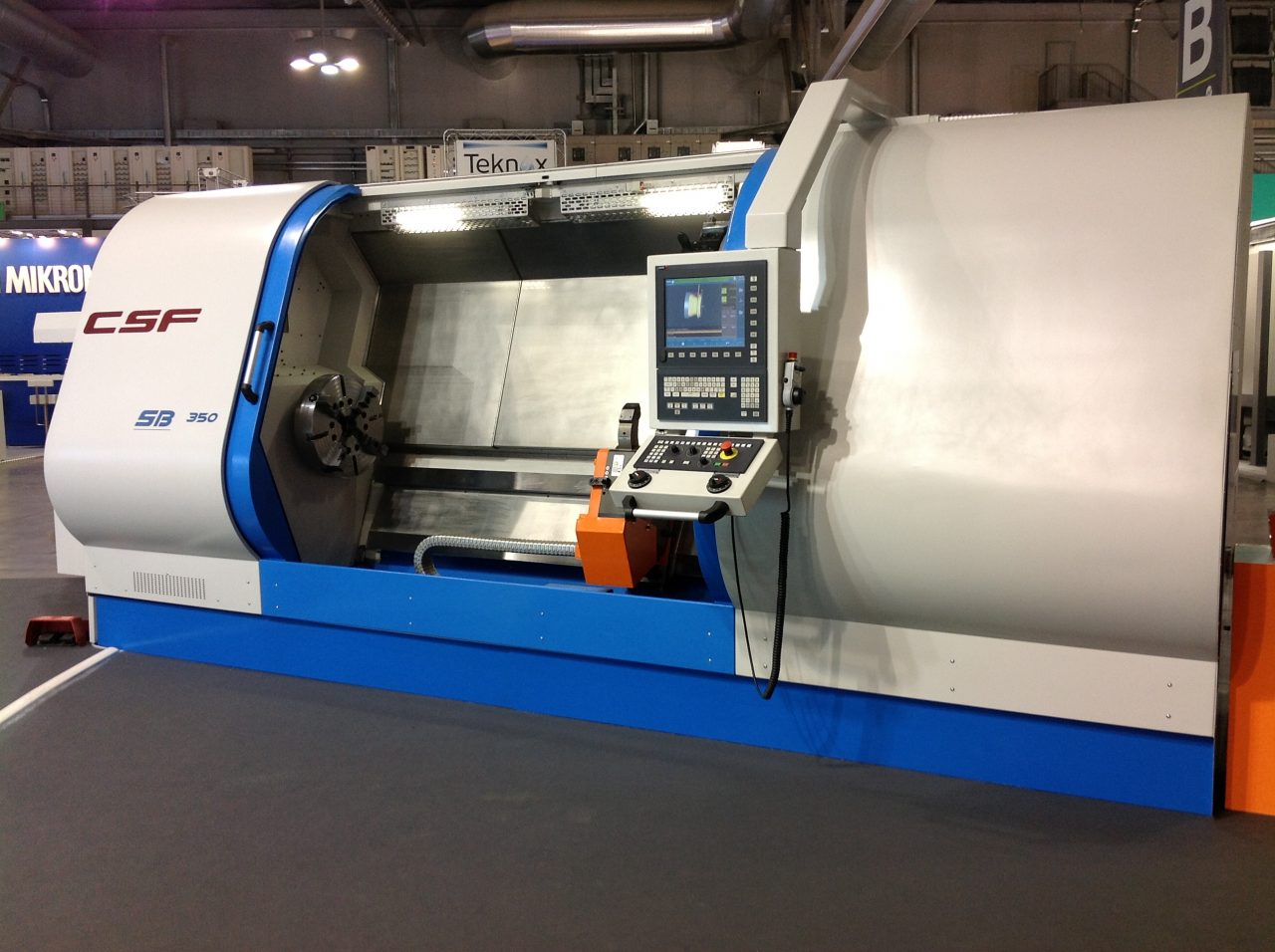
It takes technical skills and software expertise to run an automated lathe machine. These are several essential abilities and software programs that operators need to be familiar with:
- Technical understanding: Operators must have a solid grasp of the fundamentals of machining, such as cutting speeds, feeds, and tool selection. They also need to understand and comprehend technical drawings and blueprints.
- Automatic computing abilities: Computer numerical control (CNC) systems are used to operate lathe machines, and their use necessitates a basic familiarity with software interfaces and computer programming on the operator’s part. Operators should feel at ease using CAD/CAM software to create the machine’s essential code.
- Operators must possess the fundamental maintenance skills to change cutting tools, clean and lubricate the machine, and resolve frequent problems.
- Safety knowledge: If the correct safety procedures are not followed, using an automated lathe machine can be dangerous. Operators must get training in safety practices, including donning the proper personal protective equipment (PPE), locking out equipment while undergoing maintenance, and adhering to standard operating procedures.
How to Set Up a Robotic Lathe for Your Shop:
Your shop’s automated lathe setup demands thorough planning and preparation. The general procedures are as follows:
- Identify your machining requirements: Before investing in an automated lathe machine, you should ascertain the kinds of parts you will be fabricating, the materials you will be using, and the tolerances you must meet. This will assist you in choosing the best machine for your requirements.
- Choose the machine: After determining your machining requirements, you may begin choosing the ideal automated lathe machine for your shop. Aspects like machine size, capacity, and features like automated tool changes and bar feeders should be considered.
- Arrange the area: Your shop’s automated lathe machine needs an area to be set aside. This area has to be tidy, well-lit, and clutter-free. You might need to install electrical and plumbing connections to sustain the equipment.
- Install the machine: After making the necessary space preparations, you may start installing the machine. As part of the installation process, level the machine and connect the electrical and plumbing connections as the manufacturer directs.
- Train operators: When the equipment is installed, you must instruct users on operating it safely and efficiently. This will involve instruction on both safety protocols and the controls and software of the equipment.
- Test and optimize: To get the most out of the machine for your machining requirements, you must test and optimize it. Cutting speeds, feeds, and tooling may need to be changed to do this and get the appropriate results.
Setting up an automated lathe machine can be complex, so it’s important to work with experienced professionals and follow all safety protocols to ensure a successful installation.
How You Can Achieve the Best Possible Output From Your Automated Lathe Machine
To get the most out of a CNC automated lathe machine, there are several things you can do. Ensure the machine is properly maintained and oiled before anything else to save wear and strain on the moving parts. Cutting parameters, which include the cutting speed, feed rate, and tool selection, may be adjusted to get the best results while minimizing tool wear. Use tool life management software to keep track of tool wear so you can replace worn-out tools before they go dull. Use CAD/CAM software to optimize tool routes and minimize waste material. Consider incorporating automation and integration technologies, such as robotic component loading and in-process inspection, to further streamline the machining process and increase productivity.
Upcoming Developments in Lathe Machine Automation:
Automation in lathe machines is a mature technology, but further developments are anticipated. These are some potential developments:
- Integration with other automated systems: We may anticipate seeing lathe machines integrated with other automated systems, including robots, conveyor systems, and material handling systems. This will facilitate a more streamlined and effective manufacturing process, enabling greater production quantities with lower mistake rates.
- Advanced sensors: Advanced sensors will often be used in lathe machines, enabling real-time monitoring of cutting conditions, tool wear, and component quality. To streamline the procedure and eliminate waste, the machine can modify the cutting settings in real-time.
- Artificial intelligence (AI) and machine learning (ML): We may anticipate seeing AI and ML technologies integrated into lathe machines as they develop. The robots can use data to learn from experience and improve their performance over time, increasing accuracy and decreasing downtime.
- Internet of Things (IoT) integration: IoT technology can provide remote monitoring and control of lathe machines, allowing operators to check the machine’s performance and make changes from anywhere. Efficiency will improve, and downtime will be decreased.
- Usage in 3D printing: 3D printing using the Lathe machine concept is anticipated since it is already used to create intricate parts for lathe machines and will likely continue. This will make prototyping more quickly and with more customization possible.
DO Supply Inc. makes no representations as to the completeness, validity, correctness, suitability, or accuracy of any information on this website and will not be liable for any delays, omissions, or errors in this information or any losses, injuries, or damages arising from its display or use. All the information on this website is provided on an "as-is" basis. It is the reader's responsibility to verify their own facts.