Selecting PLCs for Energy-Critical Systems
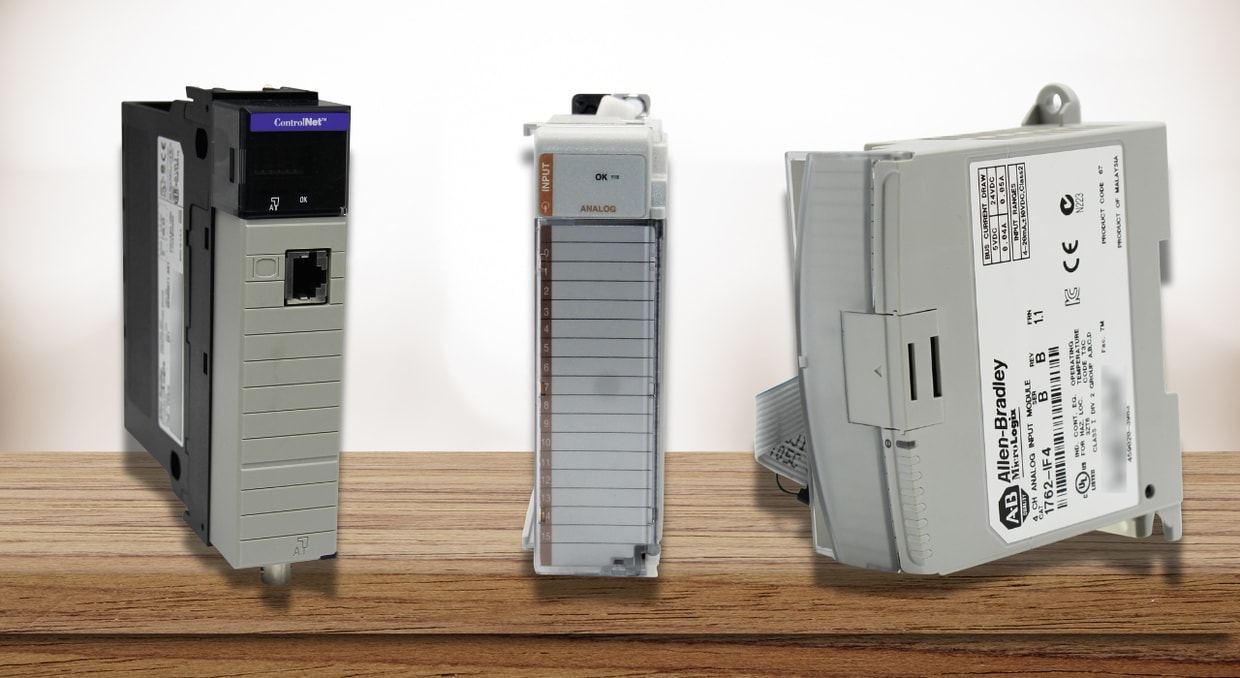
Choosing the right PLC is one of the most important decisions in an automation or infrastructure project. A well-designed PLC can help minimize commissioning time, reduce stability problems during long-term operation, and lower maintenance costs. In energy-intensive applications, PLCs do more than handle basic logic. They may also support energy optimization, multi-VFD coordination, system monitoring, and long-term lifecycle reliability.
The Importance of Proper I/O Count
The system requirements should drive the PLC selection, not the brand name alone. Start by determining how many I/O points the application requires. A small machine may only need a few dozen I/O points, while a tunnel, pump station, or utility system may require hundreds or thousands across ventilation, drainage, lighting, monitoring, and safety-related equipment. In larger systems, distributed I/O, expansion capacity, remote communication, and reliable backplane or network performance become major selection factors.
For applications tied into utility equipment, substations, or facility-wide energy management systems, protocol support should be reviewed carefully. IEC 61850, Modbus TCP, DNP3, or other project-specified protocols may be required depending on the power-monitoring and SCADA architecture.
Control Logic
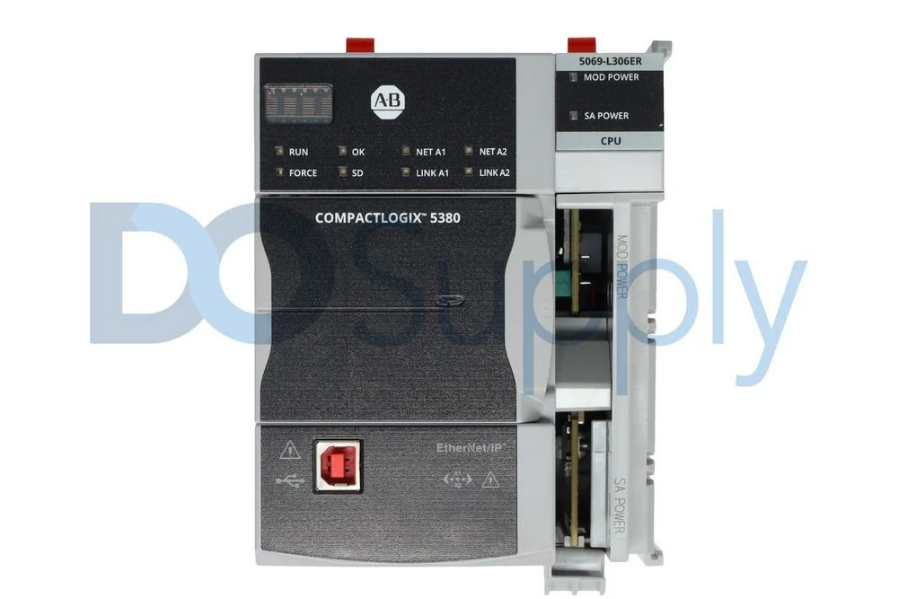
The second thing you have to do is check out the control logic. There are situations where a PLC can operate normally with simpler logic but might get stuck when handling more complex logic, such as coordinate-like fan control, interaction/multi-VFD, and energy-optimized ventilation. In these cases, high CPU power is required, along with other features to support such complex logic. They are:
- Scan cycle time
- Efficiency in executing instructions
- ST support or larger memory
In complex calculations and logical design needs, measurable computing power should be guaranteed.
Communication Protocols
Communication is a major part of any modern automation system. A PLC is rarely an isolated controller anymore; it often has to exchange data with drives, sensors, power-monitoring equipment, HMIs, SCADA systems, and other controllers. Depending on the project, that communication may rely on protocols such as Modbus TCP/IP, EtherNet/IP, PROFINET, EtherCAT, or OPC UA.
For energy-critical systems, the key is to choose a PLC that can communicate reliably with the surrounding equipment. In tunnel networks, pump stations, and similar infrastructure projects, open protocols such as Modbus TCP/IP and OPC UA are often useful because they make it easier to integrate equipment from multiple vendors into a single monitoring and control system.
In energy-critical applications, the PLC may need to communicate with VFDs, power-monitoring equipment, field sensors, SCADA systems, and fire alarm or life-safety systems. Because these systems often include equipment from multiple vendors, protocol support becomes a major selection factor. Open communication options such as Modbus TCP/IP, OPC UA, EtherNet/IP, PROFINET, or other project-specified protocols can make integration easier and reduce the risk of being locked into one hardware ecosystem.
Time synchronization (IEEE 1588)
For energy-critical systems, time synchronization should be considered early in the PLC selection process. Applications that require sequence-of-events logging, power disturbance analysis, or coordination among multiple controllers may require precise time synchronization via IEEE 1588 Precision Time Protocol, IRIG-B, or another approved timing method.
The Environmental and Reliability Conditions
A PLC’s datasheet only tells part of the story. In infrastructure applications such as tunnels, pump rooms, outdoor cabinets, and utility spaces, the installation environment can be just as important as processor speed or I/O capacity. These systems may be exposed to high humidity, temperature swings, dust, vibration, condensation, and electrical noise, all of which can affect long-term reliability.
Because of this, the selected PLC should be rated for the environment in which it will operate. Temperature range, vibration tolerance, enclosure protection, and humidity resistance should all be reviewed before installation. Electromagnetic compatibility is also important, especially in systems with large motors, VFDs, switchgear, or long cable runs. A suitable PLC platform should have documented EMC immunity, stable operation during voltage disturbances, and clear grounding and shielding requirements.
Infrastructure PLCs are often expected to remain in service for 10 to 15 years or longer, so reliability cannot be treated as an afterthought. A controller that works well in a clean cabinet may not perform as well in a dusty tunnel, a damp pump station, or a hot outdoor enclosure. Before selecting a PLC, make sure its environmental ratings match the actual site conditions, not just the ideal conditions shown on paper.
For more insight on PLC brands for harsh environments, check out our article here!
Engineering Software and Ecosystem
A PLC buyer chooses the ecosystem of his software with which he will be working for the coming years. In the 21st-century engineering platform, it is vital to have a unified platform for development, online monitoring, simulation tools, IEC 61131-3 support, and robust ST support.
Documentation and technical support are also crucial. A lack of documentation or adequate support increases project risks. A reliable platform will provide clear documentation, integration guidelines, demo projects, and swift technical support. Ecosystem availability includes spare modules, expandability, third-party drivers, and the number of engineers.
Cybersecurity (IEC 62443)
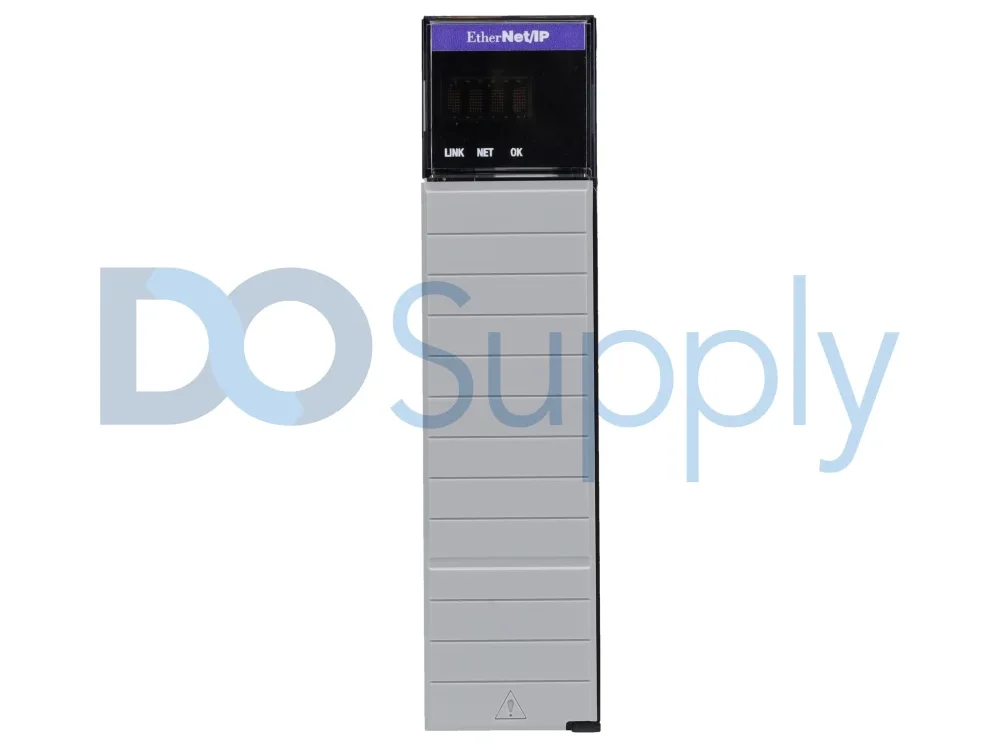
For critical energy applications, cybersecurity should be part of the PLC selection process. Depending on the project requirements, the platform may need features aligned with IEC 62443, such as role-based access control, secure firmware handling, encrypted communication, audit logging, and documented patch-management practices.
Project Budget and Risk
Brand selection should be based on engineering requirements, not the reverse. Popular brands like Siemens, Allen-Bradley, and Schneider Electric offer global support, extensive libraries, and a long history in the industry. Asian and European vendors such as Unionscience, INVT, and Xinje offer competitive pricing, instant feedback for service requests, flexible integration, and proven robustness.
The optimal selection of the best-suited PLC balances performance, reliability, maintenance availability, project risk, and total lifecycle cost. A low-priced product is not always the best, nor does an overpriced product perform best.
Using multiple PLCs, redundant controllers, or distributed control architectures can improve system availability, but only when the architecture is designed correctly. Redundancy should account for controller, network, and power-supply failures, as well as the system’s behavior during switchover.
Energy-Critical Certifications
For utility, substation, and power-distribution applications, the PLC or connected automation equipment may need to support protocols such as IEC 61850, GOOSE messaging, or DNP3. These requirements should come from the project specification, utility requirements, or regulatory environment. For other energy-intensive applications, such as plant energy monitoring, tunnel ventilation, or pump control, protocols like Modbus TCP, EtherNet/IP, PROFINET, or OPC UA may be more relevant.
Conclusion
The selection of PLCs is not about choosing the most recognizable or most popular controller. Any decision should be based on functional efficiency and long-term operational capability. The system needs are: know the system’s size, confirm communication, check reliability, check the software ecosystem, and choose the right vendor for the lifecycle needs. It should also include power monitoring integration, IEEE 1588 time synchronization, brownout ride-through, IEC 62443 cybersecurity, and IEC 61850 certifications for energy-intensive scenarios. The best PLC is not the one with the largest datasheet, but the one that is capable of long periods without sacrificing safety, efficiency, or stability.
Energy-critical systems do not appreciate weak links. If your PLC, I/O, power supply, or communication hardware is aging, undersized, or difficult to support, we at DO Supply can help you find the right replacement or upgrade path. We carry hardened PLCs, expansion modules, communication hardware, and supporting hardware, all of which are tested before being sent to your facility. Give our team a call and we can help you source the right equipment for your job!
DO Supply Inc. makes no representations as to the completeness, validity, correctness, suitability, or accuracy of any information on this website and will not be liable for any delays, omissions, or errors in this information or any losses, injuries, or damages arising from its display or use. All the information on this website is provided on an "as-is" basis. It is the reader's responsibility to verify their own facts.