New Motor Tech: Permanent Magnet Drives
Introduction
Permanent magnet drives, an innovative motor technology, are becoming increasingly popular in various modern applications due to their unique characteristics and advantages over traditional induction motors. At the core of this technology is the use of permanent magnets, which provide a constant magnetic field that interacts with the stator’s electrical field to generate torque and drive the motor. This design eliminates the need for external excitation, leading to higher efficiency, reduced energy consumption, and a more compact form factor. Permanent magnet drives have made significant inroads in various industries, including electric vehicles, robotics, renewable energy, and industrial automation, owing to their ability to offer precise control, quick dynamic response, and exceptional power density. As global energy demands continue to rise and the need for sustainable solutions becomes more pressing, the adoption of permanent magnet drive technology is poised to play a crucial role in the development of energy-efficient systems and the overall reduction of our carbon footprint.
Components of Permanent Magnet Drives
Motor
In a permanent magnet drive system, the motor, electronic components, and controller work in tandem to deliver efficient and precise performance. The motor is the primary component responsible for converting electrical energy into mechanical energy, driving the output shaft to produce the desired motion. Permanent magnet motors use permanent magnets in the rotor, creating a constant magnetic field that interacts with the stator’s electromagnetic field to generate torque. The motor’s design, materials, and construction play a crucial role in determining its efficiency, power density, and overall performance.
Power Electronics
The electronic part of a permanent magnet drive system is responsible for managing and controlling the electrical energy supplied to the motor. This typically includes power electronic devices, such as inverters, converters, or rectifiers, which are used to convert and regulate the voltage and current supplied to the motor’s stator windings. The electronic components must be carefully selected and designed to handle the motor’s specific power and voltage requirements while ensuring efficient energy transfer and minimal losses. These components may also include protection devices, such as circuit breakers, fuses, or overload relays, which safeguard the motor and other system components from damage due to electrical faults or overloading.
Controller
The controller is a critical component of the permanent magnet drive system, responsible for managing the motor’s operation by adjusting the input voltage or current to the stator windings. This control allows for precise regulation of the motor’s speed, torque, and direction, as well as advanced features such as dynamic braking, regenerative braking, or fault detection. Modern controllers often incorporate microprocessors or digital signal processors (DSPs), which use sophisticated algorithms and sensor feedback to optimize motor performance, enhance efficiency, and ensure smooth, precise control. The integration of controllers with advanced communication protocols, such as CAN, Ethernet, or Modbus, enables seamless connectivity with other devices in a system, facilitating remote monitoring and control.
Permanent Magnet Drive Technologies
Permanent Magnet DC Motors (PMDC)
Permanent Magnet DC Motors (PMDC) are a type of motor that utilizes permanent magnets in the rotor, creating a constant magnetic field. The principle of operation for PMDC motors is relatively simple: when current is applied to the stator windings, it generates an electromagnetic field that interacts with the permanent magnet’s magnetic field. This interaction produces torque, which drives the rotor and, subsequently, the motor’s output shaft. PMDC motors are characterized by their simplicity, robustness, and ease of control, as they only require a DC voltage source to operate. They are widely used in a variety of applications, including household appliances, automotive systems, power tools, and medical equipment, where their compact size, high torque, and reliable performance are particularly advantageous.
Permanent Magnet Synchronous Motors (PMSM)
Permanent Magnet Synchronous Motors (PMSM) are another type of permanent magnet motor technology that offers distinct advantages in certain applications. PMSMs operate on the principle of synchronism, meaning the rotor rotates at the same speed as the stator’s rotating magnetic field. This is achieved by applying a sinusoidal current to the stator windings, which creates a rotating magnetic field that interacts with the rotor’s permanent magnets to generate torque. PMSMs are known for their high efficiency, low cogging torque, and precise speed control, making them suitable for applications requiring smooth operation and accurate positioning. Common uses for PMSMs include industrial automation, robotics, electric vehicles, and high-performance machinery, where their superior energy efficiency, power density, and precise control are essential.
Permanent Magnet Brushless DC Motors (BLDC)
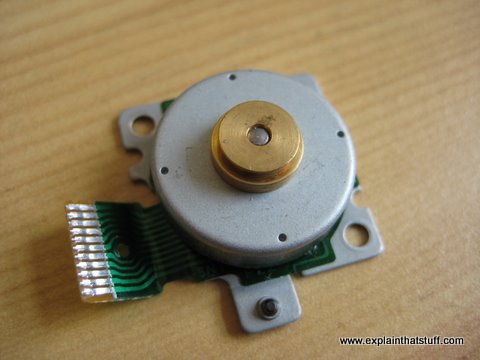
Permanent Magnet Brushless DC Motors (BLDC) are a more advanced type of permanent magnet motor that combines the benefits of both PMDC and PMSM technologies. The primary difference between BLDC motors and other permanent magnet motor types lies in their method of commutation. Instead of using brushes and a mechanical commutator, as in PMDC motors, BLDC motors employ electronic commutation through an external controller. The principle of operation for BLDC motors is similar to that of PMSMs, with the controller applying a trapezoidal or quasi-square waveform to the stator windings, creating a rotating magnetic field that interacts with the rotor’s permanent magnets to generate torque. The use of electronic commutation allows BLDC motors to offer higher efficiency, longer service life, and reduced maintenance requirements compared to their brushed counterparts.
In terms of applications, BLDC motors are rapidly becoming the motor of choice for a wide range of industries due to their high efficiency, excellent power-to-weight ratio, and reliable performance. They are commonly found in electric vehicles, aerospace systems, robotics, and consumer electronics, where their compact size, low noise, and high torque capabilities are highly valued. Additionally, the electronic commutation enables BLDC motors to offer precise speed and position control, making them suitable for applications requiring accurate and responsive performance.
Advantages of Permanent Magnet Drives
High Efficiency
One of the most significant advantages of permanent magnet drives is their high efficiency, which results from the elimination of rotor losses typically associated with induction motors. This increased efficiency directly translates to reduced energy consumption, which is particularly beneficial in applications where energy usage plays a critical role in overall performance and sustainability. By consuming less energy, permanent magnet drives can help decrease the environmental impact of various industries and contribute to global efforts to reduce carbon emissions. Furthermore, the high efficiency of permanent magnet motors leads to lower heat generation, which can extend the life of motor components and reduce the need for extensive cooling systems, further contributing to overall energy savings.
Lower operating costs are another notable benefit of permanent magnet drives’ high efficiency. By minimizing energy consumption, these motors can substantially reduce the costs associated with powering the motor over its lifetime. This reduction in operating costs is especially relevant in industries where motors are used continuously or in large-scale applications, such as manufacturing plants, electric vehicles, or renewable energy systems. In addition to energy savings, the increased efficiency of permanent magnet drives can also result in lower maintenance costs. The absence of brushes and mechanical commutators in brushless designs, for instance, eliminates the need for regular maintenance and replacement of these components, leading to further cost savings and reduced downtime. Overall, the combination of high efficiency, reduced energy consumption, and lower operating costs makes permanent magnet drives an attractive option for a wide range of applications and industries.
Compact Size
Another key advantage of permanent magnet drives is their compact size, which is primarily attributed to their high power-to-weight ratio. The use of permanent magnets in the rotor allows for the elimination of rotor windings and reduces the need for additional magnetic material, resulting in a lighter and more compact motor design. The higher power density of permanent magnet motors enables them to generate more torque and power within a smaller physical footprint than traditional induction motors of similar ratings. This compactness is particularly advantageous in applications where space constraints and weight considerations are critical, such as electric vehicles, robotics, and aerospace systems.
The space-saving benefits of permanent magnet drives also extend to system integration and overall design flexibility. With a smaller motor size, engineers and designers have more freedom to optimize the layout and integration of other components within a system, potentially leading to further size and weight reductions. This can be especially valuable in applications where multiple motors are used or where the motor must be integrated with other complex mechanical or electrical systems. Moreover, the compact nature of permanent magnet drives can contribute to improved aesthetics and ergonomics in consumer products, such as household appliances or personal electronics. Ultimately, the compact size and high power-to-weight ratio of permanent magnet drives offer significant benefits in terms of design flexibility, system integration, and overall performance across a wide array of industries and applications.
Precise Control
Precise control is yet another advantage of permanent magnet drives, which can be attributed to their high torque density and fast dynamic response. High torque density refers to the motor’s ability to generate a large amount of torque relative to its size and weight. Permanent magnet motors, with their efficient magnetic field generation and compact design, can deliver high torque at low speeds, providing greater control over the motor’s output. This attribute makes them well-suited for applications that require precise positioning and control, such as robotics, machine tools, and medical equipment.
Fast dynamic response, another characteristic of permanent magnet drives, refers to the motor’s ability to respond quickly to changes in load or control input. This rapid response is a result of the motor’s low inertia, which stems from the elimination of rotor windings and the reduced mass of the rotor. The quick response time of permanent magnet drives enables them to adapt to varying operating conditions and maintain stability even under rapidly changing loads or during sudden start-stop transitions. This feature is particularly advantageous in applications that demand high levels of precision, responsiveness, and reliability, such as servo systems, industrial automation, and electric vehicle drivetrains.
Challenges and Limitations of Permanent Magnet Drives
Cost
While permanent magnet drives offer numerous advantages, they also come with certain challenges and limitations. One of the primary drawbacks is the higher cost associated with these motors. Permanent magnet materials, such as neodymium, iron, and boron (NdFeB), or samarium and cobalt (SmCo), can be expensive due to their scarcity and the complex processes required for their extraction and refinement. Additionally, manufacturing permanent magnet motors can involve intricate and specialized techniques, such as magnetizing, aligning, and securing the magnets within the rotor. These complex manufacturing processes can further contribute to the elevated cost of permanent magnet drives compared to their induction motor counterparts. However, ongoing research and development in motor design, manufacturing methods, and alternative magnet materials may help reduce these costs over time.
Demagnetization Risks
Another challenge associated with permanent magnet drives is the risk of demagnetization, which can lead to a decrease in motor performance and efficiency. Permanent magnets are sensitive to temperature, and exposure to elevated temperatures can cause irreversible demagnetization, reducing the motor’s torque output and overall effectiveness. Additionally, mechanical stress resulting from motor operation, such as shock or vibration, can also contribute to demagnetization. To mitigate these risks, motor designers must carefully consider the choice of magnet materials, rotor construction, and cooling mechanisms to ensure the motor’s reliability and longevity under various operating conditions.
Supply Chain Concerns
Supply chain concerns represent another limitation of permanent magnet drives, primarily due to the reliance on rare earth materials for the production of high-performance permanent magnets. The availability of these materials can be subject to fluctuations in supply and demand, as well as geopolitical factors, as the majority of rare earth deposits are concentrated in a few countries, such as China. These factors can lead to price volatility and supply chain disruptions, potentially impacting the production and cost of permanent magnet motors. To address these concerns, ongoing research is exploring alternative materials and technologies that can offer similar performance characteristics without the dependence on rare earth elements, which could help alleviate some of the supply chain challenges associated with permanent magnet drives in the future.
Why Are Permanent Magnet Drives Important in the Modern World?
Permanent magnet drives are important because of the advantages they bring to drive systems. These advantages are already explained well. Furthermore, these drives reflect their importance in modern applications. Some of these applications are explored here.
Electric Vehicles
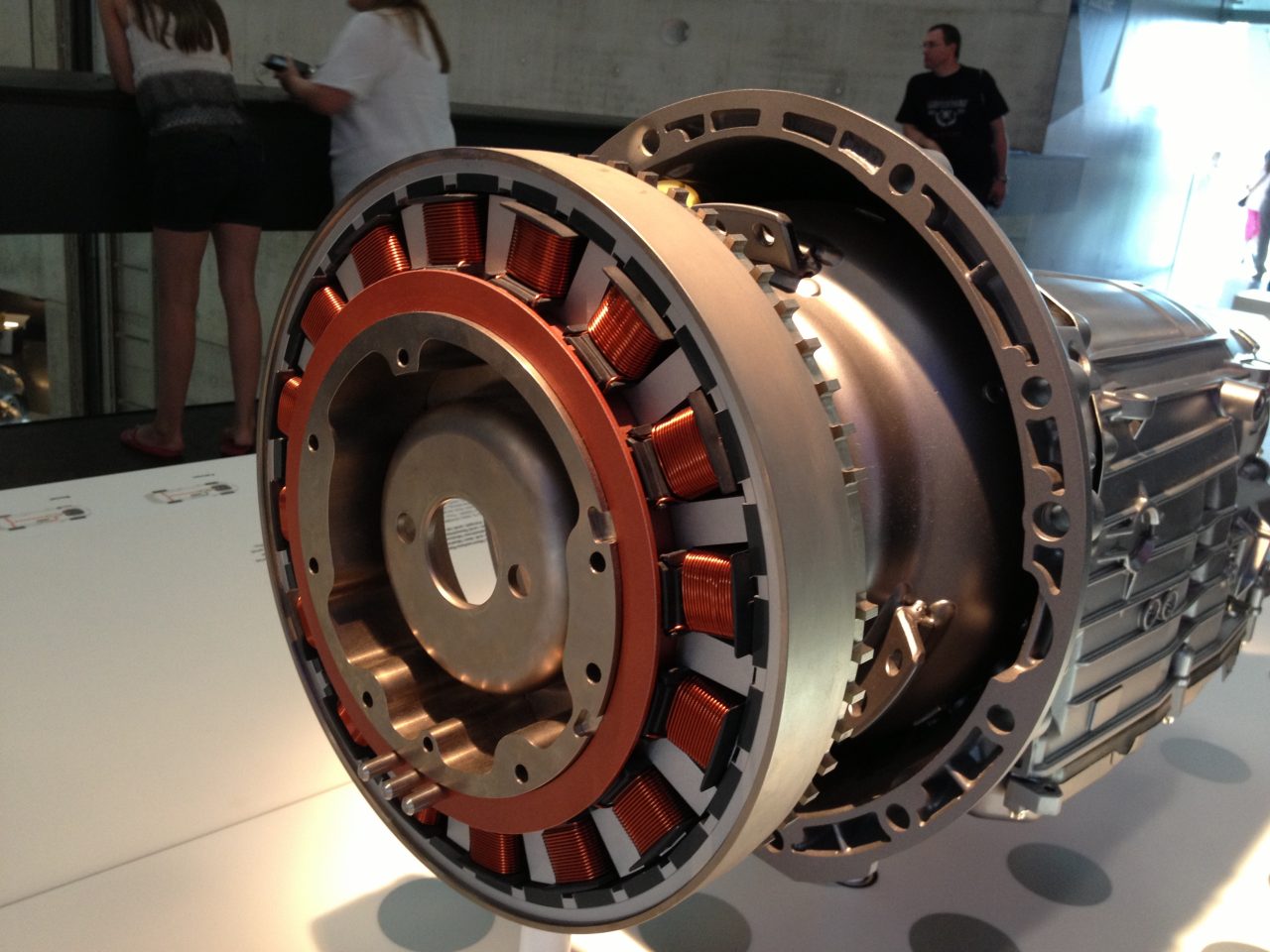
The adoption of permanent magnet drives in electric vehicles has significantly contributed to their rise in popularity and widespread use. These motors offer high efficiency, which translates to reduced energy consumption and extended driving range for battery-powered vehicles. Their compact size and high power-to-weight ratio also enable vehicle designers to optimize the layout of various components, such as batteries and drivetrain systems. Furthermore, the precise control of permanent magnet drives ensures smooth and responsive acceleration and deceleration, providing an enhanced driving experience for electric vehicle users.
Robotics
Permanent magnet drives have become a critical component in the field of robotics, particularly due to their high torque density and fast dynamic response. These characteristics make them well-suited for applications requiring precise positioning and movement, such as industrial robots, collaborative robots (cobots), and robotic arms. The compact size and low weight of permanent magnet motors also enable engineers to design more agile and versatile robotic systems capable of performing complex tasks with greater efficiency and accuracy.
Aerospace Systems
The lightweight, compact nature of permanent magnet drives, combined with their high power-to-weight ratio, makes them an ideal choice for aerospace applications. These motors are commonly used in actuation systems, which control various aspects of aircraft flight, such as wing flaps and landing gear. Additionally, they are employed in propulsion systems for electric and hybrid-electric aircraft, as well as auxiliary power units that provide electrical power to onboard systems. The reliability, efficiency, and precise control of permanent magnet drives contribute to the overall safety and performance of aerospace systems.
Renewable Energy Systems
Permanent magnet drives have become increasingly popular in renewable energy systems, particularly wind turbines, due to their high efficiency and reliability. The compact design and low maintenance requirements of these motors are advantageous in wind power applications, where accessibility and servicing can be challenging. By using permanent magnet drives in wind turbines, the generated electricity can be maximized, helping to reduce the cost of energy production and contribute to global sustainability efforts.
Industrial Automation
Permanent magnet drives play a crucial role in various industrial automation applications, such as conveyor systems, machine tools, and automated manufacturing processes. Their high efficiency, precision control, and rapid response to changing conditions are essential in these settings, ensuring consistent and reliable operation. By implementing permanent magnet drives in industrial automation systems, manufacturers can achieve increased productivity, reduced energy consumption, and lower maintenance costs, ultimately enhancing their overall competitiveness.
Household Appliances
The compact size, low noise characteristics, and high efficiency of permanent magnet drives make them an attractive option for household appliances, such as washing machines, air conditioners, and refrigerators. These motors enable appliance manufacturers to develop more energy-efficient and environmentally friendly products, in line with global efforts to reduce energy consumption and carbon emissions. Additionally, their precise control and smooth operation contribute to improved performance and user experience in various household appliances, ultimately enhancing the quality of life for consumers.
Future Developments in Permanent Magnet Drive Technology
Advances in Magnet Materials
Future developments in permanent magnet drive technology promise to address some of the existing challenges and limitations while further enhancing performance and efficiency. One area of ongoing research is the advancement of magnet materials. Scientists and engineers are exploring new magnet alloys and compositions to improve magnetic properties while reducing the dependence on rare earth elements. The development of these new materials could potentially lower the cost of permanent magnet motors, increase their availability, and reduce the environmental impact associated with the extraction and refinement of rare earth materials. Moreover, breakthroughs in nanotechnology and advanced manufacturing techniques may lead to the creation of more efficient and cost-effective permanent magnets with superior performance characteristics.
Improved Motor Designs
Improved motor designs are another area of future development in permanent magnet drive technology. Researchers are continually working on enhancing cooling methods to effectively manage the heat generated during motor operation, which can help extend the life of motor components and prevent demagnetization. Additionally, the optimization of motor geometries, such as stator and rotor configurations, can lead to higher performance, increased torque density, and better overall efficiency. The development of novel materials and manufacturing techniques may also contribute to further advancements in motor design, enabling the creation of lighter, more compact, and more efficient permanent magnet drives.
Integration with Smart Control Systems
The integration of permanent magnet drive technology with smart control systems is another promising area of future development. As the Internet of Things (IoT) continues to expand and revolutionize various industries, the connectivity and intelligence of motor control systems are expected to improve. This could lead to the seamless integration of permanent magnet drives with IoT-enabled devices, enabling real-time monitoring, remote control, and data-driven optimization of motor performance. Furthermore, the combination of advanced sensors and machine learning algorithms could facilitate predictive maintenance, allowing for the identification of potential issues before they escalate into critical failures. This not only enhances the reliability and longevity of permanent magnet drives but also contributes to reduced maintenance costs and downtime. Overall, these future developments in permanent magnet drive technology are poised to unlock new potential in a wide range of applications and industries, further solidifying their position as a key player in the pursuit of energy efficiency and sustainability.
Conclusion
In conclusion, permanent magnet drives have emerged as a critical technology in various industries due to their numerous advantages, such as high efficiency, compact size, and precise control. While challenges exist, including cost, demagnetization risks, and supply chain concerns, ongoing research and development efforts aim to address these limitations and further enhance the performance of permanent magnet drive technology. Future developments in magnet materials, improved motor designs, and integration with smart control systems are expected to drive further advancements in this field. As the global demand for energy-efficient solutions continues to grow, the adoption of permanent magnet drive technologies will play an increasingly significant role in the development of sustainable systems and the overall reduction of our carbon footprint. By overcoming current challenges and harnessing the potential of these advanced motor technologies, permanent magnet drives will undoubtedly have a lasting impact on the future of transportation, manufacturing, robotics, and countless other sectors.
DO Supply Inc. makes no representations as to the completeness, validity, correctness, suitability, or accuracy of any information on this website and will not be liable for any delays, omissions, or errors in this information or any losses, injuries, or damages arising from its display or use. All the information on this website is provided on an "as-is" basis. It is the reader's responsibility to verify their own facts.