PLC vs. Microcontroller: Choosing the Right Control Solution
In many different sectors, choosing the right control solution is crucial since it affects automated systems’ accuracy, efficiency, and flexibility. Microcontrollers and Programmable Logic Controllers (PLCs), each with unique features and advantages, are two well-known competitors in this field. PLCs are essential to large-scale production and process management because they are designed for industrial automation and have resilience, real-time processing capabilities, and broad input/output (I/O) handling. Conversely, microcontrollers provide adaptability, personalization, and low power consumption, making them appropriate for various uses, including consumer electronics, embedded systems, and Internet of Things (IoT) gadgets. Several variables affect this comparison, like programmability, processing speed, power consumption, security features, and integration possibilities. Here, we will discuss the following features of PLCs and microcontrollers.
Programmability
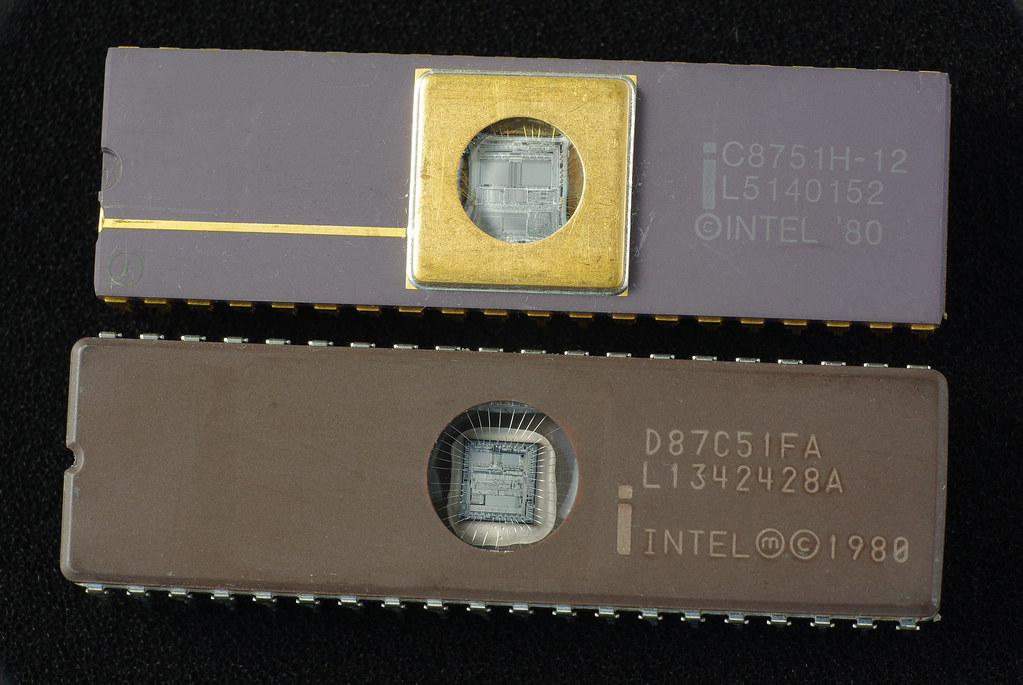
A key attribute that sets Programmable Logic Controllers (PLCs) apart from microcontrollers is programmability. PLCs are designed to emphasize programming that is easy for users to understand. They use graphical languages like ladder logic. This method improves accessibility, especially for people who don’t have a lot of programming experience. Control logic is represented graphically by ladder logic, which is similar to electrical relay diagrams. Programming is made easier with this visual method, which is also natural for people familiar with industrial processes and control systems. On the other hand, conventional programming languages like C or assembly are frequently required for microcontrollers like Arduino IDE and ESP 32, etc. These text-based languages need a greater comprehension of programming ideas. Microcontrollers are used in many different sectors, such as embedded systems in consumer electronics and complex control systems in the automotive and aerospace industries. Because programming in languages like C and C++ gives more control over the hardware, microcontrollers may be used for jobs requiring accuracy and processing in real-time. Consider how a PLC may be used to manage a production process in an industrial setting. Ladder logic may be used to program the PLC to control inputs and outputs and create logical steps for making decisions. For example, a ladder logic software program may be created to manage the order in which robotic arms and conveyor belts are used in a manufacturing line. On the other hand, picture a microcontroller integrated into a medical gadget, such as a patient monitoring system. Real-time warnings, processing of vital signs, and handling of sensor data may all be done with C programming on the microcontroller. Text-based languages enable complex control and customization, which is essential for situations where accuracy is critical. Programming languages such as ladder logic, Structured Text (ST), Function Block Diagram (FBD), and Instruction List (IL) are examples of PLCs. Python, Assembly, C, and C++ are among the languages frequently used with microcontrollers. The decision between PLCs and microcontrollers is frequently influenced by the complexity of the application and the available programming expertise for a particular project.
Real-Time Processing
When differentiating microcontrollers and programmable logic controllers (PLCs), real-time processing is a crucial factor. PLCs are made for situations where real-time control task execution must be deterministic and predictable. Real-time processing in a PLC guarantees accurate control over equipment and operations in an industrial context, adhering to strict time limits. For instance, a PLC may be in charge of directing robotic arms’ motion and positioning in an assembly line in a manufacturing setting. With real-time processing, the PLC can accept sensor input signals, turn those data into choices using logic that has been preprogrammed, and provide output signals that operate the robots with the least amount of lag. This is essential to preserving accuracy and synchronization throughout the production process. To sum up, PLCs perform very well in situations requiring rigorous real-time processing, providing accurate and reliable control in industrial automation. Although flexible, microcontrollers could be better suited for uses where real-time limitations are less important, opening a wider range of applications outside industrial automation. The particular time needs of the application at hand will choose which of them to use.
Network Integration
Network connectivity is an important aspect to consider when analyzing Programmable Logic Controllers (PLCs) with microcontrollers to determine the best control solution. PLCs are made with capabilities that allow them to be easily integrated into industrial networks and communicate effectively with other devices. PLCs frequently accept communication protocols in complicated automation systems that make data transmission easier. EtherNet/IP, DeviceNet, Profinet, Profbus, and Modbus are examples of PLC communication protocols. These protocols may connect PLCs with actuators, sensors, and other controllers to establish a cohesive network that guarantees coordinated and synchronized control in industrial applications. In contrast, extra hardware and software may be needed for microcontrollers to accomplish successful network integration. Microcontrollers can handle a wide range of communication protocols. However, further customization can be required for the integration process. Microcontrollers are frequently used with communication protocols such as MQTT, CoAP, HTTP, MQTT-SN, and DDS. Microcontrollers are used in many different domains, such as consumer electronics and Internet of Things devices, each of which can need its own set of network protocols. Depending on the particular application’s needs for network integration, PLCs or microcontrollers may be used. PLCs are the norm in industrial environments where reliable and consistent communication is critical. Still, microcontrollers are more versatile and may be used in many applications where protocol flexibility and customization are important. The decision is based on how complicated and standardized the control system’s networking architecture has to be.
Integration with HMIs
PLCs and HMIs can integrate seamlessly with different human-machine interfaces in different industries. Firms like Siemens, Rockwell Automation, and Schneider Electric often use PLCs in manufacturing facilities. These PLCs have sophisticated HMI integration, so operators can monitor and manage intricate operations using intuitive interfaces. Siemens Simatic HMI panels, for example, may be used in conjunction with Siemens PLCs to offer a complete control and monitoring system in an automobile assembly line. PLCs are often used in manufacturing facilities by firms like Siemens, Rockwell Automation, and Schneider Electric. Despite their versatility, microcontrollers could need more customization to integrate HMIs effectively. Microcontrollers may be used to integrate with user interfaces in smart home devices by companies like Bosch and Philips that are in the consumer electronics and home automation industries. For simplicity of use, a microcontroller-based thermostat with a touchscreen interface might be added to enable homeowners to adjust the temperature and other settings. PLCs are the favored choice in industrial environments where robust and standardized HMI integration is essential. Microcontrollers are useful in applications like the wide range of consumer electronics, where flexibility and modification to different interfaces are crucial.
Prototyping and Development
Control solutions are shaped by prototyping and development, and the decision between microcontrollers and programmable logic controllers (PLCs) depends on the project’s particular requirements. PLCs are used because of their graphical programming languages in industrial environments where quick prototyping is essential. Leading PLC manufacturer Siemens provides products like TIA Portal, which expedites factory automation prototypes. For instance, a PLC may be quickly prototyped with ladder logic to operate robotic arms in an automobile manufacturing line. Microcontrollers, on the other hand, excel in situations where customization and flexibility are necessary throughout development. Strong microcontroller systems are offered by companies like Raspberry Pi and are utilized for fast prototyping in a variety of fields, including home automation. A smart house’s lighting and security systems may be controlled and monitored by a microcontroller-based prototype, demonstrating the adaptability of microcontrollers in various applications. For example, A beverage manufacturing plant may use a PLC-based prototype in an industrial setting to streamline the bottling procedure and guarantee effective conveyors and filling equipment management. On the other hand, a microcontroller-based prototype may be used in an agricultural environment to create a precision irrigation system that modifies water distribution according to soil parameters and weather predictions. PLCs work well in industrial settings where quick and consistent prototyping is needed, while microcontrollers are more flexible and adaptable for a wider range of development-stage tasks. The choice must align with the particular objectives of the control system prototype.
Security Features
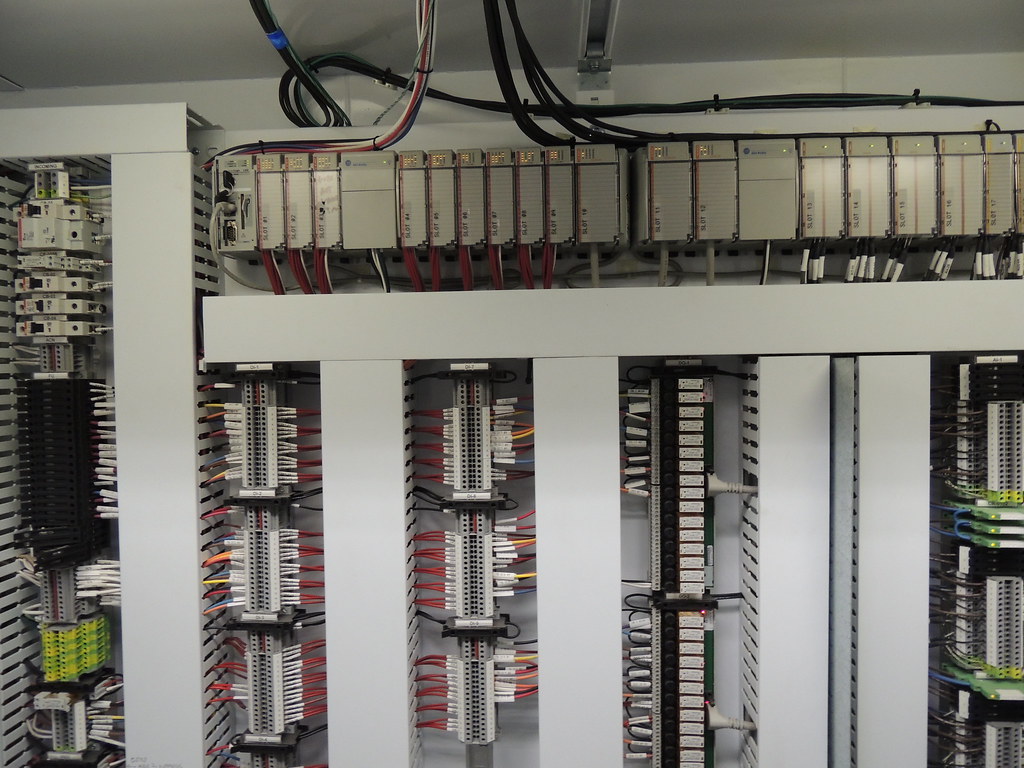
Security characteristics are key considerations when deciding between microcontrollers and programmable logic controllers (PLCs) for control systems. Robust security features, such as audit trails, secure boot processes, encryption protocols, access control mechanisms, and support for network security protocols like TLS/SSL, are frequently included in PLCs intended for industrial automation. These characteristics guard against cyberattacks and unwanted access to guarantee the security of crucial processes in industrial facilities. Microcontrollers, on the other hand, can need more security measures despite their versatility. Code encryption, secure key storage, firewalls, tamper detection systems, filtering capabilities, and challenge-response protocols are common security features for microcontrollers. PLCs are recommended in sectors where strict security protocols are necessary because they offer reliable and consistent security features. Microcontrollers are flexible, but careful attention to security procedures is needed to safeguard data and systems. For instance, a security breach in a manufacturing facility that uses PLCs can jeopardize industrial process safety or cause production to be disrupted. On the other hand, security flaws in a microcontroller-based smart home system might put homeowners at risk for privacy violations or illegal access to linked equipment. A thorough assessment of the security features built into PLCs and the extra precautions needed for microcontrollers is necessary when choosing the optimal control solution.
Data Handling and Processing Speed
PLCs are excellent at handling massive amounts of real-time data with predictable processing since they are made for industrial automation. In a manufacturing scenario, for instance, a PLC may precisely control actuators and interpret data from several sensors monitoring production lines. PLCs are designed to efficiently handle time-sensitive tasks and I/O activities, providing dependable and predictable control in industrial settings. However, despite their versatility, microcontrollers may have processing speed restrictions, particularly in applications that need predictable and quick replies. Microcontrollers are used for activities like sensor data processing and device control in embedded systems and Internet of Things devices. For example, a smart home thermostat’s microcontroller interprets temperature measurements and modifies the heating or cooling system as necessary. Although microcontrollers are flexible, their processing speed may be limited when compared to PLCs’ specialized processing powers. To provide exact control of generators and safety systems, the PLC analyzes data from sensors measuring variables including voltage, current, and temperature. The PLC’s real-time processing skills are essential for preserving grid stability and quickly adapting to changing energy use. On the other hand, consider an intelligent traffic management application in a smart city that uses a microcontroller-based system. To optimally improve traffic efficiency and time traffic signals, the microcontroller processes data from several sensors, such as cameras and traffic flow sensors. Even while the microcontroller can adjust to changing traffic circumstances with flexibility, it might not be able to respond as quickly in real-time as a specialized industrial PLC.
Power Consumption
Power consumption is a significant variable to consider when evaluating microcontrollers with Programmable Logic Controllers (PLCs). Because PLCs are intended for heavy-duty industrial applications, their features and specialized hardware may increase power consumption. For example, a PLC controlling robotic arms in a computer chip production facility system may require comparatively high power consumption to handle broad I/O capabilities and real-time processing. In contrast, microcontrollers are typically designed with energy economy in mind, which makes them a good fit for low-power or battery-powered applications. Imagine if a distant environmental monitoring station installed a microcontroller-based system. The microprocessor processes Data from several sensors, whose power consumption is designed to allow for extended operation with low energy use. A PLC may be utilized in a facility that treats water to regulate pumps and valves precisely to ensure effective water treatment procedures. The PLC can perform complicated control tasks and retain real-time responsiveness, which justifies its increased power consumption. On the other hand, a microcontroller-based system may be used in commercial farming in smart soil humidity and water level monitoring systems. The decreased power consumption of the microprocessor is useful in this situation when the energy economy is essential for prolonged operation in remote agricultural areas. High-performance PLCs, frequently needing more than 50 watts of power, are made for intricate automation tasks in large-scale companies. Conversely, energy-efficient microcontrollers may utilize less than 1 watt operating normally, especially in battery-operated or Internet of Things devices.
Conclusion
In conclusion, the selection between microcontrollers and programmable logic controllers (PLCs) is a complex one that is influenced by the particular requirements of the control system and the qualities needed for effective functioning. These are a variety of aspects that are all important to take into account when choosing the best control solution for a particular application. PLCs are unique in that they can be easily programmed using graphical programming languages such as ladder logic. PLCs are becoming more approachable, particularly for people who are not as experienced with conventional programming languages. Conversely, microcontrollers need knowledge of languages such as C or assembly, but they offer more hardware control for applications that need accuracy. PLCs are indispensable in sectors where deterministic control is crucial due to their real-time processing capabilities. Manufacturing automation is one example of how PLCs guarantee precise and timely control of job performance. Despite their versatility, microcontrollers could find their sweet spot in applications where real-time requirements are less strict. Network integration demonstrates how versatile microcontrollers are; even with a little more work, they can handle many communication protocols. Because they are made for industrial networks, PLCs provide strong and standardized integration, which is especially important in industries requiring constant and dependable communication. Integration with Human-Machine Interface (HMI), which offers standardized solutions, highlights PLCs’ smooth interoperability with industrial interfaces. Although microcontrollers are quite flexible, they may need to be customized to integrate HMI properly. Hence, they are best suited for applications with less complex interface requirements. While microcontrollers thrive in adaptable and configurable applications like those in the consumer electronics and Internet of Things sectors, PLCs’ quick prototyping skills in industrial automation are demonstrated in prototype and development. Security features and power consumption highlight the trade-offs between PLCs and microcontrollers; PLCs provide strong security but may require more power, while microcontrollers prioritize energy efficiency but may require extra security measures. Data handling and processing speed highlight the unique capabilities of PLCs in managing data in real-time, in contrast to the adaptability of microcontrollers with certain processing speed constraints.
DO Supply Inc. makes no representations as to the completeness, validity, correctness, suitability, or accuracy of any information on this website and will not be liable for any delays, omissions, or errors in this information or any losses, injuries, or damages arising from its display or use. All the information on this website is provided on an "as-is" basis. It is the reader's responsibility to verify their own facts.