A Comparative Review: Allen-Bradley SMC-2 vs. Other Soft Starters
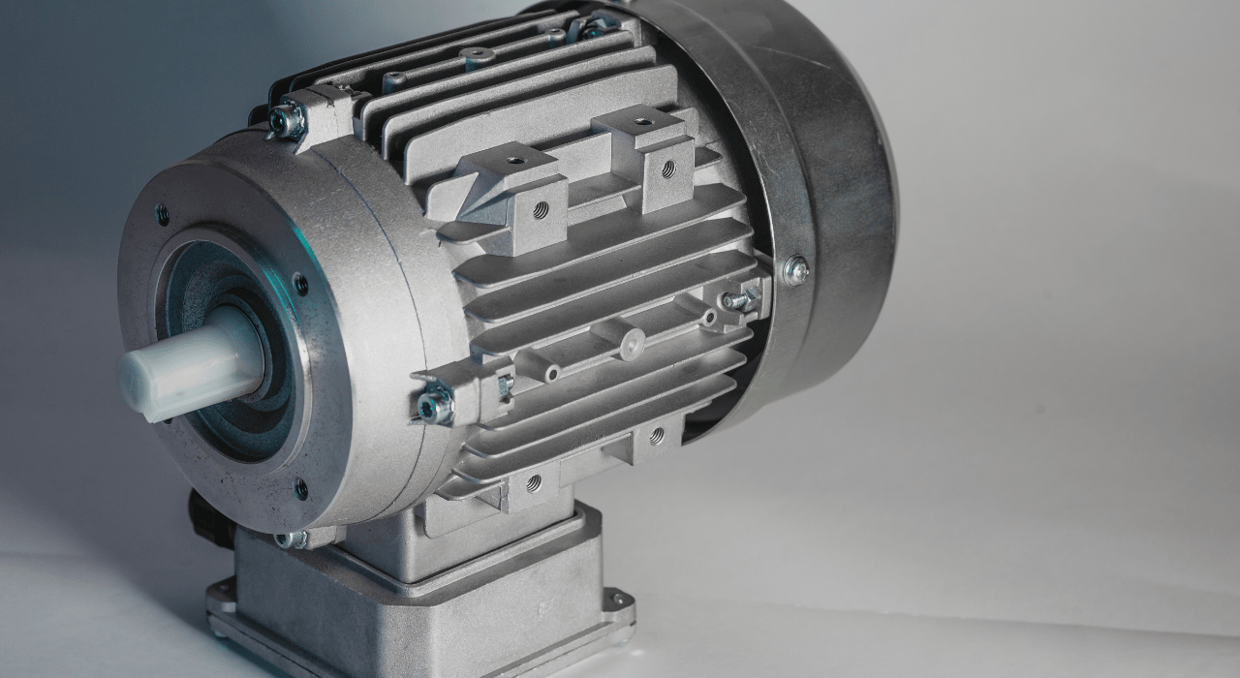
Soft starters are devices designed to protect electric motors from damage during startup. Unlike traditional starters, which provide full power immediately, soft starters gradually increase the power, easing the motor into operation. This prevents sudden surges of electricity that can harm the motor. Soft starters are also known as reduced-voltage soft starters because they reduce the voltage supplied to the motor initially. They ensure a smooth and controlled start of the motor.
A motor soft starter operates by regulating the voltage flowing through the motor’s circuits. It achieves this by managing the torque within the motor, effectively controlling the amount of power delivered to the motor. By limiting the torque, the soft starter can decrease the voltage supplied to the motor, ensuring a gentle start. As the motor begins to operate, the soft starter gradually increases the voltage, facilitating a smooth current transition.
The Allen-Bradley SMC-2
The Allen-Bradley SMC-2 Controller, also known as a smart motor controller or soft starter, is a compact and versatile solid-state device specifically designed for initiating standard three-phase squirrel-cage induction motors. Within a single unit, it offers three primary operational modes: Soft Start, Current Limit Start, and Full Voltage Start. It also provides an optional Soft Stop feature, which requires the Interface Module for activation. Working in conjunction with an electromechanical motor starter, the SMC-2 Controller brings numerous advantages. It simplifies installation by eliminating the need for additional control wiring, thus streamlining the setup process. Its compatibility with existing Allen-Bradley electromechanical motor starters ensures smooth integration, facilitating easy retrofitting without extensive modifications. Moreover, the SMC-2 digital adjustment capabilities make setup precise and straightforward, eliminating the complexities associated with analog potentiometers and ensuring optimal motor performance.
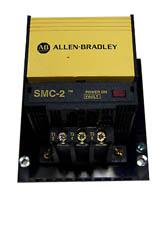
This article explores the key characteristics of Allen Bradley’s SMC-2 and provides a comparative analysis with Danfoss’s renowned VLT Soft Starter and WEG and DOLD’s soft starters.
The Allen Bradley SMC-2 and the Danfoss VLT Soft Starter represent advanced motor control technologies designed for diverse application requirements. While both prioritize smooth motor starting and stopping, each device showcases unique approaches and feature arrays to enhance motor performance and operational efficacy. Similarly, WEG’s soft starters and DOLD alternatives offer competitive solutions. WEG soft starters deliver reliable performance and strong protection features like Allen Bradley and Danfoss. Meanwhile, DOLD focuses on specialized functions and a sturdy build tailored to meet specific industrial requirements with accuracy and durability.
Comparative Analysis: Allen-Bradley SMC-2 vs. Other Soft Starters
Size Indication and Concept
The Allen Bradley SMC-2 offers a comprehensive range of motor sizes, with power ratings ranging from 1.5 kW to 450 kW at 400 V. It is available in various enclosure types, providing options for different application environments. The soft starter ensures enhanced soft start and stop functionality and advanced motor and system protection features. Conversely, the Danfoss VLT Soft Starter boasts a wide range of power ratings, covering 7.5 kW to 850 kW at 400 V. It features a compact design suitable for DIN rail mount, providing basic soft start and stop functionality. It also offers advanced control methods for starting and stopping and comprehensive motor and application protection. WEG soft starters offer competitive power ratings ranging from 1.5 kW to 412 kW at 575 V for the SSW07/08 series. Like the Allen Bradley SMC-2 and Danfoss VLT Soft Starter, DOLD’s soft starters cater to various motor sizes and power ratings, ensuring compatibility with various applications.
Start/Stop and Protection
Regarding the start/stop and protection features, the Allen Bradley SMC-2 incorporates adaptive acceleration and deceleration control, current limit start, dual parameter function, kick-start, jog, and timed voltage ramp-up. It also provides protection against undercurrent, current imbalance, starter over temperature, restart delay, and various other faults. In contrast, the Danfoss VLT Soft Starter also features adaptive acceleration and deceleration control, current limit start, ramp start, selectable kick-start function, TVR soft stop, coast to stop, and DC brake function. It offers protections such as undercurrent, current imbalance, starter over temperature, warning before trips, and adjustable phase imbalance sensitivity. DOLD’s soft starters offer comparable functionalities to the Allen Bradley SMC-2. They incorporate features like adjustable ramp time and starting torque, semiconductor bridging after startup, and LED indication for ease of operation and monitoring. DOLD’s soft starters protect against short circuits, overloads, and other electrical faults, ensuring reliable motor operation and system safety.
Control and Optional Features
The SMC-2 has an 8-language graphical display and keypad, offering quick menu navigation and specific application settings. It supports two or three wire controls and provides options for serial communication modules and PC software for enhanced control and monitoring. Similarly, the Danfoss VLT Soft Starter offers programmable start/stop functions via rotary switches, with options for remote operation kits and PC software. Comparatively, both WEG and DOLD’s soft starters offer advanced control and optional features. WEG’s soft starters have intuitive user interfaces featuring graphical displays and keypads, allowing for easy operation and parameter adjustment. They also support various control options and communication interfaces, enabling seamless integration into diverse control systems for enhanced motor control applications.
Other Features and Approvals
The SMC-2 and the Danfoss VLT Soft Starter integrate integral SCR bypass for minimum size and heat dissipation during nominal operation. They feature LED status indications and adhere to IP20 standards for protection. Both controllers are equipped with comprehensive protection kits and hold certifications from various regulatory bodies, including UL, CE, and CCC, ensuring compliance with international standards and providing users with safety and regulatory compliance assurance. In comparison, DOLD’s soft starters prioritize safety and reliability, incorporating features such as thermoplastic housing with V0 behavior according to UL subject 94 and adherence to IP20 standards for protection against dust and water ingress.
Electrical Design Specifications/Test Requirements Comparison
Repetitive Peak Inverse Voltage (PIV) Rating
The SMC-2 soft starter offers a PIV rating of 1200V for up to 240V lines, 1400V for up to 480V lines, and 1600V for up to 600V lines, ensuring robust performance and protection against voltage spikes across different voltage ranges. Conversely, the Danfoss VLT Soft Starter provides comprehensive protection against voltage transients and surges through its integrated protection features. WEG soft starters, including the SSW05, SSW07, SSW08, and SSW900, provide robust protection against voltage spikes with their PIV ratings. While specific PIV ratings may vary depending on the model and voltage range, WEG ensures reliable performance across different voltage levels, protecting against transient voltage fluctuations.
Selectable Soft Start Times
The Allen Bradley SMC-2 offers selectable soft start times ranging from 2 to 30 seconds, providing users with a wide range of options to customize motor starting profiles according to specific application requirements. Similarly, the Danfoss VLT Soft Starter also offers flexibility in soft start times, with selectable options of 2, 5, 10, 20, 25, and 30 seconds. This feature enables users to tailor the soft-start duration based on their application’s unique needs, ensuring optimal motor performance and efficiency. Like the Allen Bradley SMC-2 and the Danfoss VLT Soft Starter, WEG soft starters allow users to customize soft start times according to their application requirements. Users can customize the soft start duration from 1 to 999 seconds, ensuring the best motor performance and efficiency across diverse industrial environments.
Current Limit Times
The Allen Bradley SMC-2 offers current limit times of 15 and 30 seconds, allowing users to adjust the duration to limit the maximum starting current. However, the Danfoss VLT Soft Starter provides current limit start functionality, ensuring controlled motor startup. Users can adjust the current limit duration based on their specific needs, providing a versatile solution for limiting the maximum starting current and protecting the motor during startup sequences.
Selectable Across-the-Line Starting
The Allen Bradley SMC-2 supports selectable across-the-line starting with a rapid ramp time of less than 1/10 second. It offers traditional starting for applications where soft starting is not required. In contrast, the Danfoss VLT Soft Starter primarily emphasizes soft starting methods and does not explicitly provide across-the-line starting.
Soft Stop Times
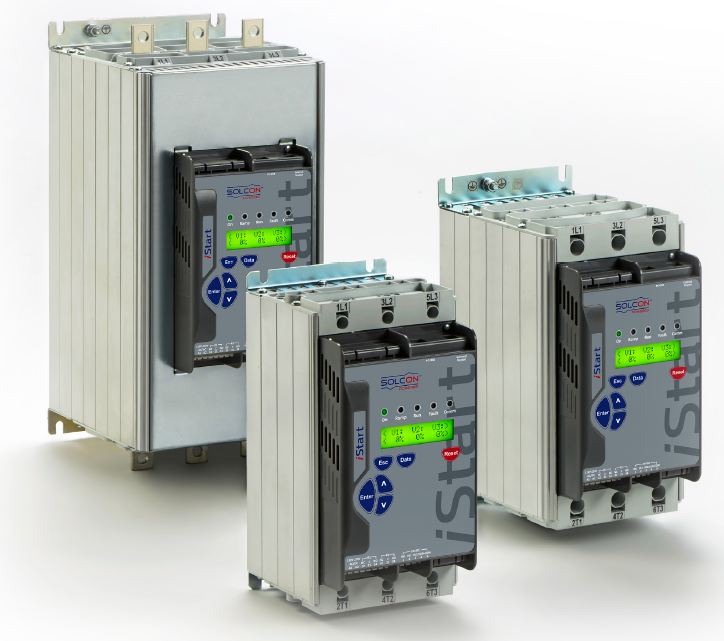
The Allen Bradley SMC-2 offers selectable soft stop times ranging from 5 to 110 seconds, allowing for precise control over deceleration. Conversely, the Danfoss VLT Soft Starter provides soft stop times of 5, 10, 15, 25, 35, 45, 55, and 110 seconds. These options enable soft starters to facilitate smooth deceleration and motor stopping, effectively reducing mechanical stress and minimizing equipment wear.
Noise & RF Immunity
The Allen Bradley SMC-2 features surge transient peak protection of 3400V and showering arc protection of 1500V, ensuring immunity against noise and RF interference. Also, it incorporates DV/DT protection through an RC snubber network and offers optional transient protection using metal oxide varistors (80 joules). Conversely, the Danfoss VLT Soft Starter provides comprehensive protection against noise and RF interference up to some extent. WEG soft starters, depending on the series and model, typically incorporate protections against electromagnetic interference (EMI) and radio frequency interference (RFI).
Modes of Operation Comparison
Soft Start
Using soft starting methods, the Allen Bradley SMC-2 and the Danfoss VLT Soft Starter mitigate inrush current and mechanical stress during motor startup. The SMC-2 gradually increases motor voltage over a customizable acceleration ramp time, while the VLT Soft Starter controls the ramp-up of both frequency and voltage to achieve a similar soft start effect. DOLD soft starters utilize phase-angle control to ensure a smooth and jerk-free start, gradually increasing motor voltage to mitigate inrush current and mechanical stress. This is similar to the soft start functionality offered by the Allen Bradley SMC-2 and the Danfoss VLT Soft Starter, emphasizing controlled acceleration to prevent damage to drive elements.
Current Limit Starting
The Allen Bradley SMC-2 offers the option to limit the maximum starting current, allowing adjustment from 25 to 550% of full load amps. If the motor fails to reach the desired speed within the specified time, the SMC-2 transitions to full voltage operation. DOLD soft starters allow users to adjust the ramp-up time (0.1 to 10 seconds) and starting torque (0 to 75% of the maximum value) using potentiometers, providing customization options for specific motor requirements.
Soft Stop
The Allen Bradley SMC-2 and the Danfoss VLT Soft Starter MCD 500 offer soft-stopping capabilities to reduce equipment stress during shutdowns. Users can adjust the deceleration period and voltage ramp-down time with the SMC-2, enabling a controlled deceleration process. On the other hand, the Danfoss VLT Soft Starter achieves soft stopping by gradually decreasing the frequency and voltage output, ensuring a smooth deceleration and gradual reduction of speed. These features aim to prolong equipment lifespan and minimize mechanical strain on critical components, enhancing overall system reliability.
Space and Installation
The Allen Bradley SMC-2 offers adaptable design and installation options when considering form factor and installation flexibility. Similarly, the Danfoss VLT Soft Starter boasts a compact footprint, which is ideal for applications with limited space availability, maximizing space utilization within control panels and equipment enclosures. In comparison, DOLD soft starters, available in IL 9017 and SL 9017 versions, feature compact designs suitable for integrating industrial systems and equipment. The IL 9017 has a depth of 61 mm with bottom terminals, while the SL 9017 has a depth of 100 mm with top terminals, both sharing a width of 35 mm. This indicates that DOLD soft starters also offer space-efficient solutions, contributing to streamlined installation processes and optimized use of available resources.
Application Flexibility
Regarding industrial applications, Allen Bradley SMC-2 soft starters offer remarkable adaptability across various industries. With adjustable current ratings and voltage ranges, they cater to various operational needs, ensuring flexibility in different setups and environments. Conversely, Danfoss VLT Soft Starters are optimized for specific applications like centrifugal pumps, fans, compressors, and conveyor belts. They excel in providing gentle acceleration and deceleration profiles, reducing wear and tear on critical equipment components. In comparison, WEG soft starters serve diverse industries, including sugar and alcohol production, agribusiness, cement and mining, water and wastewater treatment, and chemical, petrochemical, oil, and gas sectors. They balance adaptability with application-specific optimization, offering efficient motor control solutions tailored to the requirements of each industry.
Environmental Specifications Comparison
Temperature Operating
The Allen Bradley SMC-2 and the Danfoss VLT Soft Starter both offer operating temperature ranges suitable for standard industrial environments, typically ranging from 0°C to +50°C (32°F to +122°F). In comparison, DOLD soft starters operate within a similar temperature range of 0°C to +55°C (32°F to +131°F), providing compatibility with typical industrial operating conditions.
Temperature Storage
The Allen Bradley SMC-2 and the Danfoss VLT Soft Starter offer wide storage temperature ranges to ensure functionality even in harsh storage environments. The SMC-2 is rated for storage between -40°C and +85°C (-40°F to +185°F).
Altitude
Both the Allen Bradley SMC-2 and the Danfoss VLT Soft Starter specify an altitude limit of 2000 meters (6560 feet), ensuring proper operation at moderate altitudes.
Humidity
The operational relative humidity range for the Allen Bradley SMC-2 and the Danfoss VLT Soft Starter to operate is 5% to 95% non-condensing, offering flexibility in various environmental conditions.
Conclusion
In conclusion, the comparison between the Allen Bradley SMC-2 Smart Motor Controller and other soft starters highlights the diverse range of features and capabilities available in the market. The SMC-2 stands out for its adaptable design, comprehensive protection features, and precise control over motor starting and stopping processes. Its compatibility with existing electromechanical motor starters and digital adjustment capabilities make it a versatile choice for various industrial applications. At the same time, the Danfoss VLT Soft Starter offers comparable functionalities while providing unique advantages such as flexible soft-start times and current limit adjustments. Both soft starters prioritize energy efficiency and comply with international standards for safety and regulatory requirements. Including WEG and DOLD soft starters in the discussion demonstrates the breadth of options available to users. WEG soft starters cater to specific industries with robust protection features, while DOLD soft starters offer specialized functionalities and compact designs suitable for integration into industrial systems. The choice between soft starters ultimately depends on the specific requirements of each application and industry. Whether prioritizing adaptability, energy efficiency, or specialized functions, users can select the soft starter that best aligns with their needs to ensure optimal motor performance and system reliability.
DO Supply Inc. makes no representations as to the completeness, validity, correctness, suitability, or accuracy of any information on this website and will not be liable for any delays, omissions, or errors in this information or any losses, injuries, or damages arising from its display or use. All the information on this website is provided on an "as-is" basis. It is the reader's responsibility to verify their own facts.