Why PowerFlex Drives Fail After a Plant Shutdown
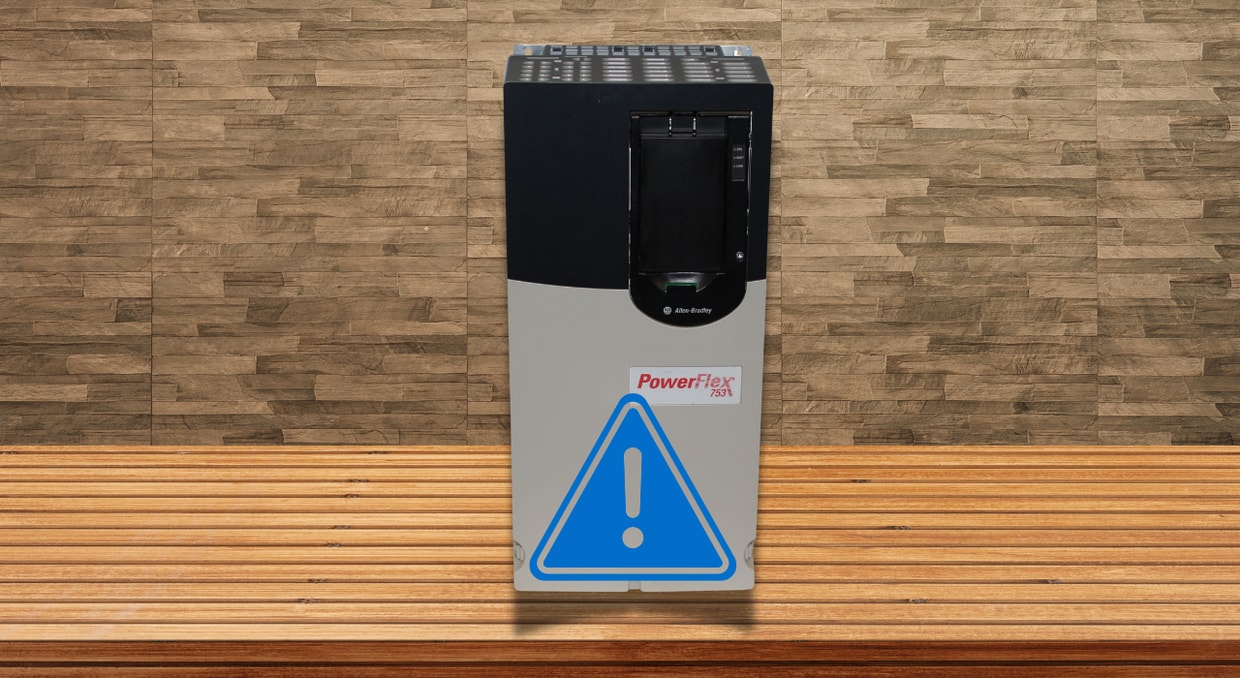
When a plant experiences a planned shutdown, turnaround, holiday outage, or utility maintenance window, one or more PowerFlex drives fail within minutes or hours of re-energization. This is a distinct, recurrent pattern that maintenance engineers in the heavy industry can quickly identify. After years of trouble-free operation, the drive suddenly malfunctions, trips a breaker, or, in the worst situations, literally destroys an IGBT module.
It is a foreseeable result of power electronics deteriorating when idle, contaminants and moisture building up when a drive isn’t producing heat, and a plant’s restart cycle interacting with both. The difference between considering every shutdown-related failure as a mystery and creating a restart strategy that stops it is an understanding of these mechanics.
The Core Problem: Drives Are Designed to Run, Not Sit Idle
The internal parts of a PowerFlex drive are designed to operate continuously or almost continuously. Long-term proper operation of the DC bus electrolytic capacitors, IGBT gate driver boards, and cooling fans depends on the drive being activated and producing heat. This is made clear in Allen-Bradley’s own service bulletin on drive storage and reforming: after two years of storage, there is no need for reforming; after two to three years, rated voltage must be applied for 30 minutes without any load; and after three years, a controlled DC ramp-up from 0 to 100% rated voltage in 25%, 50%, 75%, and 100% increments must be held for 30 minutes. Even if the drive never physically left its panel, a plant closure of weeks or months, which is typical for seasonal facilities, mothballed lines, or significant turnarounds, puts the drive in a storage condition that the original commissioning team never anticipated.
Electrolytic Capacitor Dielectric Degradation During Idle Periods
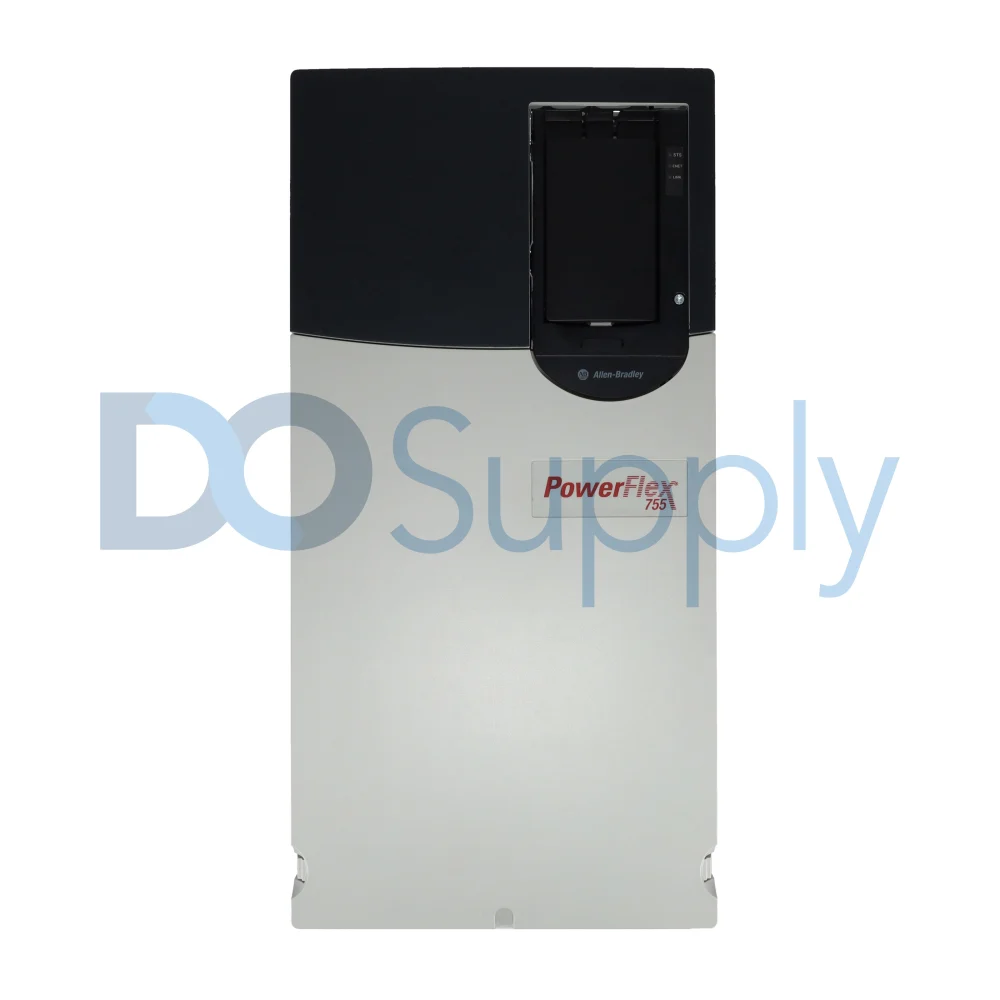
A PowerFlex drive’s DC bus capacitors depend on a thin oxide dielectric layer that is only sustained and gradually self-healing when power is continually delivered. This oxide layer deteriorates chemically when the drive is left de-energized for a long time. Increased ripple on the DC bus can hasten the loss of other drive components and is a sign of worn-out capacitors. Without a regulated ramp-up, reapplying full-rated voltage to a capacitor with a damaged dielectric layer results in increased leakage current, localized heating inside the capacitor, and, in extreme situations, capacitor rupture or venting.
Allen-Bradley’s reforming process was created for this very reason. In one reported field case, a 200 HP PowerFlex 750 that had probably been on the shelf for at least three years generated a loud bang and tripped a 400-amp breaker after being removed from storage and re-energized without any reformation procedure. A drive that sat unpowered during a prolonged plant outage but never left its panel is subject to the same chemical laws. The capacitors deteriorate in both situations, and the motor cannot distinguish between an idle panel and a warehouse shelf.
Moisture and Conductive Contamination Accumulation
Heat is produced whenever a drive runs. The inside enclosure air is kept slightly above ambient by this heat, which prevents condensation and aids the removal of moisture entering through cable glands, vents, and seals. The container interior precisely follows ambient temperature and humidity, including overnight temperature changes that cause condensation to form on cold internal surfaces, and a drive that is left idle and unpowered for days or weeks completely loses its thermal buffer.
After a breaker reset, a PowerFlex unit taken from a rock quarry application failed catastrophically. The technician noted that the unit was filled with dirt from a salt/sand factory and had significant humidity, which makes it conductive. In the past, PC boards would have shorted out and destroyed the machine before the IGBTs failed, but conformal coating on contemporary boards allows contamination to finally reach the power circuit and kill it there instead. Crud with moisture can definitely cause that type of failure. This pollution has uninterrupted time to settle, absorb moisture, and create conductive channels across power terminals or PCB traces during a shutdown—paths that would have remained dry under a running, heated drive.
The Breaker-Trip-and-Reset Failure Sequence
The drive trips a breaker upon restart, someone resets the breaker without looking into it, and the drive fails catastrophically on the second try. This is one of the most typical shutdown-related failure tales. The IGBT pack is usually already damaged when a drive trips a breaker for the first time. Since a short on the output side usually destroys the IGBTs on the first trip, fuses would not have prevented the already-failed devices from catastrophically failing if they had been re-energized.
The practical lesson is straightforward: a breaker trip that occurs immediately after a shutdown restart is not an annoyance to be ignored. Installing a 1-amp temporary fuse block before completely re-energizing is a field-tested procedure when a VFD bursts its fuses or trips a breaker. This is because a drive only requires around 1 amp of power to bring its control board online for a self-test, without risking further damage to the power section. When a drive trips on the first restart after a shutdown, it should be interpreted as a diagnostic indication rather than a problem to be fixed.
Utility Power Restoration and Transient Events
Drives that are kept idle but remain connected to the incoming feeder are vulnerable to switching transients during power restoration since plant shutdowns sometimes coincide with utility-side maintenance. In one recorded instance, a water treatment facility turned down its VFDs but did not completely shut them off before a planned utility interruption. A 75 HP ABB drive and a 50 HP Toshiba drive blew two internal input fuses when the utility closed 4160V cuts on a pad-mounted transformer, one at a time, to restore power; other drives in the facility were unaffected.
A loose primary-side fuse connection that had been arcing for a week was identified as the major culprit. This resulted in a single-phase loss state, which placed excessive voltage stress on the drives still attached to the bus.
Drives left on but idle during a utility outage remain vulnerable to any transient or imbalanced state that arises following power restoration. This is a pertinent lesson for PowerFlex installations. During scheduled utility operations, this risk is completely eliminated by fully disconnecting drives from the incoming feeder using the main disconnect instead of just halting them with the run command.
Cooling Fan and Heatsink Failures After Idle Periods
PowerFlex drive cooling fans are mechanical components with bearings that may seize after prolonged inactivity, especially in dusty or humid conditions where idle time allows dust or moisture to enter the fan bearing housing directly. By comparing the actual fan speed with the drive’s diagnostic port and checking for debris in the fan, the troubleshooting process resolves a reported PowerFlex 753 fault that occurs when the inverter heatsink fan operates below normal speed.
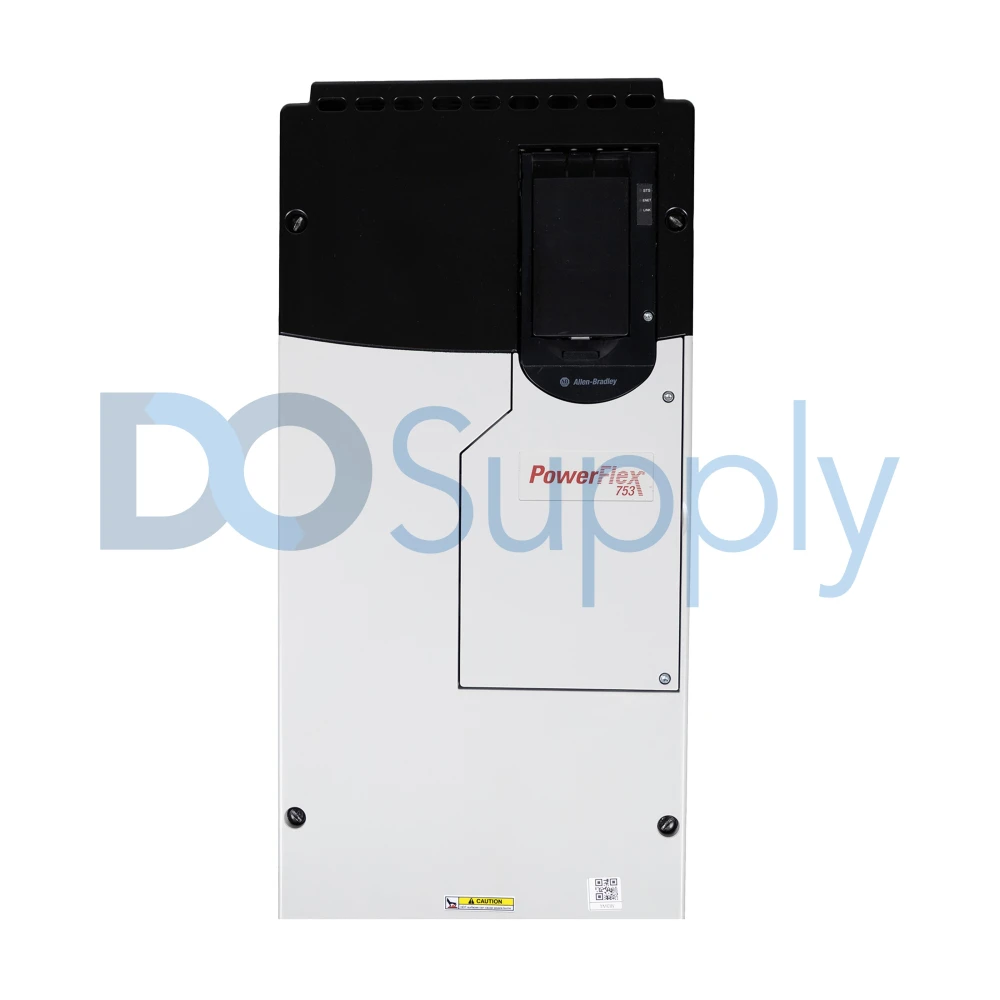
When the drive is loaded again after restarting, a fan that was operating normally prior to shutdown but seizes or slows during the idle period won’t announce itself. At that point, the heatsink temperature rises quickly without sufficient airflow, and the drive trips on overtemperature or, in rare circumstances, experiences accelerated IGBT degradation before the protection trips.
Drive-Side and System-Side Restart Procedure Recommendations
The mitigation strategy for shutdown-related PowerFlex failures runs across both drive-specific and system-level practices:
- If a drive has been idle for more than two years, even if it has never left its installed panel, follow Allen-Bradley’s prescribed capacitor reformation method.
- Instead of depending only on the run command, disconnect drives from the incoming feeder via the main disconnect for any shutdown that occurs during utility-side repair.
- Before reinstalling a new or repaired drive, measure the output cables to make sure there isn’t a shorted lead or winding. Treat any breaker trip during the initial restart as a fault-investigation event rather than a reset-and-continue event.
- As part of the pre-restart process after any prolonged shutdown, check and clean the power section components, IGBTs, capacitors, and heatsinks. This is in line with Rockwell’s suggested yearly clean and inspection cycle, which covers the power section components as access permits
Instead of finding fan failure during the initial post-shutdown load cycle, independently confirm cooling fan operation before adding load. - The PowerFlex 755T product line has true predictive maintenance capability, which determines the remaining life of fans, IGBTs, LCL filter capacitors, and bus capacitors based on actual usage, updated in real time, to assess component condition before restarting rather than relying solely on assumption. When available, use predictive maintenance data from drives equipped with it.
Final Thoughts
In conclusion, capacitor dielectric degradation during unpowered idle periods, moisture and conductive contamination building up without the thermal buffer of normal operation, mechanical cooling components seizing during inactivity, and exposure to utility-side transients during power restoration while still connected to the feeder are all physically explainable and, in almost all cases, avoidable reasons why PowerFlex drives fail after plant shutdowns. What appears to be an unpredictable failure pattern is transformed into a manageable, well-understood maintenance task with a restart procedure that treats an extended shutdown as a storage event rather than a simple pause, reforming capacitors where necessary, inspecting before re-energizing, and investigating rather than resetting past any trip.
If you have a drive with blown capacitors or a failure after a restart, we at DO Supply offer repair services to restore drives to optimal condition. We are also a fantastic source for automation equipment, including Allen-Bradley PowerFlex drives, PLCs, and accessories. Give us a call today!
DO Supply Inc. makes no representations as to the completeness, validity, correctness, suitability, or accuracy of any information on this website and will not be liable for any delays, omissions, or errors in this information or any losses, injuries, or damages arising from its display or use. All the information on this website is provided on an "as-is" basis. It is the reader's responsibility to verify their own facts.