The Most Common SLC 500 Failures and Why They Occur
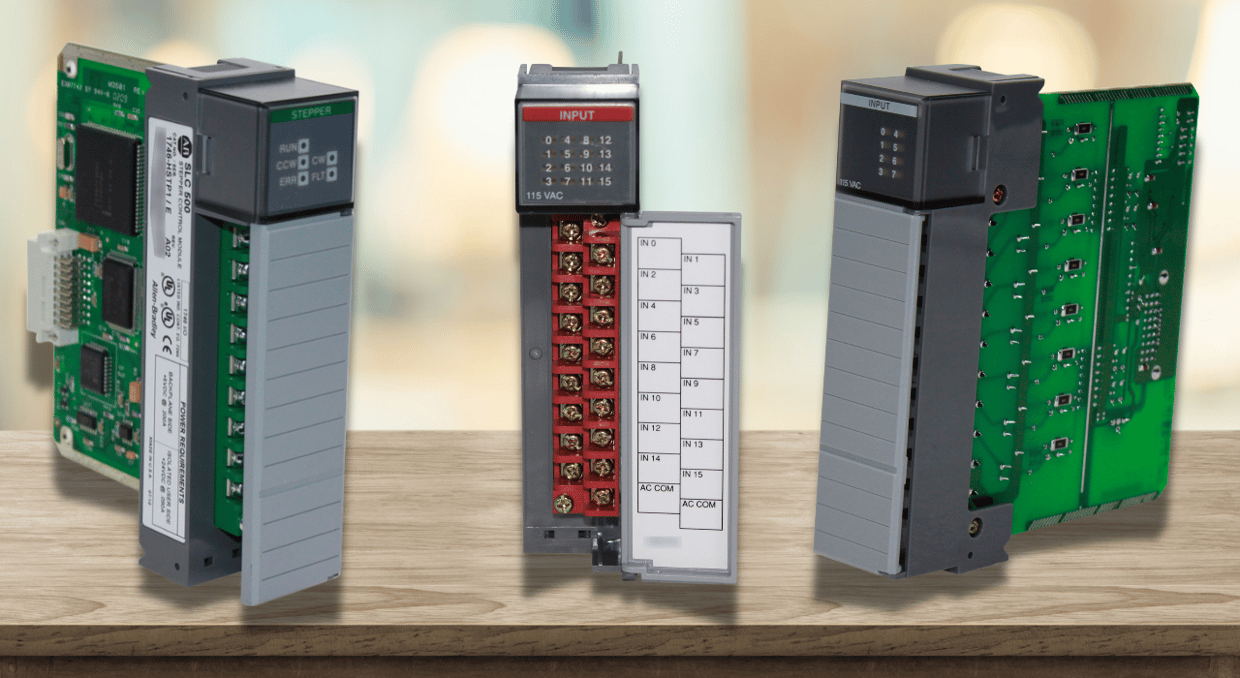
For years, the Allen-Bradley SLC 500 controller family, known for its modular design and dependable discrete control logic execution, has been a core platform in industrial automation. However, maintenance professionals are more often faced with predictable hardware deterioration patterns as these older controllers age inside operational production facilities. To reduce unscheduled downtime and extend the operational life of installed systems, it is essential to understand the underlying causes of these vulnerabilities.
Common failure types include electrical breakdown at the component level, lithium battery depletion, communication interface burnout, and environmental vulnerability. Rather than relying on reactive troubleshooting, automation specialists can implement proactive replacement plans by evaluating these failure sources. By methodically breaking down the key failure vectors in the SLC 500 hardware ecosystem, industrial facilities can reduce obsolescence risks, avoid catastrophic data loss, and ensure high operational continuity across crucial legacy automation nodes. In this article, we’ll cover some of the most common SLC 500 failures and why they occur.
Internal Lithium Battery Degradation and Memory Loss
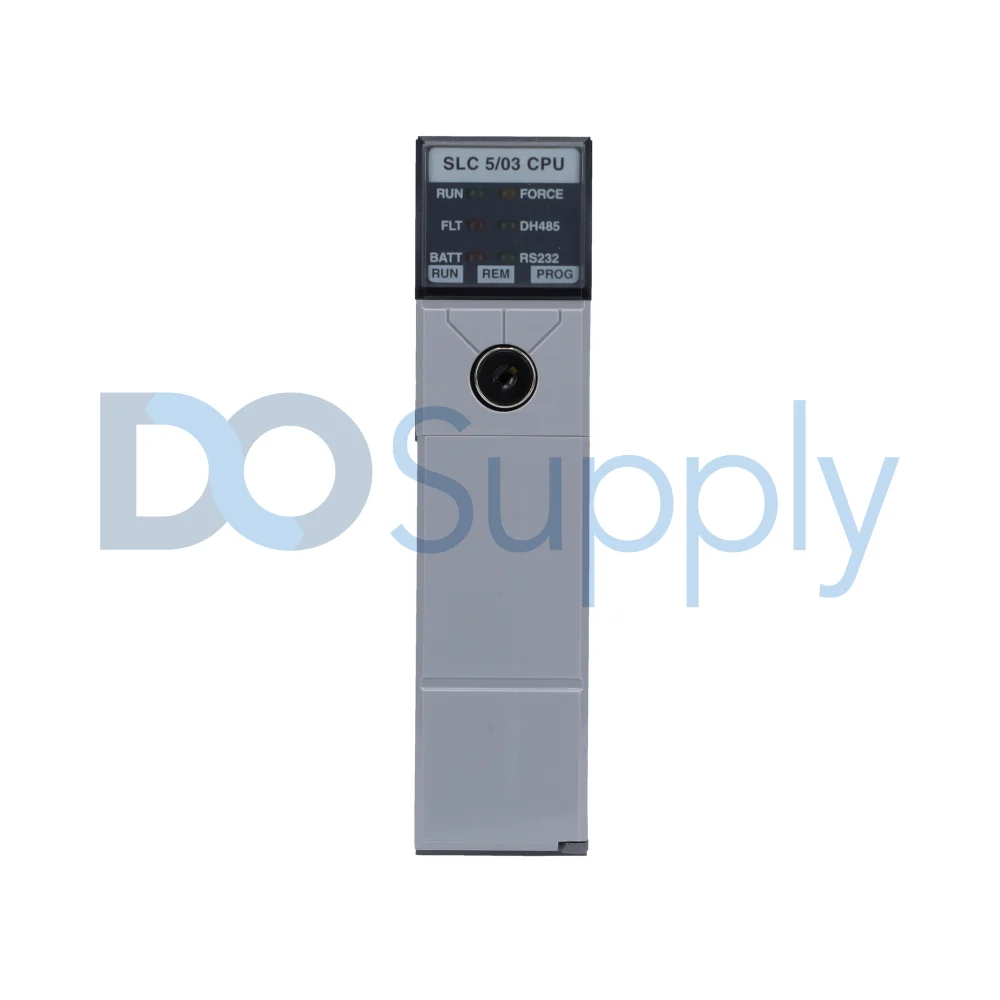
Internal lithium battery failure is one of the most common service calls for the SLC 500 CPU unit. To preserve volatile RAM contents and real-time clock data during power-down states, the SLC 500 uses a disposable lithium battery inside the CPU module. The controller initiates a hardware error or fully purges user ladder logic and data tables upon a successive power cycle when this battery falls below a key voltage threshold. This unplanned memory wipe immediately stops industrial output and requires a full program restoration from an offline backup file. Additionally, if backup arrangements fail, replacing batteries according to stringent preventive maintenance plans often reduces damaged memory states. To identify low-battery alerts well before the system’s total voltage collapse, maintenance workers must regularly check diagnostic status bits in the processor status file.
Power Supply Thermal Stress and Ripple Voltage Failures
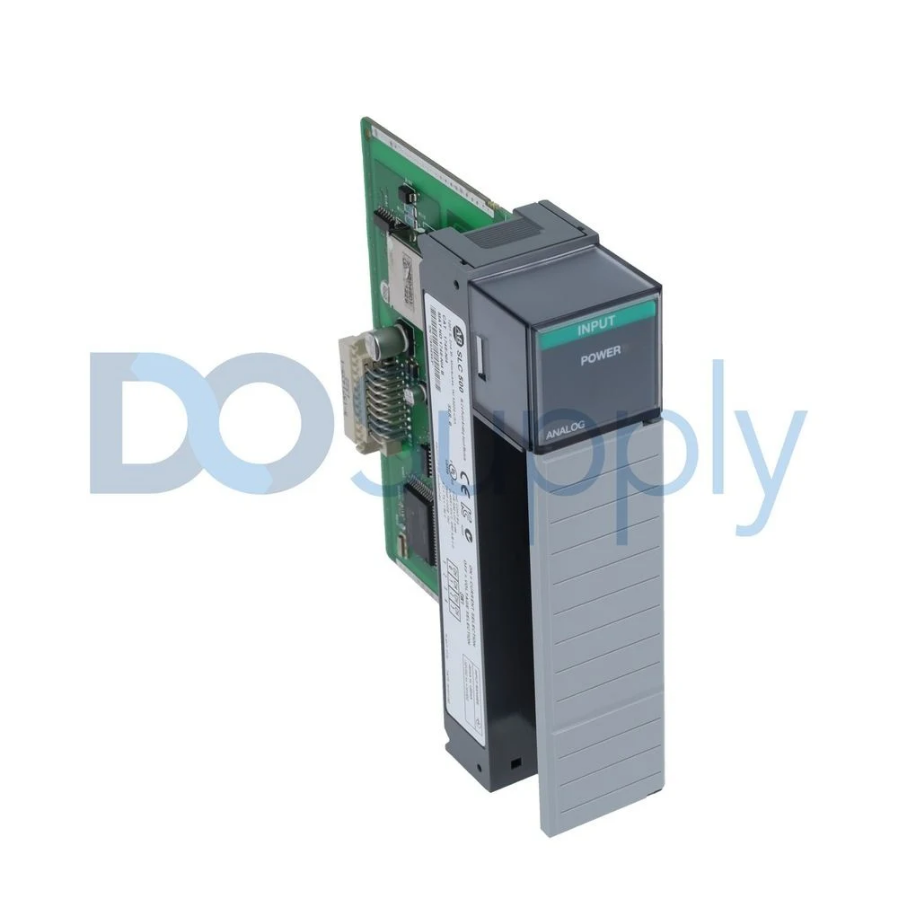
The SLC 500 rack’s power supply modules are constantly exposed to electrical ripple currents and extreme heat stress. Over years of continuous use, the power supply unit’s internal electrolytic capacitors deteriorate, amplifying ripple voltage, causing DC output voltage sag, and triggering sporadic CPU resets. The SLC 500 CPU can also experience irregular execution cycles, unmanaged hardware faults, or total boot failure when internal power rails fall outside strict operating constraints. Furthermore, short-lived voltage spikes from large inductive loads on the manufacturing floor might evade simple surge suppression, rupturing internal micro-fuses and puncturing power supply transistors. Engineers are required to check thermal dissipation routes and verify output voltage stability under load on a regular basis. To avoid secondary damage to backplane traces and delicate CPU microprocessors in the same chassis, proactively replace aging power supply units.
Communication Interface Burnout and Ground Loops
The native DH-485 and RS-232/DF1 ports on the SLC 500 are especially susceptible to ground loops and brief voltage spikes. Industrial facilities often experience high common-mode voltage discrepancies between grounded nodes and remote operator interfaces. High current surges pass straight through the transceiver integrated circuits on the SLC 500 processor board when unisolated communication cables cross certain possible imbalances. This issue typically causes blown communication chips and disables online programming, HMI polling, and SCADA data collection. It is usually necessary to replace the complete CPU board or use external industrial protocol converters with optical isolation in order to repair this damage. To protect SLC 500 communication ports from frequent electrical transients in challenging industrial settings, implement separate transceivers and follow appropriate cable-shielding procedures.
Discrete I/O Module Optocoupler Breakdown
Field-level actuators and sensors expose the SLC 500 chassis’ discrete input and output modules to significant electrical stress. These I/O modules’ optical isolation barriers shield the CPU and backplane from external high-voltage transients. However, these optical isolators may be compromised by extended exposure to strong inductive kickbacks, which are produced by unsuppressed solenoids, relay coils, and motor starters. This can result in the destruction of individual channels or whole module circuits. An I/O channel can fail and cause serious process control anomalies by either locking in a continuously energized state or losing the ability to source or sink current. Technicians say all inductive field loads must have appropriate flyback diodes, RC snubbers, or varistors. Routinely evaluating module channel integrity and confirming optical isolation ratings can prevent cascading electrical failures that might jeopardize the control panel’s structural safety.
EEPROM and Flash Memory Corruption Issues
While many processors use optional EEPROM or Flash memory modules for non-volatile backup storage and automated program loading under fault situations, the SLC 500 mainly uses RAM for quick execution. Unstable power rails, electrical noise during write cycles, or physical deterioration of the memory chip’s floating-gate transistors over long operating lifetimes can all cause flash memory corruption. The SLC 500 CPU will refuse the program load if a damaged memory module is loaded, causing a serious error at startup. Moreover, firmware version mismatches between the installed EEPROM chip and the processor operating system can cause irreversible checksum errors. To quickly fix memory-level errors during critical restoration processes, engineers must verify checksum integrity, use write-protection jumpers when needed, and keep clean, validated backup files on engineering workstations.
Backplane Oxidation and Micro-Fractures
The SLC 500 chassis backplane provides the electrical and mechanical bus linking the power supply, CPU, and I/O modules. During prolonged operation, oxidation occurs on the backplane edge connections due to environmental factors such as ambient humidity, airborne corrosive gases, and significant temperature fluctuations. This oxidation increases electrical resistance between bus pins, which can cause unexplained serious difficulties, dropped I/O racks, or intermittent communication problems. Additionally, the chassis frame may flex, or backplane solder connections may break from mechanical vibration from large spinning machinery, which can cause loose module seating. Technicians must inspect chassis slots for particle contamination, use approved contact cleaners, and ensure all module retention screws are correctly torqued. Backplanes that are severely oxidized or physically deformed must be replaced in order to restore consistent electrical continuity across the whole modular assembly.
Environmental Stressors: Heat, Dust, and Vibration
The structural lifespan of an SLC 500 control system is constantly threatened by operating conditions. In unventilated electrical enclosures, high ambient temperatures hasten solder joint failure, thermal stress, and semiconductor aging. When paired with airborne moisture, dust buildup may bridge electrical traces and function as a thermal blanket, trapping heat on processor and I/O circuit boards. Additionally, persistent mechanical vibration from adjacent conveyors, compressors, and pumps may weaken terminal block connections and hasten internal component wear. Mitigating these ambient stresses requires appropriate environmental engineering controls, such as vibration-isolation mounts, positive-pressure air filtration, and closed-loop enclosure air conditioners. Maintenance staff can detect localized hot spots and prevent early hardware failures from interfering with vital plant operations by conducting frequent thermal imaging inspections and thorough interior cleaning.
Firmware Incompatibilities and Software Errors
Integrating outdated SLC 500 hardware with contemporary industrial network topologies creates significant software and firmware friction as plant automation systems develop. Older processor firmware updates often fail to handle complex data structures, advanced arithmetic operations, or modern Ethernet bridge modules, leading to periodic processor lockups.
Incomplete flashing or strong electrical transients during communication exchanges can result in firmware corruption. To avoid unanticipated software-induced downtime events throughout the legacy manufacturing network, maintenance teams must keep a strict inventory of processor firmware revisions, check software compatibility matrices before making online edits, and archive stable, thoroughly tested project files.
Parts Obsolescence and Lifecycle Management Risks
Industrial facilities now face significant lifecycle management issues because Rockwell Automation officially discontinued the SLC 500 product line. Plants are now forced to depend on secondary market brokers or reconditioned parts with dubious provenance since it is becoming harder to get authentic, approved replacement hardware for an aging SLC 500 system. Degraded stock that has been stored in warehouses for decades, unrecorded component-level repairs, and counterfeit modules often cause early failure upon installation. Mean Time to Repair (MTTR) metrics during critical line stoppages are further extended by this parts shortage. As a result, facility engineering management must balance the capital investment needed for a methodical transition to modern control systems like ControlLogix against the ongoing maintenance burden of outdated gear. With a phased migration approach, plants can improve operational capabilities and permanently reduce SLC 500 failure risks.
Final Thoughts
In conclusion, for facilities using the Allen-Bradley SLC 500 platform, component deterioration, battery depletion, electrical transients, and parts obsolescence create a complex challenge. Strict battery replacement schedules, optical isolation enhancements, and temperature monitoring are preventive maintenance procedures that can greatly extend the operational life of these vintage controllers, but in the end, they are only temporary defenses. The risks of hardware failure and prolonged downtime will continue to rise as industrial networks demand more bandwidth, stronger cybersecurity, and stricter deterministic control. To maintain plant safety, dependability, and productivity, facility engineering teams must balance short-term sustainability initiatives with long-term capital planning and create structured migration roadmaps to modern control systems.
If you are migrating from a SLC 500 platform, there are some details you should know. The transition process isn’t one you need to do alone either, as we at DO Supply are here to help! We offer Allen-Bradley PLCs, communication cards, I/O expansions, or even SLC 500 spares, all backed by our two-year warranty. Give us a call today!
DO Supply Inc. makes no representations as to the completeness, validity, correctness, suitability, or accuracy of any information on this website and will not be liable for any delays, omissions, or errors in this information or any losses, injuries, or damages arising from its display or use. All the information on this website is provided on an "as-is" basis. It is the reader's responsibility to verify their own facts.