Common Causes of Intermittent Drive Faults That Aren’t the Drive
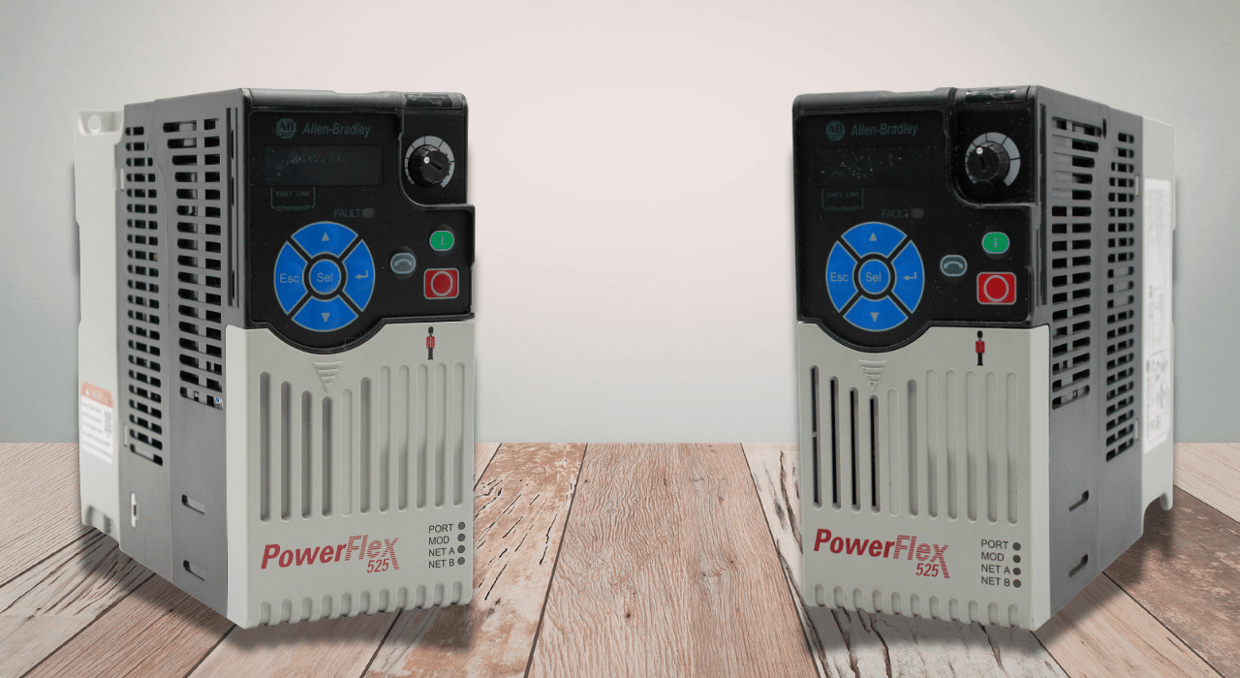
The most time-consuming diagnostic issue in industrial motor control is intermittent drive faults. Production halts, the drive trips, a technician resets it, and it runs for hours before malfunctioning again under similar circumstances. Since the drive is the most visible component and is showing the failure code, it is natural to blame it. Replacing the drive instantly restores production. The issue is that most persistent drive problems can be traced to external factors, such as loose power connections, deteriorated cable insulation, mechanical binding, supply voltage disruptions, or interference from control signals. A mechanical or electrical root cause, rather than a drive malfunction, often causes intermittent drive failure under the same circumstances. Effective drive fault research starts with understanding these external sources and the diagnostic methods that separate them.
Loose Power Terminals and Connection Resistance
In industrial installations, loose connections are the second most common cause of drive faults. Heat is produced in proportion to the square of the current at that location due to localized high resistance caused by a loose termination on the incoming supply, DC bus, or output wire. Through differential thermal expansion, that heat speeds up further loosening, which ultimately results in arcing or sporadic phase loss that the drive interprets as an undervoltage, overcurrent, or phase imbalance problem. The connection may look fine, the terminal may be tight, and the cable may appear correctly landed, yet interface resistance can increase to the point that a detectable voltage drop occurs under full-load current. This is the sneakiest failure symptom in our list. The proper preventive procedure to eliminate this cause is to torque-check all power terminals once a year with a calibrated torque wrench, rather than relying on feel or visual inspection.
Degraded Motor Cable Insulation
Intermittent overcurrent drive faults that resemble drive hardware failure can also result from insulation breakdown in the motor cable. The failure mechanism is gradual; cable insulation rated for sinusoidal voltages is repeatedly subjected to high-voltage stress by PWM switching voltages with increasing durations of 0.1 to 1.0 microseconds. This ultimately results in phase-to-ground leakage current, which the drive’s ground-fault detection circuit interprets as a fault state as the dielectric deteriorates over months or years.
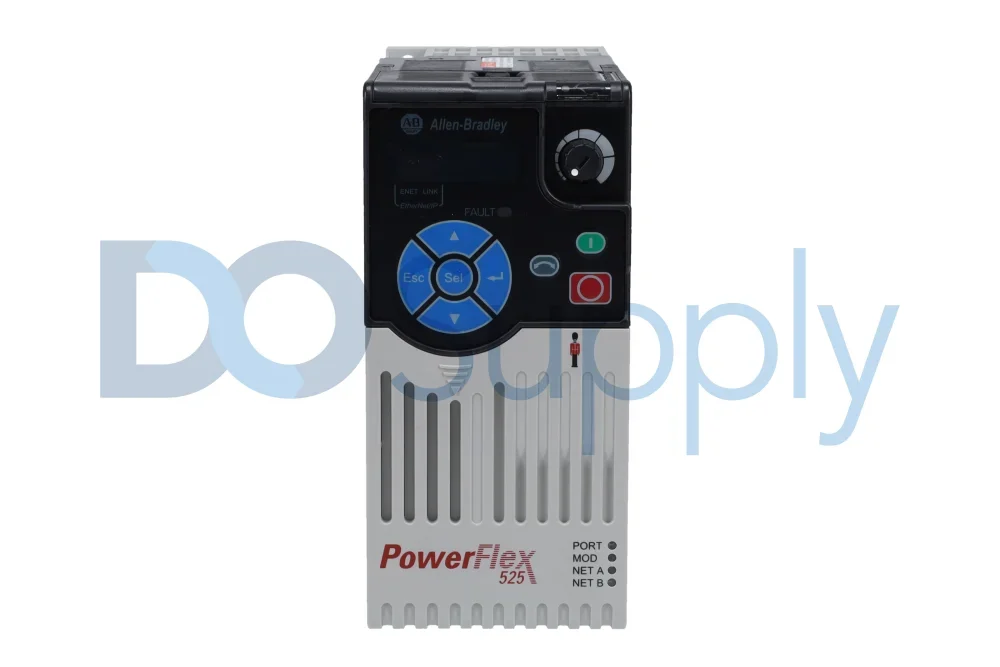
A steel mill’s maintenance crew chased an intermittent overcurrent trip for two days. By hand, the motor rotated easily, and the cable insulation seemed to be in good condition. A phase-to-ground defect that only manifested when the cable moved during operation was ultimately discovered by a megger test. The proper isolation technique for this failure scenario is to megger the motor cable at several cable locations with both the motor and drive removed.
Mechanical Overload and Bearing Degradation
Intermittent overcurrent drive faults that seem unconnected to any electrical problem are often caused by the driven load. Torque demand from a blocked pump impeller, worn and overheated bearings, or rising mechanical resistance anywhere in the drivetrain can push output current above the drive’s overcurrent threshold. Because mechanical binding often depends on load, temperature, or debris, the issue may not occur at low loads or early in the shift when the machine is cool, which is why it is intermittent. Because early-stage wear causes sporadic high-friction events long before any audible noise or noticeable vibration emerges, bearing degeneration is especially misleading. The proper isolation approach is to run the motor entirely uncoupled from the driven load and ensure the output current stays within the nameplate range across the full speed range. If the problem goes away when it is uncoupled, the mechanical drivetrain is the cause.
Supply Voltage Sags and Power Quality Disturbances
Voltage sags account for approximately 30% of unscheduled industrial downtime in motor-drive systems. The DC bus can dip below its minimum threshold during even a half-cycle voltage dip caused by nearby equipment startup or utility switching events, leading to undervoltage drive failures that mimic power supply issues. The drive effectively prevents itself from using insufficient DC bus energy while still operating normally. To diagnose sporadic drive faults or those linked to other equipment turning on, use a specialized power quality analyzer instead of a standard multimeter. The fault timestamp becomes a key for correlation. Undervoltage drive failures tied to extended motor start times or recurring utility switching are supply-side issues that replacing the drive alone cannot fix. Installing a 1 to 3% impedance line reactor on the drive’s AC input absorbs switching transients and reduces the voltage sag reaching the DC bus, enhancing overall stability.
Control Signal Interference and Grounding Errors
Improper grounding and inadequate wiring techniques can cause false drive faults, communication issues, and unstable operation that manifest as sporadic speed-reference errors or erroneous stop commands. Because they use high-speed PWM switching components, drives produce electrical noise that, when installed improperly, causes common-mode currents in nearby signal cables. To avoid ground loops, signal wires must be routed in shielded cable or conduit with the shielding grounded at just one end. Because high-voltage electricity causes electromagnetic interference on parallel signal wires, line-voltage and load-voltage wiring must run through separate conduits. Because interference is often speed-dependent and noise on signal wiring may exceed the control circuit’s rejection threshold only at certain output frequencies, the effect is intermittent. Most noise-induced intermittent drive failures are eliminated when signal cable routes and power cable routes are separated by at least 300 mm in parallel runs.
Motor Winding Insulation Degradation
Overcurrent drive faults or intermittent ground faults can be caused by deteriorated winding insulation, and these problems increase in frequency as degradation advances. Because winding insulation breakdown is temperature-dependent and insulation resistance drops sharply as the motor reaches operating temperature, the intermittent characteristic results in leakage current that only exceeds the drive’s detection threshold after prolonged operation under load. This indicates the issue is not present at start-up, under mild load, or in a cold megger test conducted before the motor reaches operating temperature. A polarization index test, which involves applying megger voltage for ten minutes and comparing the one-minute and ten-minute readings, is the appropriate test for this failure scenario. Regardless of the cold megger value, a polarization index below 2.0 on a new motor or below 1.5 on an older motor indicates insulation that may cause intermittent drive problems during operation.
Enclosure Thermal Management Failure
Thermal management issues in the drive enclosure, rather than internal drive component deterioration, are almost invariably the source of sporadic drive overtemperature defects, especially on afternoon shifts, in the summer, or during times of heavy production. The heatsink has achieved the thermal protection threshold, and the drive’s heatsink temperature sensor is operating properly, and the trip is valid. External causes include an enclosure in direct sunlight, a clogged input filter limiting airflow, a malfunctioning cooling fan providing lower flow, or an ambient temperature exceeding the drive’s specified working range at peak output. Clean drive heatsinks and enclosure filters on a planned basis rather than spontaneously. Through the Arrhenius relationship, a blocked filter that raises the interior enclosure temperature by 15°C halves the service life of the drive’s DC bus capacitors, increasing all internal wear-out mechanisms and causing sporadic overtemperature problems.
Communication Loss Faults from Network Infrastructure
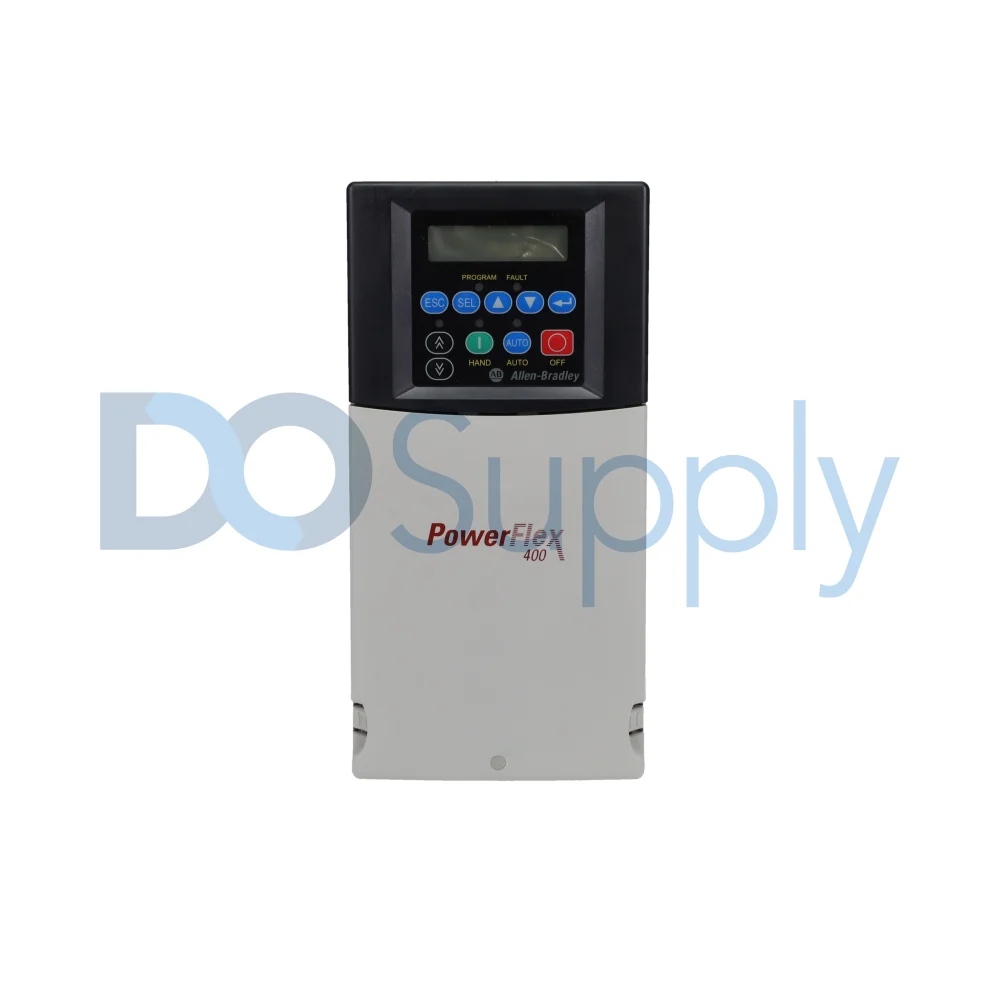
In many cases, network infrastructure problems rather than problems with the drive itself are the source of communication loss drive errors. Intermittent communication loss faults that are identical to a drive control board failure by fault code alone can be caused by a managed switch with a failing port, an EtherNet/IP cable with a damaged connector that passes the connection but loses packets under vibration, or a PLC program that takes longer than the drive’s communication timeout parameter to re-establish its CIP connection after a power restoration. Using the managed switch’s port statistics, especially the error counter, collision counter, and packet loss counter for the port linked to the drive, the diagnostic method keeps an eye on the network. Instead of a network-wide infrastructure issue requiring drive replacement, a port that accumulates errors while neighboring ports on the same switch show clean statistics points to a cable, connection, or drive port problem.
Final Thoughts
In conclusion, intermittent drive faults are rarely random; rather, they are repeatable reactions to specific conditions in the drive’s surrounding system. Without a thorough external investigation, drive fault codes caused by loose connections, deteriorated cable insulation, mechanical binding, supply voltage disturbances, harmonic contamination, grounding failures, motor winding degradation, thermal management failures, and network infrastructure problems are all indistinguishable from hardware drive failure. Read the fault history before clearing it, correlate the pattern before examining individual components, and try every external reason before determining that the drive itself is the issue. This diagnostic discipline consistently fixes these issues. The drive is the most talkative part of the system; it reports any issues it finds. Seldom is it the root cause of the issue it reports, but when it is, there are some signs to look out for.
If your drive still has intermittent issues or failures, contact our service team and schedule a repair today. We fix drives in-house and back them with a two-year warranty. If replacing your drive is the move, browse our wide selection of VFDs from popular brands you can trust. For anything else, give us a call and let us help you find the right equipment for your system.
DO Supply Inc. makes no representations as to the completeness, validity, correctness, suitability, or accuracy of any information on this website and will not be liable for any delays, omissions, or errors in this information or any losses, injuries, or damages arising from its display or use. All the information on this website is provided on an "as-is" basis. It is the reader's responsibility to verify their own facts.